Biohacking For A Productive Workday: Tools And Techniques For The Office

Biohacking may sound highly technical, but it can include simple practices intended to support personal health, well-being and performance. Examples range from improving daily movement and nutrition to meditation and technology-supported wellness options.
In this Forbes Business Council article, Lumaflex CEO John Graham Harper examines several ways biohacking principles can be applied in office environments.
Increase Movement Throughout the Day
Spending long periods sitting at a desk can contribute to stiffness and discomfort. Regular activity breaks, walking, mobility exercises, adjustable standing desks and access to fitness facilities can help employees introduce more movement into their working day.
Consider Massage Therapy
Some organizations provide massage therapy or access to self-massage tools as part of their employee wellness programs. Foam rollers and massage devices may offer employees a convenient way to address everyday muscle tightness and discomfort.
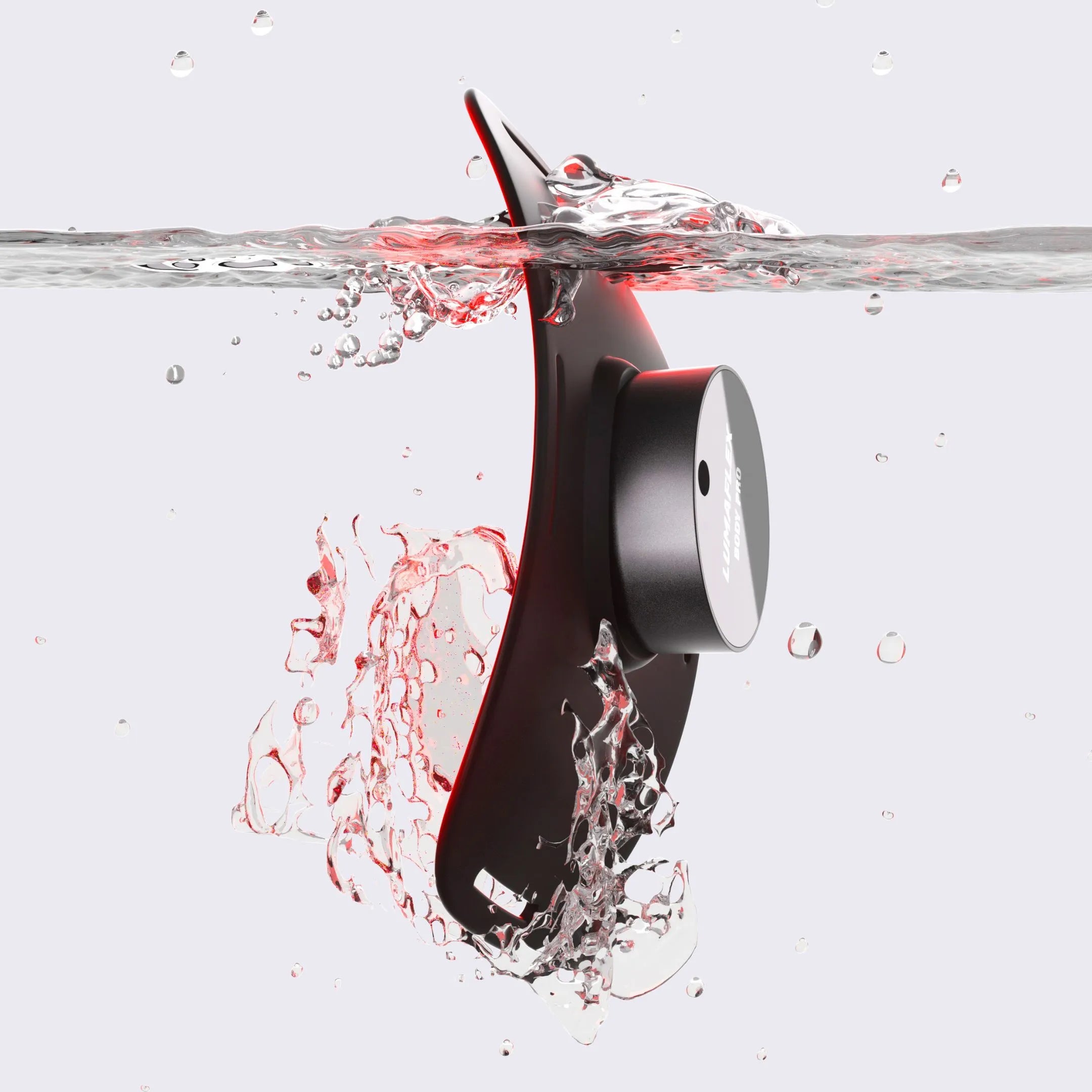
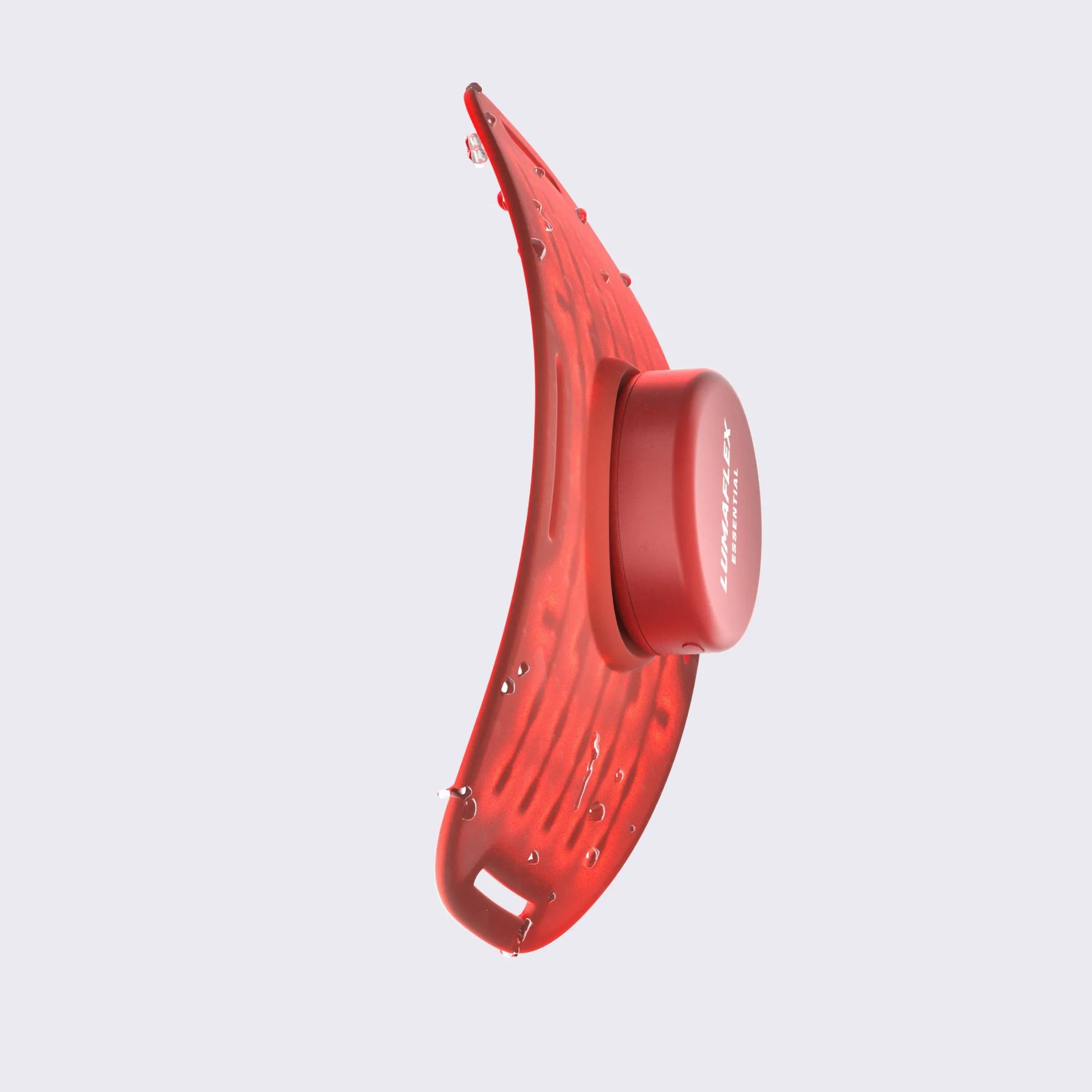
Explore Red Light Therapy
Red light therapy uses low levels of red and near-infrared light. Businesses considering RLT should evaluate the required investment, facilities and maintenance while providing employees with suitable education and usage guidance.
The original article includes a disclosure that John Graham Harper’s company, Lumaflex, specializes in red light therapy devices.
Support Stress Management
Breathing exercises, meditation, grounding practices and gentle movement can give employees practical ways to pause and manage workplace stress. These activities can be introduced as voluntary options within a broader wellness program.
Biohacking does not have to involve expensive technology or radical lifestyle changes. Employers can begin with accessible practices that reflect the needs of their workforce and develop their programs over time.
This content is provided for informational purposes only and is not intended as medical advice, diagnosis or treatment.
Read the full article on Forbes
Originally published by Forbes Business Council on April 22, 2025.