How Industry Leaders Can Address Five Common Red Light Therapy Myths

As red light therapy becomes more widely discussed, consumers are encountering more conflicting claims about its history, research, uses and safety. Clear, responsible education is therefore essential for helping people distinguish credible information from misinformation.
In his Forbes Business Council article, Lumaflex CEO John Graham Harper examines five common red light therapy myths and explains how industry leaders can address them without exaggerating the technology’s potential.
Myth 1: Red Light Therapy Isn’t Backed by Research
Red light therapy and photobiomodulation have been examined in scientific literature for decades. Research has explored a range of potential applications, although the strength of evidence varies by use and further research is still required.
Industry leaders should communicate existing findings accurately while remaining transparent about the limitations of current evidence.
Myth 2: Red Light Therapy Is Just a Trend
Photobiomodulation is not a recent invention. Its development can be traced back to research conducted in the 1960s, long before red light therapy became widely promoted in wellness and consumer markets.
Its recent popularity represents growing awareness of an established field rather than the sudden appearance of an entirely new concept.
Myth 3: Red Light Therapy Only Offers Cosmetic Benefits
Red light therapy is often associated with skincare and beauty applications. However, research has also explored its potential use in areas such as tissue health, physical recovery, inflammation and pain management.
The appropriate use of a device will depend on its specifications, intended purpose and supporting evidence.
Myth 4: All Red Light Therapy Devices Work the Same
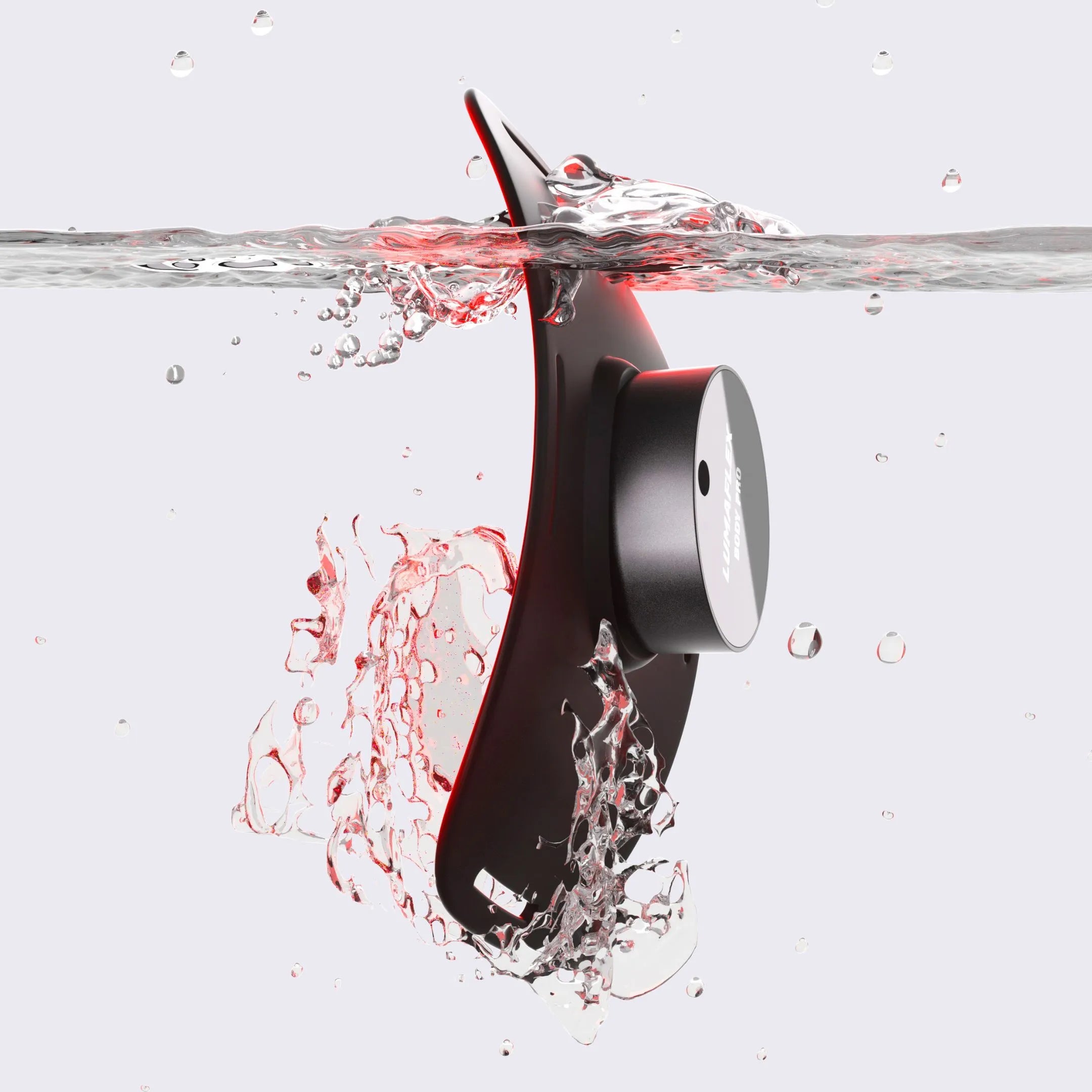
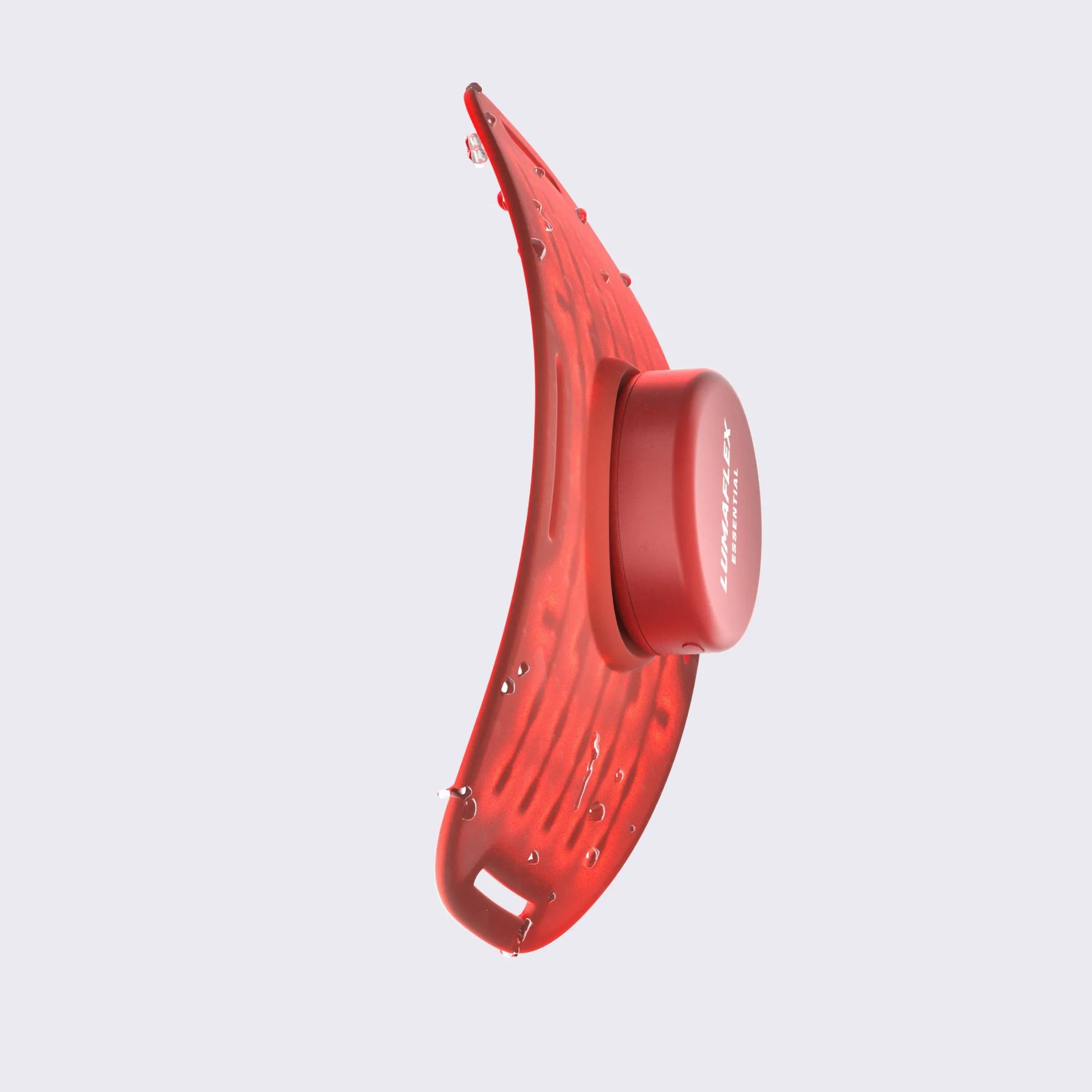
Red light therapy devices can differ significantly in wavelengths, power output, treatment area, settings, construction, intended use and regulatory status.
Consumers should review a device’s specifications, credentials and instructions instead of assuming that every product will provide the same experience or results.
Myth 5: Red Light Therapy Is Inherently Dangerous
Red light therapy is generally designed to be noninvasive, but safe use depends on following the manufacturer’s instructions, recommended session times and relevant precautions.
Clear manuals, educational resources and accessible digital guidance can help consumers operate devices correctly. Industry leaders also have a responsibility to avoid exaggerated claims and explain both the capabilities and limitations of their products.
Accurate education helps consumers make more informed decisions. By communicating the research honestly, explaining device differences and prioritizing safe use, industry leaders can build greater trust around red light therapy.
Read the full article on Forbes
Originally published by Forbes Business Council on March 5, 2026.
The information provided here is for educational purposes and is not intended as medical advice, diagnosis or treatment. Consult a qualified healthcare professional regarding individual health needs.