Thinking Of Introducing Red Light Therapy At Work? What Leaders Need To Know

Workplace stress can affect employee well-being, morale and performance. In response, some organizations are expanding their wellness programs to include new tools and services, including red light therapy.
In his Forbes Business Council article, Lumaflex CEO John Graham Harper explains what leaders should understand before introducing red light therapy into the workplace.
What Is Red Light Therapy?
Red light therapy is a form of photobiomodulation that uses specific wavelengths of red or near-infrared light. Available devices vary in size, power, settings and intended use.
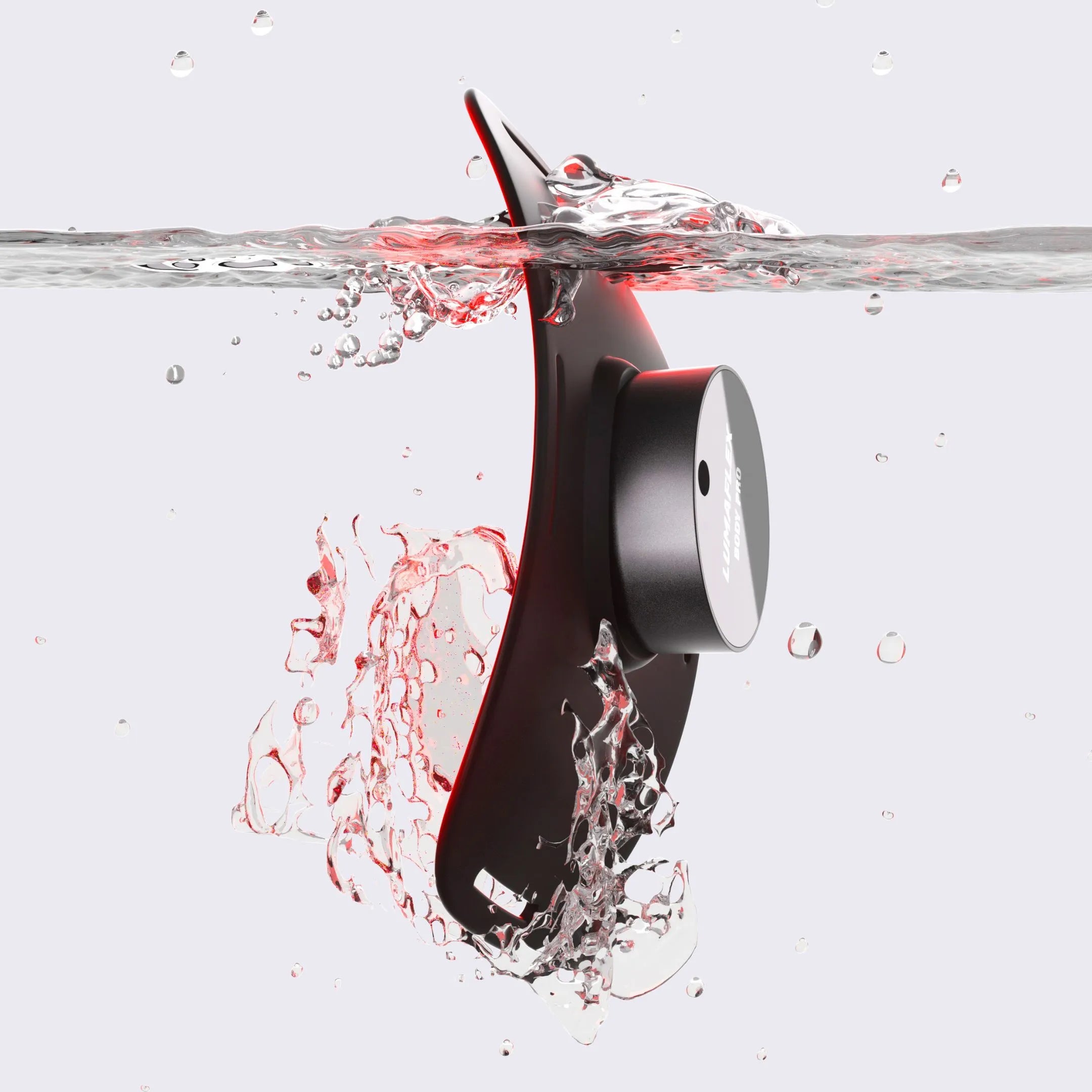
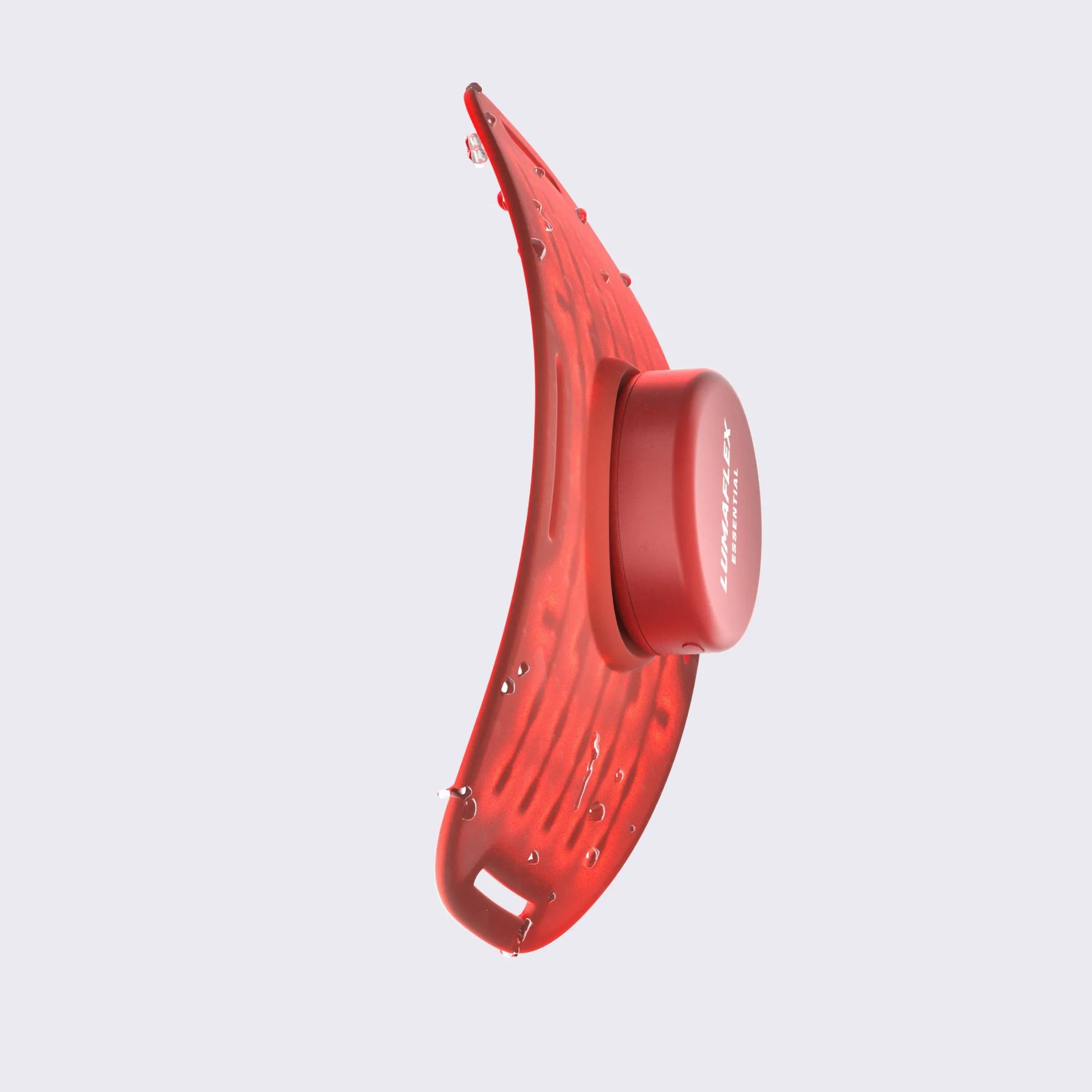
Portable devices may be especially practical in workplace environments because they require less space and can be used in designated wellness areas. Employers should still evaluate each device’s specifications, credentials and instructions before adding it to a program.
What Should Leaders Know About Safety?
Red light therapy is generally designed to be noninvasive, but correct use remains essential. Employees should receive appropriate training and follow the manufacturer’s recommended positioning, session duration and safety precautions.
Employers should avoid treating one protocol as suitable for every person or every device. Employees with questions about their individual health circumstances should consult a qualified healthcare professional before participating.
How Should Sessions Be Scheduled?
The appropriate session duration will depend on the device, protocol and intended use. The original Forbes article notes that workplace sessions are often relatively brief and may be scheduled during breaks or lunch periods.
Organizations should follow device-specific guidance rather than shortening sessions simply to increase participation. A reservation system can help manage availability without disrupting normal working schedules.
What Implementation Challenges Should Employers Consider?
Employee education
Employees should understand what red light therapy is, how the selected device works and how to use it responsibly.
Designated wellness space
A quiet, comfortable and accessible room can provide employees with the privacy and environment needed to participate.
Voluntary participation
Red light therapy should be offered as an optional benefit. Employees should never feel pressured to participate in a workplace wellness activity.
Budget and infrastructure
Employers should account for equipment, maintenance, cleaning, electricity, staff training and any changes required to create an appropriate wellness space.
Introducing red light therapy at work requires thoughtful planning. Clear education, realistic scheduling, voluntary participation and suitable facilities can help organizations make more informed decisions about whether it belongs in their employee wellness strategy.
Read the full article on Forbes
Originally published by Forbes Business Council on December 18, 2025.
The information provided here is for educational purposes and is not intended as medical advice, diagnosis or treatment. Consult a qualified healthcare professional regarding individual health needs.