The ROI Of Wellness: Implementing Red Light Therapy In The Workplace

Employee health and business performance are closely connected. Workplace stress, fatigue and poor sleep can affect attendance, morale and productivity, leading more organizations to invest in employee wellness programs.
In this Forbes Business Council article, Lumaflex CEO John Graham Harper examines the potential business case for introducing red light therapy into the workplace.
Understanding Red Light Therapy
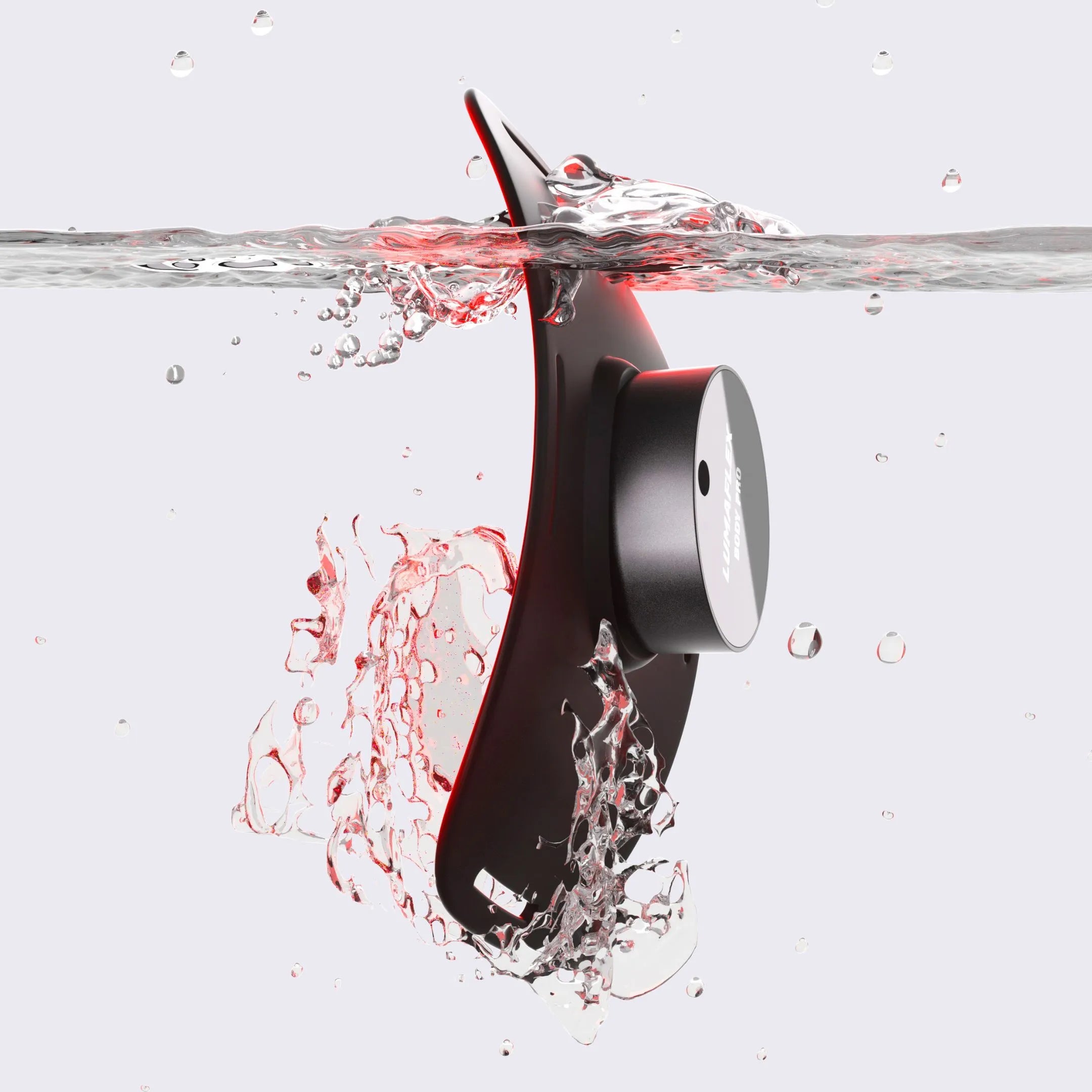
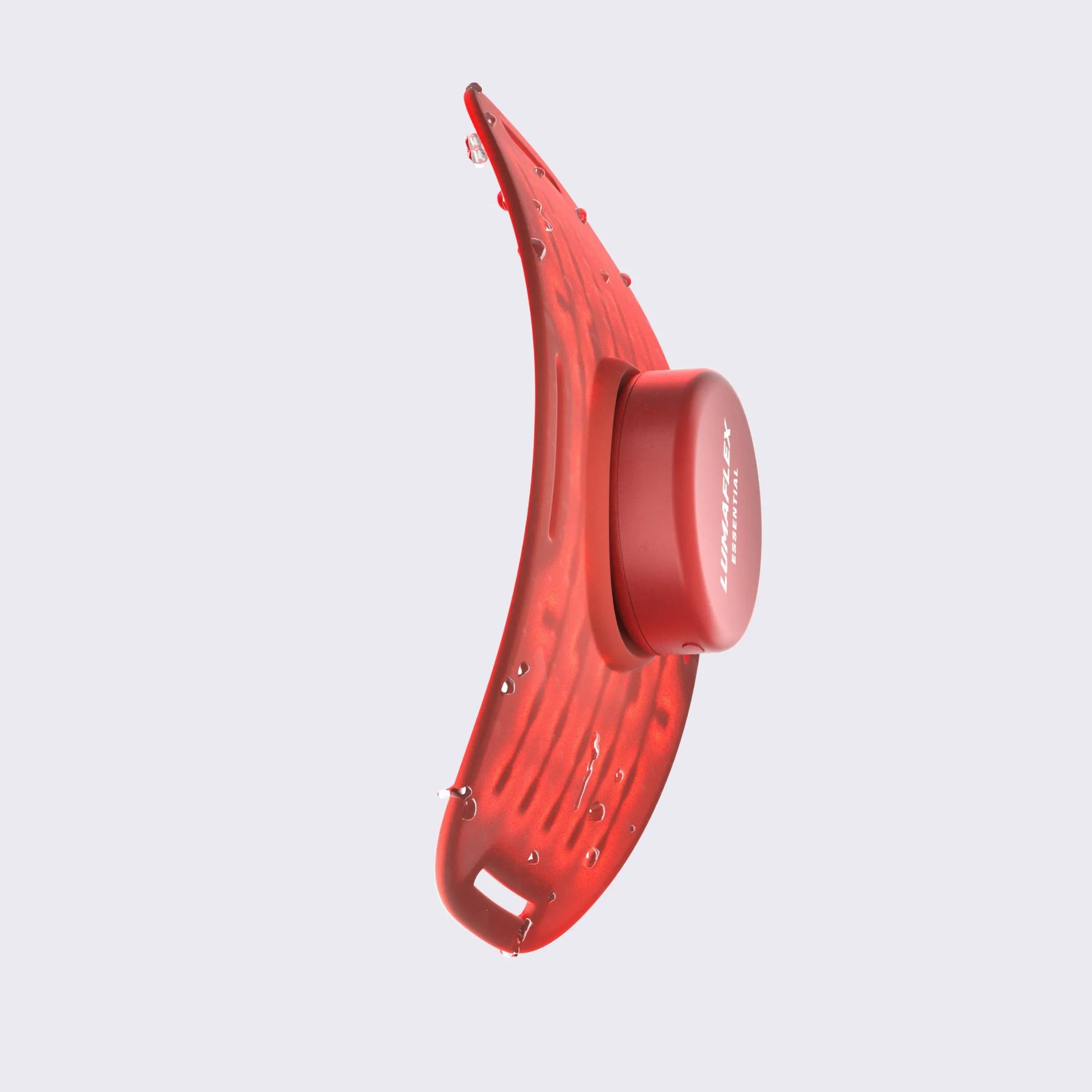
Red light therapy uses low levels of red and near-infrared light. It is being explored in a growing range of wellness environments, including dedicated workplace wellness rooms and portable programs using handheld or wearable devices.
The original article includes a disclosure that John Graham Harper’s company, Lumaflex, specializes in red light therapy solutions.
Consider the Potential Workplace Value
Research continues into the effects and applications of red light therapy. Some studies have examined areas such as cellular energy production, sleep regulation and alertness.
Employers should avoid treating these potential benefits as guaranteed outcomes. Any expected business value should be assessed against measurable indicators such as employee participation, feedback, absenteeism and program costs.
Account for the Costs and Limitations
Red light therapy devices represent an additional business expense. Larger organizations may require multiple devices, suitable treatment spaces and ongoing maintenance to make the program accessible to employees.
More clinical research is also needed to confirm the effectiveness of RLT for many proposed applications.
Plan the Implementation
Before launching a program, business leaders should consider the size of their workforce, available space, required number of devices and projected return on investment.
A quiet wellness room and an appointment system may help manage access. Organizations with limited space can also evaluate portable, handheld or wearable devices.
An effective wellness investment requires responsible implementation, employee education and continued measurement. Participation should remain voluntary, and RLT should form part of a broader employee wellness strategy.
This content is provided for informational purposes only and is not intended as medical advice, diagnosis or treatment.
Read the full article on Forbes
Originally published by Forbes Business Council on March 13, 2025.