Strategies For Designing The Ultimate Wellness Program

Modern workplaces can be fast-paced, demanding and stressful. To support employees more effectively, many organizations are adopting holistic wellness programs designed around both physical and mental well-being.
In this Forbes Business Council article, Lumaflex CEO John Graham Harper explores how biohacking principles and complementary wellness strategies can be incorporated into professional environments.
Understanding Biohacking
Biohacking is a broad term covering practices intended to support human performance, health and well-being. It can include accessible lifestyle changes as well as technology-supported wellness initiatives.
Red Light Therapy
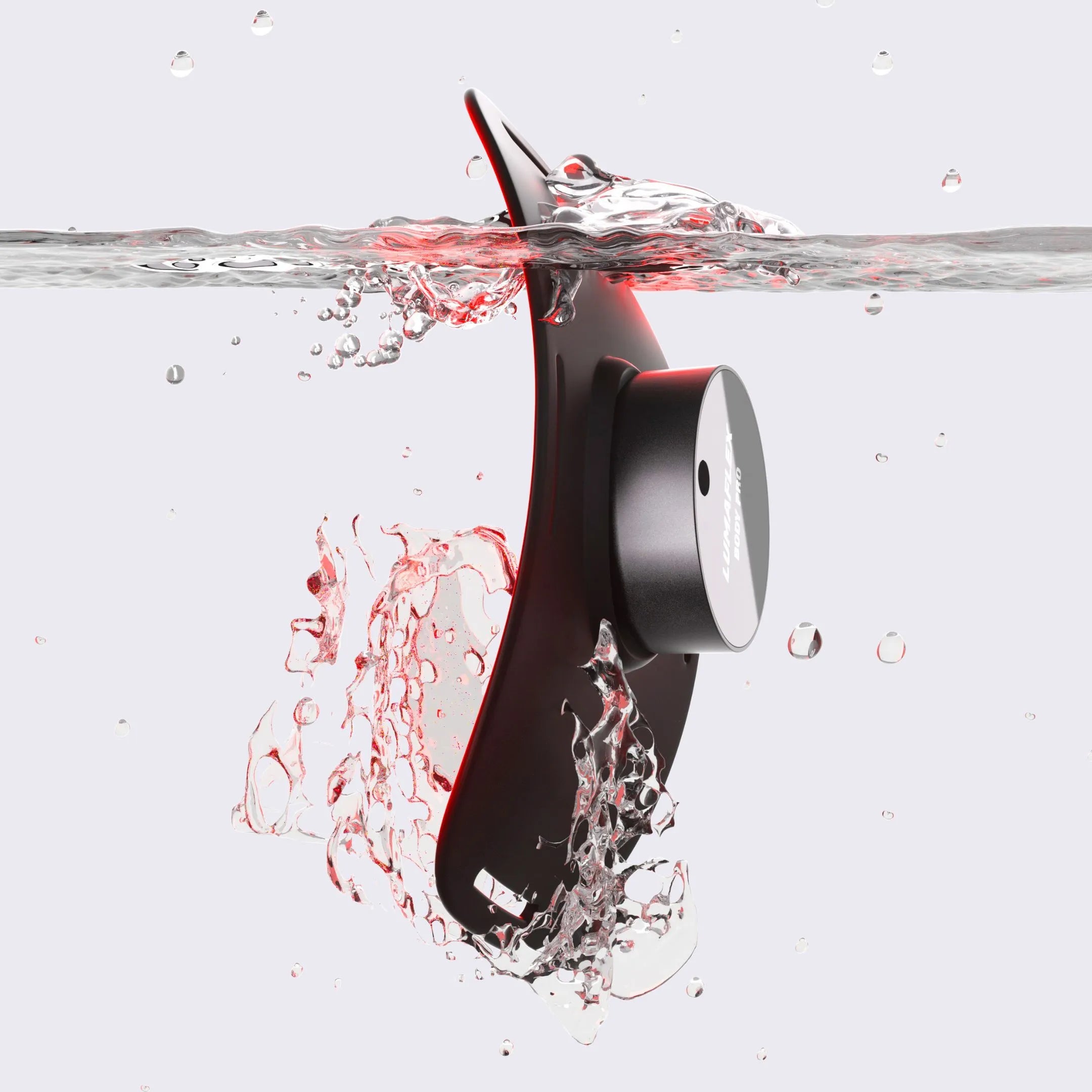
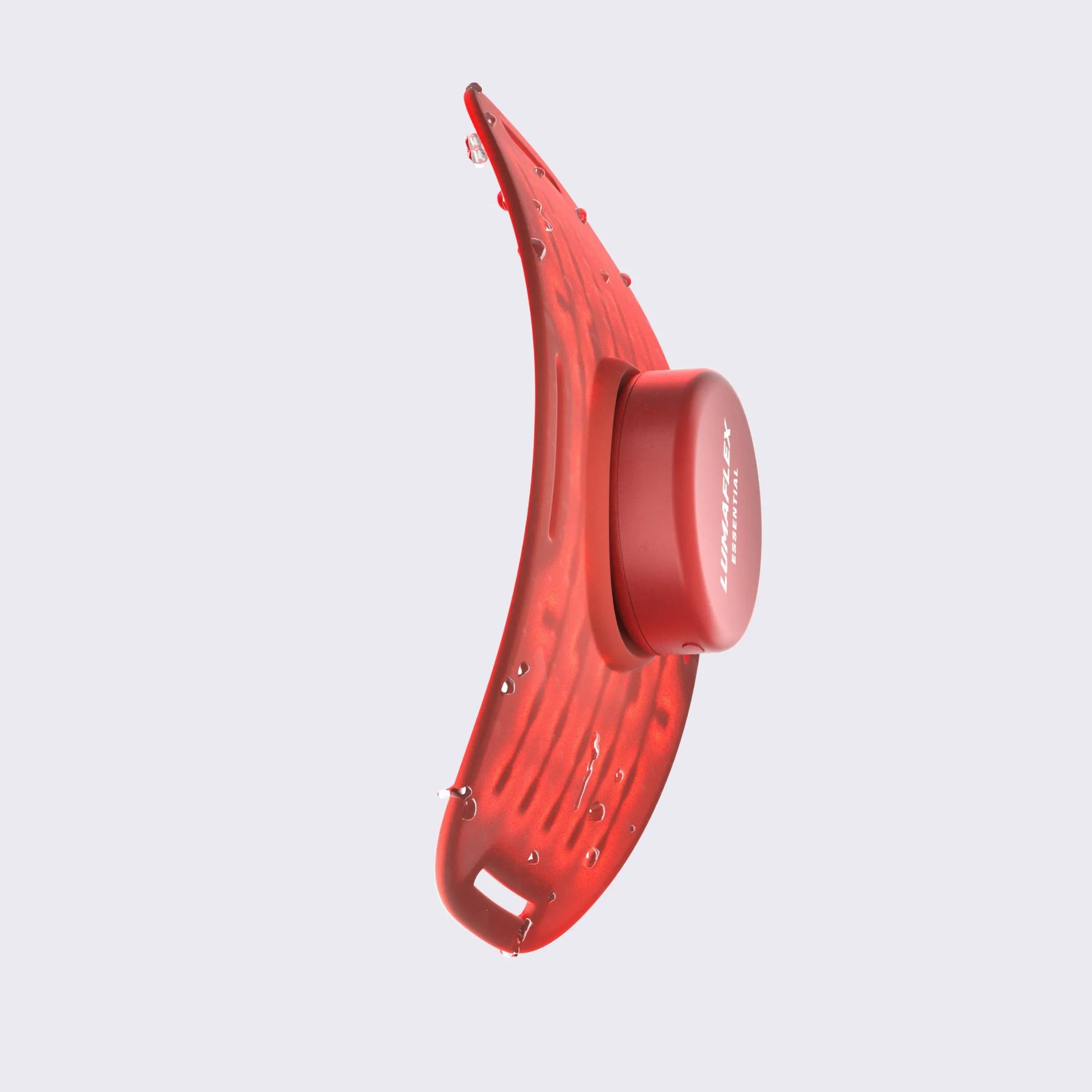
Red light therapy uses devices that emit red and near-infrared light. Organizations considering RLT should educate employees about the technology, provide proper operating instructions and ensure that enough devices are available.
A dedicated, comfortable wellness space can also make the experience more accessible to participating employees.
Wearable Technology
Fitness trackers, smartwatches and other wearable devices can help individuals understand factors such as activity, sleep and general wellness habits.
Employers should introduce wearable programs responsibly, particularly when employee health or behavioral data may be collected. Participation, consent and privacy should be carefully considered.
Nutrition Support
Nutritious food and appropriate hydration can influence employees’ energy and daily working experience. Businesses can support healthier habits by providing suitable snacks, offering nutrition education or arranging access to qualified dietary professionals.
The most effective workplace wellness program will depend on the needs of the organization and its employees. Combining education, accessible resources and responsible implementation can help businesses create a more supportive workplace culture.
This content is provided for informational purposes only and is not intended as medical advice, diagnosis or treatment.
Read the full article on Forbes
Originally published by Forbes Business Council on July 11, 2025.