Transforming Workplace Wellness: Exploring Red Light Therapy And More

Employee well-being can influence morale, engagement, attendance and productivity. As a result, more businesses are exploring ways to support both the physical and mental health of their workforce.
In this Forbes Business Council article, Lumaflex CEO John Graham Harper examines red light therapy alongside several broader workplace wellness strategies.
Build a Comprehensive Wellness Program
Workplace wellness can include flexible schedules, additional employee support, dedicated wellness rooms, fitness activities, team-building programs and access to mental health resources.
Organizations should select initiatives according to the needs of their employees rather than relying on a single standard program.
Understanding Red Light Therapy
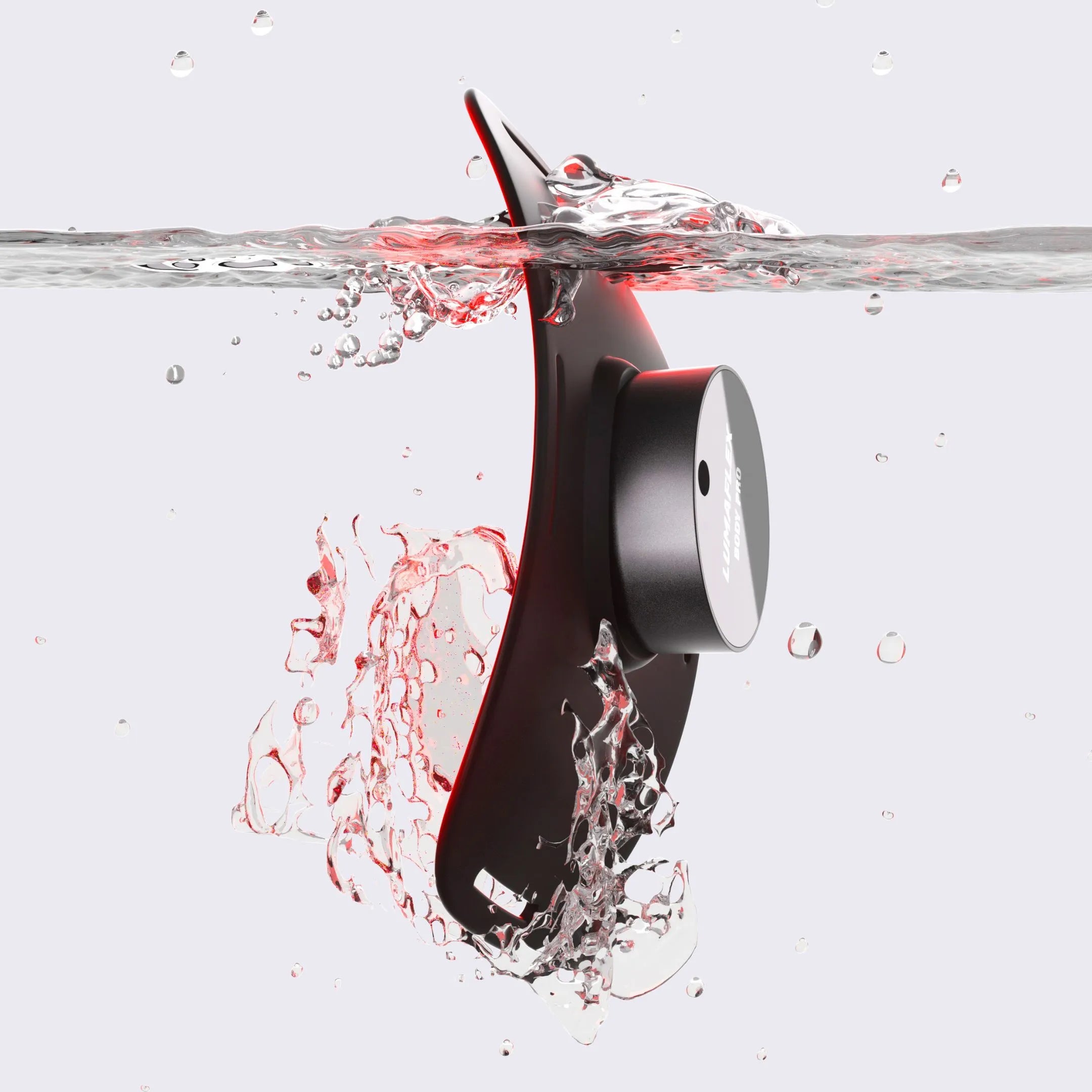
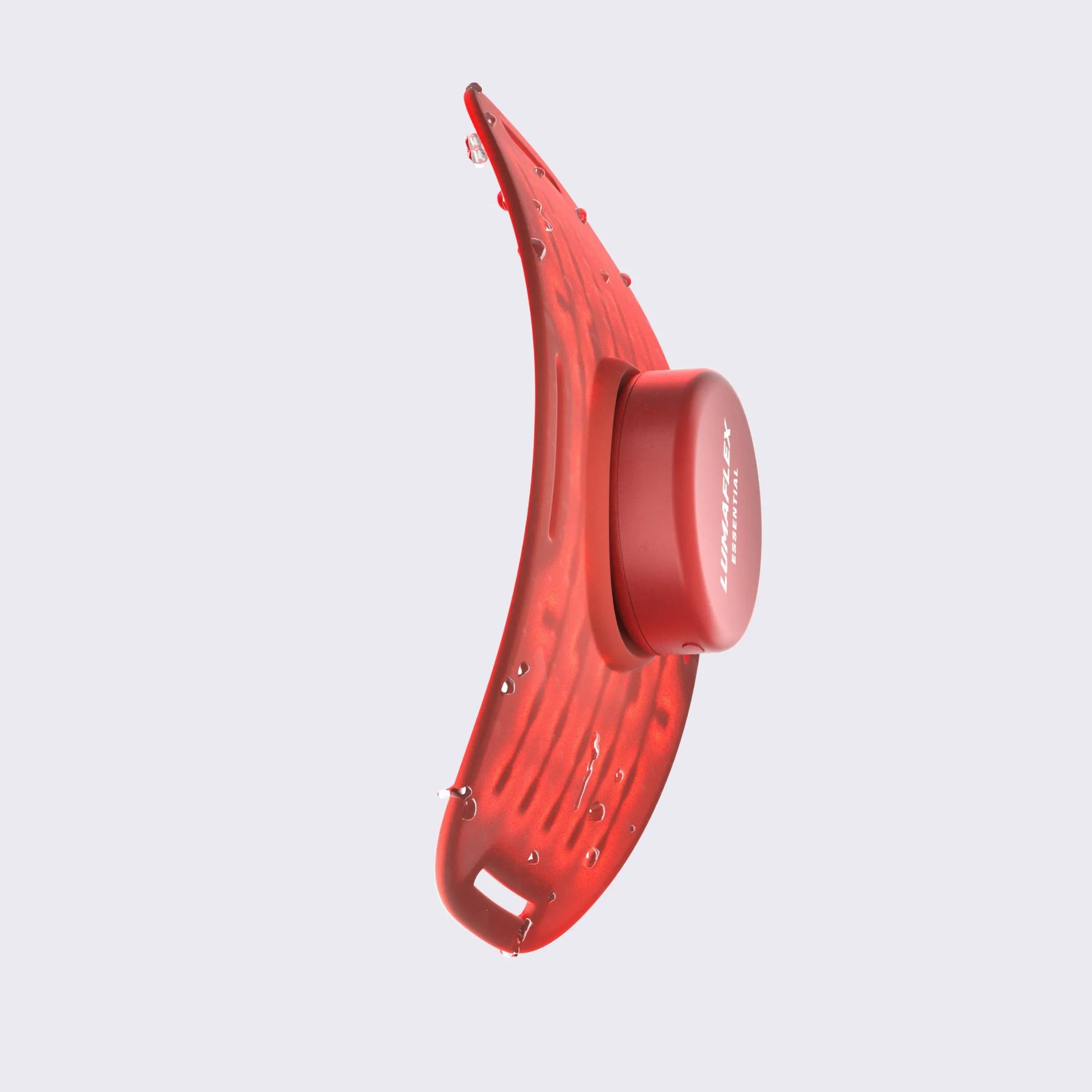
Red light therapy uses low levels of red and near-infrared light. Researchers continue to study how these wavelengths interact with cells and their potential applications.
The original article includes a disclosure that John Graham Harper’s company, Lumaflex, provides red light therapy solutions.
Introduce RLT Responsibly
Before making RLT available in the workplace, employers should provide balanced information about its intended use, limitations and possible side effects.
Employees should receive clear operating instructions, and participation should remain voluntary. Businesses should also research each device’s evidence, safety information and applicable regulatory status before making a purchasing decision.
Look Beyond a Single Wellness Option
Flexible and remote-working arrangements, mentorship programs, fitness education and nutrition resources can all form part of a wider employee wellness strategy.
Employee surveys and feedback can help leaders understand which initiatives are relevant, accessible and genuinely useful to their teams.
A successful workplace wellness program should combine responsible implementation with ongoing employee input and regular evaluation.
This content is provided for informational purposes only and is not intended as medical advice, diagnosis or treatment.
Read the full article on Forbes
Originally published by Forbes Business Council on January 29, 2025.