Unlocking New Opportunities: Redefining Pain Management For Aging Workforces

As people remain in employment later in life, businesses must consider how chronic pain and age-related health challenges can affect their workforce.
According to the CDC, approximately 51.6 million U.S. adults experienced chronic pain in 2021. For employers, the effects can appear through reduced concentration, fatigue, increased absences and difficulties completing physically demanding tasks.
Supporting employees affected by pain can therefore be an important part of building a sustainable, productive workplace.
How Chronic Pain Can Affect Employees
Persistent pain can influence both physical and emotional well-being. At work, affected employees may experience:
Difficulty focusing or concentrating
Fatigue and reduced energy
More frequent absences
Lower motivation
Reduced confidence or morale
Difficulty completing certain physical tasks
If these challenges are left unaddressed, they can also affect colleagues, customer service and overall business performance.
Build A More Supportive Workplace
A holistic workplace strategy considers the different factors that can affect an employee’s health and ability to work. This does not mean employers should diagnose or treat medical conditions. Instead, they can create an environment that makes it easier for employees to access appropriate support.
Practical measures may include:
Providing ergonomic chairs, standing desks and adjustable equipment
Offering flexible hours or remote-work options where possible
Giving employees access to coaching or counselling
Reviewing healthcare and wellness benefits
Encouraging appropriate movement and exercise
Providing healthy food options and accessible drinking water
Training managers to respond to health concerns with empathy
Protecting employee privacy when discussing medical needs
The most appropriate combination will depend on the workforce, the nature of the work and the resources available.
Consider Complementary Wellness Options Carefully
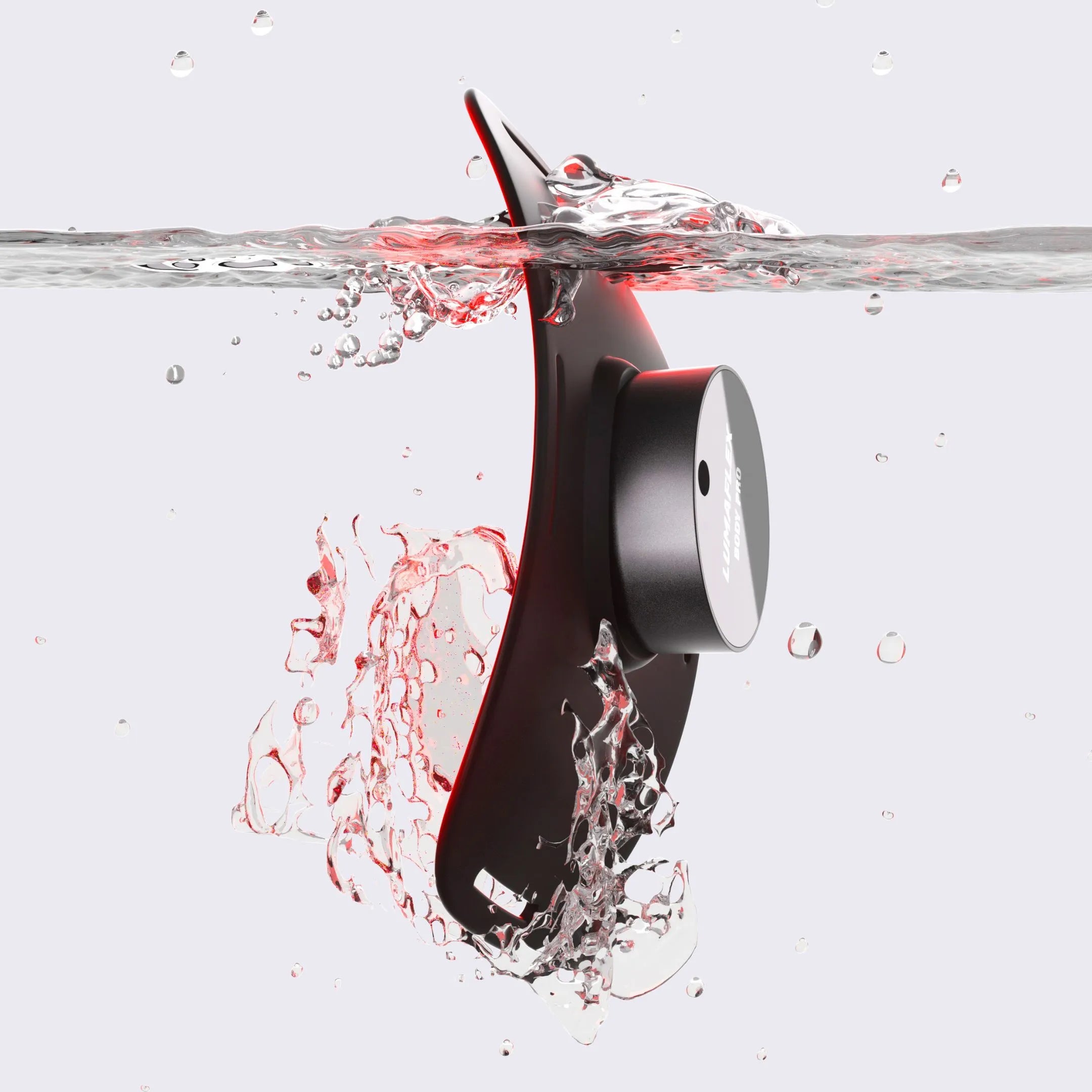
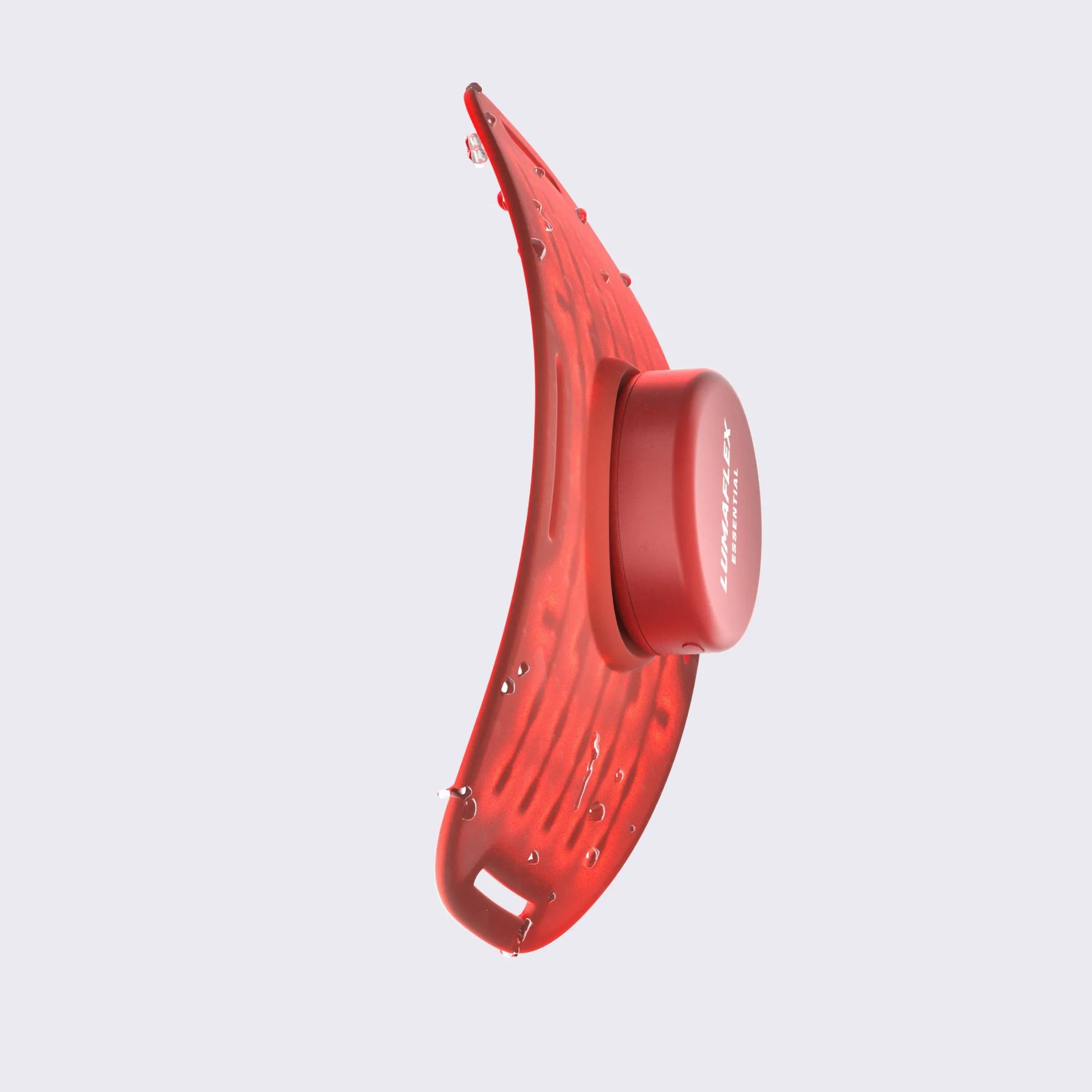
The original Forbes article also discusses red light therapy as one potential component of a broader employee wellness program.
As CEO of Lumaflex, John Graham Harper has professional experience in the red light therapy industry. Employers considering this or any other complementary wellness modality should evaluate the available evidence, product safety, employee needs and appropriate professional guidance.
Complementary wellness services should remain optional and should never replace necessary medical assessment, diagnosis or treatment.
Develop An Employee-Led Strategy
Before introducing a new initiative, employers can survey employees anonymously to understand the challenges they face and the types of support they would value.
HR teams should work with qualified healthcare, legal and workplace-safety professionals when developing the program. Starting with a small pilot can help organizations evaluate participation, employee feedback and practical outcomes before making a larger investment.
Programs should also be inclusive. Older employees are not a single group with identical needs, and support should be based on individual circumstances rather than assumptions about age or physical ability.
Creating Sustainable Working Lives
Aging employees bring experience, knowledge and valuable professional skills to their organizations. Helping them remain healthy and engaged can benefit both the individual and the business.
By combining empathetic management, flexible policies, ergonomic resources and carefully evaluated wellness options, employers can create working environments in which employees are better equipped to thrive throughout longer careers.
This article is intended for general informational purposes only and does not constitute medical advice, diagnosis or treatment. Anyone experiencing persistent pain should consult a qualified healthcare professional.
Read the original article on Forbes
Originally published by Forbes Business Council on June 3, 2024.