Ways To Create A Supportive Workspace For Team Well-Being And Success

Many employees spend a significant part of their day sitting at a desk, attending meetings and working on computers. Over time, an unsuitable environment can contribute to physical discomfort, stress and declining engagement.
Business leaders can address these challenges by designing workplaces that support both physical and mental well-being.
Improve Ergonomic Support
A comfortable workstation can make a meaningful difference to an employee’s daily experience. Adjustable chairs, suitable desk heights, monitor stands and ergonomic keyboards or mice can help employees work in more comfortable positions.
Organizations can also provide workstation assessments and encourage employees to change positions or take regular movement breaks. These measures demonstrate that physical well-being is part of the company’s everyday operations.
Introduce Natural Elements
Biophilic design brings elements of nature into the workplace. Indoor plants, natural light and views of outdoor spaces can make an office feel more welcoming and less clinical.
When natural light is limited, leaders can review artificial lighting to reduce glare and create a more comfortable environment. Quiet colors, natural materials and uncluttered spaces may also contribute to a calmer atmosphere.
Provide Confidential Employee Support
Employee assistance programs can give team members confidential access to counselling and support for personal or work-related difficulties.
Leaders should clearly explain how employees can access these services and emphasize their confidentiality. Managers should also be trained to discuss well-being respectfully without trying to diagnose an employee’s condition.
Making support visible and accessible can help reduce the stigma associated with asking for help.
Create Spaces To Recharge
A designated relaxation area can give employees somewhere to step away briefly from the demands of the working day. This might be a quiet room with comfortable seating, calming décor or access to meditation and mindfulness resources.
Employees should feel able to use these spaces without being viewed as unproductive. Short, appropriate breaks can form part of a healthier and more sustainable working routine.
Evaluate Workplace Wellness Options
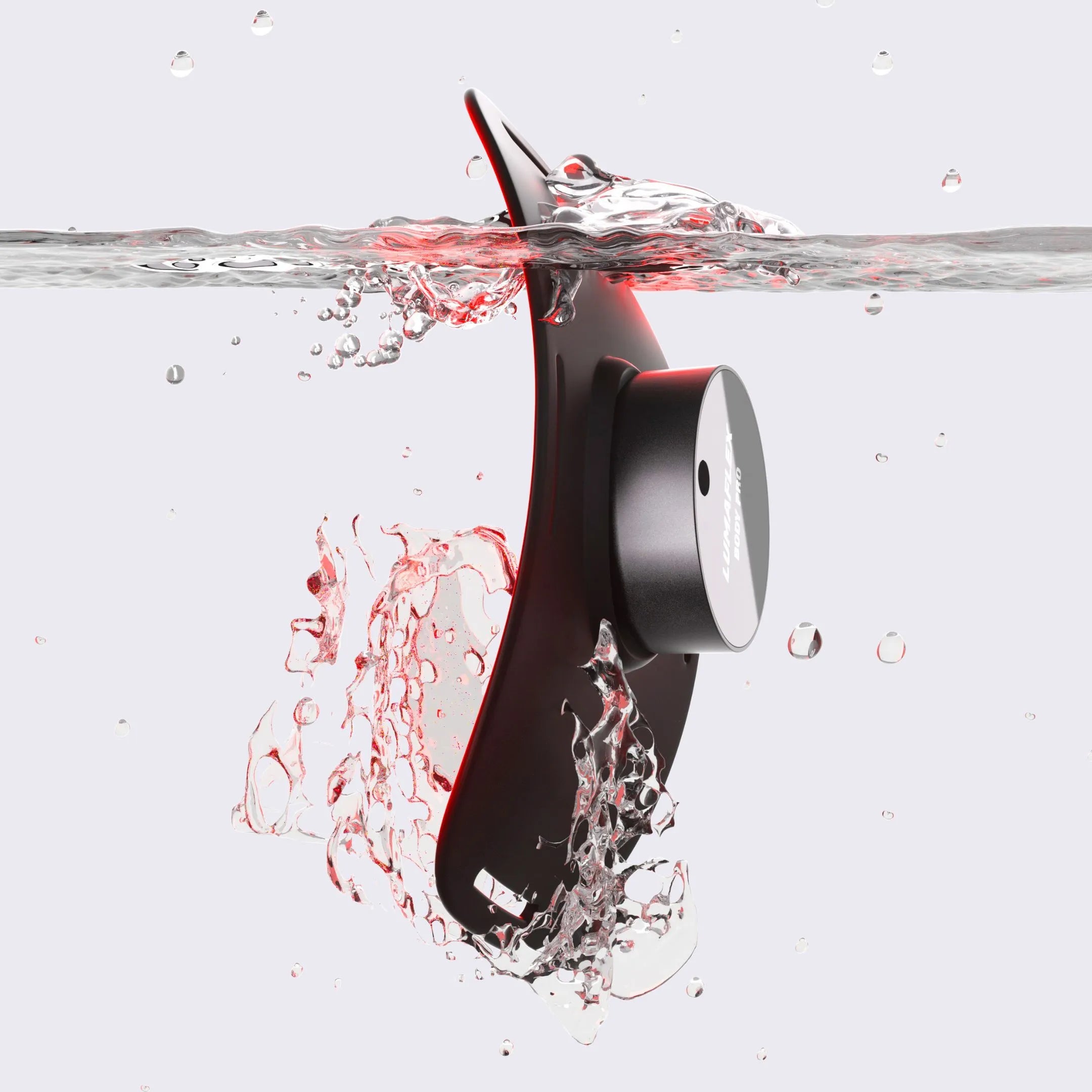
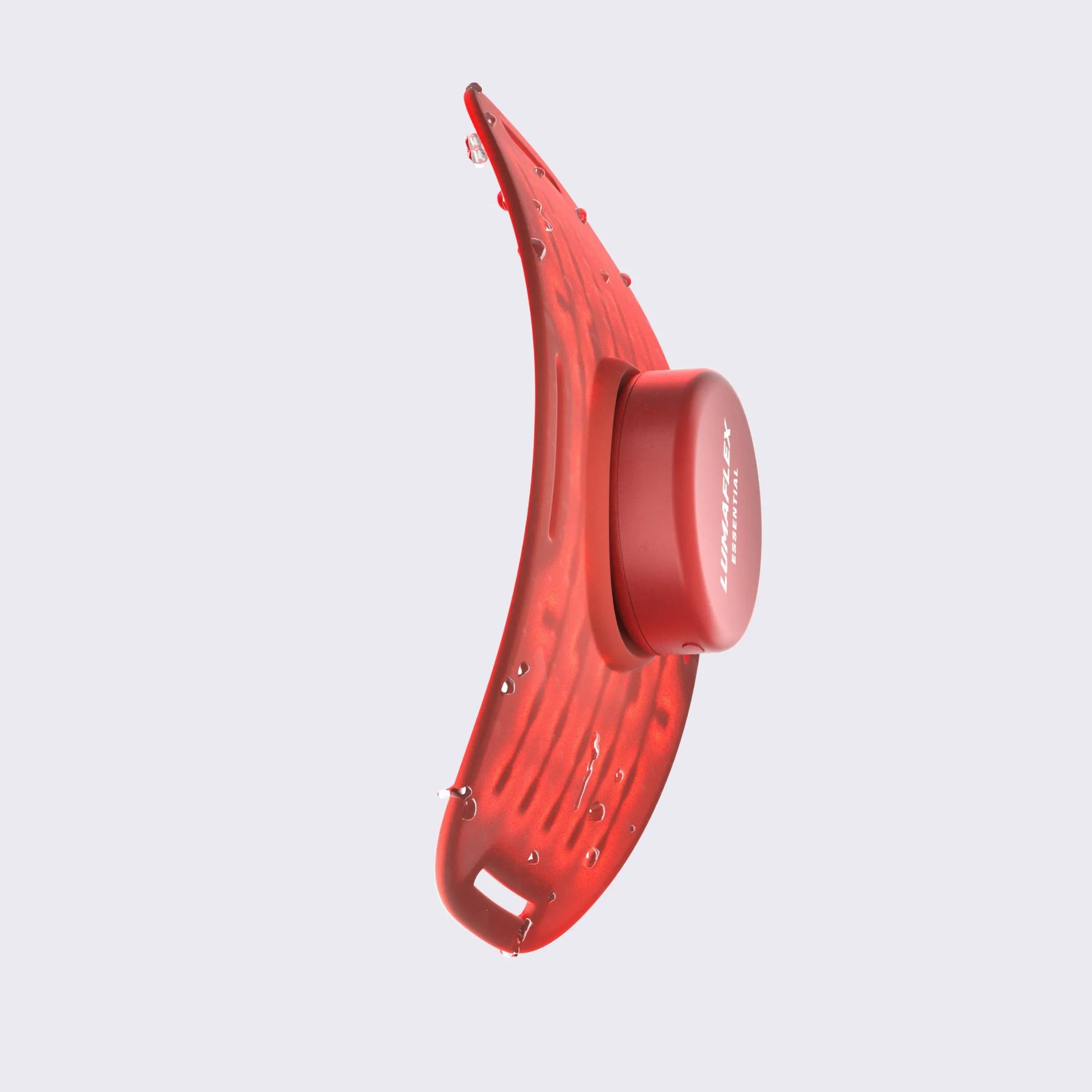
The original Forbes article discusses workplace lighting and access to red light therapy as possible additions to an employee wellness program.
John Graham Harper is CEO of Lumaflex, a company that provides red light therapy products. Employers considering this or any other wellness technology should review the available evidence, product safety, employee needs and relevant professional guidance.
Participation should be optional, and wellness services should not replace appropriate medical care.
Strengthen Team Connections
Team-building activities can help colleagues develop stronger relationships outside their normal responsibilities. Workshops, volunteering projects, outdoor activities and informal gatherings can all encourage communication and cooperation.
The best activities are inclusive and relevant to the team. Employers should consider differences in physical ability, location, schedules and personal preferences when planning them.
Creative areas, flexible seating and opportunities for informal collaboration may also help employees feel more connected to their workplace.
Make Well-Being Part Of The Culture
A supportive workspace is created through more than furniture or a single wellness initiative. It depends on everyday leadership, communication and policies that show employees their health and well-being are valued.
Leaders can begin by gathering employee feedback, identifying the most common challenges and introducing a small number of practical improvements. Reviewing participation and feedback over time will help the organization develop a program that genuinely supports its team.
This article is intended for general informational purposes only and does not constitute medical advice, diagnosis or treatment.
Read the original article on Forbes
Originally published by Forbes Business Council on December 20, 2023.