Cold Sore Scars: How Red Light Therapy May Help Fade Them

Fade and Heal Cold Sore Scars with Red Light Therapy
Cold sore scars can stick around after the sore itself is gone. You may notice a red or pink mark on your lip, darker discoloration, or a slight change in the skin's texture. In some cases, the mark fades on its own. In others, it can take much longer to disappear.
Not every mark left after a cold sore is a true scar. Redness and discoloration can linger as the skin continues to recover, while deeper damage may leave a change in texture. Picking at a sore or repeatedly irritating the area can also make the mark more noticeable.
Red light therapy is one option people use to support skin recovery. Research on photobiomodulation suggests that red and near-infrared light can affect processes involved in tissue repair, collagen production, and inflammation. However, there is limited research specifically on using red light therapy to fade established cold sore scars.
If a cold sore has healed but the mark it left behind has not, it helps to know what you are looking at and what options may be worth considering.
Table of contents
What Are Cold Sore Scars?
A cold sore can leave a mark behind even after the blister and scab have healed. The area may look red, pink, or darker than the surrounding skin. In some cases, the skin may also have a slight change in texture.
Not every mark left after a cold sore is a true scar. Redness or discoloration can linger while the skin continues to recover, while deeper damage may lead to a lasting change in the skin's structure. A cold sore mark may appear as:
- Discoloration: Pink, red, or brown areas that remain after the sore has healed.
- Textural changes: Small indentations or uneven areas where the skin has been affected more deeply.
- Persistent sensitivity: Dryness, tightness, or tenderness that remains after the outbreak has cleared.
How long a mark lasts can vary. Some redness or discoloration gradually fades as the skin recovers, while changes in texture may take longer to improve.
Picking or scratching at a cold sore can interfere with healing and may increase the chance of a lasting mark. Repeated outbreaks in the same area can also expose the skin to repeated irritation.
How Cold Sore Scars Form and Why They Persist
A cold sore usually goes through several stages, starting with tingling or irritation, followed by a blister, an open sore, and finally a scab as the skin heals. Most of the time, the area gradually returns to its usual appearance. If the skin is damaged more deeply or healing is disrupted, a mark may remain.
Several factors can affect how the skin looks after a cold sore:
- Picking or scratching at the scab can interfere with healing and increase the risk of irritation or infection.
- A secondary bacterial infection can cause additional inflammation and tissue damage.
- Repeated outbreaks in the same area can expose the skin to repeated injury and inflammation.
- Prolonged inflammation can affect the way the skin repairs itself and may contribute to lingering redness or changes in texture.
- Individual differences in healing can influence how quickly the skin returns to its usual appearance.
Marks around the lips can also take time to fade because the area is frequently exposed to movement and irritation from talking, eating, and everyday facial expressions. What looks like a scar may also be lingering redness or discoloration that gradually becomes less noticeable as the skin continues to recover.
The healing process can take time, especially when the skin has experienced repeated irritation or deeper injury.

How Collagen and Inflammation Affect Scar Healing
Collagen plays an important role in how skin repairs itself after an injury. It is the main structural protein in the skin and helps give healed tissue its strength and shape. During wound healing, cells called fibroblasts produce collagen as the damaged area begins to repair.
The way the skin heals can affect how a mark looks afterward. Depending on the depth of the injury and the healing process, you may notice:
- Discoloration: Red, pink, or darker areas can remain after the cold sore has healed.
- Changes in texture: Deeper damage can sometimes leave an area that looks slightly raised, indented, or uneven.
- Ongoing irritation: The skin may remain dry, sensitive, or irritated while it continues to recover.
Inflammation is also part of normal wound healing. It helps the body respond to damaged tissue and begin the repair process. When inflammation continues for longer than expected, however, it can contribute to redness and changes in the way the skin heals.
The skin around the lips also experiences frequent movement throughout the day. Talking, eating, and facial expressions can expose a healing area to repeated movement and irritation, which may make a lingering mark more noticeable.
Red Light Therapy for Cold Sore Scars: How It Works
Red light therapy, also called photobiomodulation, uses specific wavelengths of light to interact with cells in the body. Red wavelengths such as 630 and 660 nanometers are commonly used in skin-focused light therapy.
One proposed mechanism involves the mitochondria, which produce ATP, a form of energy cells use to carry out their normal functions. Research suggests that exposure to certain wavelengths of light can influence cellular activity and processes involved in tissue repair, including collagen production and inflammation.
That does not mean red light therapy will remove a cold sore scar or make it disappear. Research specifically on established cold sore scars is limited. Much of the interest in this application comes from research on wound healing, skin repair, and other types of scars.
For someone with a healed cold sore that has left a lingering mark, the potential role of red light therapy is therefore best understood as support for the skin's normal recovery processes rather than a guaranteed way to erase a scar.
How Red Light Therapy Supports Collagen and Cell Repair
Collagen gives skin much of its structure and strength, so it plays an important role in the repair of damaged skin. Research on photobiomodulation suggests that red light can influence fibroblast activity and other cellular processes involved in collagen production and tissue repair.
Red light therapy may also affect inflammatory and cellular processes involved in skin recovery. These effects are part of the reason photobiomodulation has been studied for wound healing and other skin concerns. However, research on these mechanisms does not establish that red light therapy will remove or significantly fade an established cold sore scar.
The evidence is still developing, particularly for scars caused by cold sores. Results from studies of other types of wounds or scars cannot automatically be applied to cold sore scars.
Evidence from Clinical Research
Studies on photobiomodulation and wound healing have reported effects on processes such as collagen production, inflammation, and tissue repair. Results vary across studies, however, based on factors such as the condition being treated, light wavelength, dose, and treatment protocol.
A 2013 study published in Clinical and Experimental Dermatology looked at light therapy for herpes simplex lesions. Early treatment was associated with a shorter healing time and improvements in the appearance of the skin after the lesions closed.
The study looked at active herpes simplex lesions, not scars that remained after healing. So while the findings are relevant to cold sore recovery, they do not show that red light therapy can remove or fade an established cold sore scar.
Research specifically on cold sore scars is limited. More clinical studies are needed to determine whether photobiomodulation can improve the appearance or texture of scars left behind after an outbreak.

Lumaflex Devices for At-Home Skin Recovery
Lumaflex offers several red light therapy devices designed for at-home use. For a cold sore mark or scar, a device that provides convenient coverage of the face or a small treatment area may be the most practical choice.
Lumaflex Essential
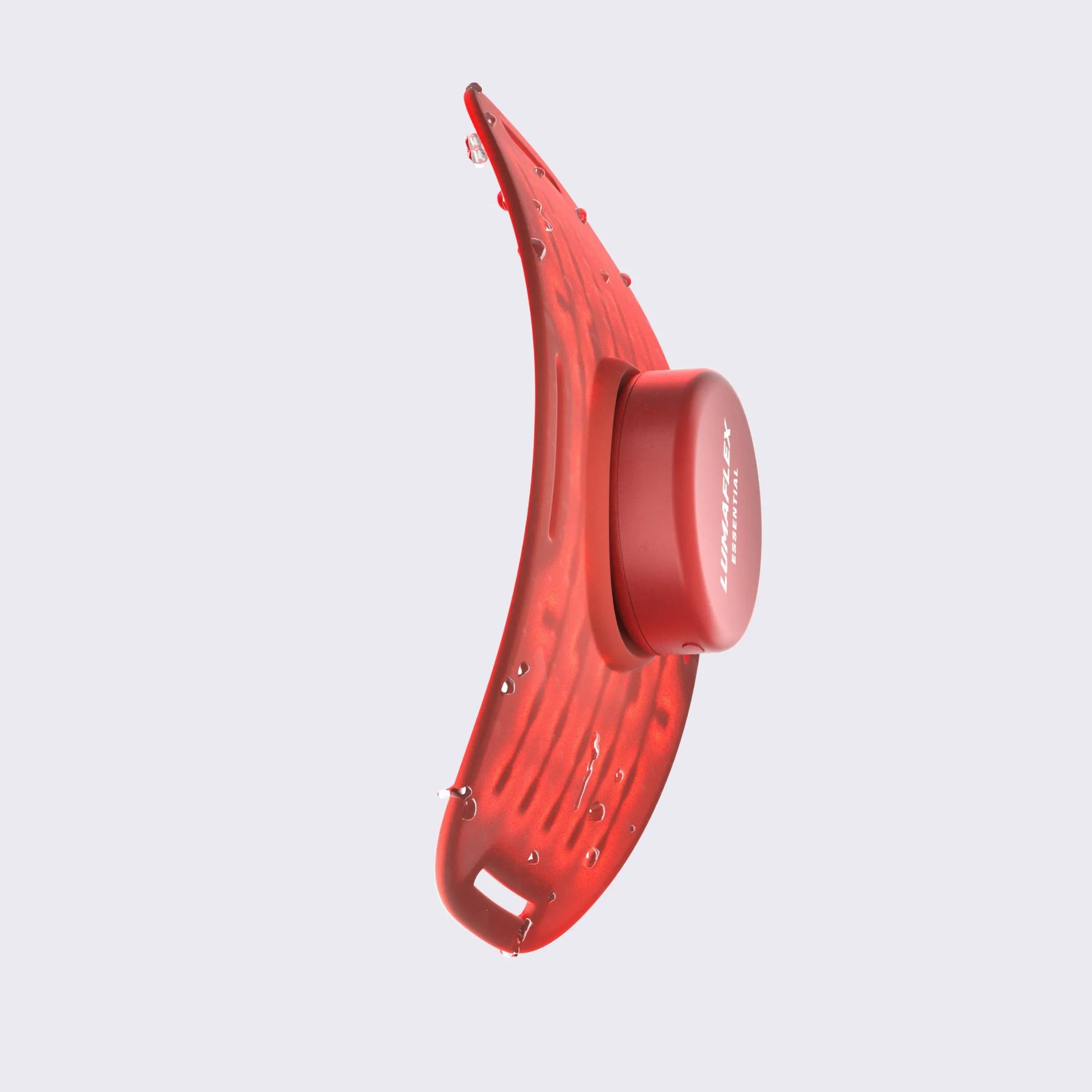
The Lumaflex Essential is designed for targeted treatment and uses 630 nm and 850 nm wavelengths. Its compact design makes it suitable for smaller areas of the face..
Lumaflex Essential Pro
The Essential Pro offers six wavelengths, including 630 nm, 660 nm, 810 nm, 850 nm, 904 nm, and 1064 nm. It provides broader treatment options for people who want a more versatile device.
Lumaflex Radiate Mask
The Radiate Mask is designed specifically for facial use. Its flexible design provides light coverage across the face and can be used as part of a regular skincare routine.
The best device depends on the area being treated and how you plan to use it. Product specifications and recommended treatment settings should always be followed as provided by Lumaflex.

How to Use Red Light Therapy for Cold Sore Scars
Once a cold sore has completely healed, red light therapy can be incorporated into a regular skincare routine. The goal is to treat intact skin rather than an active blister, open sore, or scab. The following steps outline when and how to use red light therapy devices for the best results.
1. Wait Until the Skin Has Healed
Wait until the cold sore has fully healed and there are no open areas, blisters, or scabs. A remaining mark or change in texture can then be treated as part of your normal skincare routine. Red light therapy supports repair, not active sores.
2. Clean the Area
Gently cleanse the skin with a mild, non-stripping cleanser and pat dry. Avoid using oils or heavy creams before the session so the light can penetrate effectively.
3. Choose the Right Red Light Therapy Device
Each Lumaflex model serves a different purpose.
Lumaflex Essential
Designed for targeted care. It uses dual wavelengths (630 and 850 nanometers) to stimulate collagen and improve circulation in smaller areas such as around the lips, cheeks, or jawline. Its compact design makes it ideal for localized concerns like cold sore scars, fine lines, or minor discoloration.Lumaflex Essential Pro
Offers six therapeutic wavelengths (630, 660, 810, 850, 904, and 1064 nanometers). This model suits users managing recurring outbreaks or larger zones of post-inflammatory marks. Adjustable session settings and a more powerful LED array allow for customized energy delivery based on skin type.Lumaflex Body Pro
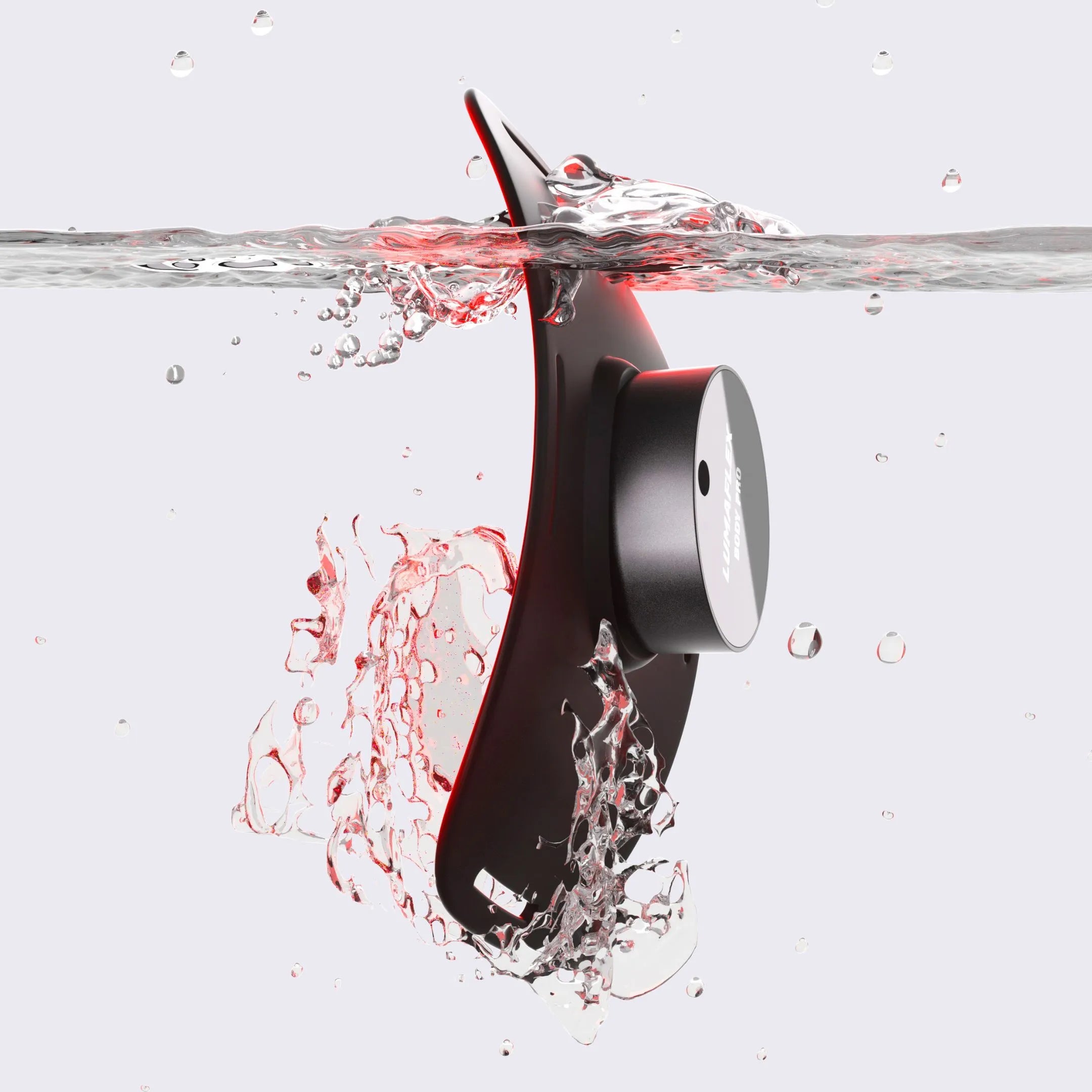
Designed for use beyond the face. It provides wide coverage for the neck, chest, or upper body using the same therapeutic wavelengths. The Body Pro is waterproof and app-supported, making it easy to integrate into a broader skincare routine. Regular use helps calm inflammation and support overall skin balance.Lumaflex Radiate Mask
The Radiate Mask focuses on full facial rejuvenation and scar recovery. It combines 630 nm and 660 nm light with pulse settings between 10 and 30 hertz, helping activate cell repair while maintaining comfort. Its flexible silicone design ensures even coverage around sensitive areas like the lips, where scars often form.
4. Follow the Recommended Treatment Schedule
Start with 10–15 minute sessions, three to five times per week. Give your skin a day between sessions to recover. Over time, you can adjust based on comfort and results.
5. Protect the Skin
Apply a light, fragrance-free moisturizer.
Use sunscreen daily to prevent discoloration.
Stay hydrated to support collagen renewal.
6. Give the Skin Time
Most users notice visible improvement in four to eight weeks. The skin tone becomes more even, texture smooths, and discoloration fades gradually.
FAQs About Red Light Therapy and Cold Sore Scars
What causes cold sore scars?
Cold sore scars form when the herpes simplex virus damages skin tissue during repeated outbreaks. If inflammation is severe or healing is interrupted, collagen becomes uneven, leaving behind dark spots, redness, or slight depressions in the skin.
Can red light therapy help fade these scars?
Yes. Red light therapy encourages cell repair and balanced collagen production. By improving circulation and calming inflammation, it helps the skin rebuild more evenly and fade discoloration over time.
Is it safe to use red light therapy on the face?
It is safe when used according to manufacturer guidance. Lumaflex devices use non-UV wavelengths that do not burn or damage the skin. Always start with shorter sessions and avoid using the device on open or active sores.
How long does it take to see results?
Results vary by skin type and scar depth. Most users notice smoother texture and less redness after four to eight weeks of consistent treatment. Continued use supports gradual fading of long-standing marks.
Can I use red light therapy while taking antiviral medication?
Yes. Red light therapy complements antiviral treatment by supporting tissue healing after outbreaks. It does not interfere with medications and can be part of a combined recovery plan.
Which Lumaflex device is best for cold sore scars?
For localized scarring around the lips or jawline, the Lumaflex Essential is often the most convenient. If you experience frequent outbreaks or wider areas of post-inflammatory marks, the Essential Pro provides more wavelength options. For overall facial healing, the Radiate Mask offers even light distribution.
Can red light therapy prevent new scars from forming?
When used after a healed outbreak, it can help reduce inflammation and speed repair, which lowers the likelihood of scarring. Consistent use strengthens skin structure and resilience.
Are there side effects?
Mild warmth or temporary redness may occur after treatment, but this typically fades within minutes. If irritation persists, pause use and allow the skin to rest before resuming.
Related Readings
- Red Light Therapy for Atrophic Scars: Effective Solutions for Your Skin Health Goals
- Red Light Therapy Devices for Face: Cost vs. Professional Treatments (Is At-Home Worth It
- Transform Your Skin: Red Light Therapy Before and After
- Red Light Therapy Results for Skin: Complete Benefits Guide
- Myth-Busting: Can Red Light Therapy Tan Your Skin?
- Light Therapy for Anti-Aging: A Study on Red & Near-Infrared Efficacy, Patient Satisfaction, and Skin Texture
- Step by Step: How to Use Red Light Therapy for Bruises
- Red Light Therapy for Skin, Pain, and Hair: How Long Will It Take to Notice Changes?