How Home-Based Photobiomodulation May Support Recovery from Cervical Radiculopathy

How Home-Based Photobiomodulation May Support Recovery from Cervical Radiculopathy: A Real Case Report
Cervical radiculopathy can take months to resolve, and many patients cannot get to a clinic often enough to keep up with a full rehabilitation schedule. This case report follows a 60-year-old woman with MRI-confirmed cervical radiculopathy who used a home photobiomodulation (PBM) device, the Lumaflex Essential Pro, twice daily for two weeks alongside physician-guided care. It is a single patient case. The findings here describe what happened for this individual and cannot be generalized to everyone with cervical radiculopathy.
- How Home-Based Photobiomodulation May Support Recovery from Cervical Radiculopathy: A Real Case Report
- What Is Cervical Radiculopathy?
- Why Long-Term Rehabilitation Matters
- Case Report Overview
- Home PBM Rehabilitation Protocol
- Results After Two Weeks
- How Photobiomodulation May Support Recovery
- Key Takeaways
- Frequently asked questions (FAQs)
- Where This Leaves Patients and Clinicians
- References
What Is Cervical Radiculopathy?
Cervical radiculopathy occurs when a nerve root in the neck becomes irritated or compressed, causing neck pain, shoulder pain, arm pain, numbness, tingling, or weakness. The symptoms often follow the path of the affected nerve, which is why pain in the neck can radiate down into the shoulder, forearm, or hand.
The condition is usually linked to degenerative changes in the cervical spine, including:
- Loss of the spine's normal curvature
- Bone spurs (osteophytes) at the vertebral margins
- Reduced disc height and hydration
- Disc bulging or protrusion that presses on a nerve root or the dural sac

Diagnosis typically combines a clinical exam with imaging. An MRI can show which disc levels are affected and whether the spinal cord itself is compromised, which matters for treatment planning. In this case, MRI findings showed disc bulging at C3/4 and central posterior protrusions at C4/5, C5/6, and C6/7, without spinal canal stenosis or spinal cord signal changes.
Recovery timelines vary widely. Some people improve within weeks. Others deal with recurring symptoms for months, particularly when daily activities keep placing load on the neck. Nerve tissue heals more slowly than skin or muscle, so patience and consistency tend to matter more than intensity of treatment.
Why Long-Term Rehabilitation Matters
Cervical radiculopathy is rarely just a mechanical problem. Compression may start the process, but recovery depends on what happens in the tissue afterward.
When a nerve root is irritated over time, several things can happen at once:
- Local inflammation increases
- Pain sensitivity rises as nerves become sensitized
- Microcirculation to the area decreases
- Cellular energy metabolism slows, partly due to reduced mitochondrial output
- The nerve's own capacity for repair declines
This is one reason some patients still have lingering pain, numbness, or slow functional recovery even after the initial mechanical stress has eased. Reducing compression alone does not always resolve the downstream biological changes.
Rehabilitation that only happens once or twice a week at a clinic can struggle to keep pace with a process that requires ongoing input. Muscle guarding around the neck and shoulder, a protective tightening that develops in response to pain, can also persist between sessions if nothing addresses it in the interim. Consistency, not just intensity, is often what determines whether a patient stays on a recovery trajectory or plateaus.
This is the gap that home-based rehabilitation tools are intended to help close, not by replacing clinical care, but by extending it into the time between appointments.
Case Report Overview

Patient: A 60-year-old woman with several months of recurring neck and shoulder pain, along with radiating soreness and discomfort into the upper limb. Symptoms worsened after housework, lifting, or holding a fixed posture, and eased somewhat with rest.
Access barrier: Limited transportation made regular in-person rehabilitation visits impractical, which is why a home-based option was considered.
MRI findings: Straightening of the cervical curvature, osteophyte formation, reduced disc signal intensity, a C3/4 disc bulge, and central posterior protrusions at C4/5, C5/6, and C6/7 compressing the dural sac. No spinal canal stenosis and no abnormal spinal cord signal.
Clinical diagnosis: Degenerative cervical spondylosis with cervical nerve root-related symptoms.
Treatment goal: The rehabilitation physician was clear that PBM was not intended to reverse the structural degeneration seen on imaging. The goal was to support the local tissue environment as part of a broader rehabilitation plan, with the aim of reducing radiating discomfort and improving daily function.
Home PBM Rehabilitation Protocol
The physician-guided protocol used in this case was straightforward:
| Parameter | Detail |
| Device | Lumaflex Essential Pro (multi-wavelength PBM) |
| Frequency | Twice daily (morning and evening) |
| Duration | 10 minutes per session |
| Target area | Cervical spine, neck and shoulder soft tissue, areas of radiating discomfort |
| Length of program | 2 weeks, continuous |
| Lifestyle adjustments | Reduced heavy lifting, avoided prolonged head-down posture, limited sustained neck loading |
This protocol reflects what was used and monitored in this specific case under physician guidance. It is not a general treatment recommendation, and anyone considering PBM for neck or nerve symptoms should have their condition evaluated by a qualified clinician first, since underlying causes of radiculopathy vary and some require different management entirely.

Results After Two Weeks
After roughly two weeks of twice-daily home PBM use, the patient reported the following changes:
- Radiating soreness in the upper limb was significantly reduced
- Discomfort after housework decreased, with only occasional mild symptoms
- Daily activity tolerance improved
- Hand function returned to a level consistent with normal daily use
- No skin irritation or other adverse reactions were reported
In her own words, recorded during follow-up:
"Now my hands are no longer sore and swollen. I only feel a little uncomfortable occasionally when doing housework, but it's generally fine. I'm not doing any heavy work with my hands now."

The physician noted good adherence and high acceptance of the home-based approach, and recommended the patient continue the same twice-daily routine while recovery was monitored over a longer period.
Limitations worth stating plainly: This is a single patient observed over a short window. There was no control group, no blinding, and no way to isolate how much of the improvement came from PBM specifically versus the accompanying activity modifications, natural symptom fluctuation, or the passage of time. Case reports like this one are useful for generating questions and observing real-world use, not for establishing that a treatment works across a population.
How Photobiomodulation May Support Recovery
Photobiomodulation (PBM) is a non-invasive therapy that uses specific wavelengths of red and near-infrared light to influence cellular processes involved in energy production, circulation, and inflammation regulation. It does not physically decompress a nerve or reverse disc degeneration. Instead, research suggests it may influence the biological environment around injured or irritated tissue.
The mechanism most frequently discussed in the literature involves cytochrome c oxidase, an enzyme in the mitochondrial respiratory chain. Red and near-infrared light is absorbed by this enzyme, and this interaction is thought to support mitochondrial function and increase ATP (cellular energy) production. Because nerve cells are especially energy-dependent, particularly under stress or during repair, this pathway is one reason PBM has drawn interest in neurological and musculoskeletal recovery contexts.

Beyond cellular energy metabolism, PBM has been studied for several related effects:
- Circulation: PBM may influence nitric oxide release, which plays a role in vasodilation and could support blood flow and oxygen delivery to affected tissue.
- Oxidative stress: PBM is thought to help modulate reactive oxygen species (ROS) levels, keeping them in a range associated with normal cell signaling rather than excessive oxidative stress.
- Inflammation: Some research indicates PBM may help regulate inflammatory pathways, which is relevant given that chronic inflammation is one factor that can slow nerve-related recovery.
It's worth separating what is established from what is still emerging. The cellular mechanisms above, particularly the role of cytochrome c oxidase in low-level light therapy, are supported by a reasonably mature body of laboratory and clinical research. How well these mechanisms translate into consistent, measurable outcomes for cervical radiculopathy specifically is a much newer and less settled area, with far fewer controlled trials. Broader applications, such as transcranial PBM for cognitive or neurological support, are active research areas but fall outside what this case can speak to.
Two recent controlled trials add useful context, though neither examined cervical radiculopathy directly. A 2022 double-blind randomized controlled trial found low-level laser therapy was an effective adjunct to physical therapy for discogenic lumbar radiculopathy, a nerve root condition in the lower back with a similar underlying profile to cervical radiculopathy. A separate 2022 randomized trial comparing low-level laser therapy to a sham laser found benefits for nonspecific chronic neck pain, though that study did not require confirmed nerve root involvement. Together, these trials support PBM's relevance to spinal nerve pain and general neck pain as related but distinct conditions. Neither substitutes for a controlled trial in cervical radiculopathy specifically, which remains an evidence gap this case report cannot fill.
Why Multiple Wavelengths Were Used in This Case
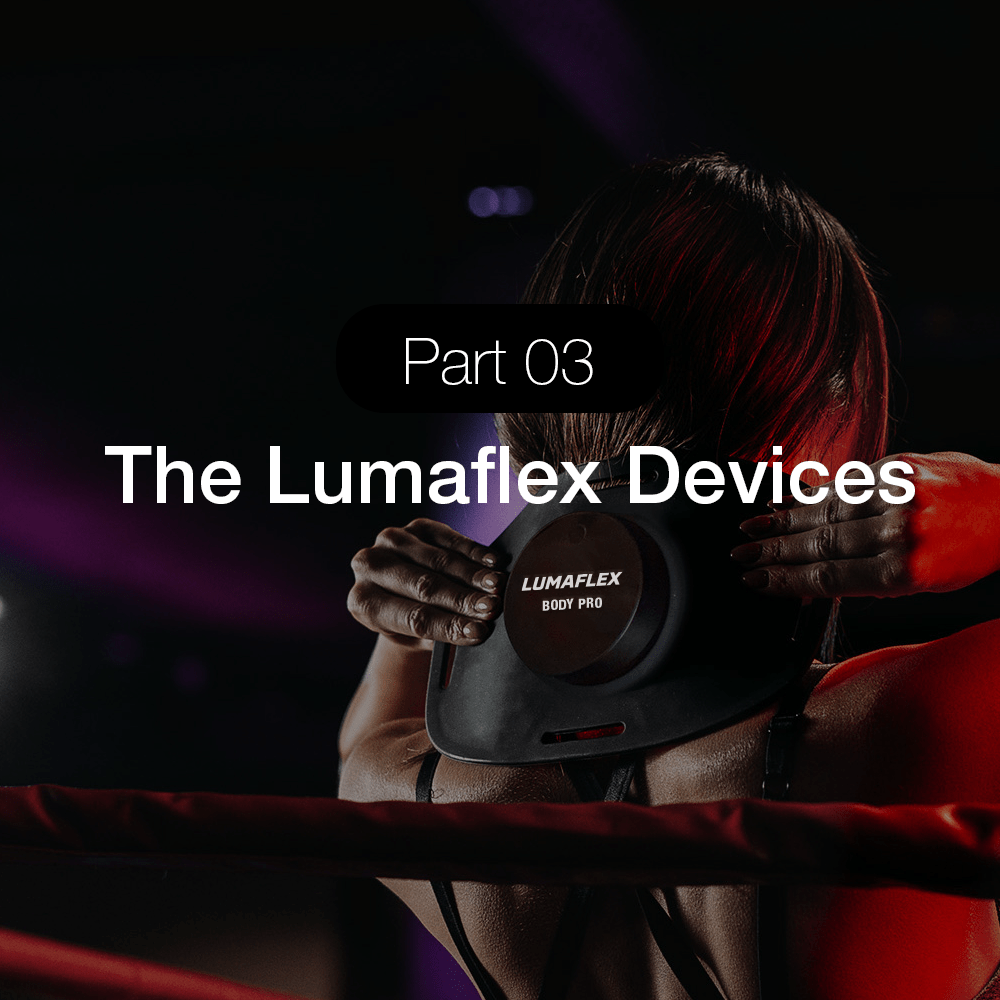
The device used in this case combines six wavelengths (630nm, 660nm, 810nm, 850nm, 904nm, and 1064nm), each associated with different tissue penetration depths and biological targets:
| Wavelength | Associated Focus |
| 630nm | Superficial skin and capillary circulation |
| 660nm | Strong cytochrome c oxidase absorption, cellular energy metabolism |
| 810nm | Commonly studied in nerve-focused PBM research |
| 850nm | Deeper tissue circulation and chronic inflammation support |
| 904nm | Deeper tissue and pain-related applications, often pulsed |
| 1064nm | Deeper penetration into muscle, fascia, and nerve-adjacent tissue |
The rationale for combining wavelengths is that cervical radiculopathy rarely involves a single tissue layer. This patient had superficial soft tissue tension, deeper muscular and fascial tightness, and nerve-related radiating symptoms simultaneously, which is the kind of presentation multi-wavelength devices are designed to address across depths rather than at one target alone.
Key Takeaways
- Cervical radiculopathy involves both mechanical nerve compression and secondary biological changes, including inflammation and reduced tissue energy metabolism.
- Recovery is often slow, and consistent, ongoing rehabilitation tends to matter more than isolated high-intensity treatment sessions.
- In this single case, twice-daily home PBM over two weeks was associated with reduced radiating pain and improved daily function, alongside physician-guided activity modification.
- PBM is not a replacement for medical evaluation or treatment of structural spine issues. It was used here as an adjunct within a broader rehabilitation plan.
- Home-based rehabilitation tools may help patients maintain consistency when frequent clinic visits are not practical, though this benefit needs to be weighed against each patient's specific diagnosis and clinical guidance.
Frequently asked questions (FAQs)
What is cervical radiculopathy?
Cervical radiculopathy is a condition in which one or more nerve roots in the neck become irritated or compressed, causing neck pain, arm pain, numbness, tingling, or weakness.
What is photobiomodulation?
Photobiomodulation (PBM) is a non-invasive therapy that uses red and near-infrared light to stimulate cellular processes involved in tissue repair, inflammation regulation, and energy production.
Can photobiomodulation help cervical radiculopathy?
Research on PBM's cellular mechanisms, such as its effect on mitochondrial function and inflammation, provides a plausible basis for its use as an adjunct in nerve-related recovery. Evidence specific to cervical radiculopathy is still limited, and this case report describes one patient's experience rather than a proven treatment effect.
Is there evidence supporting PBM?
Yes, for its general cellular mechanisms, which are supported by laboratory and clinical research in areas like tissue repair and inflammation. Evidence for cervical radiculopathy specifically is still emerging and is not yet supported by large controlled trials.
Can PBM be used at home?
In this case, PBM was used at home under a rehabilitation physician's guidance, with a defined protocol and clear goals. Home use should follow a proper clinical evaluation rather than self-directed treatment for undiagnosed symptoms.
How often should PBM be used?
In this specific case, the protocol was twice daily for 10 minutes over two weeks. This reflects what was used and monitored for this patient, not a general recommendation for all cases of cervical radiculopathy.
Is PBM a replacement for medical treatment?
No. PBM was used as an adjunct to physician-guided care in this case, not as a substitute for medical evaluation or treatment of structural spine conditions.
What happened in this case?
A 60-year-old woman with MRI-confirmed cervical radiculopathy used home PBM twice daily for two weeks alongside activity modifications. She reported reduced radiating arm pain, less discomfort after housework, and improved daily function, with no adverse reactions.
Where This Leaves Patients and Clinicians
This case does not establish that PBM treats cervical radiculopathy. What it offers is a documented example of how a home-based adjunct tool was integrated into a physician-guided rehabilitation plan for one patient with a confirmed diagnosis, and what that patient reported afterward. For patients weighing rehabilitation options, and for clinicians considering how home-based tools might fit into a broader plan, that combination of MRI-confirmed diagnosis, defined protocol, and physician oversight is what distinguishes a case report like this from anecdotal use. Any decision about incorporating PBM into a treatment plan should start with a proper diagnostic workup and ongoing clinical guidance, since the underlying causes of neck and nerve symptoms vary considerably from one patient to the next.
References
- Chung H, Dai T, Sharma SK, Huang YY, Carroll JD, Hamblin MR. The nuts and bolts of low-level laser (light) therapy. Annals of Biomedical Engineering. 2012;40(2):516-533.
- Hamblin MR. Mechanisms and applications of the anti-inflammatory effects of photobiomodulation. AIMS Biophysics. 2017;4(3):337-361.
- Hamblin MR. Photobiomodulation for traumatic brain injury and stroke. Journal of Neuroscience Research. 2018;96(4):731-743.
- Salehpour F, Gholipour-Khalili S, Farajdokht F, et al. Near-infrared photobiomodulation combined with coenzyme Q10 for neurological disorders: a review of potential mechanisms. Frontiers in Neuroscience. 2018;12:883.
- Radhakrishnan R, Moore SA, Sluka KA. Unilateral spinal nerve ligation produces chronic changes in dorsal root axons, sodium channels, and norepinephrine levels in spinal cord. Pain. 2003;106(1-2):193-202.
- Iyer S, Kim HJ. Cervical radiculopathy. Current Reviews in Musculoskeletal Medicine. 2016;9(3):272-280.
- Ahmed I, Bandpei MAM, Gilani SA, Ahmad A, Zaidi F. Effectiveness of low-level laser therapy in patients with discogenic lumbar radiculopathy: a double-blind randomized controlled trial. Journal of Healthcare Engineering. 2022;2022:6437523.
- Momenzadeh S, Zali A, Razzaghi Z, Momenzadeh F, Mirkheshti A, Sayadi S, Teymourian H, Momenzadeh R. Efficacy of low-level laser therapy for the treatment of nonspecific chronic neck pain: low-level laser therapy vs. sham laser. Journal of Lasers in Medical Sciences. 2022;13:e74.