Red Light Therapy for Nerve Recovery After Surgery
Red Light Therapy for Nerve Recovery After Surgery: How one patient used photobiomodulation therapy to bridge the gap between hospital rehab and full hand function recovery

The strange thing about nerve injury surgery is that the surgery itself is rarely the hardest part.
The real challenge lies in the days and weeks afterward, when numbness persists, when the hand that once had movement cannot anymore, and when the security of the hospital seems suddenly a memory. The surgery site begins to heal. Discharge papers get filled out. In the midst of these tasks, the same thought becomes more and more clear: What do I do next?
Most leave hospitals after having been advised to rest, reduce any strain on their hand, and return to be examined in a few weeks. But what most do not have is an organized approach to managing the months of nerve healing to come. All the therapy at the hospital, all the regular manual therapy, physical therapy, and the visible progress towards improvement disappears. At-home care is left to be trial-and-error.
This gap even has a name. It’s what some clinicians refer to as the "rehabilitation cliff." For people who have gone through surgery to repair nerve injuries, it is one of the least talked about factors predicting their future success.
- 1. What nerve damage surgery actually leaves behind
- 2. When Patient Wang left the hospital
- 3. Red Light Therapy for Nerve Recovery After Surgery: A home plan that looked almost too simple
- 4. What actually changed
- 5. Why light can reach where other therapies can't
- 6. What the clinical research says
- 7. Why home consistency matters more than most people realize
- 8. Frequently asked questions (FAQs)
- 9. A note on what this is, and what it isn't
- 10. References
What nerve damage surgery actually leaves behind
Nerve repair surgery, whether due to trauma, laceration, or compression, solves the problem of the nerve structure, re-connecting, grafting, or decompressing the problematic nerve. However, nerve healing after surgical intervention is, by its very nature, a slow process. The growth of new axons, through which damaged nerves are repaired, occurs at about 1mm per day. In cases of nerve damage to the hand and forearm, complete healing can take up to one to one and a half years.
During that window, three problems tend to compound each other.

Firstly, limited motor abilities are observed. Movement of fingers, be it bending or stretching them, becomes difficult, even not possible at all. Fine motor skills, such as ability to grasp keys, fasten buttons on clothes, and write with a pencil or a pen, are severely damaged. Finally, grip strength requires coordination of several muscles; therefore, its recovery takes more time.
Secondly, there is scarring. Incisions close, yet the new skin created in the process of healing is different from the previous one. Hypertrophic scars, which are elevated, firm, and may appear darker than other skin areas, tend to grow around the incision. If no measures are taken, they may prevent movement of joints in terms of mechanics.
Thirdly, there is the phenomenon of rehabilitation cliff as such. In a healthcare setting, people get help, have special sessions aimed at regaining certain motor functions, see specialists daily, etc. Leaving the facility, they will be alone again; and most of them will lack knowledge and means to maintain their achievements.
This is where many nerve injury patients plateau, not because their recovery is complete, but because the support structure around it has been removed.
When Patient Wang left the hospital
The patient, Wang, was referred to the department of rehabilitation in Shenzhen University Hospital South China after surgical intervention to treat a rather complicated case involving injuries sustained in the ulnar, median, and radial nerves of the upper extremity.
Each nerve is responsible for a unique set of actions. The ulnar nerve is responsible for gripping and the delicate action of the hand muscles. The median nerve is responsible for the sensation in the majority of the hand's surface and the coordination of the thumb and first two fingers. The radial nerve is responsible for extending the fingers and the wrist. Thus, if all these nerves are injured together, the hand will be rendered incapable of several actions.
While Patient Wang was under observation in the hospital, she underwent full rehabilitation treatment including physiotherapy to keep her joints moving, exercise training to avoid muscle loss, and even more rigorous exercise to retrain muscle movements. Her development during this stage was tangible.
However, she was still far from recovering fully. Her fingers could not move well. She had scar tissue from surgery. And she was fully aware of what discharging from the hospital implied.
"During my hospital stay, I received manual therapy and physical therapy, which helped me progress quickly," she said. "After being discharged, I was on my own and was worried that my progress would stagnate."
This worry, known as the stagnation fear, is one of the most commonly reported postoperative concerns of the patients who have suffered peripheral nerve injury. This fear is rational enough because the reality of the rehabilitation cliff is well-known and without proper planning, recovery slows down.
Her rehabilitation physician suggested some means of dealing with the problem.


Red Light Therapy for Nerve Recovery After Surgery: A home plan that looked almost too simple
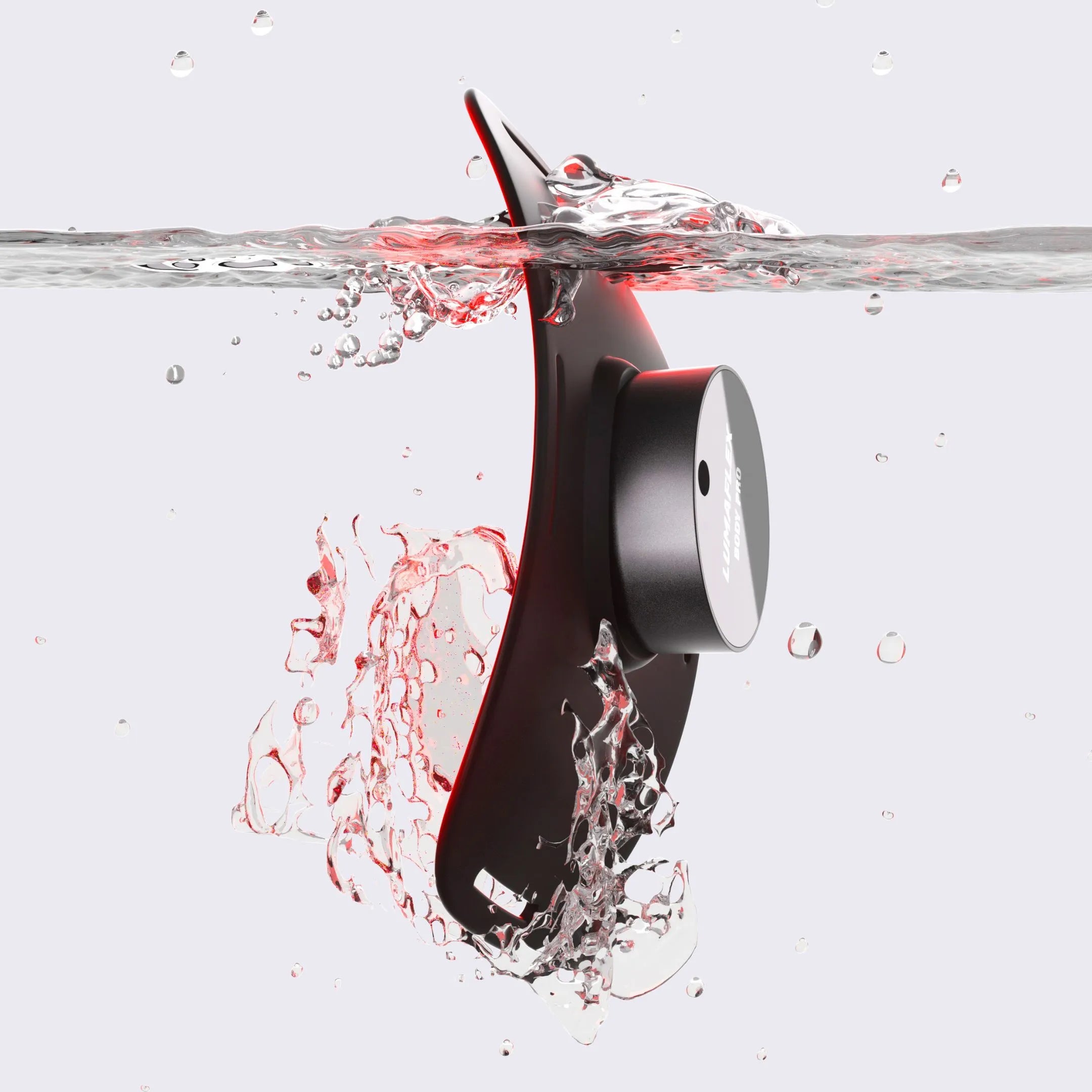
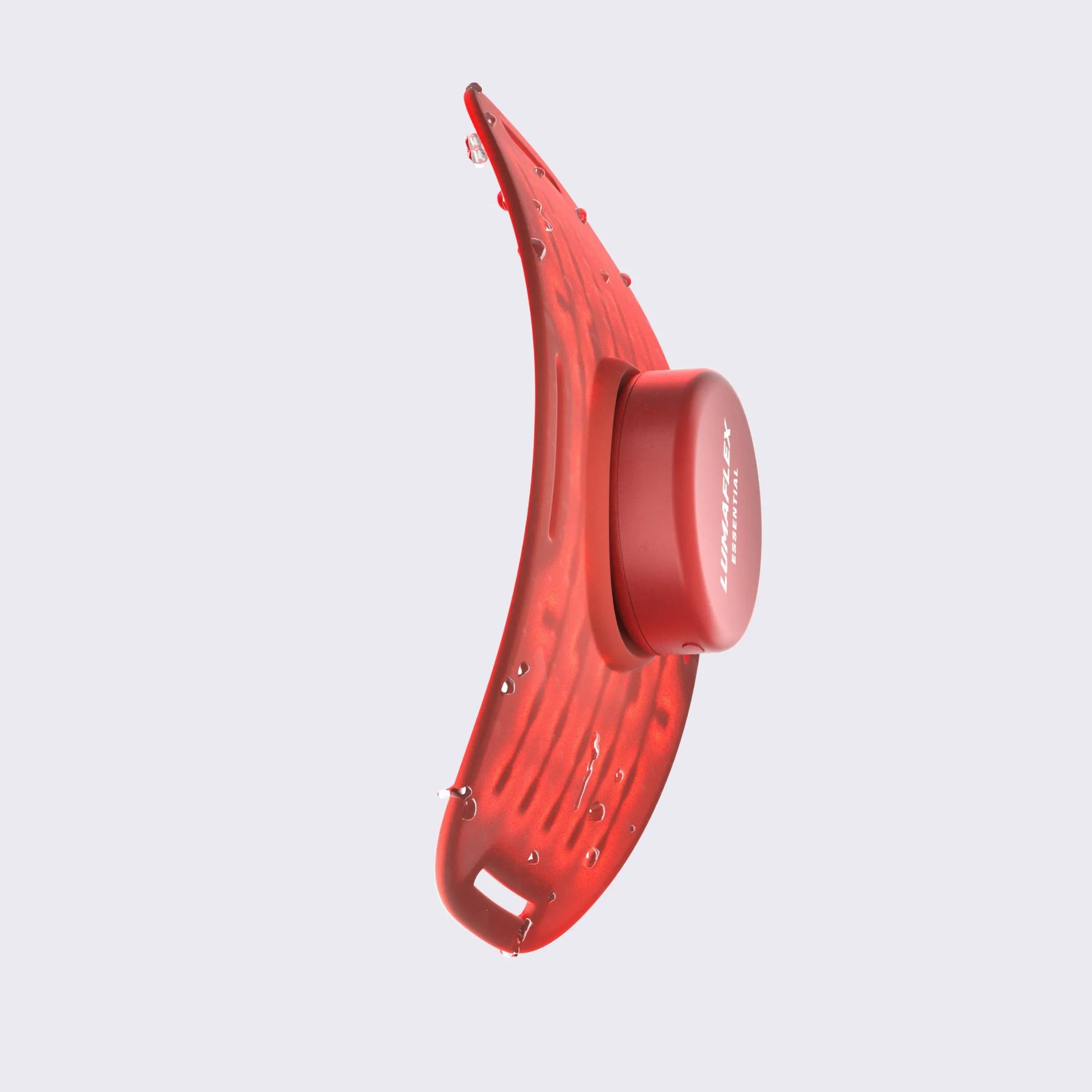
The device Patient Wang took home was the Lumaflex Essential Pro, a flexible photobiomodulation (PBM) panel cleared by the FDA and certified as a Class II medical device in China, with additional certifications across Europe and Canada. Her physician outlined a protocol that was simple enough to maintain daily without professional supervision.
Protocol:
- Application sites: the back and palm of the injured hand
- Frequency: once in the morning, once in the evening
- Session duration: 20 minutes
- Application method: direct skin contact
- Wavelengths emitted: 630nm, 660nm, 810nm, 850nm, 904nm, 1064nm

The simplicity is worth noting. One of the lesser discussed barriers to home rehabilitation is compliance, the tendency for structured protocols to fall apart when they require significant time, equipment, or expertise. Two 20-minute sessions a day is low friction by any standard. The flexible panel conforms to the contours of the hand, making it practical to use without assistance.
Patient Wang followed this protocol consistently over the following month. And the results were documented.
What actually changed
The results were measured based on the Vancouver Scar Scale (VSS), which is a clinically proven method to assess scar features through four parameters – pliability (flexibility/rigidity of the scar), height, vascularity (the presence of blood vessels and coloration), and pigmentation. The VSS is a clinically-proven method of assessment, and that is precisely what makes its findings in Patient Wang’s case significant.
Before undergoing the home photobiomodulation therapy session, her scar tissue was rated low for pliability when the tissue was touched by the finger; there was a noticeable resistance. The tissue was elevated and discolored.
Following a month of therapy, there were improvements in the appearance and feel of the scar tissue; specifically, the tissue was flatter and less vascular, with better pliability.
The findings on motor functions were just as unique. Before using the home program, Wang was unable to clench his fist. The bending and extending movements of the fingers were too restricted for him to be able to grasp anything. After the treatment was done, he could perform fine motor skills such as picking up tiny objects.
"After using the device every morning and evening, my fingers gradually regained movement, and the scars became less hard," she reported. "This device has truly been a great help."
This is something worth emphasizing: it involves the result achieved in just one known patient, observed through a medical procedure with a well-defined method. It does not involve a clinical trial. However, it did take place, and the results were measured. This gives it an edge over most of the stories circulating in this field.
Why light can reach where other therapies can't
Photobiomodulation (PBM) can be quite misunderstood. One of the biggest misconceptions is that PBM relies on the use of heat. In other words, PBM is considered to be like a high-tech heating therapy device, such as a heating pad or infrared light.
Photobiomodulation occurs via photon absorption on a cellular basis. Certain light wavelengths get absorbed by light-sensitive compounds called chromophores present in the mitochondria of cells. Cytochrome c oxidase is the main chromophore in photobiomodulation. By absorbing light at appropriate wavelengths, cytochrome c oxidase promotes ATP production. ATP is the basic energy molecule produced by cells. An increased ATP availability provides more material for regeneration and repair.
That's the base mechanism. But the downstream effects are what make PBM relevant to nerve injury specifically.

The wavelength-depth principle
Not all wavelengths exhibit the same behavior when penetrating into tissue. Light wavelengths ranging between 630 and 660nm will work mainly on the upper layers of the skin, such as the skin itself, fibroblasts, and the collagen layer of scars. Light wavelengths within the near-infrared range, at 810 and 1064nm, will work on deeper tissues, such as muscles, tendons, and nerves, because they are located in the deeper tissues below these tissues. The Lumaflex Essential Pro uses light in both ranges, hence its impact on both scar formation and motor function.
Red light therapy has generally been discussed in literature as a single entity without regard to the different wavelengths. The significance of the wavelength difference is practical. This is the basis for why a machine that encompasses both wavelength differences is more useful for nerve injuries.
What PBM does for damaged nerve tissue
Photobiomodulation will not reconnect broken nerves; nerve growth is an organic process that occurs independently of any treatment at a speed of around 1mm per day, which cannot be altered by any outside interference. The way photobiomodulation works is that it changes the microenvironment in which the nerves have to regenerate, eliminating certain hindrances in their path while protecting other tissues from harm.
Four mechanisms operate in parallel:
- Cytochrome c oxidase absorbs photons at the target wavelengths, driving increased ATP production in mitochondrial cells throughout the irradiated tissue. Elevated ATP supports the metabolically demanding process of axonal regrowth and helps maintain the viability of muscle fibers waiting for re-innervation.
- Nitric oxide, a signaling molecule, is released in response to near-infrared irradiation. It causes local vasodilation, widening of small blood vessels, which improves microcirculation in the injured tissue. Better circulation means more oxygen and nutrient delivery to the regenerating nerve and surrounding structures.
- Pro-inflammatory cytokines, specifically TNF-α and IL-6, which are elevated in the chronic post-surgical inflammatory state, are downregulated by PBM exposure. Chronic low-grade inflammation is one of the factors that slows nerve regeneration and maintains the pain signaling that persists after injury. Reducing it creates a quieter biochemical environment for recovery.
- On the scar side, PBM inhibits TGF-β1, a key driver of fibroblast proliferation and collagen overproduction. By modulating this pathway and the downstream Smad signaling cascade, it reduces the formation of excess fibrous tissue and encourages more organized, pliable scar remodeling.
You can't force a nerve to grow faster. But you can make sure the tissue surrounding it is as hospitable as possible while it does.
What the clinical research says
The evidence base for PBM in nerve regeneration is more substantial than most people realize, and it's worth being specific about what it shows.
A 2021 study published in Photochemistry and Photobiology (Della Santa et al.) examined the effects of 630nm LED photobiomodulation on median nerve injury in an animal model following axonotmesis, a type of nerve damage in which the axon is disrupted but the surrounding connective tissue structure remains. Compared to an injury-only control group, the phototherapy group showed significantly improved axonal diameter, myelin sheath thickness, and myelinated fiber count in both the proximal and distal nerve segments. Muscle fiber area and diameter were also greater in the treated group. The conclusion: the 630nm protocol was directly beneficial for axonal regeneration and muscle recovery following nerve injury.
That wavelength, 630nm, is one of six emitted by the Lumaflex Essential Pro.
In a 2020 systematic study conducted in the Journal of Lasers in Medical Sciences, Sasso et al. reviewed 19 studies out of 1,912 publications using PBM therapy on peripheral nerve injury in animals. Seventeen out of the total nineteen studies revealed positive impacts of PBM treatment. The most frequently used wavelength for all these studies is 660nm. According to the review, the mechanism underlying PBM's therapeutic impact includes its role in promoting neurogenesis through expression of growth factors and cytokines involved in regulation of inflammation.
Seventeen out of nineteen. That consistency of finding, across independent research groups using different experimental conditions, is meaningful.
The third line of evidence is based on the topic of scar management. According to Prananda & Syahputra, a 2025 literature review published in Frontiers in Medicine, PBM was studied in its application for the treatment of keloids and hypertrophic scars by analyzing results from randomized control studies and case studies. PBM was shown to be effective at reducing scar height, elasticity, and texture, showing fewer incidences of scarring when compared to conventional treatment methods. How? By suppressing TGF-β1 and the Smad signaling pathway.
This is directly relevant to what happened to Wang's scar. The mechanism isn't theoretical. It's been characterized at the molecular level and documented clinically.
Why home consistency matters more than most people realize
Nerve regeneration is not a short-term process. For an injury affecting the ulnar, median, and radial nerves simultaneously, full recovery, to whatever extent is achievable, unfolds over a year or more. During that entire period, the tissue environment surrounding the regenerating nerve matters.
The post-discharge window is particularly consequential for two reasons. First, muscles that are deprived of nerve signals begin to atrophy relatively quickly. The longer re-innervation takes, the more functional muscle tissue may be lost in the interim. Anything that supports local circulation, reduces inflammatory load, and maintains tissue viability during the regeneration period has practical value.
Second, scars finalize. The remodeling phase of wound healing, when scar tissue is most amenable to change, typically spans the first three to six months after injury. Hypertrophic scars that are left unmanaged during this window become increasingly resistant to treatment as they mature and the collagen becomes more densely cross-linked. Acting early, when the tissue is still responsive, produces meaningfully better outcomes than acting later.
Two 20-minute sessions per day is a low-effort commitment relative to the physiological window it's designed to support. The Lumaflex Essential Pro's one-button operation and flexible form factor make it practical to use consistently: on the back and palm of the hand, direct skin contact, no setup required.
The rehabilitation gap is real. But it isn't inevitable. What Wang's case demonstrates is that the momentum built during inpatient rehab doesn't have to stall at discharge. It can be actively sustained.
Does red light therapy actually help nerve damage recovery after surgery?
Based on scientific findings, the use of photobiomodulation therapy (PBM) contributes to the creation of an appropriate environment conducive to peripheral nerve regeneration. According to a systematic review conducted in 2020, out of 19 studies reviewed, 17 showed positive results in neurogenesis. Photobiomodulation does not speed up axon growth directly. What it does is minimize inflammation, enhances blood flow, and increases ATP synthesis.
What wavelengths of red light are effective for nerve repair?
The research studies always refer to wavelength bands from 630-660 nm (red band) and 810-1064nm (near-infrared band). Red wavelengths operate on tissues that are superficial, including skin, fibroblasts, and scar collagen. Near-infrared wavelengths reach deeper levels into the body, where muscles, tendons, and peripheral nerves are affected. Both red and near-infrared bands are covered in devices such as the Lumaflex Essential Pro (630nm, 660nm, 810nm, 850nm, 904nm, 1064nm).
How long does nerve recovery take after surgery?
Axonal regeneration occurs at a rate of around 1mm per day. Motor and sensory function restoration following peripheral nerve injury to the upper limb usually requires six to eighteen months, based on the location and degree of damage as well as the type of surgery and level of compliance with physical therapy after discharge. The case of multi-nerve involvement is towards the higher end of this timeline.
Can I use red light therapy at home after nerve surgery?
Yes, aand for many individuals, the device is perfectly suitable for home usage due to the prolonged nature of recovery. FDA 510(k)-cleared and medically-certified devices can be safely used at home during normal operation. The Lumaflex Essential Pro is FDA cleared (US), Class II medical device certified (China), and CE certified (Europe). Skin contact for 20 minutes, two times per day, is an achievable home protocol.
Is red light therapy the same as heat therapy?
No, this is not true. In PBM, light photons are absorbed by the body's cells. Light photons are specifically absorbed by cytochrome c oxidase in the mitochondria, which helps in increasing the amount of ATP production. Heating is simply an unintended effect of light absorption; it is not the primary means. A heating pad simply heats up the tissues.
What is the Vancouver Scar Scale?
The Vancouver Scar Scale (VSS) is a reliable and clinically tested instrument that helps evaluate four aspects of scars including their pliability (softness/firmness), height, vascularity, and color. It enables health care professionals to monitor changes in patients’ scars in a more systematic way compared to relying on individual opinions.
How often should I use red light therapy for nerve recovery?
Clinical trial data and protocols from Lumaflex recommend 20 minutes sessions twice daily on the affected area. What’s more important is regular use within weeks or months, rather than the high level of effort during each session. It is important to note that the period after discharge, within the first few months, is crucial for remodeling of the nerves and scars.
A note on what this is, and what it isn't
Photobiomodulation is a support therapy. It does not replace surgery, professional physiotherapy, or the guidance of a rehabilitation physician. Wang's outcomes were documented in the context of a care team at Shenzhen University South China Hospital. The in-hospital phase of her treatment was essential, and her home PBM use extended rather than replaced that care.
What the evidence supports, and what her case illustrates, is that the home period after discharge doesn't have to be a passive wait. For patients dealing with post-surgical nerve injury, limited joint mobility, or hypertrophic scarring, there are safe, non-invasive options for active management that can be used consistently over the months when recovery is most responsive.
If you're managing recovery after nerve injury surgery, or supporting a family member through it, the Lumaflex Essential Pro is designed for exactly this kind of extended home rehabilitation. FDA cleared, medically certified, and built to be used consistently without professional setup.
Key Takeaways
- Nerve regeneration after surgery unfolds over months to years. The post-discharge period is clinically significant, not a passive waiting phase.
- The "rehabilitation cliff," the drop in structured support after hospital discharge, is a real and underaddressed challenge for nerve injury patients.
- Photobiomodulation (PBM) supports nerve recovery by improving the cellular energy environment, reducing inflammatory cytokines, and enhancing local microcirculation.
- Red wavelengths (630 to 660nm) target scar tissue and skin. Near-infrared (810 to 1064nm) reaches deeper nerve and muscle tissue. Both matter for nerve injury recovery.
- A 2020 systematic review found 17 of 19 studies on PBM for peripheral nerve injury reported positive neuroregeneration effects.
- Patient Wang's documented case at Shenzhen University South China Hospital showed improved finger range of motion and measurable scar softening (Vancouver Scar Scale) after one month of twice-daily home PBM use.
References
- Della Santa GML, Ferreira MC, Machado TPG, Oliveira MX, Santos AP. Effects of Photobiomodulation Therapy (LED 630 nm) on Muscle and Nerve Histomorphometry after Axonotmesis. Photochemistry and Photobiology. 2021;97(5):1116–1122. https://doi.org/10.1111/php.13415
- Sasso LL, de Souza LG, Girasol CE, Marcolino AM, de Jesus Guirro RR, Barbosa RI. Photobiomodulation in Sciatic Nerve Crush Injuries in Rodents: A Systematic Review of the Literature and Perspectives for Clinical Treatment. Journal of Lasers in Medical Sciences. 2020;11(3):332–344. https://pubmed.ncbi.nlm.nih.gov/32802295/
- Prananda AT, Syahputra RA. Photobiomodulation therapy in keloid management: a comprehensive review. Frontiers in Medicine. 2025;12:1550662. https://doi.org/10.3389
This article is based on a documented clinical case reported by the Rehabilitation Department, Shenzhen University South China Hospital. It is intended for informational purposes. Consult a qualified rehabilitation physician regarding your specific recovery plan.