Red Light Therapy Before or After Compression Therapy?
Yes. Red light therapy and compression therapy work through separate mechanisms, one at the cellular level, one mechanical, so there's no known conflict in using both. No clinical trial has tested the pairing directly, but the research behind each therapy on its own points to overlapping benefits for muscle recovery, circulation, and post-exercise soreness.

- What Is Compression Therapy?
- How Red Light Therapy Supports Recovery
- Can You Combine Red Light Therapy and Compression Therapy?
- What the Research Actually Shows
- Should You Use Red Light Therapy Before or After Compression Therapy?
- What This Might Actually Get You
- A Simple Post-Workout Routine
- Who Should Avoid This Combination?
- Frequently asked questions (FAQs)
- Other Recovery Pairings Worth Knowing About
What Is Compression Therapy?
Compression therapy, in the athletic recovery sense, almost always means intermittent pneumatic compression (IPC): boots or sleeves that inflate in sections and release on a cycle.
The sequencing matters. Chambers inflate from the foot or hand upward, pushing in the same direction blood and lymph naturally travel back toward the heart. That's different from a compression sock, which just applies steady, static pressure all day.
A typical session:
| Step | What happens |
| Setup | Legs (or arms) go into the sleeves, pressure is set |
| Cycle | Chambers inflate low to high, hold briefly, then release |
| Duration | 20 to 30 minutes, usually seated or lying down |
| Timing | Most often right after training, when fluid pooling is highest |
The goal isn't muscle contraction or stretching. It's moving fluid.
Most consumer devices let you adjust pressure level and cycle length, and a lot of first-time users start too high. There's no evidence that more pressure means more benefit, and higher settings just mean a less comfortable 20 minutes. Starting low and adjusting up over a few sessions is a reasonable approach.

How Red Light Therapy Supports Recovery
Red and near-infrared light, typically somewhere in the 630 to 850nm range, gets absorbed by an enzyme in the mitochondria called cytochrome c oxidase. That interaction is tied to increased ATP production, the energy cells use to repair themselves.
In practice, this looks like holding or wearing a light panel over the muscles worked that day for 10 to 20 minutes. Nothing touches the skin the way compression or massage does. It's passive, which is one reason it layers easily onto other recovery tools instead of competing with them for time.
What the research has actually looked at:
- Mitochondrial activity and cellular energy output
- Inflammatory signaling after exercise
- Oxidative stress markers
- Muscle repair following training-induced micro-damage
One caveat worth being upfront about: results shift depending on wavelength, dose, and timing. Studies aren't interchangeable just because they all fall under "red light therapy."

There's also a distinction worth keeping in mind between cellular and mechanistic research (studies on cells in a dish, or on animal models) and studies on actual human recovery outcomes after exercise. Both exist in the photobiomodulation literature. The mechanistic work explains why the therapy might work; the human studies are what actually tell you whether it does, in practice, for the outcomes athletes care about. Treat claims that lean heavily on cellular research alone with some skepticism.
Can You Combine Red Light Therapy and Compression Therapy?
Physically, yes, nothing about either therapy rules out the other. Whether the combination is scientifically proven is a different question, and the honest answer is no.
Here's the distinction that gets glossed over a lot:
Reasonable to combine: Red light works inside cells. Compression works on fluid outside them. Different targets, different mechanisms, no obvious overlap that would cause them to cancel each other out.
Proven as a combination: Not yet. No published trial has put red light plus compression up against either one alone, or against a placebo, to measure whether stacking them beats doing just one.
So the fair way to describe this recovery stack is "physiologically sensible, not yet clinically tested." That's a meaningfully different claim than "science says combining them works better," and it's worth knowing the difference before building your routine around either one.
| Red light therapy | Compression therapy | |
| Mechanism | Photochemical, acts inside cells | Mechanical, acts on fluid outside cells |
| Primary target | Mitochondria, inflammatory signaling | Veins and lymphatic vessels |
| Feels like | Warmth, no pressure | Rhythmic squeeze and release |
| Session length | 10 to 20 minutes | 20 to 30 minutes |
| Strongest evidence for | Reduced soreness, recovery markers | Reduced perceived soreness, temporary swelling |
| Direct combination studies | None found | None found |
What the Research Actually Shows
Red light therapy
Studies on photobiomodulation and exercise recovery have tracked things like delayed-onset muscle soreness (DOMS), perceived fatigue, and creatine kinase, a blood marker of muscle damage. Most point toward less soreness and better recovery markers, but the size of that effect depends on the exact protocol used. A study using 20 minutes at one wavelength isn't testing the same thing as a study using five minutes at a different one.
Compression therapy
IPC research has focused on perceived soreness, swelling, and short-term circulation changes after hard training. Several studies show a real drop in how sore people feel and a temporary circulation bump. Where the evidence gets shakier is performance: does using compression actually help you perform better in your next session? Results here are mixed, and protocol differences (pressure levels, session length, which limbs get treated) make it hard to draw one universal conclusion.
The honest summary: both therapies have decent support for subjective recovery. Neither has strong evidence for objectively boosting athletic performance.
That's not a knock on either one. Feeling less sore and more ready to train again has real value, even if it doesn't show up as a faster 5K time or a heavier squat max the next day. Most recovery tools, including things athletes have used for decades like ice baths and massage, run into the same wall: strong effects on how you feel, weaker or mixed effects on hard performance numbers.
Should You Use Red Light Therapy Before or After Compression Therapy?
Red light first, then compression, is the more commonly recommended order, and it's based on reasoning rather than a head-to-head study.
The logic: red light supports activity at the cellular level first. Compression then helps move fluid, potentially assisting with clearance once that cellular process has had a moment to get going.
No trial has tested this order against doing compression first. If you've tried both and prefer the reverse, that's a legitimate reason to keep doing it that way. Personal response matters here more than a theoretical sequence.
What This Might Actually Get You
Kept realistic, and without promising outcomes:
- Less perceived soreness
- A better subjective sense of recovery
- Temporary reduction in swelling post-training
- Circulation support alongside whatever your body's already doing
- A repeatable routine for weeks with frequent, demanding training
None of that is a guarantee, and neither therapy replaces sleep, hydration, or eating enough. For athletes training several times a week, the real value of stacking two passive tools might come down to consistency more than any single measurable outcome. A short routine you'll actually repeat beats an elaborate one you'll quit after two weeks.
Timelines vary too. Some people notice less soreness within the first week or two of consistent use. For others, especially with heavier training loads, it takes closer to three or four weeks of regular sessions before the difference feels obvious. That's roughly in line with how most passive recovery tools tend to play out, gradual and cumulative rather than instant.
A Simple Post-Workout Routine
- Red light therapy: 10 to 20 minutes
- Compression therapy: 20 to 30 minutes
- Hydrate
- Eat something protein-rich
- Sleep
Duration and timing will shift based on training intensity, individual response, and whatever your device manufacturer recommends. Treat this as a starting point, not a rulebook.
On lighter training days, skip a step if it doesn't feel necessary. There's no evidence that missing a session on an easy day undoes benefits from the days you did the full routine. Matching effort to actual training load tends to hold up better over months than forcing a daily ritual.
Build Your Recovery Stack
Answer three quick questions to receive a suggested recovery sequence based on current evidence.
1. What was your workout?
2. What's your recovery goal?
3. How much time do you have?
Who Should Avoid This Combination?
| Condition | Why it matters |
| Suspected or active DVT | Compression could dislodge a clot |
| Severe peripheral arterial disease | Pressure can worsen restricted blood flow |
| Severe heart failure | Fluid shifts may stress the heart, unless a physician clears it |
| Active skin infections or open wounds in the area | Risk of spreading infection or irritating tissue |
| Significant peripheral neuropathy | Reduced sensation makes it harder to notice pressure-related harm |
Follow whatever your device manufacturer specifies, and check with a healthcare professional first if any of the above applies to you or you're unsure.
Frequently asked questions (FAQs)
Should red light go before or after compression?
Before, based on how the two work. Not tested head-to-head against the reverse order.
Can you use both every day?
Many people do, adjusted for training load. Follow device-specific guidance on frequency.
How long should you wait between the two?
No research-backed gap is required. Most people run them back-to-back in the same session.
Does compression help with lymphatic drainage?
That's the intended mechanism, sequential pressure supporting fluid movement, and studies generally back a supportive effect, though results vary.
Does red light reduce inflammation?
Research suggests it may help modulate inflammatory signaling after exercise. It isn't a treatment for chronic inflammatory disease.
Which one is better for sore muscles?
Different jobs. Red light works at the cellular level, compression moves fluid mechanically. Most people use both rather than picking a winner.
Does this work after a run?
Yes, this is a common combination among endurance athletes, and nothing in the research suggests a conflict between the two after running specifically.
Does this work after lifting?
Same reasoning applies. Muscle micro-damage and DOMS from resistance training are exactly what both therapies have been studied around.
Other Recovery Pairings Worth Knowing About
Compression isn't the only thing people stack red light with. The same "different mechanism, same goal" logic shows up elsewhere:
- Massage, for circulation and tissue tension together
- Cryotherapy, used on a time-separated protocol rather than back-to-back
- Sauna, where heat and light are applied in the same session
- IV therapy, acupuncture, and methylene blue, for people building out a broader wellness stack
Same rule applies across all of them: reasonable to combine, rarely tested as a combination, worth keeping expectations grounded.
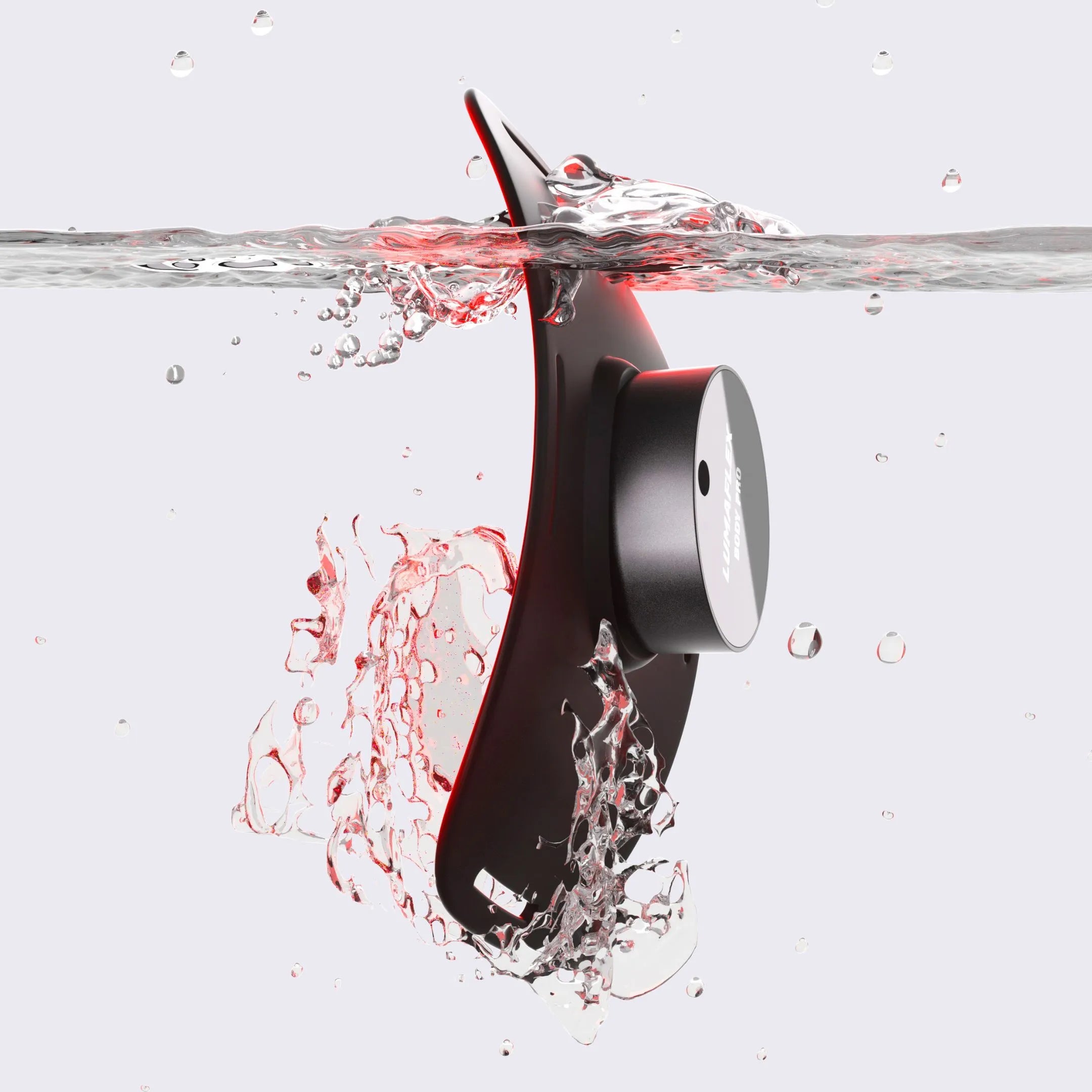
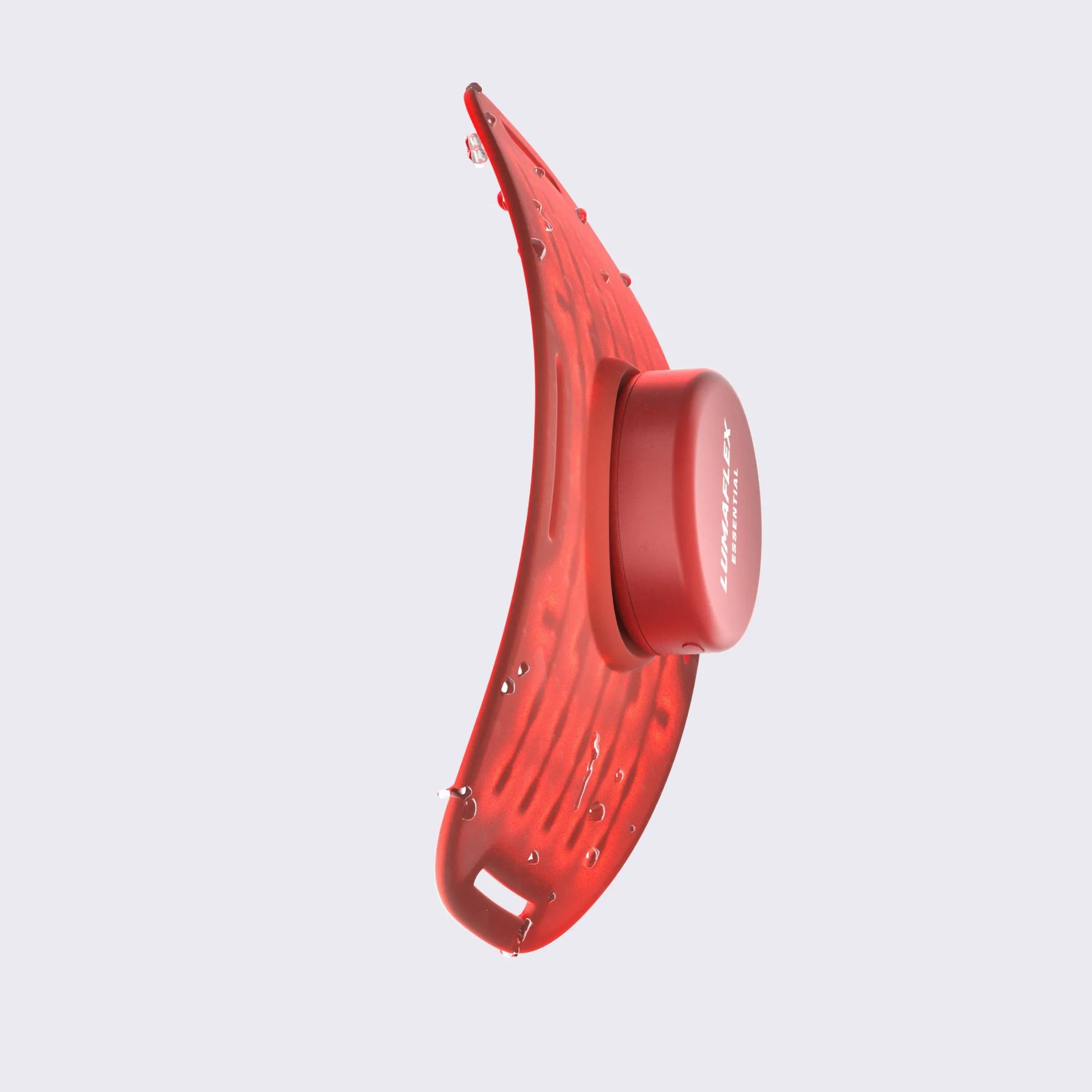
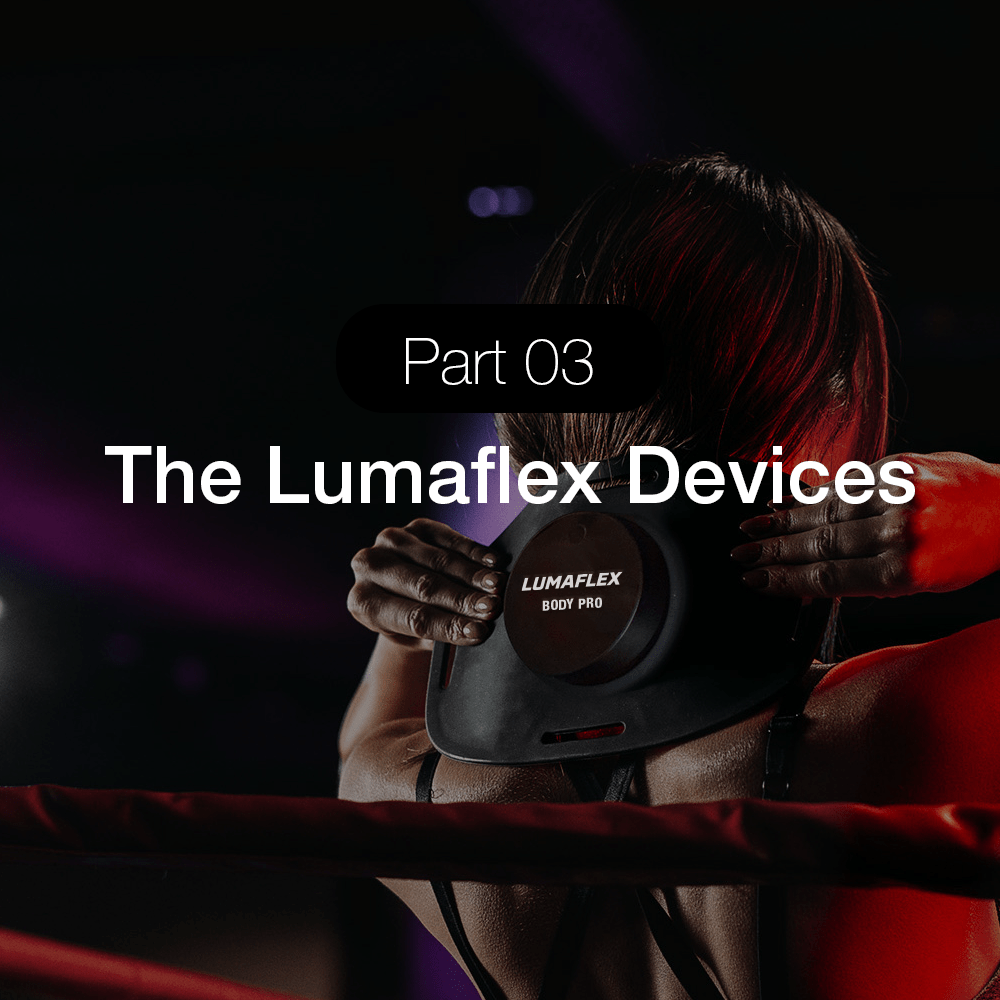
Looking to build a smarter recovery routine? Learn how Lumaflex's red light therapy devices can complement your post-workout recovery plan.
This article is for informational purposes and isn't a substitute for medical advice. If you have a medical condition, particularly anything circulatory or cardiovascular, talk to a healthcare professional before starting a new recovery routine.