Cryotherapy and Red Light Therapy: The Right Recovery Combination

Most athletes treat cryotherapy and red light therapy as a question of either/or. Cold plunge devotees tend to stay loyal to the cold. Red light users often wonder if ice baths are even worth the effort. The reality is that both modalities belong in the same recovery plan. They just do not belong in the same hour.
Cryotherapy and red light therapy work on different timescales, through different mechanisms, and toward different ends. Cold therapy is fastest for acute pain and the feeling of recovery. Photobiomodulation does more for cellular repair and objective muscle recovery markers. Used in a structured daily protocol, separated by several hours, both deliver their full benefit. The research shows that applying them back-to-back cancels out much of what red light therapy does. Space them out, and you get the best of both.
Research published over the past decade makes the case clearly. Photobiomodulation has stronger evidence for the physiological markers that actually track with athletic performance: muscle strength recovery, reduced muscle damage, lower systemic inflammation. Cryotherapy has a genuine advantage for immediate pain relief and the feeling of being ready to go again. Apply them back-to-back, though, and the cold undermines most of what the red light session just accomplished at the cellular level. Give them breathing room in your schedule, and you get both.
This article covers the mechanisms behind each modality, what the published research shows when they are compared head-to-head or combined, and a practical protocol for using both without one getting in the way of the other.
- 1. What Cryotherapy Does and Where It Works Best
- 2. What Red Light Therapy Does and Why the Mechanism Is Different
- 3. The Inflammation Question: Why These Two Modalities Take Different Approaches
- 4. What the Research Shows When You Compare Them
- 5. Why Timing Matters: What the Research Teaches About Sequencing
- 6. When to Use Each Modality: A Practical Framework
- 7. The Two-Modality Protocol: Using Both for Complete Recovery
- 8. Frequently asked questions (FAQs)
- 9. Key Takeaways
- 10. References
What Cryotherapy Does and Where It Works Best
Cryotherapy entails a variety of cold treatments, including cold-water baths, ice baths, cold plunge pools, local ice or cold spray therapy, and full-body cryotherapy units. They all rely on a reduction in the body’s temperature and have physiological consequences that follow a similar sequence.
Colder temperatures lead to vasoconstriction and thus decrease blood flow to the injured area. This will help prevent edema formation, which can be beneficial in the acute stage following an injury or intense training sessions. Nerve conduction velocity decreases with cold, hence leading to the rapid onset of pain relief. Metabolic activity is inhibited by the drop in temperature. If you have been through an intense workout, you would want to reduce feelings of being "shredded" or wrecked within an hour.
Ice Bath, Cold Plunge, Whole-Body Cryotherapy: What the Research Actually Studies
The mode that is most commonly tested by peer-reviewed sports recovery studies is cold water immersion (CWI), involving submerging either the entire body or only the lower body into temperatures between 8 and 15 degrees centigrade for periods of 10 to 15 minutes. Cold plunges represent the same concept but through custom designed tanks for the purpose.
Whole body cryotherapy (WBC) involves exposing the entire body to freezing temperatures, ranging from negative 90 to negative 120 degrees centigrade for 2 to 4 minutes. Although WBC gets a lot of marketing attention, the scientific research literature on sports recovery focuses exclusively on CWI.
Where Cryotherapy Falls Short
Cryotherapy has a strong track record for one specific outcome: how athletes feel. Reports of reduced soreness, faster perceived readiness, and a sense of physical reset after cold exposure are consistent across studies. What the research supports less is the assumption that feeling better translates to being better, physiologically.
Objective markers like creatine kinase (a blood marker of muscle damage) and maximal voluntary contraction (a measure of functional strength) show considerably weaker responses to cryotherapy than the perceptual benefits would suggest.
There is also a growing argument in sports science that aggressive post-exercise cold exposure, applied frequently, may limit some of the training adaptations athletes are working toward in the first place. The inflammation that cold suppresses is not entirely the enemy.

What Red Light Therapy Does and Why the Mechanism Is Different
Red light therapy involves the use of precise wavelengths of red and near-infrared lights that induce biological reactions within body cells. This treatment does not operate on thermal principles. In cold therapy, the temperature of the tissues involved is changed, leading to physical outcomes. Red light therapy operates on photochemical principles whereby certain photosensitive components within the body cells absorb light photons.
The main target of the treatment process is the enzyme cytochrome c oxidase, which exists within the mitochondria in its respiratory chain. The moment that light waves of a certain wavelength reach cytochrome c oxidase, the enzyme activity will increase, leading to the increased production of ATP or adenosine triphosphate. ATP serves as the energy source for all body functions, including repair mechanisms.
The red light treatment technique changes the molecular inflammation setting by reducing pro-inflammatory cytokines such as TNF-alpha and IL-1beta while not affecting repair-supporting pathways. Additionally, it induces nitric oxide production, leading to vasodilation and increased blood flow.
Red vs. Near-Infrared: Which Wavelengths Do What
Red wavelengths (630-660 nm) enter skin and superficial tissues, while near-infrared wavelengths (810-850 nm) go further, reaching muscles and ligaments. That is why the latter are more suitable for treating post-workout muscle soreness.
Most of the PBM devices used in athletic recovery research deliver both wavelength ranges together. The combination produces effects across different tissue depths rather than concentrating at the surface. The Lumaflex devices covers both wavelength ranges in its protocol.
Before Exercise vs. After Exercise: The Timing Changes What PBM Is Doing
Pre-exercise PBM, sometimes called muscle pre-conditioning, works differently from post-exercise PBM. Before a session, red light therapy primes the mitochondria for the energy demand ahead and may reduce the oxidative stress produced during training.
Post-exercise PBM shifts into repair mode: reducing inflammation, supporting cellular recovery, and accelerating turnaround between sessions. This distinction matters when thinking about how to build cryotherapy into the same day, because the interaction between the two modalities is a post-exercise concern. Pre-exercise PBM sits in a completely separate window.

The Inflammation Question: Why These Two Modalities Take Different Approaches
The clearest way to understand why back-to-back application causes problems is to look at how each modality handles inflammation. They do not just take different approaches. They take opposite ones.
Cryotherapy suppresses inflammation broadly. The thermal mechanism does not discriminate between inflammatory processes that are causing harm and inflammatory processes that are driving repair. It dials down blood flow and metabolic activity across the affected tissue, reducing both the damaging and the beneficial sides of the inflammatory response.
Photobiomodulation acts at the molecular level and is selective. Instead of turning everything off, PBM blocks the action of certain pro-inflammatory cytokines but keeps the communication processes necessary for repair active. This allows inflammation to be reduced but not the healing process.
The Hormesis Question: When Suppressing Inflammation Backfires
According to hormesis theory, low-stress levels, such as the one caused by inflammation from intense training sessions, are part of the process of adaptation through which our body responds.
In that case, people who regularly use cryotherapy to suppress inflammation after each intensive exercise might reduce their progress as far as strength or muscle growth is concerned.
This is because cryotherapy can block adaptation responses to certain types of physical activity. The research on this topic is still developing and there are still arguments for and against using cryotherapy.
Why Separating the Two Modalities Solves the Conflict
When PBM promotes vasodilation and drives up cellular metabolic activity, and cold is then applied immediately after, the vasoconstriction and metabolic suppression from the cold reverses much of what the light session produced. The cellular environment that PBM created gets reset by the cold before those effects can take hold.
The answer is not to abandon cryotherapy. The answer is to give each modality its own window in the day, where the mechanisms do not cancel each other out. Cold in the acute post-exercise window. Red light therapy several hours later, when tissue temperature has normalized and the cellular environment is ready to respond.
What the Research Shows When You Compare Them
Several controlled trials have now put photobiomodulation and cryotherapy head-to-head, both independently and in combination. The results are more consistent than the surrounding debate in the wellness world might suggest.
Costa Santos et al., 2014 (Animal Study)
The article was published in the journal Lasers in Medical Science by Springer. The study involves comparing the effects of LED therapy (wavelength 940 nm, density 4 J/cm2) to cold water immersion (10 degrees Centigrade, 10 minutes) and passive rest between two rounds of exercise on Wistar rats. Preclinical studies are good at explaining mechanisms; however, results cannot be extrapolated to humans' athletic performance.
The LED group showed lower C-reactive protein (a systemic inflammation marker), fewer necrotic muscle areas, reduced edema, and lower leukocyte counts compared to the cryotherapy group. The cryotherapy group showed elevated creatine kinase, a marker of muscle damage, that was not seen in the LED group. Both outperformed passive recovery on time to exhaustion. The study concluded that LED therapy was more efficient than cryotherapy for preventing muscle damage and systemic inflammation between exercise bouts.
De Paiva et al., 2016 (Human RCT)
Published in Lasers in Medical Science (31:1925-1933), this randomized, double-blinded, placebo-controlled human trial compared photobiomodulation and cryotherapy, both separately and in combination, for skeletal muscle recovery after exercise. PBMT alone outperformed cryotherapy. Applying both in sequence did not improve outcomes beyond what standalone PBMT produced. In some respects the combination performed no better than cryotherapy alone.
De Marchi et al., 2017 (Five-Group Human RCT)
Published in Lasers in Medical Science (32:429-437), this trial is the most thorough comparison study available. Five groups were tested: PBMT alone, cryotherapy alone, PBMT then cryotherapy, cryotherapy then PBMT, and a control. The design captures standalone and sequenced application in a single study, which gives it an unusually complete view of how these modalities interact.
PBMT alone produced the best outcomes of any condition. Both combination sequences performed no better than cryotherapy alone. The authors concluded that cryotherapy reduced the cellular benefits of photobiomodulation when the two were applied close together in a session. This finding is largely unknown among athletes and coaches, and it is the clearest scientific basis for the interval-based protocol described later in this article.
Ferlito et al., 2021 (Systematic Review and Meta-Analysis)
According to a meta-analysis conducted in Lasers in Medical Science, it is possible to estimate that PBMT led to significantly higher gains in muscle strength compared to cryotherapy by pooling all of the existing comparison studies. The degree of certainty of the results obtained from the included studies was assessed as moderate to low, which means that, at present, literature on this issue has reached consistency but has not become decisive yet.
2024 Postpartum RCT: PBM vs. Cryotherapy for Tissue Healing
In a Randomized Clinical Trial from 2024 on photobiomodulation (PBM) versus cryotherapy in postpartum perineal lacerations, the pain was more effectively reduced in the case of PBM immediately after application (p=0.008) and within 24 hours (p<0.001). Also, PBM provided better wound healing results. This example does not concern athletes or muscular injuries; however, it provides additional clinical data concerning PBM vs. cryotherapy that can be beneficial when comparing these two treatment options.
What These Studies Add Up To
Across animal and human trials, the pattern holds: photobiomodulation performs as well as or better than cryotherapy on objective physiological recovery markers. Cryotherapy holds an advantage on perceived soreness and readiness. When the two are combined in close sequence, the combination does not add up to more than the sum of its parts. The De Marchi five-group design is the clearest demonstration of why: the sequence does not deliver two modalities worth of benefit. It delivers roughly one.

Why Timing Matters: What the Research Teaches About Sequencing
The key lesson from the comparison literature is not that these two modalities conflict. It is that their conflict is time-dependent. Applied within the same session, their mechanisms interfere. Applied hours apart, each operates in its own physiological window and delivers its own benefit fully.
Photobiomodulation increases mitochondrial metabolism via cytochrome c oxidase, increases the rate of ATP synthesis, causes vasodilation by increasing nitric oxide levels, and stimulates an increase in cell metabolism. The cold application process causes a reverse response, including vasoconstriction, enzyme inhibition, and a reduction in cellular metabolism.
If both processes occur within the same treatment session, the latter process resets almost everything the former process accomplished. If they have some time between each other, their combined effects add up.
How Much Separation Between Sessions?
The research does not yet name a precise minimum interval. Based on the mechanistic argument, the goal is to allow tissue temperature to fully normalize and blood flow to return to baseline before applying the second modality. A gap of four to six hours is a reasonable target, and it maps naturally onto most training schedules. Morning training, post-session cold plunge, red light session in the afternoon or evening. The gap is already there; it just needs to be used.
Anchoring Each Modality to a Separate Daily Routine
A fairly pragmatic approach to integrating this process is to move away from seeing cryotherapy and red light therapy as one unit that should occur together and look at them as two separate processes. The cold as an element of post-workout reset: the contrast, the physical effect of transition, the feeling of resetting.
Red light as an element of winding down in the evening before sleep: calmer, more subtle, deeper action on the cellular level as everything else starts settling down. In this context, the two aren’t conflicting in terms of time and space; they’re fulfilling their unique roles.
When Same-Session Combination Has Evidence Behind It
There is one specific context where applying both in close sequence appears to work: acute traumatic bleeding during sport. Machado and Plapler (2019) studied 12 karate athletes with traumatic lacerations during competition. Cryotherapy spray alone produced 100 percent immediate bleed control but an 83 percent relapse rate.
Cryotherapy followed by LED therapy (630 nm, 4 J/cm2) produced only 33 percent immediate control but zero percent relapse. Cryo stops the acute bleed through vasoconstriction; LED then supports fibrin stability and the coagulation cascade to hold the clot. The sample is small (N=12), and the application is narrow and specific. This is not a model for post-exercise recovery stacking. But it shows that when both modalities are working toward the same immediate goal at the same moment, the sequence can add value.
When to Use Each Modality: A Practical Framework
Acute Pain and Immediate Swelling Control: Cryotherapy First
In the first 30 minutes after a hard session or an acute injury, cryotherapy is the faster-acting tool. Vasoconstriction reduces swelling quickly. The analgesic effect dulls pain within minutes. For athletes who need to feel functional again fast, whether for back-to-back training days, multi-day competition, or simply daily life, the cold plunge in the immediate post-exercise window earns its place.
Muscle Repair, DOMS, and Objective Recovery Markers: RLT Later in the Day
For the markers that track most closely with athletic performance, including muscle strength recovery, creatine kinase reduction, and tissue-level reduction of DOMS, the research points toward photobiomodulation. The Ferlito et al. (2021) meta-analysis estimated significantly greater muscle strength improvement with PBMT over cryotherapy across pooled trials. An RLT session four to six hours after the cold plunge, once tissue temperature has normalized, gives the cellular mechanisms room to work.
Acute Sport Bleeding During Competition: Cryo First, LED After
The Machado and Plapler (2019) karate athlete study provides specific evidence for sequential cryo-then-LED in acute traumatic bleeding. Cryotherapy for immediate hemostasis via vasoconstriction; LED therapy to stabilize the clot and prevent relapse. Sample size is small and the application is narrow. This is not a general muscle recovery protocol.
Tissue Healing Over 24 to 48 Hours: Red Light Therapy Has the Stronger Record
The 2024 post-delivery RCT found that PBM therapy was superior to cryotherapy in terms of pain relief and wound healing within 24 hours. This aligns with the mechanisms of action of PBM therapy, which include collagen formation, cytokine regulation, and cellular regeneration, all of which take several hours to complete. Red light therapy in the hours after a session or before sleep positions that repair work during the body's natural recovery window.
Feeling Ready to Train Again: Cryotherapy Still Delivers
Perceptual recovery is real recovery. Athletes who feel less sore, more alert, and more physically ready tend to train better the next session. Cryotherapy has a consistent track record for this outcome, even when the objective tissue-repair markers are less impressive. In high-frequency training blocks or during competition weeks, that psychological readiness has practical value and should not be dismissed.
Long Training Blocks: RLT as the Foundation, Cold as the Selective Tool
Cold baths at the end of each training session for a block of training is not the same concept as employing cryotherapy during the toughest training sessions. Hormetic research has shown that regularly suppressing post-training inflammation could impede adaptation in the long run. A better approach involves utilizing PBM regularly as the main recovery technique while using cryotherapy sparingly for those tough training sessions.
The Two-Modality Protocol: Using Both for Complete Recovery
The research does not call for a choice between these two modalities. It shows how to use both. The principle is to give each its own recovery window, spaced far enough apart that the cellular environments they create do not cancel each other out. Here is what that looks like across a training day.
• Before training: Red light therapy for muscle pre-conditioning. PBM before a session prepares the mitochondria for the energy demand ahead and may reduce oxidative stress during training. This window sits completely apart from any cold exposure used post-session. The two do not interact here.
• Immediately post-training (0 to 30 minutes): Cryotherapy for acute recovery. The cold plunge, ice bath, or localized cold application works best in this acute window. Rapid vasoconstriction, edema control, analgesic effect, and that physical reset. Use cold for what it genuinely does well.
• Later in the day (4 to 6 hours post-training, or evening): Red Light Therapy for cell regeneration. Tissue temperature should be normal and circulation has now reached its pre-exercise state. An application of red light therapy in the afternoon or even as a nightly ritual will provide the required effects of cellular repair.
• Rest days and lower-intensity days: RLT as the standalone recovery tool. On days without the acute training load that makes cryotherapy most relevant, red light therapy handles cellular maintenance and recovery without a cold complement. This is also a good window to use PBM pre-emptively before the next hard session.
• Acute traumatic injury during competition: Cryotherapy first, LED second. The Machado and Plapler (2019) study supports this specific sequence for acute traumatic bleeding: cryotherapy for immediate hemostasis, LED therapy for clot stability. This is the one evidence-backed same-session combination.
Where the Lumaflex Essential Pro Fits In This Protocol
A two-modality recovery strategy only works if the red light component fits into the actual timing constraints the research depends on.
That is the practical bottleneck.
The literature is clear that photobiomodulation should be applied several hours after cryotherapy, once tissue temperature and circulation have normalized. In controlled settings, that separation is easy to maintain. In real-world conditions—between work, training, travel, and fatigue—it often is not.
This is where device design becomes part of the protocol.
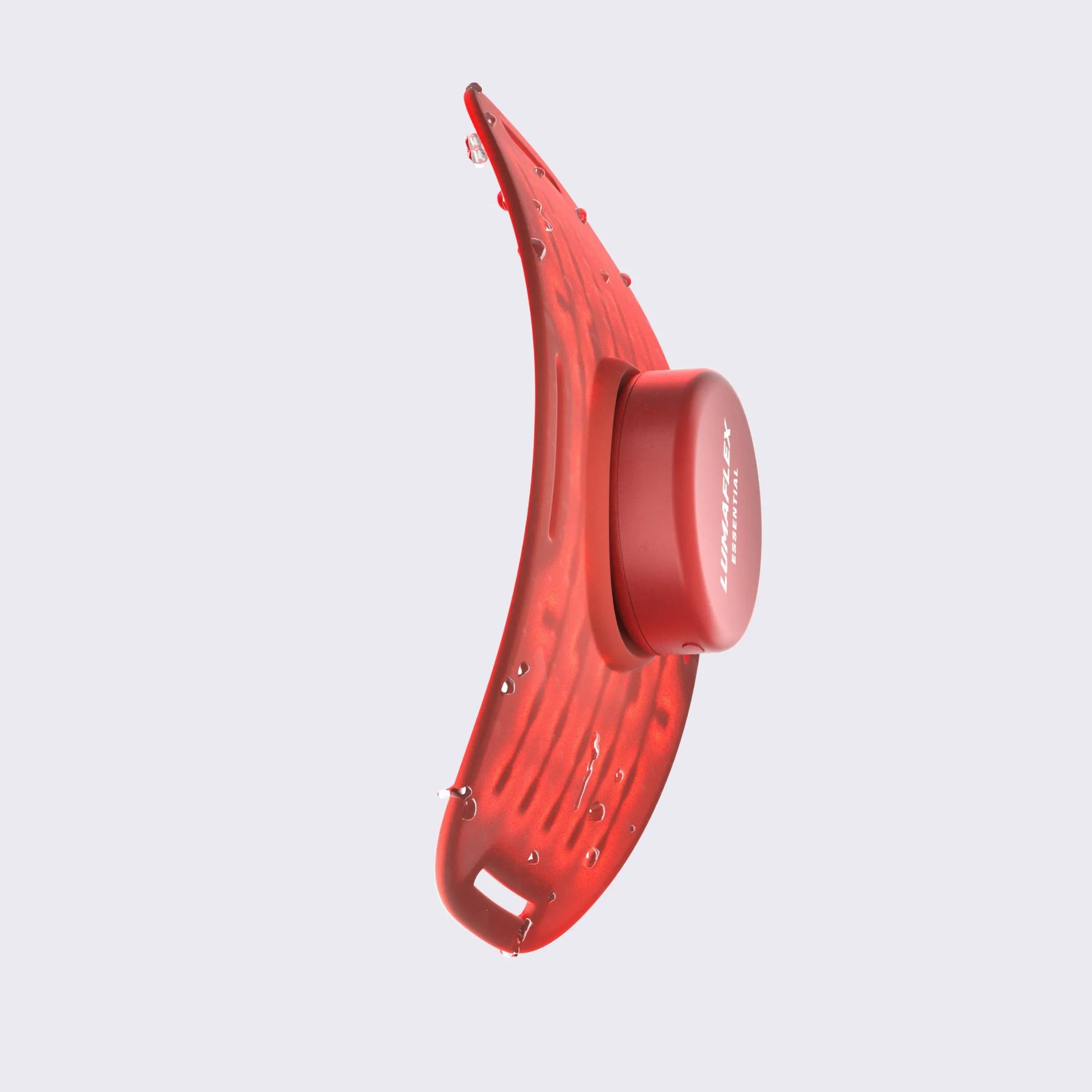
The Lumaflex Essential Pro delivers 6 therapeutic wavelengths (630 nm, 660 nm, 810 nm, 850 nm, 904 nm, and 1064 nm) used in photobiomodulation research, but more importantly, it does so in a format that aligns with the timing requirements the research establishes.
Instead of requiring:
- a return visit to a clinic
- fixed treatment schedules
- or dedicated recovery blocks
it allows application at the exact point in the recovery window where PBM is most effective.
Why That Matters Physiologically
The 4–6 hour post-exercise window reflects the point at which:
- vasoconstriction from cold exposure has resolved
- baseline blood flow has returned
- cellular metabolism is no longer suppressed
Applying PBM in that state allows:
- mitochondrial activation to proceed without interference
- nitric oxide–mediated vasodilation to take effect
- ATP production to support active repair processes
If that window is missed, the intervention becomes less aligned with the underlying biology.
Built for Real Recovery Environments
In practice, recovery doesn’t happen in ideal lab conditions.
It happens:
- after a shower
- in humid environments
- around sweat, movement, and daily routines
The Lumaflex Essential Pro is splash-proof, which makes it suitable for these everyday recovery settings—post-workout, at home, or on the go.
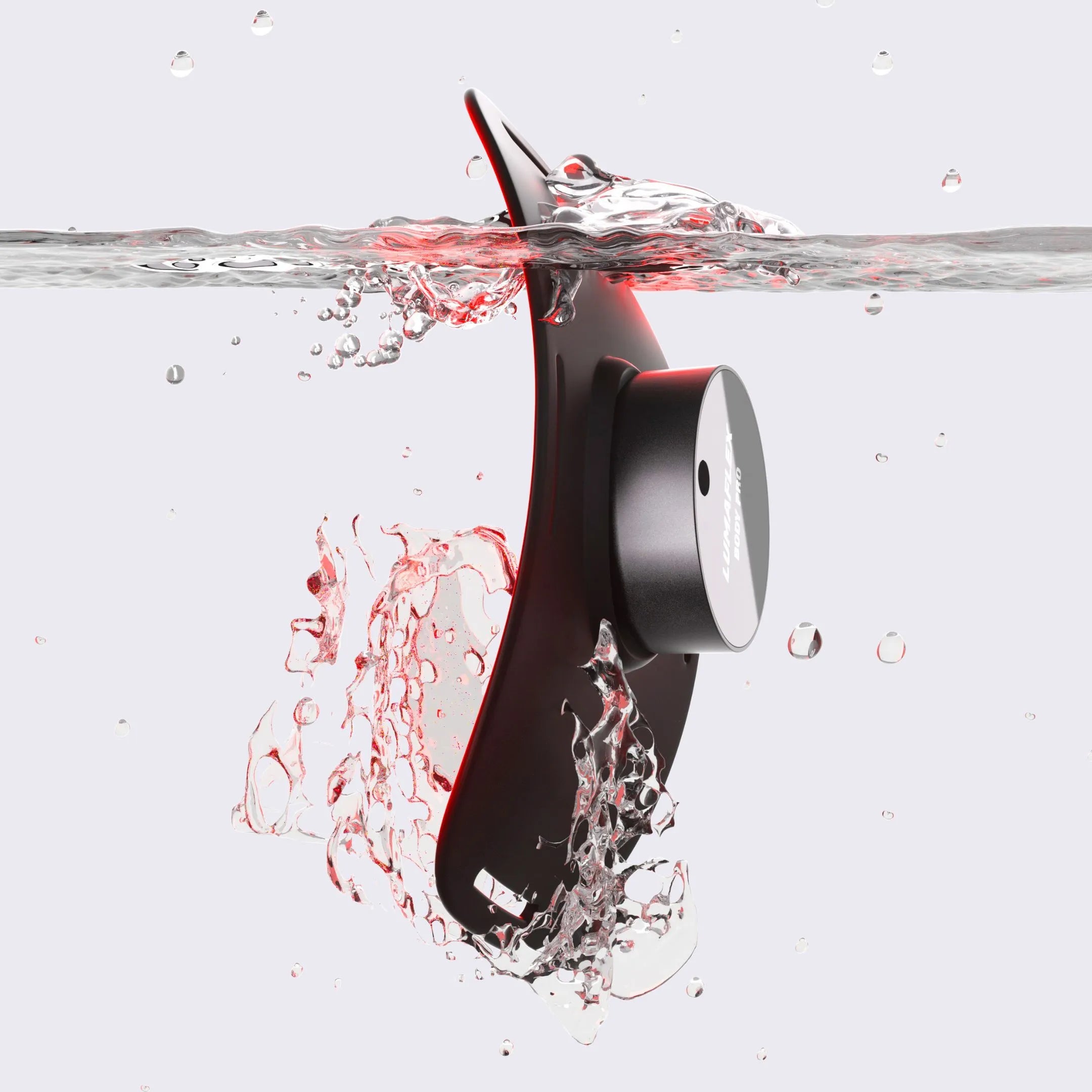
For more demanding environments—such as wet conditions, outdoor use, or direct water exposure—the Lumaflex Body Pro offers a fully waterproof design, extending where and how consistently red light therapy can be applied.
Positioning Within the Protocol
Within the two-modality framework:
- Cryotherapy handles the acute phase (pain, swelling, perceptual reset)
- Photobiomodulation supports the repair phase (cellular recovery, tissue adaptation)
Lumaflex devices are designed for that second phase—
the one that depends most on timing precision and consistency.
Is red light therapy better than cryotherapy for muscle recovery?
For objective physiological markers, the published evidence leans toward photobiomodulation. The Ferlito et al. (2021) meta-analysis estimated significantly greater muscle strength improvement with PBMT over cryotherapy, with certainty of evidence rated moderate to low across trials. Cryotherapy's clearest win is in perceived soreness and readiness, which matters in its own right but does not always correspond to improved tissue repair. Both modalities have a role, and the stronger one depends on what you are trying to accomplish in a given recovery session.
Can you do red light therapy and cryotherapy together?
Yes, and when structured well they complement each other. The distinction that matters is whether you use them back-to-back or separated by several hours. Applied in the same session in close sequence, the cold suppresses the cellular metabolic activity that photobiomodulation works to elevate. The De Marchi et al. (2017) five-group trial found both combination sequences performed no better than cryotherapy alone. Separated by four to six hours, each modality operates in its own window and the benefits do not interfere. The structure is what makes the combination work.
Should I do red light therapy before or after a cold plunge?
For most athletes, the most productive sequence is cold plunge in the immediate post-exercise window and red light therapy several hours later. The four-to-six hour gap allows tissue temperature to normalize before PBM is applied, so the mitochondrial activation and vasodilation effects work without vasoconstriction interfering. Pre-exercise red light therapy (before training) is a separate matter entirely and is not affected by a post-session cold plunge.
What does cryotherapy do well, and where does it fall short?
There is clear evidence supporting the use of cryotherapy for instant pain relief, decrease in subjective muscle soreness, and acute inflammation reduction within 24 to 48 hours following an injury or strenuous workout. In terms of halting acute bleeding, vasoconstriction occurs swiftly. However, there is less conclusive evidence regarding biochemical indicators of muscle damage, such as creatine kinase levels, long-term muscle function restoration, and structural alterations within the tissue. Additionally, there are concerns in sports science literature suggesting that regular cold exposure after exercise may diminish the effectiveness of training adaptations.
Does cryotherapy interfere with red light therapy's cellular effects?
When applied in close sequence, yes. Cryotherapy reduces cellular metabolic activity, lowers tissue temperature, and causes vasoconstriction. All three of those responses work against what photobiomodulation produces: mitochondrial activation, elevated ATP, and increased local blood flow. The De Marchi et al. (2017) five-group trial found that cryotherapy decreased PBMT efficacy when both were used in the same session. The solution is not to drop cryotherapy. The solution is to separate the sessions far enough that each one works in its own physiological environment.
Key Takeaways
• Cryotherapy and red light therapy is complementary in the process of recovery. The two methods function better at different stages of recovery, but through a set plan they can be used effectively together.
• Timing determines the outcome. Applied back-to-back, their mechanisms interfere. Separated by four to six hours, or anchored to different parts of the daily routine, each delivers its full benefit.
• The best application of cryotherapy is in the first moments after the workout is finished when dealing with acute pain and edema, and perceptional recovery can be very helpful.
• Red light therapy's strongest use case is the extended recovery window: cellular repair, mitochondrial activation, anti-inflammatory cytokine modulation, and objective muscle recovery markers. An afternoon or evening session is where these benefits land most fully.
• The practical daily protocol: pre-training RLT for muscle pre-conditioning, post-training cryotherapy for acute recovery, afternoon or evening RLT for cellular repair. Two tools, two windows, complete recovery.
• De Marchi et al. (2017) and De Paiva et al. (2016) both found that same-session back-to-back application reduces PBM's effectiveness. This is the scientific basis for the interval-based approach.
• One same-session combination has evidence: cryotherapy then LED for acute traumatic bleeding in sport (Machado and Plapler, 2019, N=12). Narrow and specific, but worth knowing in competition settings.
• Habitual daily cold immersion after every session may limit training adaptations over time. Used selectively around hard sessions and competitions, cryotherapy delivers its benefits without the potential downside of blunting adaptation.
Disclaimer: This article is for informational purposes only and does not constitute medical or sports medicine advice. For injury-specific recovery protocols, consult a qualified sports medicine professional.
References
Constant, É. C. B., Stein, G. P., De Oliveira, K. C., Paiva, L. L., Costa, S. M., & Ramos, J. G. L. (2024). Comparison of photobiomodulation with cryotherapy in the immediate postpartum period of parturients with grade I, grade II lacerations and/or episiotomy in reducing perineal and vulvar and edema: A randomized clinical trial. European Journal of Obstetrics & Gynecology and Reproductive Biology, 301, 240–245. https://doi.org/10.1016/j.ejogrb.2024.08.025
Da Costa Santos, V. B., Alvares, A. M., Chierotti, P., Toffoli, L. V., Okino, A. M., De Oliveira Toginho Filho, D., & De Souza Guerino Macedo, C. (2023). Effects of photobiomodulation applied at different times on functional performance and ergogenic response of rugby athletes: Randomized clinical trial. Journal of Bodywork and Movement Therapies, 38, 314–322. https://doi.org/10.1016/j.jbmt.2023.11.052
De Marchi, T., Schmitt, V. M., Machado, G. P., De Sene, J. S., De Col, C. D., Tairova, O., Salvador, M., & Leal-Junior, E. C. P. (2017). Does photobiomodulation therapy is better than cryotherapy in muscle recovery after a high-intensity exercise? A randomized, double-blind, placebo-controlled clinical trial. Lasers in Medical Science, 32(2), 429–437. https://doi.org/10.1007/s10103-016-2139-9
De Paiva, P. R. V., Tomazoni, S. S., Johnson, D. S., Vanin, A. A., Albuquerque-Pontes, G. M., Machado, C. D. S. M., Casalechi, H. L., De Tarso Camillo De Carvalho, P., & Leal-Junior, E. C. P. (2016). Photobiomodulation therapy (PBMT) and/or cryotherapy in skeletal muscle restitution, what is better? A randomized, double-blinded, placebo-controlled clinical trial. Lasers in Medical Science, 31(9), 1925–1933. https://doi.org/10.1007/s10103-016-2071-z
Ferlito, J. V., Ferlito, M. V., Leal-Junior, E. C. P., Tomazoni, S. S., & De Marchi, T. (2021). Comparison between cryotherapy and photobiomodulation in muscle recovery: a systematic review and meta-analysis. Lasers in Medical Science, 37(3), 1375–1388. https://doi.org/10.1007/s10103-021-03442-7
Leal-Junior, E. C. P., Vanin, A. A., Miranda, E. F., De Tarso Camillo De Carvalho, P., Corso, S. D., & Bjordal, J. M. (2013). Effect of phototherapy (low-level laser therapy and light-emitting diode therapy) on exercise performance and markers of exercise recovery: a systematic review with meta-analysis. Lasers in Medical Science, 30(2), 925–939. https://doi.org/10.1007/s10103-013-1465-4
Machado, P. C. D., & Plapler, H. (2019). Treatment for Traumatic Bleeding in Karate Athletes: Cryotherapy X Cryotherapy Associated with Light-Emitting Diode (LED). Acta Scientific Orthopaedics, 2(7), 12–17. https://doi.org/10.31080/asor.2019.02.0061