Red Light Therapy for Dry Skin: Science-Backed Hydration & Barrier Support

Red light therapy for dry skin is increasingly being studied, but if dry skin were simply a moisturizer problem, we would have solved it by now. For many people, no matter how much they apply, their skin continues to feel tight, rough, or flaky.
Does Red Light Therapy Help Dry Skin? (Quick Answer)
Studies have shown that red light therapy could be effective in treating dry skin because it helps improve skin barrier function, which in turn helps keep moisture locked in. Red light therapy does not lock moisture into the skin like a moisturizer would, but when used regularly as part of a skincare regimen, red light therapy could be effective in improving skin quality .
- 1. Does Red Light Therapy Help Dry Skin? (Quick Answer)
- 2. Why Dry Skin Happens: Barrier Function, Lipids, and Water Loss?
- 3. Skin Hydration Starts at the Barrier: How the Epidermis Retains Moisture
- 4. Red Light Therapy for Dry Skin: What the Research Actually Shows
- 5. How Red Light Therapy Supports Skin Hydration at the Cellular Level
- 6. How to Use Red Light Therapy for Dry Skin: A Practical Protocol
- 7. How Long Before Red Light Therapy Improves Dry Skin?
- 8. Can Red Light Therapy Replace Moisturizers?
- 9. When Red Light Therapy Makes the Most Sense for Dry Skin
- 10. Key Takeaways on Red Light Therapy for Dry Skin
- 11. References
Why Dry Skin Happens: Barrier Function, Lipids, and Water Loss?
Dry skin is not a condition; rather, it is the description of the condition when the skin is not able to hold water properly. It could be due to the absence of oils or the damage to the outer layer of the skin. Environmental factors such as dry air, low humidity, and wind cause dry skin. As a person ages, the ability of the skin to produce oils that protect the outer layer is reduced. Washing the skin with strong soaps removes the outer layer of the skin. Underlying conditions like eczema and contact dermatitis can compromise the skin's structural integrity further.
Dry Skin vs Dehydrated Skin: Oil Loss vs Water Lo
These two terms are often used interchangeably but imply different conditions. Dry skin is a skin type that is normally associated with low oil production. Dehydrated skin is a condition where the skin lacks water. Dehydration can occur in any skin type, even oily skin. The distinction is important since it determines how the treatment will work. Moisturizers put water into the skin, occlusives lock water in, and repair of the skin's barrier maintains water within the skin.
Why Moisturizers Don’t Always Fix Dry Skin (TEWL Explained)
When the skin’s barrier is impaired, the rate at which the skin loses its moisture, as a result of the application of moisturizers, is greater than when the skin is in a healthy state. This is referred to as transepidermal water loss. A greater transepidermal water loss means that regardless of the application of moisturizers, the skin is bound to lose its moisture. In order to reduce the amount of moisture loss, the skin’s barrier is improved, a function that is referred to as barrier repair..

Skin Hydration Starts at the Barrier: How the Epidermis Retains Moisture
The outside layer of the skin is called the stratum corneum. It is the boundary between an organism and the external environment. The stratum corneum is made up of flat cells that contain protein. The flat cells with protein are embedded in a combination of lipids called ceramide, cholesterol, and fatty acids. The combination of lipids acts as mortar between bricks, holding the gaps together.
How the Skin Barrier Controls Moisture Retention
The skin barrier is made up of proteins and lipids from skin cells referred to as keratinocytes. In normal conditions, skin cells have the ability to replace the skin barrier at a normal rate. However, when the rate at which skin cells replace the skin barrier is changed, for example, when skin is under stress, lacks nutrients, or when one ages, the amount of lipids in the skin changes. The skin’s lipids have a critical role in retaining moisture in the skin.
When the Skin Barrier Breaks Down: Water Loss and Sensitivity
When the barrier is compromised, irritants and allergens come in, while water is lost. This is why you may have dry skin, but you may also have redness or sensitivity. Barrier repair is not just about moisturizing; it is about re-establishing a barrier that controls the entry and exit of substances.
Red Light Therapy for Dry Skin: What the Research Actually Shows
Photobiomodulation (PBM) research related to skin hydration is still developing, but several studies point toward improvements in skin quality and moisture-related parameters that are relevant to dry skin.
RSPublisher study (2023): PBM and dry skin
A 2023 study published through RSPublisher examined the effects of photobiomodulation on dry skin specifically. The findings indicated improvements in skin condition and moisture-related parameters in participants following light therapy treatment. While the study was limited in scope, it provided direct evidence linking PBM to measurable hydration-relevant outcomes.
Wiley study: skin quality and surface condition
Improvements in skin quality, elasticity, and surface condition were reported by a study published by Skin Research and Technology (reference srt.13391). Although this study is not directly relevant to dry skin, it is indirectly relevant because skin surface texture and elasticity are both linked to skin barrier integrity and hydration levels.
Springer study (2025): mechanisms of PBM in skin function
The cellular mechanisms of PBM in skin function were explored in a 2025 study published by Springer. This study focused on cellular repair, support of skin barriers, and anti-inflammatory response as a mechanism of PBM, which provided a background to the hydration improvements reported in the clinical studies.
What Current Evidence Supports and Where It’s Still Limited
The evidence that has been conducted to date suggests that red light therapy does have a positive effect on skin quality and hydration, although this does not appear to be through the actual addition of water molecules to the tissue, but through a functional improvement. There are not yet any large-scale, multi-centre, randomized controlled trials that have been conducted on red light therapy for dry skin as a primary outcome. However, it does appear to have a positive effect, although caution must be exercised with such findings.
How Red Light Therapy Supports Skin Hydration at the Cellular Level
The biological effects of red and near-infrared light on skin tissue include several aspects that are relevant to dry skin.
Barrier Repair and Reduced TEWL
PBM can help improve the integrity of the skin’s barrier by promoting keratinocyte function, thus reducing TEWL and enabling the skin to retain moisture more effectively.
Keratinocyte Activity and Epidermal Renewal
The therapeutic wavelengths of light stimulate keratinocyte activity, which is necessary for normal renewal processes in the skin and for the production of skin-protecting lipids and proteins.
Mitochondrial Activation and ATP Production
Red and near-infrared light affects cytochrome c oxidase in the mitochondria, which increases the production of ATP. Increased availability of energy is necessary for tissue renewal processes in the skin.
Anti-Inflammatory Effects
Chronic low-grade inflammation is one cause of impaired skin barrier function and dryness, particularly in conditions like eczema or contact dermatitis. PBM has shown anti-inflammatory effects which can help break this cycle.
Microcirculation and Nutrient Delivery
Light therapy also seems to have a positive effect on local blood flow, which in turn can help to increase nutrient and oxygen delivery to skin tissue to support the skin cells in maintaining their function.

Red vs Near-Infrared Light: Which Matters for Dry Skin?
The red and near-infrared light have different depths of focus within the tissue, and both have the potential for relevance to dry skin.
Red light
Penetrates primarily into the epidermis and upper dermis. Most directly relevant to surface barrier function, keratinocyte activity, and the structural layer responsible for TEWL.
Near-infrared
Reaches deeper dermal layers, supporting collagen-producing fibroblasts and microcirculation. Contributes to overall skin health in ways that support surface hydration over time.
How to Use Red Light Therapy for Dry Skin: A Practical Protocol
The intensity of red light therapy is not as important as its consistency. This is because the effects of red light therapy on a cellular level accumulate over time. For most individuals who experience a noticeable improvement in skin texture and hydration, consistency is the biggest factor.
Recommended Red Light Therapy Protocol for Dry Skin
- Wavelengths: 630–660 nm (barrier/epidermal) + 810–850 nm (deeper support)
- Session duration: 10–15 minutes per area
- Frequency: 4–5 sessions per week
- Minimum duration: 4–8 weeks for meaningful results
- Skin prep: Clean, dry skin without active skincare products
Face vs Body: Differences in Skin Response
The skin on the face reacts faster compared to the skin on the body because it is thinner and denser with specific cells. On the other hand, the skin on the body, especially on the legs, arms, and hands, is thicker and thus reacts slower. For chronic dry skin on the body, it is better to increase the duration of treatment and frequency over a longer period compared to short and intensive treatment.
Combining Red Light Therapy with Skincare for Better Hydration
This is one of the most important practical tips for those who plan to use light therapy to treat dry skin problems. Red light therapy and skincare have different mechanisms and go well together.
Apply the red light therapy on clean skin, before moisturizers and serums. After the light therapy, apply a humectant like hyaluronic acid to attract moisture to the skin's surface, followed by a moisturizer to lock it in. The rationale is simple. Light therapy works on the function of the skin, helping its natural barrier and repair processes. Skincare works on the function of the skin, which is the need for moisturizing. One is incomplete without the other.
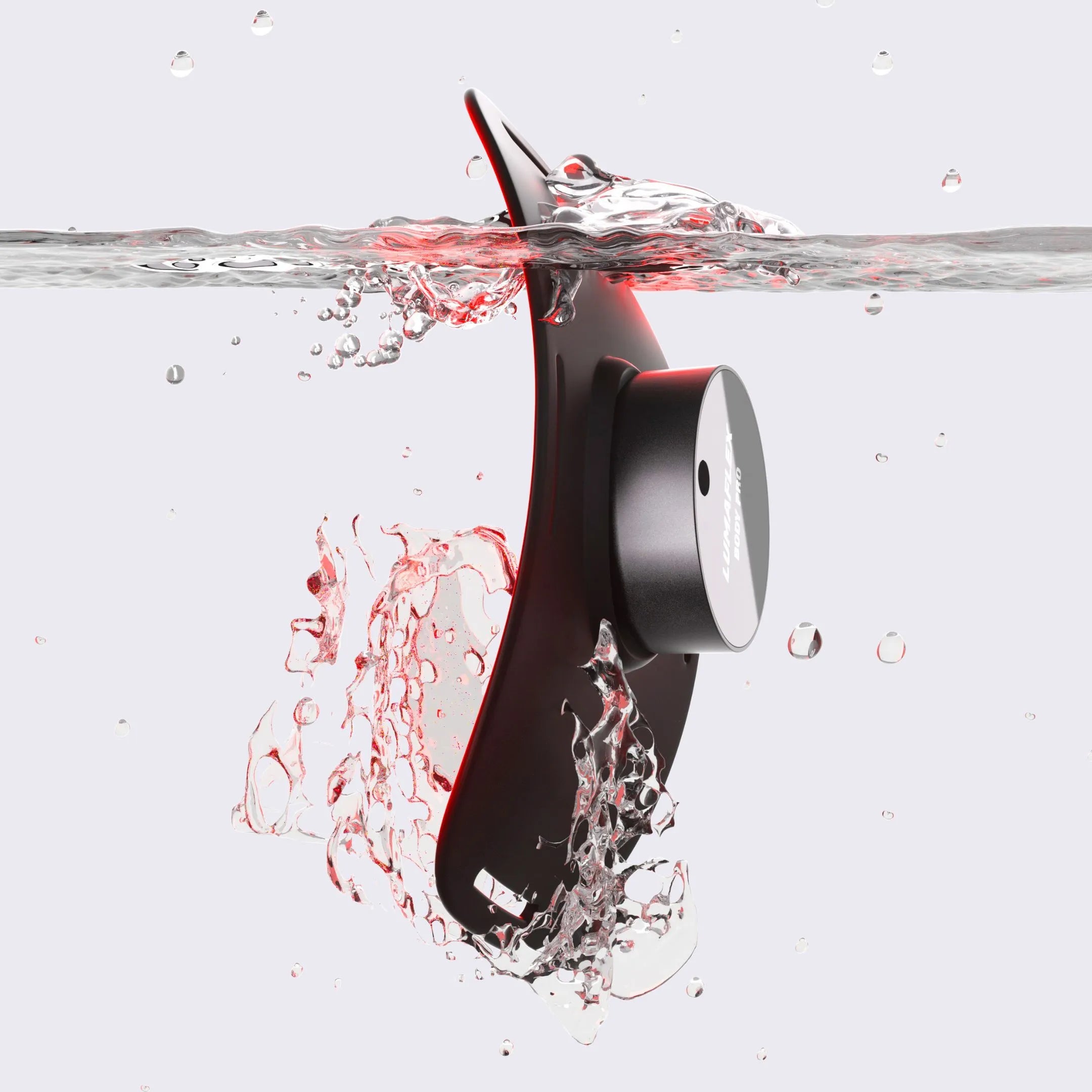
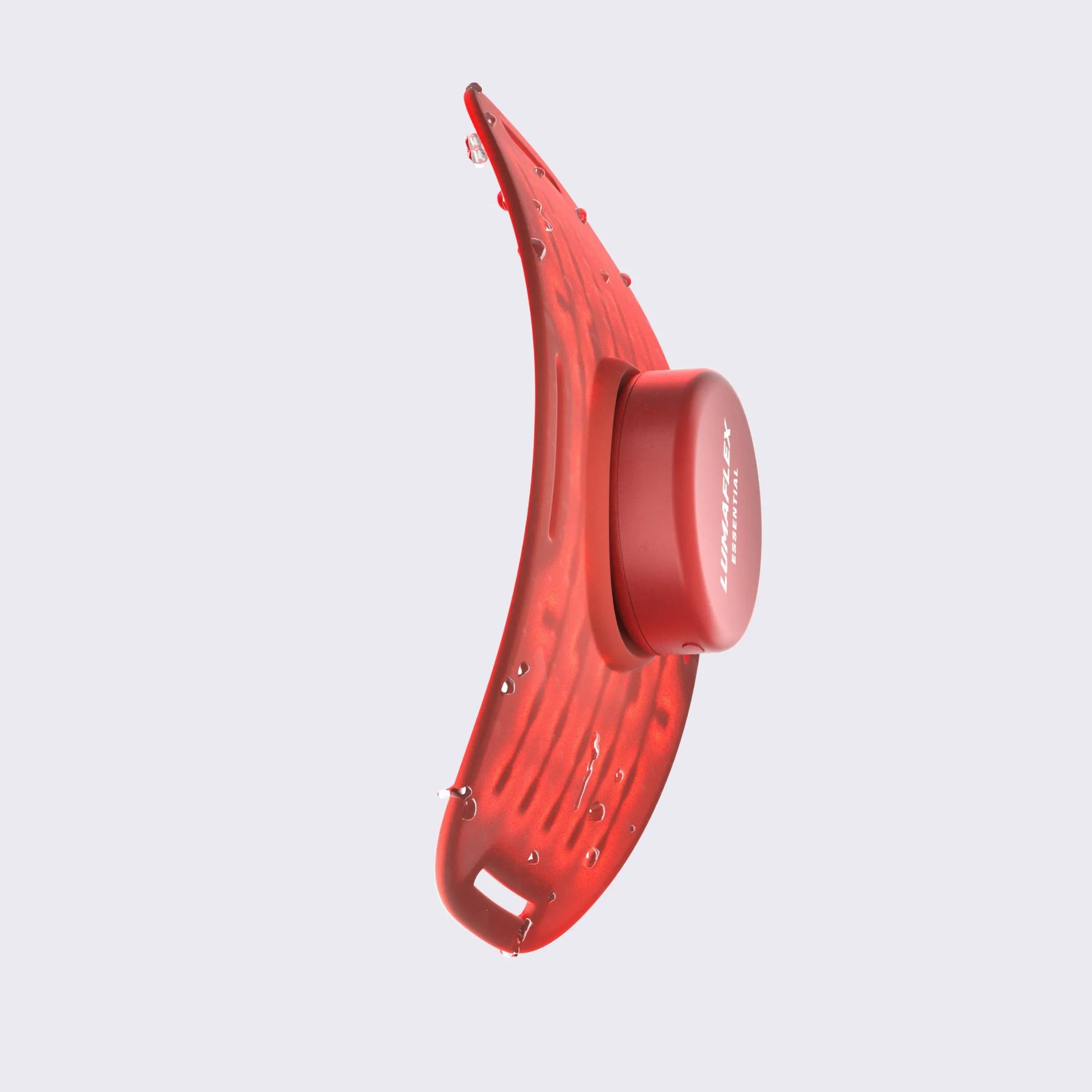
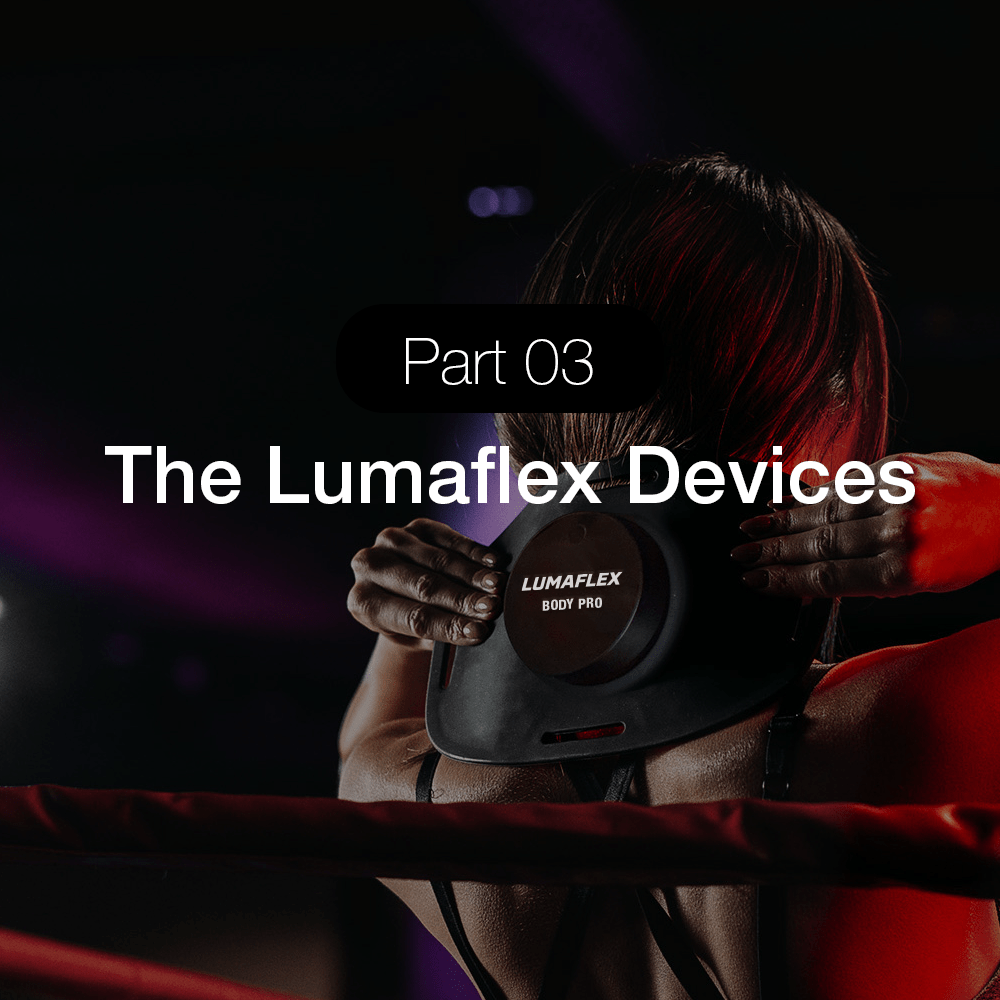
It is not simply a matter of adding moisture; it is a matter of restoring how it is retained by the skin. This is precisely the type of consistent and full coverage application that the Lumaflex Essential Pro is engineered for, enabling you to treat more of your skin surface, such as the face, neck, and body, with clinically relevant wavelengths. With consistent use and a simple skincare regimen, it helps restore the skin function that retains moisture where it belongs.
How Long Before Red Light Therapy Improves Dry Skin?
The duration for which the dry skin will start to improve varies from one individual to another. However, a general pattern is observed. Within the first two to three weeks, some individuals notice a decrease in flakiness and a smoother skin tone, which is sometimes referred to as improved radiance. Within the first four to eight weeks, changes in hydration and skin texture will be noticed. The use of the light therapy for a prolonged period will yield the best results, especially for those with chronic dry skin.
The results will depend on the severity of the dry skin, the regularity of the routine, and the combination with light therapy.
Can Red Light Therapy Replace Moisturizers?
No. Red light therapy and moisturizers work on dry skin from different angles. Neither modality can replace the other. Moisturizers provide water to the skin and create a barrier that locks water in the skin, thus reducing water loss from the skin surface. On the other hand, red light therapy works on the cellular level to support the skin's own repair and structural mechanisms. Using both will result in a greater effect than the sole use of either modality. Red light therapy is the solution to the problem; moisturizers treat the symptoms and create the environment in which healing can take place.
When Red Light Therapy Makes the Most Sense for Dry Skin
The current evidence and biological basis indicate that red light therapy could have a significant role to play in the management of chronic dry skin that does not respond optimally to conventional therapy, seasonal dry skin resulting from low environmental humidity or cold, age-associated dry skin where decreased cell turnover rates and lipid synthesis are contributing factors, and sensitive skin with recurring dryness and mild inflammatory components. Red light therapy could also play a role in supporting patients with skin conditions such as mild eczema, through anti-inflammatory properties, although it should not replace conventional therapy.
Does red light therapy actually help dry skin?
Research has indicated that red light therapy is effective for dry skin hydration indirectly. It is not effective for dry skin hydration directly because it doesn't add water to the skin. However, red light therapy is effective for dry skin hydration indirectly.
Can red light therapy replace moisturizer?
No. Red light therapy is best used with moisturizers but not instead of moisturizers. Red light therapy is effective for dry skin hydration indirectly because it improves cellular functions. Moisturizers provide water for dry skin.
How long before I notice a difference in dry skin?
Some noticeable differences in reduced flakiness and skin tone may become apparent within two or three weeks. However, significant improvements in hydration levels and texture may take four to eight weeks of regular treatment.
What wavelength is best for dry skin?
Red light at 630–660 nm is most directly relevant, as it targets the epidermal layer where the skin barrier sits. Near-infrared wavelengths at 810–850 nm provide complementary support at a deeper level. Devices that combine both ranges are well-suited for addressing dry skin.
Can red light therapy help with eczema-related dry skin?
It may offer some support through its anti-inflammatory effects and potential barrier-supporting activity, but eczema is a medical condition that requires appropriate clinical management. Red light therapy should be considered a supportive tool, not a treatment.
Can I use red light therapy every day?
Yes, within standard session duration guidelines. Daily use within recommended parameters is generally considered safe. Consistency over weeks and months is what drives meaningful results.
Key Takeaways on Red Light Therapy for Dry Skin
- Red light therapy may support skin hydration by improving barrier function rather than directly adding water to the skin.
- Reducing transepidermal water loss is central to how it relates to dry skin, and this works by supporting the structural integrity of the epidermis.
- The evidence base is promising but still emerging, with most support coming from studies on skin quality and PBM mechanisms rather than large dry-skin-specific trials.
- It works best when paired with a consistent skincare routine, not as a standalone solution.
- Results require consistency, with meaningful improvements typically developing over four to eight weeks.
- Red light at 630–660 nm is most directly relevant; near-infrared at 810–850 nm provides complementary support.
This article is for informational purposes only and does not constitute medical advice. Red light therapy is not a treatment for any skin condition. If you have persistent dry skin or a diagnosed skin condition, consult a qualified dermatologist or healthcare provider before adding new tools to your routine.
References
Al Balah, O. F., Rafie, M., & Osama, A. R. (2025). Immunomodulatory effects of photobiomodulation: a comprehensive review. Lasers in medical science, 40(1), 187. https://doi.org/10.1007/s10103-025-04417-8
Hernández‑Bule, M. L., Naharro‑Rodríguez, J., Bacci, S., & Fernández‑Guarino, M. (2024). Unlocking the power of light on the skin: A comprehensive review on photobiomodulation International Journal of Molecular Sciences, 25(8), 4483. https://doi.org/10.3390/ijms25084483
Hamblin, M. R., Wen, X., & Zhou, B. (2024). Editorial: Photobiomodulation and phototherapy in skin diseases. Frontiers in Medicine, Dermatology, 10, 1357286. https://doi.org/10.3389/fmed.2023.1357286
Couturaud V, Le Fur M, Pelletier M, Granotier F. Reverse skin aging signs by red light photobiomodulation. Skin Res Technol. 2023;29:e13391. https://doi.org/10.1111/srt.13391
Shivappa, P., Basha, S., Biswas, S., Mahato, K. K., & Prabhu, V. S. (2025). From light to healing: Photobiomodulation therapy in medical disciplines. Journal of Translational Medicine, 23, 1430. https://doi.org/10.1186/s12967-025-07466-3
Liu, J., Xia, D., Wei, M., Zhou, S., Li, J., & Weng, Y. (2023). Bibliometric analysis to global research status quo on photobiomodulation. Photobiomodulation, Photomedicine, and Laser Surgery, 41(12), 0058. https://doi.org/10.1089/photob.2023.0058