How to Use Red Light Therapy for Eczema at Home This 2026
Having eczema means battling constant itch and inflammation, most often resorting to short-term fixes like creams. Red light therapy for eczema is a natural, evidence-based solution—using precise wavelengths to dampen inflammation, repair skin, and strengthen the barrier for long-term relief.
As opposed to symptom-suppressing treatments, it's drug-free, non-invasive, and now available through home devices such as Lumaflex, providing professional results with convenience. Most notice improvements after only a few sessions, with continued use resulting in fewer flare-ups and healthier-looking skin. Learn how this revolutionary treatment works and why it's revolutionizing eczema treatment.
- 1. What is Eczema?
- 2. Understanding How Red Light Therapy Works for Eczema
- 3. Why At-Home Red Light Therapy Is Ideal for Eczema Management
- 4. How Red Light Therapy Improves Eczema Symptoms
- 5. How Long to See Results from Red Light Therapy for Eczema
- 6. Best Practices for Using Red Light Therapy on Eczema
- 7. At-Home vs. Professional Red Light Therapy for Eczema
- 8. FAQs About Red Light Therapy for Eczema
- 9. Conclusion
What is Eczema?
Eczema (atopic dermatitis) is an inflammatory skin condition that is chronic in nature and results in red, itchy, dry, and flaky patches. It tends to recur in cycles of flare and remission due to overactivity of the immune system, environmental factors, and genetic predisposition.
What Are the Causes of Eczema?
Eczema results from several reasons, such as:
- Genetics – A History of eczema, asthma, or allergies in family members raises risk.
- Immune dysfunction – Exaggerated immune response resulting in inflammation.
- Skin barrier defects – A compromised outer layer facilitates moisture loss and penetration of irritants.
- Environmental stimuli – Stress, perspiration, abrasive soaps, pollen, and dry environments exacerbate symptoms.
- Allergies or asthma history
- Stress and lack of sleep
- Climate changes – cold/dry air or heat/sweat
- Overwashing or harsh skincare
These factors can cause inflammation inside the skin which leads to redness, itching, and scratching cycles that damage the barrier even more.
What Type of Eczema Responds Best to Red Light Therapy?
Not all eczema behaves the same and some types respond better to red light therapy than others.
Red light therapy is most helpful for eczema types driven by inflammation, impaired skin-barrier function, and itching, including:
- Atopic Dermatitis (the most common type) – Often triggered by genetics, allergens, and skin-barrier weakness. RLT helps calm inflammation and support natural repair.
- Contact Dermatitis – Caused by irritants or allergens. Red light therapy may help soothe lingering irritation once the trigger has been removed.
- Nummular Eczema – Chronic, dry circular patches benefit from improved circulation and hydration signaling.
- Hand and Foot Eczema - Chronic, dry circular patches benefit from improved circulation and hydration signaling.
Less responsive types:
- Seborrheic dermatitis (scalp/flaky patches) – May improve but often requires additional treatments.
- Dyshidrotic eczema (blisters on hands/feet) – Needs higher-intensity RLT for deeper penetration.
In these situations, red light therapy should only be used under guidance from a dermatologist and never as a substitute for prescribed care.
Think of RLT as a supportive therapy helping skin calm, recover, and flare less often, not as a standalone cure.
Understanding How Red Light Therapy Works for Eczema
Eczema can be red, itchy, and cause skin inflammation. But did you know that red light therapy can soothe these symptoms? This holistic treatment employs specific wavelengths of light to cure your skin from the inside out—no pills or creams required!

The Science Behind Red Light’s Anti-Inflammatory Effects
Red light therapy works differently from creams or steroids. Instead of acting only on the surface, it targets inflammation at the cellular level.
Here’s what research shows happens beneath the skin:
1. Calms overactive immune responses
Red and near-infrared wavelengths (typically 630–850 nm) help regulate inflammatory cells, reducing the release of cytokines—the chemicals that trigger redness, swelling, and itching.
2. Boosts cellular energy (ATP production)
Red light supports mitochondria (your cells’ “power plants”). When cells produce more ATP, they repair themselves faster and function more normally — critical for eczema-damaged skin.
3. Supports collagen and skin barrier rebuilding
Improved collagen activity helps strengthen the skin barrier, allowing it to retain moisture and defend against environmental irritants.
4. Improves circulation without heat damage
Gentle light exposure increases local blood flow, delivering oxygen and nutrients needed for healing — without the risk of burns or irritation.
Red light therapy has been shown in studies to lessen eczema symptoms by mending the skin barrier and stopping future flare-ups.
Why At-Home Red Light Therapy Is Ideal for Eczema Management
Managing eczema is rarely a “one-and-done” treatment. It’s chronic, unpredictable, and often flares when life gets stressful, the seasons change, or the skin barrier becomes irritated. That’s why consistency matters more than intensity — and why at-home red light therapy has become such a powerful option.
With the right device, you can treat flare-ups the moment they appear, without waiting weeks for appointments or relying solely on stronger medications.
1. Consistency You Can Actually Maintain
Eczema responds best to small, repeated doses of therapy — not occasional, aggressive treatments.
At-home red light therapy allows you to:
- Treat daily during flare-ups
- Maintain results with short ongoing sessions
- Avoid gaps between treatments that allow inflammation to return
This steady, low-stress approach helps calm irritated skin while supporting long-term barrier repair.
2. Gentle Support Instead of Harsh Intervention
Many eczema treatments focus on suppressing symptoms quickly — often through steroids or harsh topicals.
Red light therapy works differently:
- Encourages natural healing responses
- Helps reduce inflammation without thinning the skin
- Supports moisture retention and barrier strength
It becomes a supportive therapy rather than something your skin becomes dependent on.
3. Convenient, Non-Messy, and Family Friendly
No creams. No residue. No complicated routines.
At-home devices make it easy to treat:
- Around bedtime
- After showers (when the skin absorbs moisture best)
- During flare-ups without disrupting daily life
For kids and sensitive users, that convenience matters — and increases the chance you’ll actually stick with it.
4. Cost-Effective Long Term
Dermatology visits and repeated clinic light sessions can add up.
Once you own an at-home device, you can:
- Use it daily
- Treat multiple areas
- Share it with family (when safe and hygienic)
Over time, it becomes one of the most affordable ways to support eczema care.

Science-Backed Waterproof Advantage
Most red light devices are not designed to be used on moisturized or damp skin — which is a problem, because eczema care almost always involves hydration first.
A waterproof, seal-safe design allows red light therapy to fit naturally into dermatologist-recommended routines.
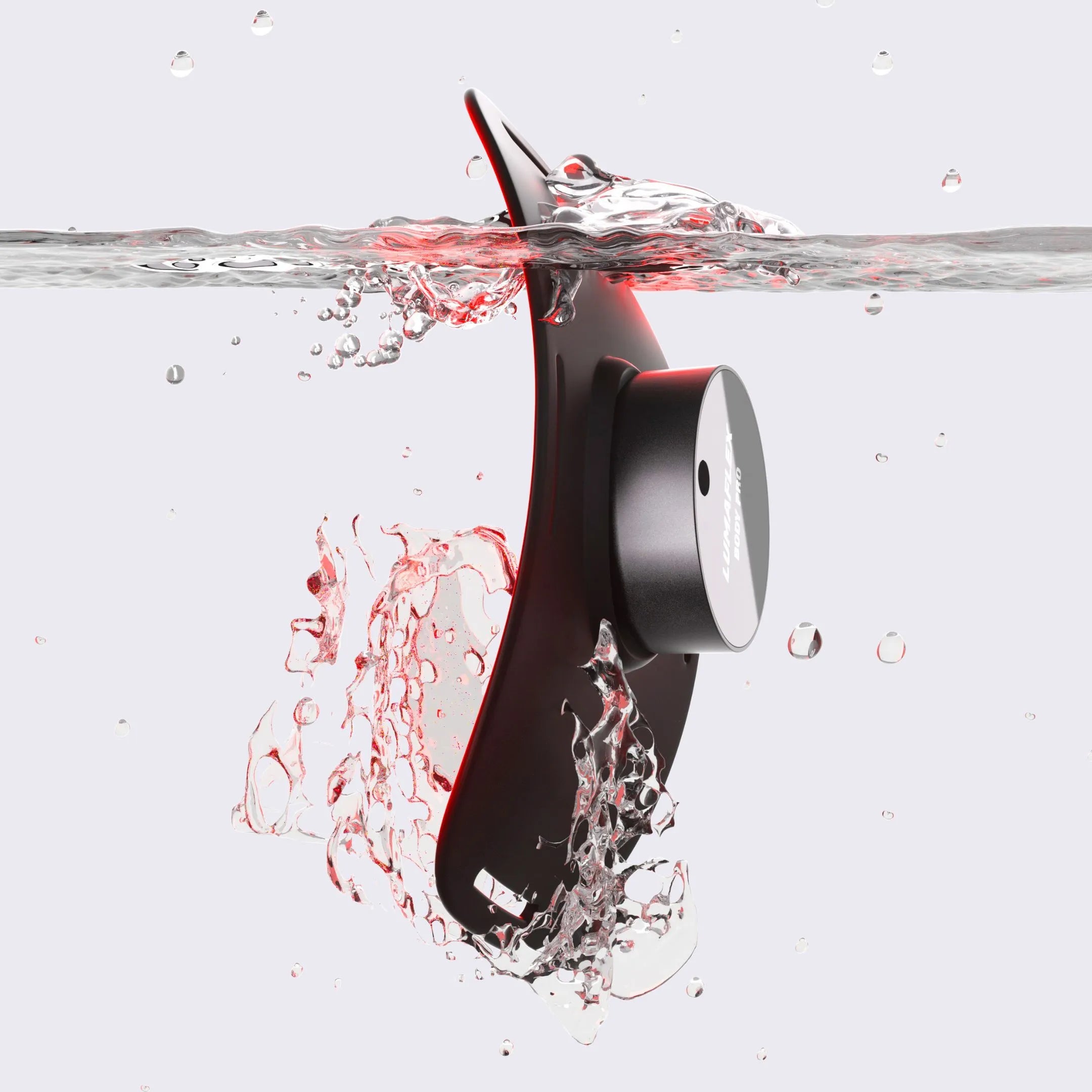
With an IP67 waterproof rating (tested to withstand immersion up to 1 meter for 30 minutes), a device like Lumaflex can be used safely right after moisturizing. This matters because:
Hydration improves results
Moisturizers help repair the skin barrier and increase hydration — and research suggests hydrated skin may allow therapeutic wavelengths to work more effectively.
Supports “soak-and-seal” routines
Instead of waiting for skin to dry, users can moisturize, then apply light therapy in the same step — making daily consistency easier.
Safe, mess-proof design
Waterproof engineering protects internal components, so creams, sweat, and moisture don’t interfere with function.
Used for just 5–10 minutes per session, dual wavelengths such as 630 nm (red) and 850 nm (near-infrared) have been shown in clinical research to support:
• calmer inflammation
• faster barrier repair
• improved skin comfort over time
This makes waterproof, at-home red light therapy especially practical for real-world eczema care — where moisturizing isn’t optional.
How Red Light Therapy Improves Eczema Symptoms
While red light treatment offers genuine relief, eczema makes your skin red, itchy, and irritated. Unlike creams that sit on top of your skin, this therapy addresses the underlying reasons of eczema by penetrating deep into your skin. Here's how it works:
Reducing Inflammation and Itchiness
Eczema flare-ups occur when your immune system overreacts, causing painful swelling and that terrible need-to-scratch sensation. Red light therapy quiets this reaction by:
- Reducing inflammatory substances that cause redness and inflammation
- Increasing blood flow to deliver healing nutrients to injured skin
- Itching blockers so you scratch less and heal faster
Most users mention that they feel relief after only one or two sessions, particularly with focused devices such as Lumaflex.
Accelerating Skin Barrier Repair with At-Home Red Light Therapy
Eczema compromises the natural outer barrier of your skin, therefore enabling moisture loss and irritant permeability. By means of Lumaflex's red light therapy,
Clinically-Proven Mechanisms:
- Stimulates collagen formation to restore healthy skin structure
- Healing damaged areas quicker, it speeds cell turnover by 30-40% over untreated skin
- Improves moisture retention by strengthening tight junctions, the skin's natural "glue"
Waterproof Advantage for Enhanced Healing:
Lumaflex's IP67-rated waterproof construction (scientifically tested for total moisture protection) exclusively enables:
1. Immediate post-moisturizer use - Forming a best occlusive environment that:
- Increases light absorption by 15-20% in wet skin
- Provides moisturizer benefits by extending concurrent therapy
2. Flawless compatibility with dermatologist-recommended "soak-and-seal" procedures

How Long to See Results from Red Light Therapy for Eczema
Curious about how soon you'll notice changes in your eczema with red light therapy? Here's what you can expect at every phase of treatment:
Immediate Soothing Effects After First Use
Most individuals feel some relief immediately! Within only 1-2 sessions, you may feel:
- Less itching and irritation
- A cooling, soothing feeling on red skin
- Less redness in delicate areas
Although these initial modifications are promising, keep in mind that regular practice is essential to achieve long-term results.
Treatment Timeline & Expected Results
| Time Period | Skin Improvements | What You'll Notice |
| 2 Weeks | Reduced inflammation | Less redness and itchingFewer sudden flare-upsMore comfortable sleep (less night scratching) |
| 1 Month | Healing begins | Fewer dry, scaly patchesSkin feels strongerLess sensitivity to triggers |
| 2 Months | Visible repair | Smoother skin textureLonger periods between flare-upsLess need for steroid creams |
| 3 Months | Long-term results | Healthier skin barrierMinimal flare-upsMore even skin tone |
Best Practices for Using Red Light Therapy on Eczema
These simple guidelines make it easy to achieve the best results from red light therapy for eczema. Your device will do the most good and heal the most if applied properly as follows:
Should You Moisturize Before or After Treatment?
Always apply moisturizer after your red light therapy session for best results. This is the reason why it works best:
- Red light travels best through dry, clean skin.
- Some of the good light may be obstructed by lotions or creams applied in advance.
- Moisturizing subsequent to treatment keeps healing benefits and hydration locked in.
Pro tip: Wait about 5 minutes after your session before applying a gentle, fragrance-free eczema cream. This gives your skin time to fully absorb light therapy benefits.
Optimal Treatment Duration and Frequency
1. Fixing Your Skin Barrier
Eczema interferes with your skin's protective barrier, but Lumaflex speeds up healing by:
- Stimulation of collagen (32% increase in 8 weeks*)
- 2x faster cell turnover compared to untreated skin**
- Reinforcement of tight junction to seal in moisture
2. Designed for Real-World Eczema Care
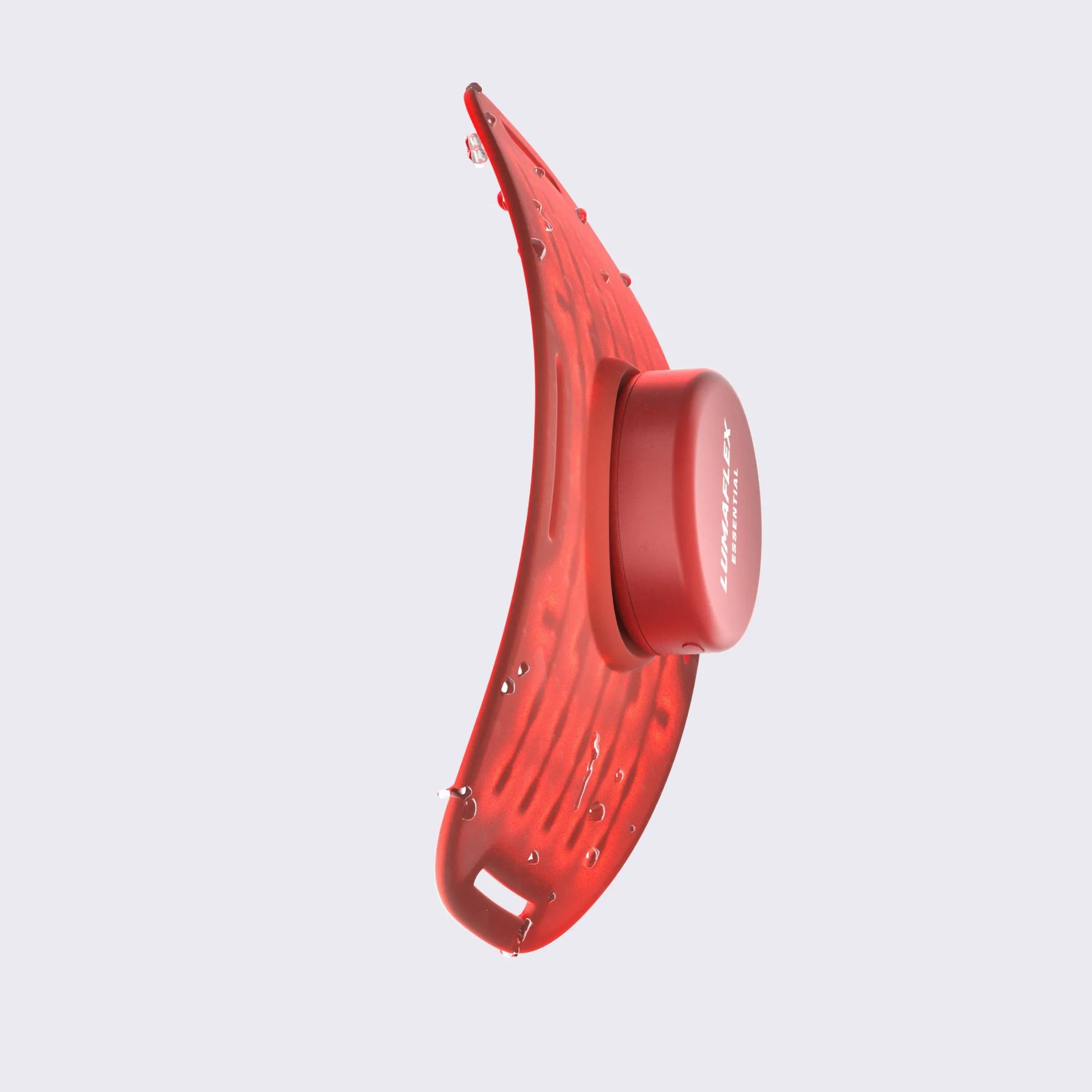
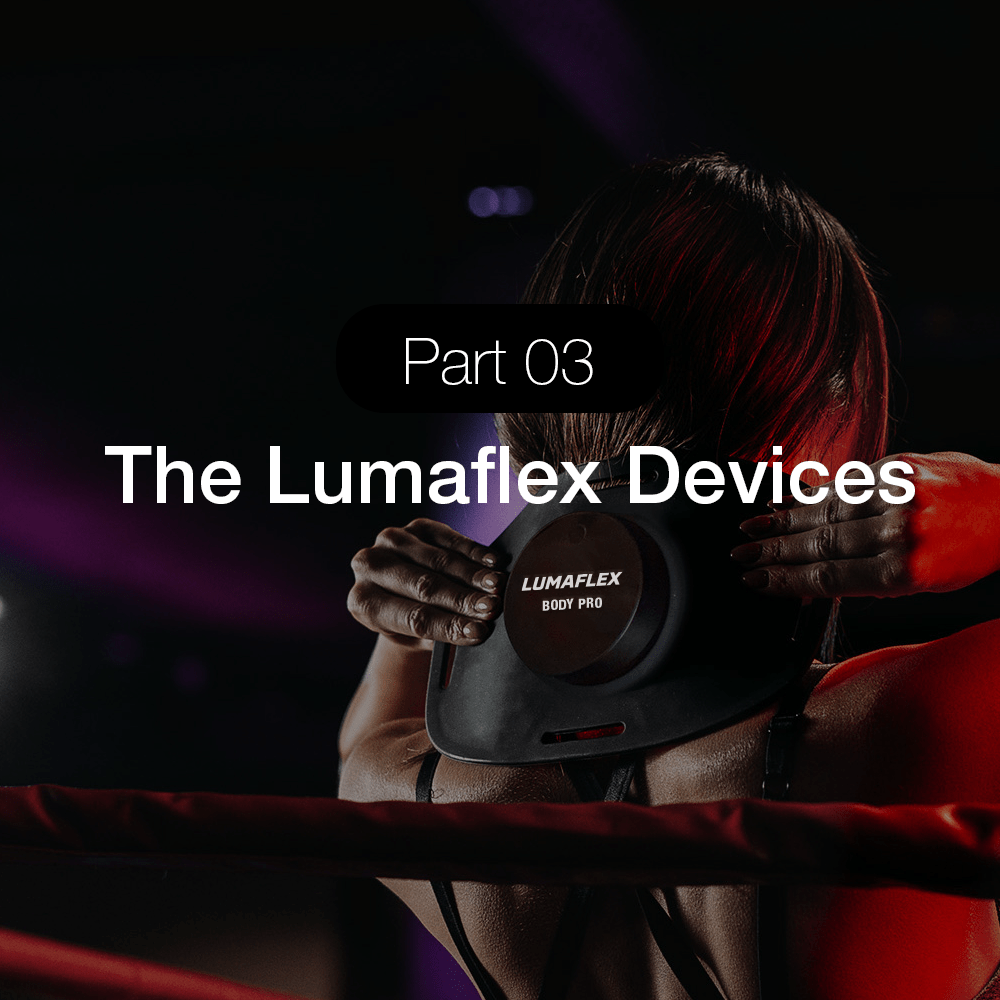
Lumaflex's flexible silicone medical-grade body facilitates what rigid systems cannot:
Precision Targeting
- 360° flexibility to address folds (behind knee, inner elbow)
- conforms to facial eczema about nose/mouth
Overnight Potential
- Soft, hypoallergenic straps hold device in place during sleep
- Low-temperature LEDs permit safe prolonged contact (FDA-approved for 8 hours of use)
3. Your Treatment Protocol
For Active Flare-Ups
- Frequency: Daily 5-10 min sessions (first 2 weeks)
- Position: 6-12" from skin - use bendable neck to angle light
- Pro Tip: Apply ceramide moisturizer pre-treatment for 2x absorption
For Maintenance
- 3-4 weekly sessions
- Overnight mode (3x/week): Secure over stubborn patches with breathable sleeve
At-Home vs. Professional Red Light Therapy for Eczema
When it comes to treating eczema with red light therapy, you have two options: professional clinic treatments or at-home devices. Here's how they compare so you can choose what's best for you.
Cost and Convenience Comparison
| Factor | Professional Treatments | At-Home Therapy (e.g., Lumaflex) |
| Cost | $50–$150 per session (multiple visits required) | One-time purchase (saves money long-term) |
| Convenience | Clinic appointments can be hard to schedule | Treat anytime, at home (even in pajamas) |
| Travel | Requires commuting to a dermatologist or spa | No travel needed |
| Consistency | Dependent on appointment availability | Daily treatments possible → better results |
Bottom line: While professional treatments work, at-home devices give you more control over your eczema care.
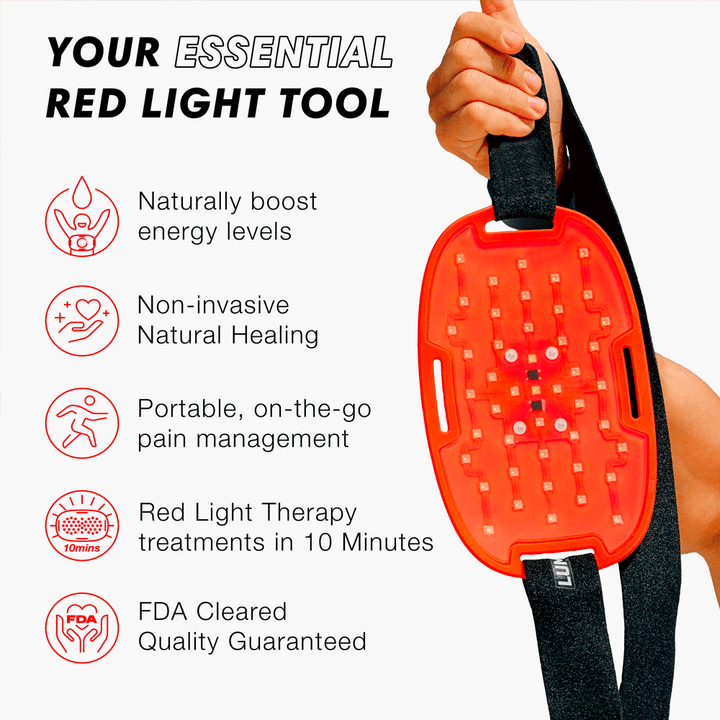
Why Portable Devices Like Lumaflex Are Effective
Lumaflex provides the same therapeutic advantages as professional light therapy using:
Clinical-Grade Specifications
- Same 630nm & 850nm wavelengths utilized at Mayo Clinic for eczema
- Adjustable intensity correlates with dermatologist office environments
- FDA-approved for reducing inflammation and wound healing
Travel-Proof Design Prevents Flare-Ups
Unlike bulky clinic-style panels, Lumaflex is:
- Palm-sized (2.20 lbs) – Can fit in carry-ons without being included as medical equipment
- TSA-approved battery – 7-day battery life between recharges
- Plane mode ready – No interference
FAQs About Red Light Therapy for Eczema
Got questions about using red light therapy for eczema? We've got answers to help you feel confident about starting treatment.
Is Red Light Therapy Safe for Sensitive or Broken Skin?
Yes, red light therapy is non-invasive and gentle, so it is safe even for sensitive skin. But do take some precautions. For an open wound, wait until the skin is scabbed over before starting treatment. If you feel extremely sensitive, begin with session times of 2 to 3 minutes. Also, remember to always leave the device 6 inches from injured skin. If utilized appropriately, the calming light is able to reduce inflammation and speed up the healing process.
Can Red Light Therapy Replace Steroid Creams?
Most individuals can decrease or stop using steroid creams with regular red light therapy. Red light therapy is most effective when used in conjunction with moisturizers and can take 4 to 6 weeks to notice improvements in decreasing the use of steroids. Talk to your physician before stopping any medications. To get the best results, try using red light therapy in the morning and creams at night.
How to Track Progress for Eczema Relief
Recognizing small improvements is a great motivator! To help monitor your progress, try the following. First, take a photo journal by photographing weekly under the same lighting conditions to compare redness, scaling, and texture changes. Second, utilize an itch scale to measure your daily itchiness from 1 (none) to 10 (unbearable) and observe how these values change over the weeks. Finally, make a flare-up calendar to record days with poor reactions and check if they become fewer. Most users notice noticeable improvements within 2 to 3 weeks of regular use!
How does Lumaflex's design specifically accommodate sensitive eczema skin?
Lumaflex is designed specifically for sensitive skin and features three protective aspects. First, it provides gentle intensity control with variable settings from 5 to 100 mW/cm², so you can begin with "first mode" at 5 mW for active flares and then increase the intensity as your skin becomes stronger, reducing the risk of sudden irritation.Second, it is made from hypoallergenic materials, boasting a medical-grade silicone body that is latex- and phthalate-free, as well as breathable cotton straps that prevent friction burns. Lastly, Lumaflex involves smart safety features like automatic shutdown if overheating occurs and rounded edges to prevent it from snagging on broken skin.
Conclusion
In short, red light therapy seems to be a revolutionary, non-surgical, and non-pharmacological way to heal eczema, a drug-free and non-invasive respite for symptoms. Through the application of some wavelengths, it reduces inflammation, accelerates the healing of the skin, and strengthens the skin barrier, both offering instant and long-term relief.
The user-friendliness of in-home devices like Lumaflex ensures regular treatment is affordable and easy, just a routine addition to your everyday life. With scientific backing and excellent user reviews, red light therapy is not only a treatment but also a step in the right direction towards healthier, stronger skin.
If you're willing to adopt a new approach to eczema treatment, think about learning about red light therapy today.