Red Light Therapy for Knee Pain: What Research Says

Red light therapy for knee pain is increasingly being explored as people search for alternatives to medication. Whether it's the stiffness that greets you every morning, the ache that flares after a run, or the chronic inflammation that makes climbing stairs a second thought, the knee is a joint that rarely lets you forget it's there. And while ice, NSAIDs, and physical therapy all have their place, a growing number of people are turning to red light therapy as a drug-free option with genuine clinical backing.
This guide covers what the research actually says, how the mechanism works at the cellular level, what conditions respond best, and what realistic results look like, so you can make an informed decision before committing to a protocol.
Does Red Light Therapy Help Knee Pain?
Research suggests red light therapy may reduce knee pain by decreasing inflammation, improving circulation, and supporting tissue repair. It has been studied most extensively in osteoarthritis and chronic joint pain, with clinical trials showing meaningful reductions in pain scores and improvements in stiffness and mobility. It is not a cure, and results depend on consistency, condition severity, and device quality, but for many people with moderate knee pain, it is a clinically supported option worth considering.
What Is Red Light Therapy?
Red light therapy (RLT), also called photobiomodulation (PBM) or low-level laser therapy (LLLT) uses specific wavelengths of red and near-infrared light to stimulate biological processes inside cells. Unlike UV light, it doesn't damage tissue. Unlike heat pads, it isn't warming the surface. It's triggering a photochemical response inside the mitochondria.
The wavelengths used clinically fall in two ranges: red light at 630–660nm, which works at the skin and surface tissue level, and near-infrared light at 810–850nm, which penetrates deeper into muscle, tendon, and joint tissue. For knee pain specifically, the depth of near-infrared light is what makes it relevant. The joint sits beneath layers of skin, fat, and connective tissue that red-only devices can't reliably reach.
Why Knee Pain Happens
The knee is the largest joint in the body and one of the most mechanically loaded. Understanding what's driving your pain matters, because red light therapy doesn't work identically across all conditions. It has the strongest evidence in some areas and more limited data in others.
Osteoarthritis
Osteoarthritis (OA) is the most common form of knee pain in adults over 40. It involves the gradual breakdown of cartilage, the cushioning tissue between bones, leading to inflammation, stiffness, and pain with movement. OA is also the condition with the strongest clinical evidence for red light therapy benefit.
Tendonitis and Overuse Injuries
Patellar tendonitis (jumper's knee) and iliotibial band syndrome (runner's knee) result from repetitive mechanical stress. Inflammation in the tendon or surrounding tissue causes localized pain, often below the kneecap or along the outer knee. Both respond well to anti-inflammatory interventions, making red light therapy a reasonable adjunct to rest and load management.
Meniscus Injuries
The menisci are two C-shaped cartilage discs that act as shock absorbers. Tears, whether from acute trauma or degenerative wear cause pain, swelling, and instability. Red light therapy won't repair a structural tear, but it may reduce the inflammation and pain that accompanies partial tears and post-surgical recovery.
Chronic Inflammation
Some knee pain isn't tied to a specific structural cause. It's the result of persistent, low-grade inflammation that keeps the joint sensitized. This is common in people with autoimmune-adjacent conditions, poor recovery habits, or long-standing overuse. Reducing systemic and local inflammation is where red light therapy has one of its clearest mechanisms of action.
How Red Light Therapy Works for Knee Pain
The mechanism isn't speculative. It's been studied at the cellular level across hundreds of peer-reviewed papers. Here's what happens when therapeutic light hits joint tissue:
Mitochondrial ATP production. Photons absorbed by cytochrome c oxidase in the mitochondria stimulate increased production of adenosine triphosphate (ATP), the energy currency cells use for repair. Damaged or inflamed cells are energy-depleted; more ATP means faster recovery of the surrounding tissue.
Nitric oxide release. Light exposure causes the release of nitric oxide from cells, which dilates blood vessels and improves local circulation. For a joint like the knee, which already has relatively poor blood supply compared to muscle tissue improved microcirculation means more oxygen and nutrients reaching the site of inflammation and more efficient clearance of metabolic waste.

Reduced inflammatory cytokines. Chronic knee pain is driven in part by pro-inflammatory signaling molecules, particularly TNF-α and IL-6. Red light therapy has been shown to suppress these cytokines while upregulating anti-inflammatory ones like IL-10, shifting the tissue environment from one that perpetuates inflammation to one that supports resolution.
Collagen support. Photobiomodulation stimulates fibroblast activity and collagen synthesis, which supports the structural integrity of tendons, ligaments, and cartilage, all of which are under stress in a compromised knee.
Red vs. Near-Infrared Light: 660nm vs. 850nm
This distinction is more important for knee pain than for almost any other application. Red light at 660nm penetrates approximately 2–3mm, effective for surface inflammation, skin tissue, and superficial structures. Near-infrared at 850nm penetrates 4–5cm or more into tissue, which is what's needed to reach the joint capsule, synovial membrane, and deeper cartilage.
Most of the clinical research on osteoarthritis and joint pain uses near-infrared wavelengths or dual-wavelength protocols. A device that delivers only visible red light is unlikely to produce the same outcomes you'd see in the trials, because the light doesn't reach the tissue that matters. This is one of the most common reasons people try red light therapy for knee pain and don't see results.

What the Research Says About Knee Pain Relief
The clinical evidence is most robust for knee osteoarthritis. A 2021 trial published in Clinical Rehabilitation reported a 62% reduction in joint swelling in arthritis patients treated with photobiomodulation versus placebo. Other randomized controlled trials have used the Visual Analog Scale (VAS), a standard pain measurement tool and consistently shown statistically significant reductions in both pain intensity and morning stiffness.
A systematic review examining photobiomodulation for knee OA found improvements in functional mobility across multiple studies, including better range of motion, reduced stiffness, and improved performance on standardized walking tests. Effect sizes varied, but the pattern across trials is consistent: patients receiving active light therapy outperform placebo controls on pain and function outcomes.
For tendonitis and overuse injuries, the evidence is also supportive, though the trial base is smaller. Studies on patellar tendinopathy and plantar fasciitis (a structurally similar condition) show reduced pain scores and faster return to activity compared to control groups.
What the research does not support and what responsible sources should not claim is structural cartilage regeneration or reversal of bone-on-bone arthritis. Red light therapy reduces inflammation, supports tissue health, and improves pain tolerance. It is not a structural repair tool.
Red Light Therapy vs. Ice, NSAIDs, and Physical Therapy
Understanding how red light therapy fits alongside other treatments helps set expectations and inform how to use it best, whether alone or in combination.
Ice works through vasoconstriction. It narrows blood vessels, numbs nerve endings, and temporarily reduces swelling. It's effective for acute injuries in the first 24–72 hours, but repeated icing can actually impair the inflammatory processes the body needs for repair. It doesn't address the underlying drivers of chronic knee pain.
NSAIDs (ibuprofen, naproxen) block the enzymes that produce prostaglandins, reducing pain and inflammation chemically. They're effective for short-term relief, but long-term use carries real risks: GI damage, cardiovascular effects, and, notably for joint health evidence that some NSAIDs may impair tendon and cartilage repair over time. They mask pain rather than address the cellular environment.
Physical therapy addresses movement mechanics, muscle imbalances, and load distribution, the structural contributors to knee pain. It's often the most important long-term intervention, especially for overuse injuries. It doesn't directly reduce inflammation at the cellular level.
Red light therapy targets inflammation at the mitochondrial and cytokine level, not as a pain blocker, but as a recovery facilitator. It's most powerful when used consistently as part of a broader protocol: alongside physical therapy for load management, with ice only during acute flares, and as a replacement for routine NSAID use in people managing chronic inflammation. The advantage is a favorable safety profile and a mechanism that supports tissue health rather than just suppressing symptoms.
How to Use Red Light Therapy for Knee Pain
Protocol matters. The research doesn't just study whether red light works. It studies specific dosing parameters. Here's what the clinical evidence and practical application support:
• Wavelengths: Use a device with both 660nm (red) and 850nm (near-infrared) output. Single-wavelength red-only devices are unlikely to deliver sufficient depth for joint tissue.
• Session length: 10–20 minutes per session is the clinically studied range. More is not always better; overdosing light can produce diminishing returns.
• Frequency: 3–5 sessions per week. Consistency produces cumulative effects; sporadic use does not replicate the trial conditions that show benefit.
• Placement: Skin contact or very close proximity (under 1cm). Light intensity falls off sharply with distance, for joint tissue, proximity is critical.
• Timeline: Most people notice changes within 2–4 weeks of consistent use. Significant functional improvement typically emerges at 4–8 weeks.
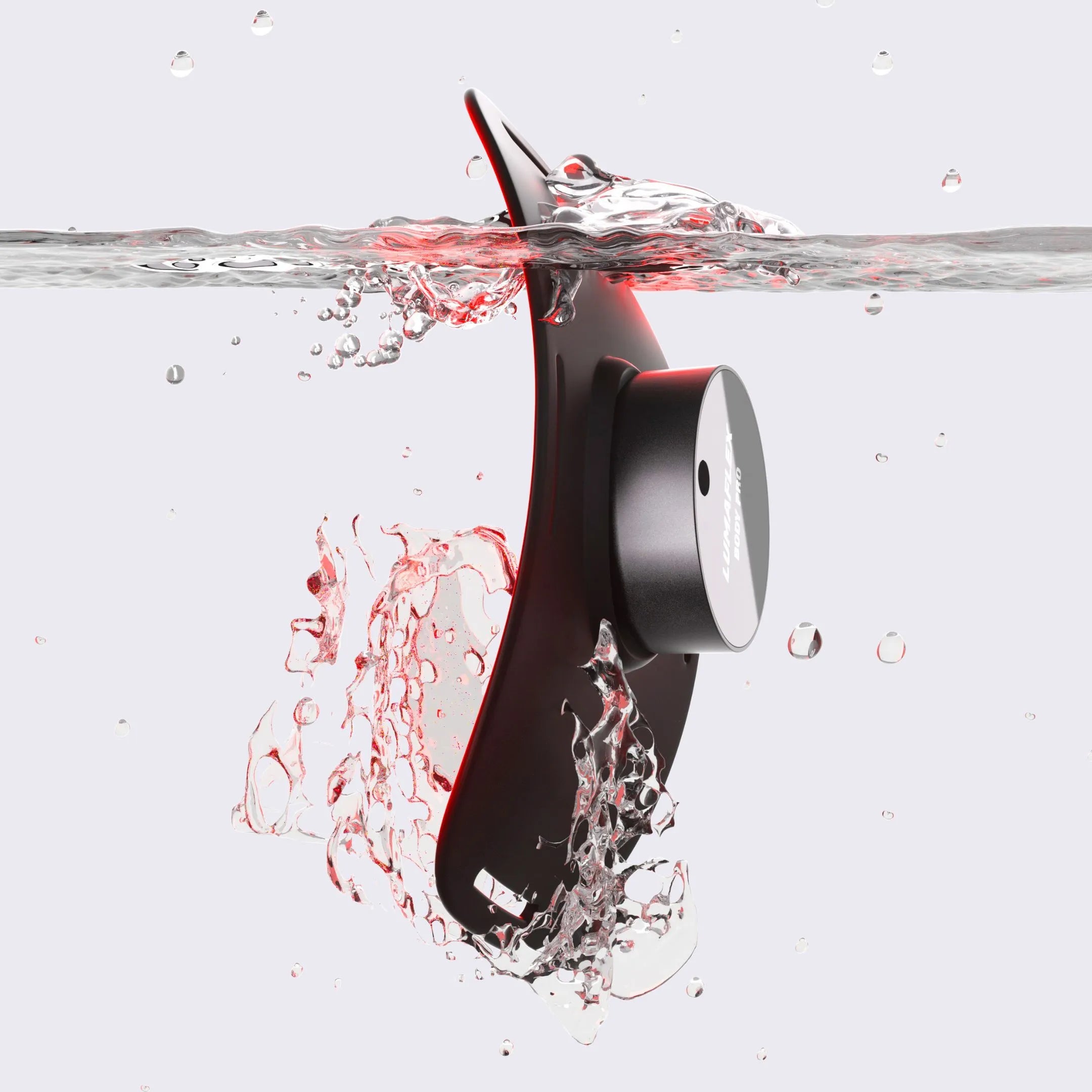
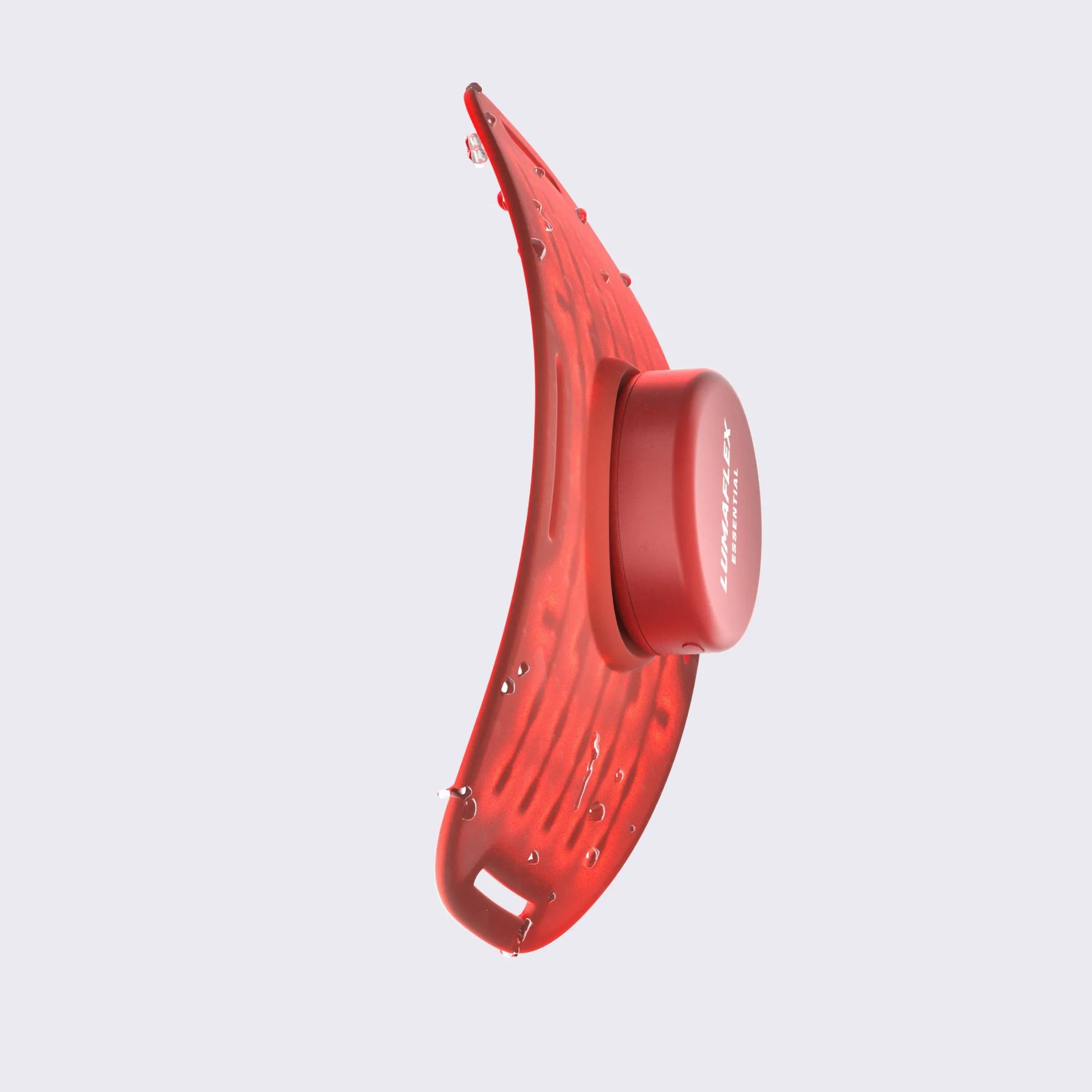
One practical barrier with conventional panel devices is maintaining consistent, close contact with a curved joint like the knee. This is where flexible wrap-style designs have a genuine functional advantage. They conform to the joint, maintain appropriate proximity across the entire treatment area, and allow hands-free use, which supports the consistency that research protocols require. Lumaflex's flexible wrap design was built with exactly this use case in mind.
What to Look for in a Red Light Therapy Device for Knees
Not all devices are equal, and the marketing around red light therapy has outpaced the quality controls. When evaluating a device for knee use specifically, the key factors are:
• Dual wavelengths (660nm + 850nm). This is non-negotiable for joint pain. Verify actual wavelength output, not just claims.
• Adequate irradiance. The device needs sufficient power density (measured in mW/cm²) to deliver a therapeutic dose in a reasonable session time. Underpowered devices may require impractically long sessions.
• Coverage area. The knee isn't a small surface. A device should cover the front, sides, and back of the joint to address all relevant tissue.
• Joint contouring. Flat panel designs create distance between the LED array and the curved knee surface. Flexible or wrap-style devices maintain contact; which directly impacts dose delivery.
• Ease of consistent use. The best device is the one you'll actually use 4–5 times a week. Complexity, setup time, and poor portability are common reasons people don't maintain protocols.
Is Red Light Therapy Safe for Knee Pain?
Red light therapy has a well-established safety profile and is generally well tolerated across a wide range of populations. It doesn't generate ionizing radiation, it doesn't produce the tissue damage associated with UV exposure, and at therapeutic doses it produces no known serious side effects.
There are a few practical precautions. Eye protection is recommended during sessions, not because the light causes immediate damage, but because the brightness can be uncomfortable and prolonged direct exposure to the eye is not well studied. Avoid direct use over active cancer sites. People who are pregnant should consult a physician before beginning any new therapeutic protocol. For post-surgical use, allow incisions to fully close before applying light directly to the healing tissue, typically several weeks after the procedure, depending on the type of surgery.
For people recovering from knee surgery specifically, red light therapy has been studied as an adjunct to rehabilitation, with some evidence suggesting faster recovery of strength and reduced post-operative inflammation; but timing and application should be guided by your surgical team.
Who Is a Good Candidate?
Red light therapy is likely to be most beneficial for people with early to moderate osteoarthritis, chronic joint stiffness, tendonitis or overuse injuries, and persistent inflammation that hasn't resolved with rest alone. It's a strong fit for active adults over 35 managing the cumulative wear that comes with years of training, as well as for people who want to reduce or avoid reliance on NSAIDs and other pain medications. Athletes managing load during heavy training blocks often use it as a recovery tool between sessions.
When Red Light Therapy May Not Be Enough
There are situations where red light therapy is likely to provide limited benefit and where other interventions should take priority. Advanced bone-on-bone arthritis, where cartilage is substantially or completely gone involves structural damage that no light-based therapy can reverse. Severe structural tears of the meniscus or ACL that require surgical intervention won't be resolved with photobiomodulation, though it may support recovery afterward. Acute traumatic injuries with significant swelling, fracture, or vascular involvement need immediate medical evaluation before any home treatment protocol.
Being honest about these limits is part of using any therapeutic tool effectively. Red light therapy works best as part of a broader care strategy, not as a standalone replacement for necessary medical evaluation or structural interventions.
How long does red light therapy take to work?
Most people notice some reduction in stiffness or discomfort within 2–4 weeks of consistent use (3–5 sessions per week). More significant improvements in mobility and sustained pain reduction typically emerge at 4–8 weeks. Chronic conditions take longer than acute ones.
Is red light therapy safe for arthritis?
Yes, and it's one of the best-studied applications. Multiple randomized controlled trials have examined red light therapy in knee osteoarthritis specifically, finding improvements in pain scores, stiffness, and mobility without adverse effects. It is safe for long-term use at standard therapeutic doses.
Can red light therapy rebuild cartilage?
No — and be cautious of any source that claims otherwise. Red light therapy supports the cellular environment around cartilage by reducing inflammation and stimulating collagen production, which may help slow further degradation in early to moderate OA. It does not regenerate cartilage that has already been lost.
How often should I use it?
Three to five sessions per week is the standard protocol for chronic knee pain. Each session should last 10–20 minutes over the joint. Consistency over weeks matters more than any single session. The effects are cumulative.
Is infrared or red light better for knee pain?
For joint pain specifically, near-infrared (850nm) is more relevant because it penetrates deep enough to reach joint tissue. However, the most effective approach and the one reflected in clinical research combines both wavelengths: red (660nm) for surface inflammation and near-infrared (850nm) for deeper joint structures.
Does it help bone-on-bone knees?
For severe bone-on-bone arthritis, the structural damage is beyond what red light therapy can address. Some people with advanced OA still report improvements in pain and inflammation, the inflammatory component of OA is present even in late stages, but expectations should be appropriately modest and the decision made in consultation with an orthopedic physician.
Can I use it after knee surgery?
Yes, with appropriate timing. Allow surgical incisions to close fully before applying light directly to the area typically several weeks post-procedure. After that, red light therapy has been studied as a recovery adjunct, with evidence suggesting reduced post-operative inflammation and faster strength recovery. Always coordinate with your surgical team before beginning.
Is It Worth Trying?
For people with osteoarthritis, chronic inflammation, tendonitis, or persistent stiffness that hasn't fully responded to conventional approaches, red light therapy is a well-evidenced, low-risk option. The clinical trials are real, the mechanism is understood, and the safety profile is favorable. It is not a cure and it doesn't work overnight but neither does physical therapy, and nobody dismisses that for being gradual.
The two factors that most determine outcomes are wavelength accuracy and consistency. A dual-wavelength device used regularly over 4–8 weeks is a fundamentally different intervention than a low-power panel used sporadically. If you're going to try it, do it properly.
As part of a broader knee care strategy, alongside appropriate loading, movement, and professional guidance where needed, red light therapy has earned its place. Explore Lumaflex for a flexible, clinically equipped device designed specifically for joint use.