Red Light Therapy for Insect Bites: What to Know

Red Light Therapy for Insect Bites: What It Can and Cannot Do
Mosquito bites. Ant stings. Flea clusters. Bed bug welts.
For most people, insect bites are a short lived irritation. For others, they trigger days of itching, swelling, and repeated scratching that damages the skin.
Red light therapy for insect bites may help reduce inflammation, redness, and support skin recovery. It does not replace antihistamines or corticosteroids, but it may serve as supportive care for mild to moderate reactions and irritated skin.
This guide explains what happens in the skin after a bite, how red light therapy interacts with that process, and how to use it responsibly alongside standard care.
What Actually Happens After an Insect Bite
When an insect pierces the skin, it injects saliva containing proteins that trigger an immune reaction.
Mast cells release histamine. Blood vessels widen. Fluid leaks into tissue. The result is:
- Redness
- Swelling
- Warmth
- Itching
In most cases, this localized reaction resolves within several days. As noted by DermNet NZ, management focuses on limiting itch and preventing secondary skin damage from scratching.
In certain individuals, the response is amplified. Papular urticaria represents a hypersensitivity reaction to insect bites. It presents as recurrent, intensely pruritic papules or nodules that may persist for weeks. Children are affected more frequently. Ongoing scratching perpetuates inflammation and delays barrier repair.
The Insect Bite Care Ladder
Red light therapy should be placed within a structured care approach.
Step 1. Clean the area.
Wash gently with soap and water.
Step 2. Cool the skin.
A cold compress can reduce early swelling.
Step 3. Control itch.
Topical soothing agents, oral antihistamines, or low potency corticosteroids are commonly recommended for persistent symptoms. Mayo Clinic identifies antihistamines and topical corticosteroids as standard treatments for allergic skin reactions.
Step 4. Protect the skin barrier.
Avoid scratching. Keep nails trimmed. Cover bites in children if needed.
Step 5. Support recovery.
Red light therapy may be introduced here as supportive care.
It complements earlier steps. It does not replace them.
How Red Light Therapy Interacts With Inflamed Skin
Red light therapy, also called photobiomodulation, uses visible red wavelengths typically between 630 and 670 nanometers. Some systems include near infrared light for deeper penetration.
When absorbed by skin cells, red light influences mitochondrial activity. Mitochondria generate ATP, which fuels cellular repair.
Dermatological research shows that red light therapy can:
- Modulate inflammatory cytokines
- Improve local circulation
- Support collagen production
- Accelerate wound healing responses
There is emerging evidence that photobiomodulation may influence mast cell activity, which plays a role in histamine release.
Red light therapy does not block histamine receptors. It supports regulation and tissue repair.
Potential Benefits of Red Light Therapy for Insect Bites

Reduced Swelling and Redness
By influencing inflammatory signaling and circulation, red light therapy may help the body resolve localized swelling more efficiently. This is relevant for raised mosquito bites and clustered flea bites.
Indirect Itch Reduction
Reducing inflammatory load may decrease itch perception over time. Immediate itch suppression is not its primary strength. Calming and recovery are.
Faster Healing of Scratched Skin
Scratching disrupts the epidermal barrier and prolongs inflammation.
Red light therapy has strong evidence supporting wound healing and tissue repair. Increased ATP production and improved circulation may help damaged skin recover more efficiently.
Adjunctive Support in Papular Urticaria
Papular urticaria involves ongoing hypersensitivity. Lesions may persist even after exposure ends.
Red light therapy may help reduce chronic inflammation and support healing of excoriated nodules. It does not address the underlying immune sensitivity. Environmental control and pharmacologic treatment remain central.
Heat Devices Versus Red Light Therapy
Some bite relief devices use concentrated heat to reduce itch. Controlled heat application has been shown to reduce itch and pain in insect bites.
Heat may temporarily disrupt itch signaling at the nerve level.
Red light therapy focuses on inflammation regulation and tissue repair.
In practical terms:
- Heat may provide faster short term itch relief.
- Red light may support longer term calming and healing.
They target different aspects of the response.
Which Insect Bites May Respond Best
Red light therapy is most logically applied to uncomplicated inflammatory bites such as:
- Mosquito bites
- Flea bites
- Bed bug bites
- Mild ant bites
It should not be relied on for:
- Tick bites where disease transmission is possible
- Suspected spider bites with worsening pain
- Bites showing signs of infection
- Systemic allergic reactions
According to DermNet NZ, bites associated with disease transmission require treatment directed at the infection itself.
Practical Use Guidelines
If incorporating red light therapy for insect bites:
- Clean the area before treatment.
- Use a device emitting red light in the 630 to 670 nanometer range.
- Expose the bite for 5 to 15 minutes.
- Repeat once or twice daily for several days if needed.
- Evaluate gradual improvement rather than expecting immediate results.
Device output matters. Irradiance and total energy delivered vary between devices. Two devices used for the same duration may deliver very different doses.
Photobiomodulation follows a biphasic dose response. Moderate, consistent sessions are generally preferable to excessive exposure.
Special Considerations. Chronic Reactions, Children, and Prevention
Papular Urticaria and Recurrent Bites
In papular urticaria, reactions may re flare with new exposures.
Management has two priorities:
- Reducing inflammation and itch
- Preventing additional bites
Topical corticosteroids and oral antihistamines remain first line during active flares. Red light therapy may support healing of irritated or thickened skin but does not prevent new hypersensitivity reactions.
Environmental control is essential. This may include:
- Washing bedding in hot water
- Treating pets for fleas
- Using protective clothing outdoors
- Addressing bed bug exposure
Red Light Therapy for Children
Children are more prone to papular urticaria and scratching related skin damage.
Red light therapy is generally considered low risk when used appropriately. It should not replace recommended medications during active flares. Exposure times should remain conservative, and devices should not be applied directly to broken skin without medical advice.
When to Seek Medical Attention
Red light therapy is not appropriate as primary care if you experience:
- Swelling of the face, lips, or throat
- Difficulty breathing
- Rapidly spreading redness
- Increasing pain, warmth, or pus
- Fever
- Signs of systemic illness
These symptoms require prompt medical evaluation.
Evidence Summary. What Research Supports and What Is Still Emerging
Red light therapy is well studied in dermatology, but direct trials on insect bites are limited.
| Area of Evidence | Strength of Evidence | Relevance to Insect Bites |
| Wound healing and tissue repair | Strong clinical evidence | Relevant for scratched or excoriated bites |
| Inflammatory skin conditions | Moderate clinical evidence | Supports reduced redness and swelling |
| Mast cell modulation | Emerging laboratory evidence | Biologically plausible mechanism for itch reduction |
| Direct insect bite trials | Limited | Benefits inferred from broader skin research |
| Standard medical treatment | Strong consensus | Antihistamines and corticosteroids remain first line |
Clinical guidance from DermNet NZ and the Mayo Clinic emphasizes itch control and inflammation management as primary goals. Red light therapy may support these goals but does not replace established treatments.
Key Takeaways. Red Light Therapy for Insect Bites
- Red light therapy may help reduce inflammation and support healing after insect bites.
- It does not block histamine or replace antihistamines for severe itching.
- It may assist recovery of scratched or irritated skin.
- Evidence for wound healing is strong. Direct insect bite trials are limited.
- It is best used as adjunctive care alongside standard treatments.
- Seek medical care for facial swelling, breathing difficulty, fever, or signs of infection.
Support Skin Recovery With Lumaflex Red Light Therapy
Red light therapy for insect bites is supportive care. It may help calm localized inflammation and assist the skin’s natural repair process when used alongside standard treatments.
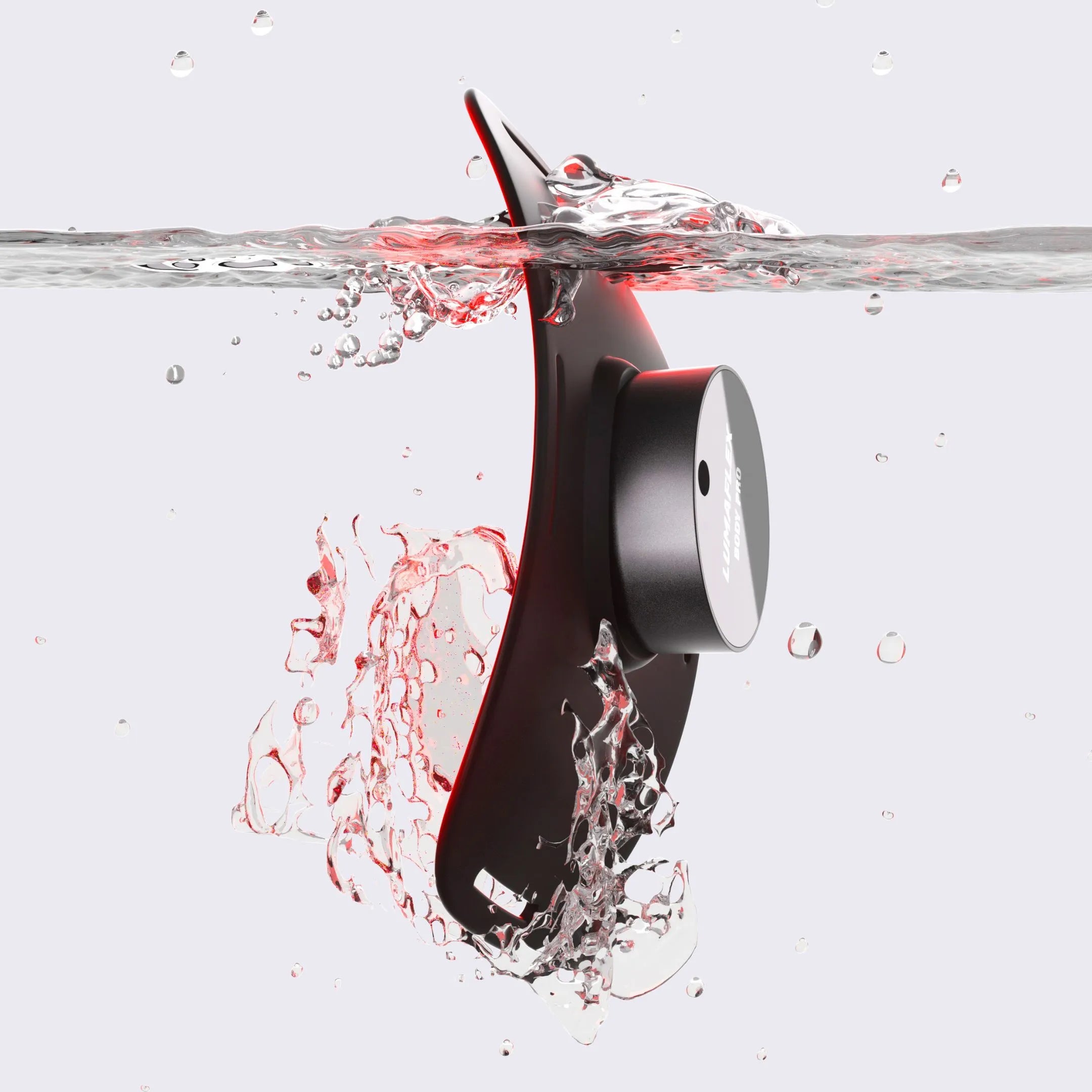
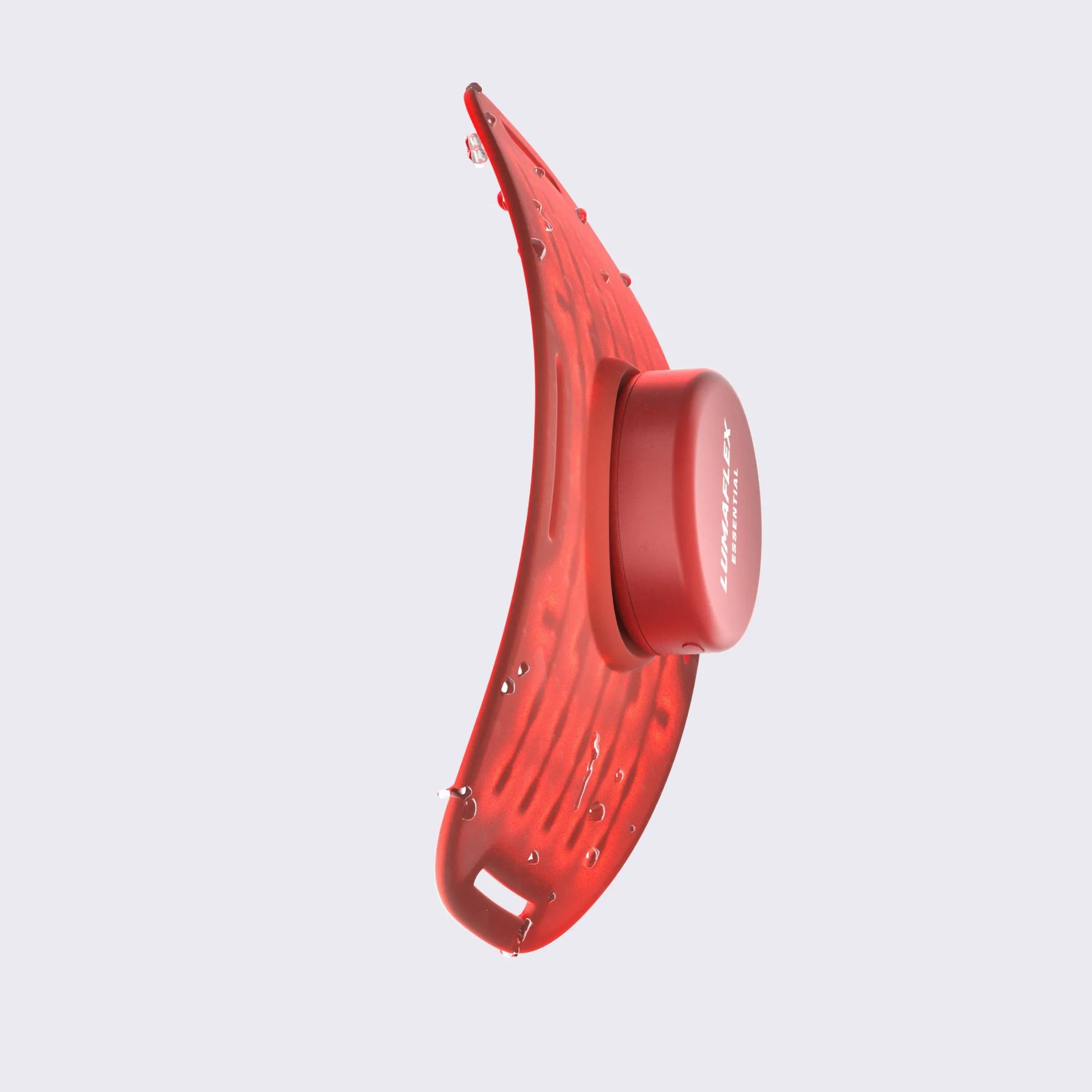
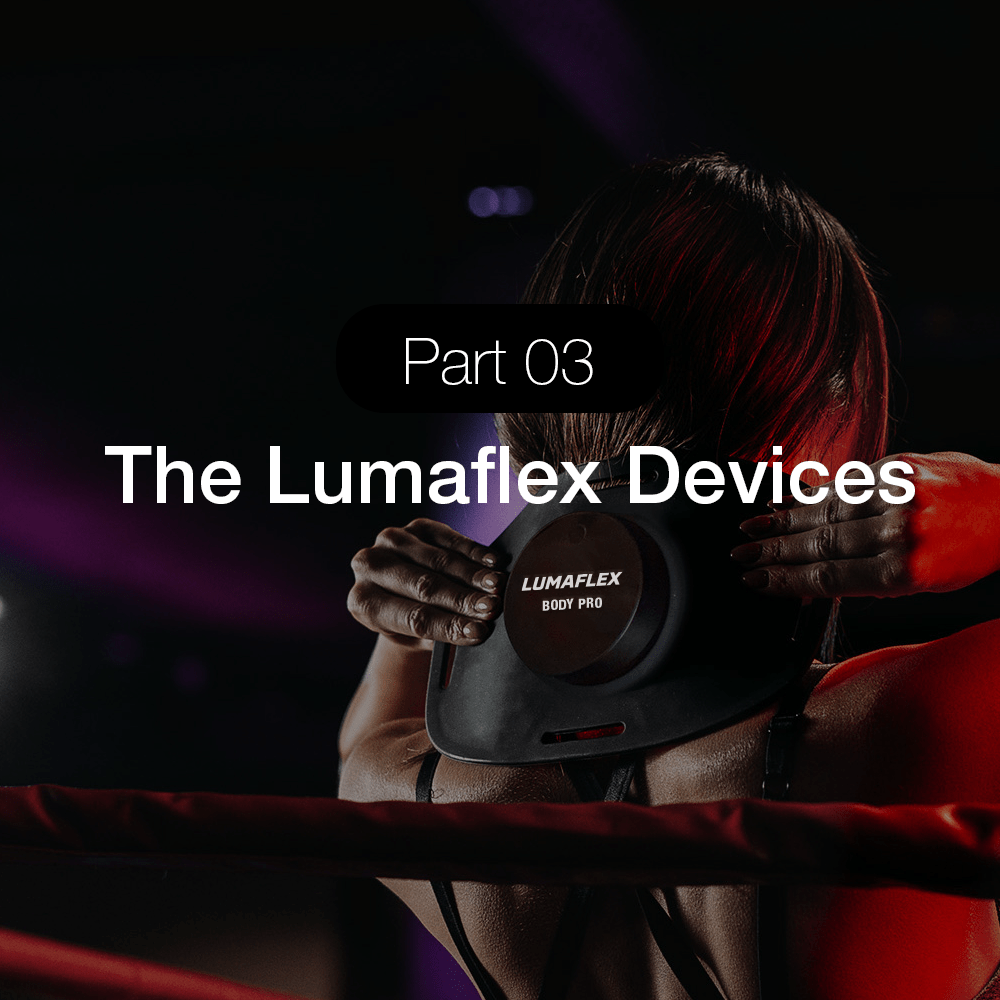
Lumaflex devices deliver consistent red and near infrared wavelengths suitable for skin focused photobiomodulation. When used responsibly, they can complement a broader bite care routine.
Lumaflex is not a replacement for medical treatment and does not prevent allergic reactions. For significant swelling, infection, or systemic symptoms, medical care is essential.
Explore Lumaflex devices to learn how structured red light therapy may support healthy skin function.
Does red light therapy help insect bites?
Red light therapy may help reduce inflammation and support skin repair after insect bites. It does not replace antihistamines but can serve as supportive care for mild to moderate reactions.
Can red light therapy reduce itching from mosquito bites?
Red light therapy does not block histamine directly, but by reducing inflammatory activity, it may help decrease itch intensity over time. Immediate relief is more commonly achieved with antihistamines or cooling methods.
Is red light therapy safe to use on bug bites?
Red light therapy is generally considered low risk when used appropriately. It should not be used as primary treatment for severe allergic reactions, infected bites, or systemic symptoms.
How long should you use red light therapy on an insect bite?
Most protocols suggest 5 to 15 minutes per session, once or twice daily. Improvement is typically gradual rather than immediate.
Can red light therapy treat papular urticaria?
Red light therapy may support healing of irritated or thickened skin in papular urticaria. However, antihistamines, topical corticosteroids, and exposure control remain the primary treatments.