Self Care Ideas That Support How Your Body Feels

A lot of self care ideas advice feels relaxing without being helpful. You step away for a moment. You slow down. Then you get up and your body feels exactly the same.
Tight shoulders. A stiff back. Low energy that does not improve just because you rested.
That disconnect is common. Calming your thoughts does not always change what your body is carrying.
Physical self care starts there. With the things you notice while moving through the day. Soreness that lingers. Muscles that never quite loosen. That worn-down feeling that builds quietly after long hours and busy weeks.
Supporting the body does not mean doing more. It usually means doing less, but doing it more consistently. Small movements. Better recovery. Fewer habits that add strain without giving anything back.
The self care ideas in this piece focus on that kind of support. The kind you can feel, not just think about.
Why Self Care Ideas Needs to Include the Body, Not Just the Mind
A lot of wellness advice stays focused on thoughts and emotions. Meanwhile, the body keeps score in quieter ways. Long days sitting still. Too much screen time. Sleep that never quite feels restorative.
Tension becomes normal. Fatigue stops standing out. Recovery takes longer than it used to.
People often feel worn down without knowing why. They try to rest more or calm their thoughts, but the physical discomfort stays. That is usually the missing piece. The body has not been supported in a way it can respond to.
Physical self care looks at stress where it actually shows up. Inflammation. Slower recovery. Low energy that feels physical rather than emotional. Research referenced on PubMed connects ongoing physical strain with changes in mood and mental clarity. Irritability and brain fog often trace back to what the body is carrying, not just what the mind is processing.
Supporting the body can shift that balance. Movement that restores rather than depletes. Recovery that happens regularly instead of occasionally. Basic care that reduces strain instead of adding to it.
Seeing self care ideas as maintenance changes the approach. It stops being an escape and starts becoming something you rely on quietly. Resources like the Lumaflex Academy focus on this side of wellness, including how light-based approaches like photobiomodulation are used to support the body rather than override it.
Simple Self Care Ideas That Support Physical Wellness

Physical wellness shows up in small, unremarkable moments. How your body feels standing up after sitting too long. How quickly tension fades once the day slows down. Whether soreness clears by morning or lingers. Self care ideas that supports the body tends to work at that level. Not through big gestures or occasional resets, but through steady habits that reduce strain and make the body easier to live in from one day to the next.
The most helpful forms of self care tend to be uncomplicated. They lower the strain the body is already carrying instead of adding new demands. They fit into normal days without needing planning or motivation.
These ideas focus on habits that support physical wellbeing in quiet ways. Things you can repeat even when energy is low. Nothing dramatic. Just support that holds up over time.
Movement That Feels Supportive, Not Punishing
Some movement leaves the body quieter afterward. Less tight. Less held.
This is not the kind that leaves you sore for days or mentally spent. It is the kind that loosens things just enough to make the rest of the day easier. A walk that does not turn into a workout. A few minutes of stretching that makes sitting feel different afterward.
The point is not effort. It is response. Movement that settles the body tends to get repeated. Movement that feels like another demand usually fades out on its own.
Rest That Helps the Body Recover
Not all rest changes how the body feels afterward. Some of it passes the time. Some of it actually restores something.
Poor sleep lingers. You notice it in slower mornings and heavier afternoons. Muscles stay tense. Energy never quite resets. Sitting still does not fix that.
Rest that helps tends to be quieter. Earlier nights. More regular rhythms. Evenings that slow down instead of filling every gap. These shifts are easy to underestimate until they are missing.
Recovery is not just for people training hard. It matters just as much for bodies dealing with long hours, stress, and constant low-level strain. When rest starts working again, the day feels different without needing an explanation.
At-Home Tools That Reduce Physical Stress
Some forms of self care ideas work because they ask very little. You do not have to plan them. You do not have to push through them. You just use them, then move on with your day.
At-home tools fall into that category. Heat. Simple pressure. Light. Things that help the body settle without turning into another task. They tend to get used because they do not compete with energy or attention.
Red light therapy fits here for some people. Not as a fix, but as background support. It can be part of a routine that already includes movement and rest, without demanding anything extra in return.
What usually lasts is not the most impressive option. It is the one that still feels manageable on tired days.
Where Red Light Therapy Fits Into a Self Care Routine
A lot of self care ideas aim to help you relax. Red light therapy fits somewhere else. It is usually used when the goal is to help the body recover, not just slow down.

Red light therapy works through photobiomodulation. That sounds technical, but the idea is straightforward. Specific wavelengths of red and near-infrared light interact with cells involved in energy production and repair. A 2023 review in the Journal of Photochemistry and Photobiology describes how this process supports cellular energy and recovery at a basic level. That matters because fatigue, soreness, and slow recovery often come from the body running low, not from stress alone.
In practical terms, people tend to notice red light therapy less during the session and more between sessions. Muscles settle faster. Stiffness does not linger as long. Skin and joints feel less reactive. These changes are subtle, but they change how the body carries daily strain.
It also fits into routines differently than most self care habits. Sessions are short. There is nothing to push through. You do not have to be motivated. That makes it easier to use on days when energy is already low, which is usually when support is needed most.
Red light therapy works best alongside movement and rest, not instead of them. It does not replace walking, sleep, or recovery habits. It supports them by lowering the background load the body is dealing with. That is why some people keep it in their routine long after they abandon more demanding practices.
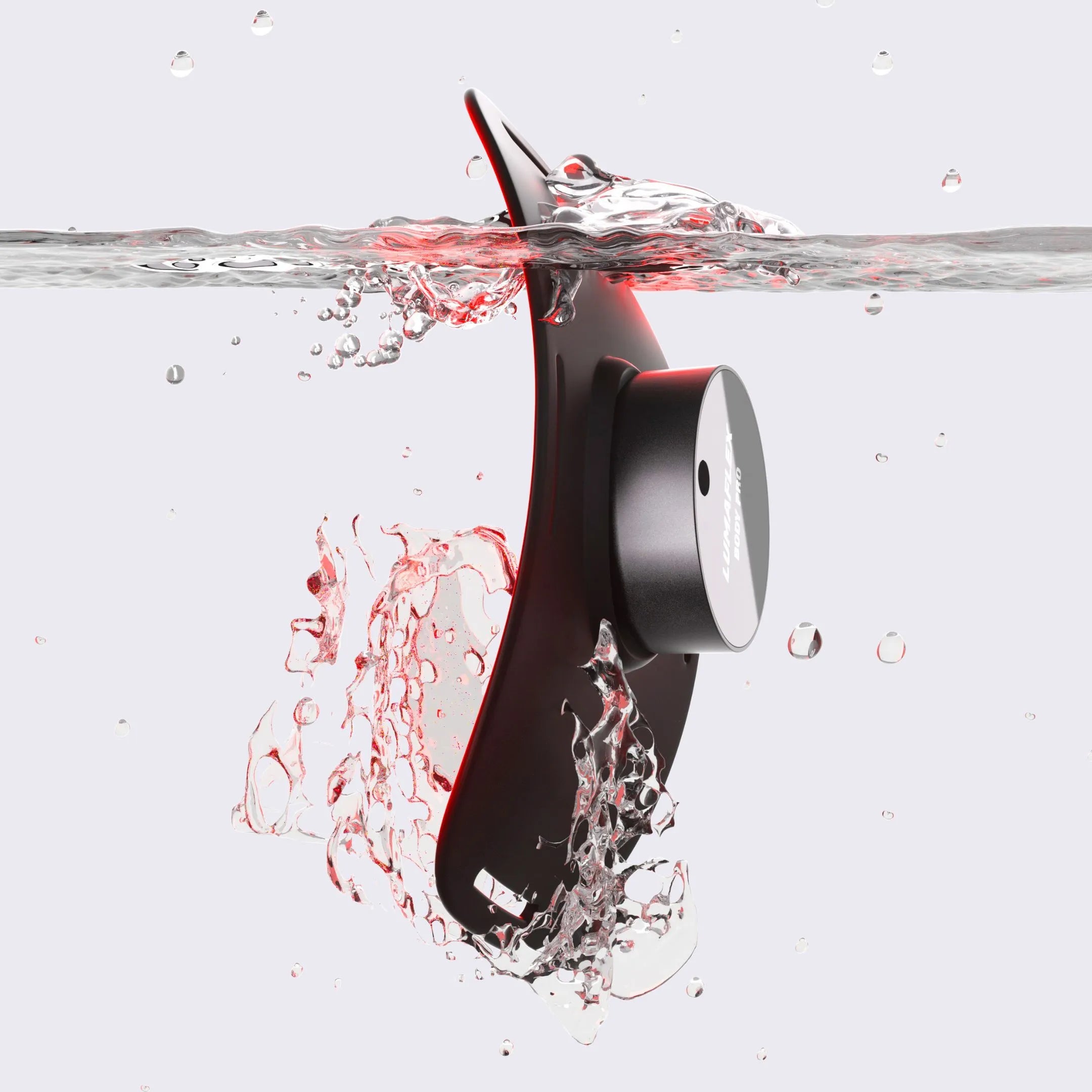
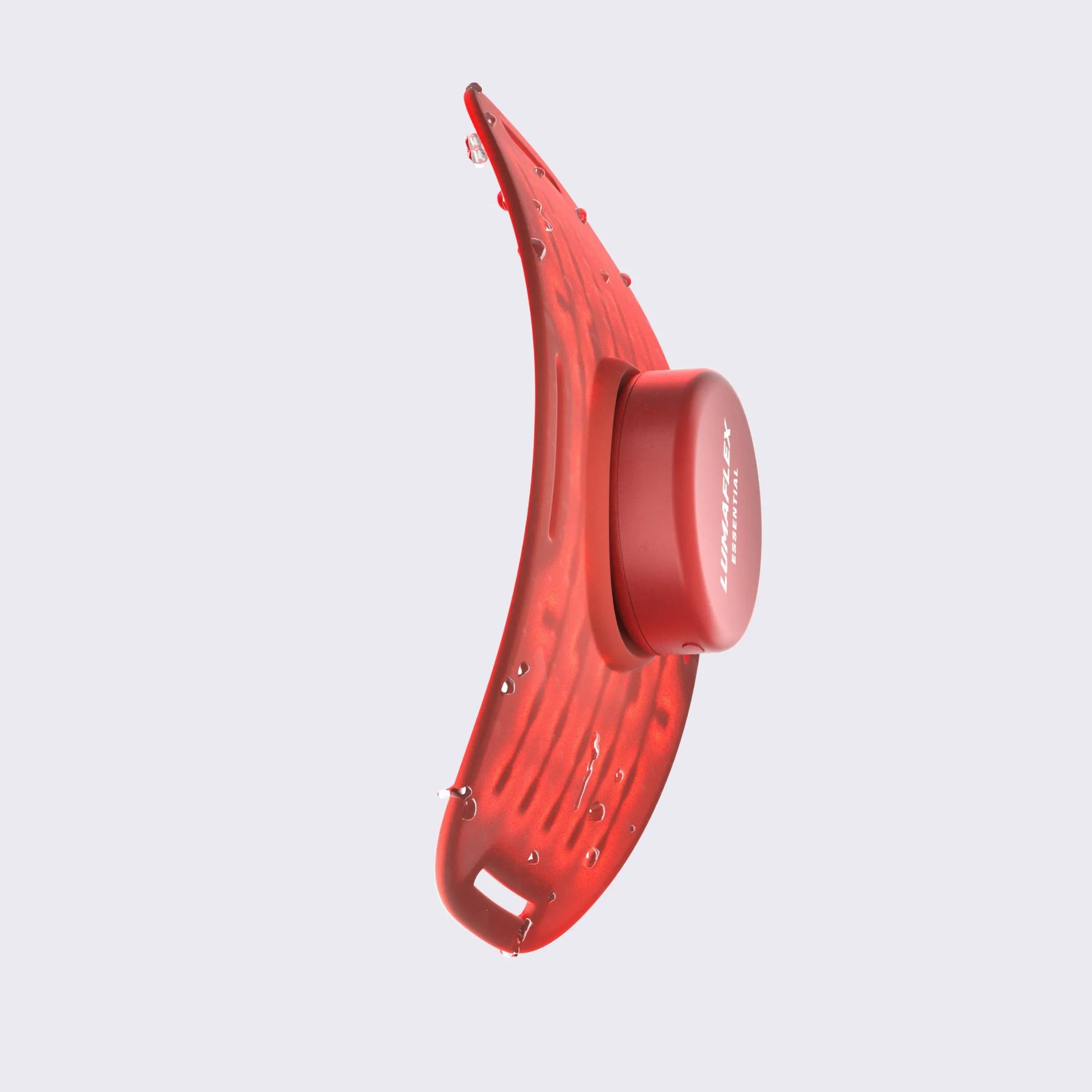
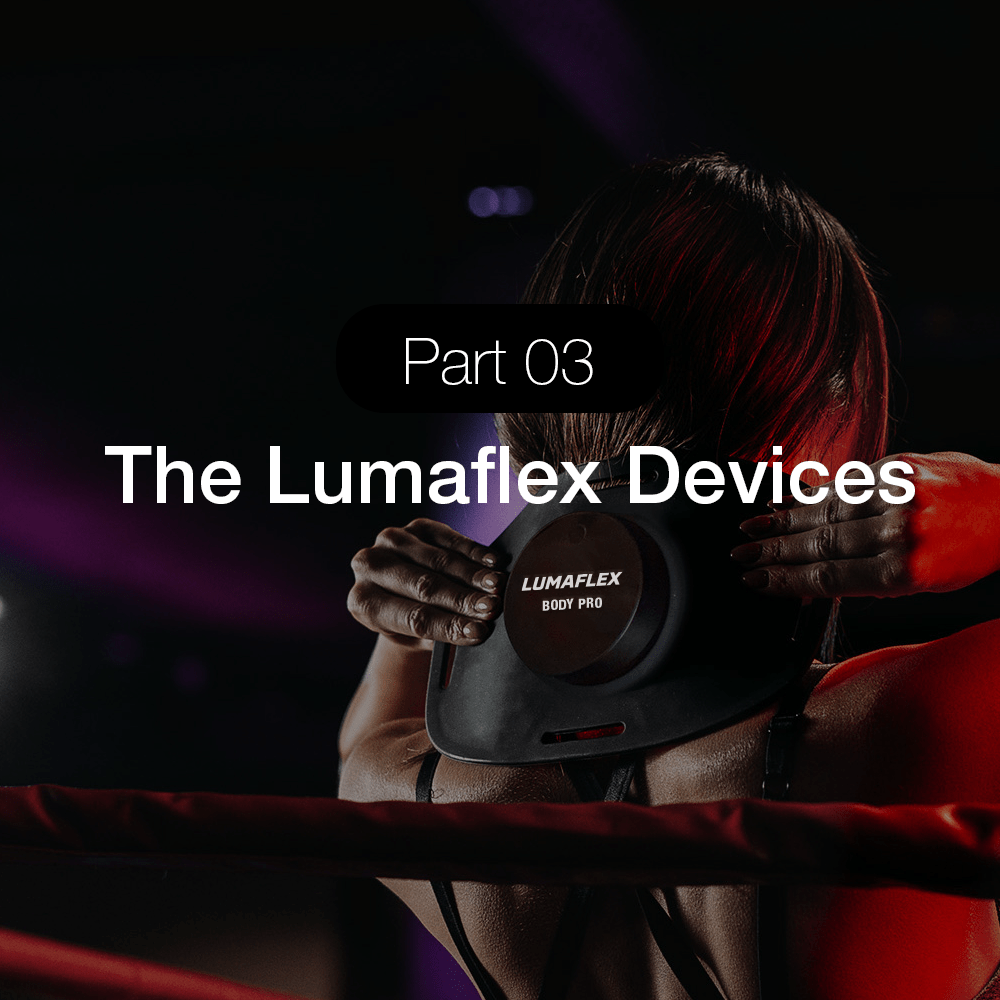
For those exploring light-based self care, devices like Lumaflex Essential Pro are often chosen because they stay out of the way. Not because they promise more, but because they fit into real schedules without asking for attention.
Choosing Self Care Ideas You’ll Actually Stick With
Most self care routines fail quietly. Not because they are bad ideas, but because they ask for energy that is already gone. After work, errands, family, and everything else that fills a day, there is not much left to negotiate with.
When self care starts to feel like another obligation, it slips. Not all at once. First a missed day. Then a week. Then it disappears without much thought.
The habits that last tend to blend in. A short walk that fits into a lunch break. Stretching while something familiar plays in the background. Recovery tools that do not require setup or decision-making. These things survive because they do not compete with the rest of life.
It helps to pause before adding anything new and notice your own response. Does your body feel different afterward. Does it feel realistic on a tired weekday. If the answer is no, the habit usually knows before you do.
Consistency rarely comes from discipline. It comes from fit. Small forms of support that lower the daily load instead of adding to it tend to earn their place over time.
For people who want deeper physical support without turning self care into a project, some explore tools like the Lumaflex Body Pro. Not as a solution to everything, but as something that stays usable when energy is low and routines are already full.
What are the 5 C’s of self care?
They are usually described as choice, consistency, connection, compassion, and care. In practice, they are less of a framework and more of a reminder. Self care works better when it fits your life, shows up regularly, and does not turn into another thing to judge yourself over. Physical care belongs in that mix because it affects how everything else feels.
Is red light therapy self care?
It can be. Most people use it as physical support rather than relaxation. It fits better when the goal is recovery, comfort, or helping the body settle, especially during periods of low energy or soreness.
What can you do during red light therapy?
Very little, which is part of the appeal. Most people sit or lie down. Some stretch lightly or breathe slowly. It does not require focus or effort, which makes it easier to include on days when motivation is limited.
Can you do red light therapy yourself at home?
Yes. Many people use it at home as part of a regular routine. The emphasis is usually on ease and repeat use rather than intensity. Following basic usage guidelines matters, but the experience itself is straightforward.
What is red light therapy actually good for?
People often use it to support muscle comfort, recovery, and joint stiffness. Others notice changes in circulation or skin over time. It tends to work best as background support rather than a single-purpose solution.