Red Light Therapy Devices for Skin. Worth It?

Red Light Therapy Devices for Skin. What Actually Works and What to Skip
Red light therapy devices for skin are everywhere now. Masks. Handheld wands. Flexible panels. All of them promise smoother, clearer, younger-looking skin. Some of them can help support skin health. Many of them do very little.
If you are researching red light therapy, you are likely trying to cut through that noise. You want to know what red light therapy actually does for skin. You want to understand which types of devices are worth using and which ones tend to disappoint, even when the marketing looks convincing.
This article focuses on how these devices perform in real use. It explains how red light therapy works, why some formats are limited by design, and what matters when choosing a device for skin health. The goal is not to push a trend or a category. It is to help you make a clearer decision and avoid tools that look impressive but rarely deliver meaningful results.
- 1. Red Light Therapy Devices for Skin. What Actually Works and What to Skip
- 2. What Red Light Therapy Devices Does for Skin
- 3. Types of Red Light Therapy Devices for Skin
- 4. Red Light vs Near-Infrared Light for Skin
- 5. Choosing a Red Light Therapy Device Without Getting Lost in Specs
- 6. Where Many Devices Stall and Why People Upgrade
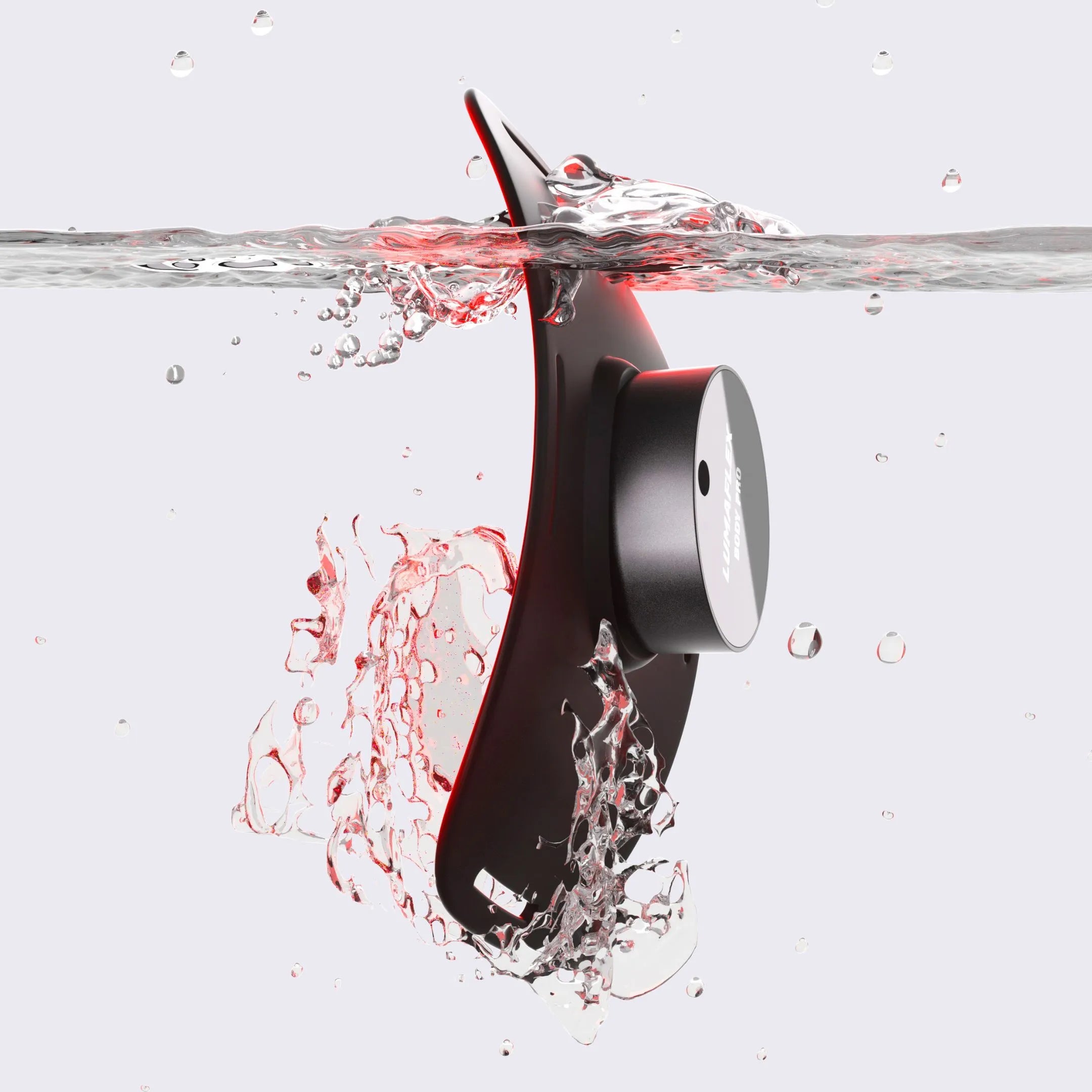
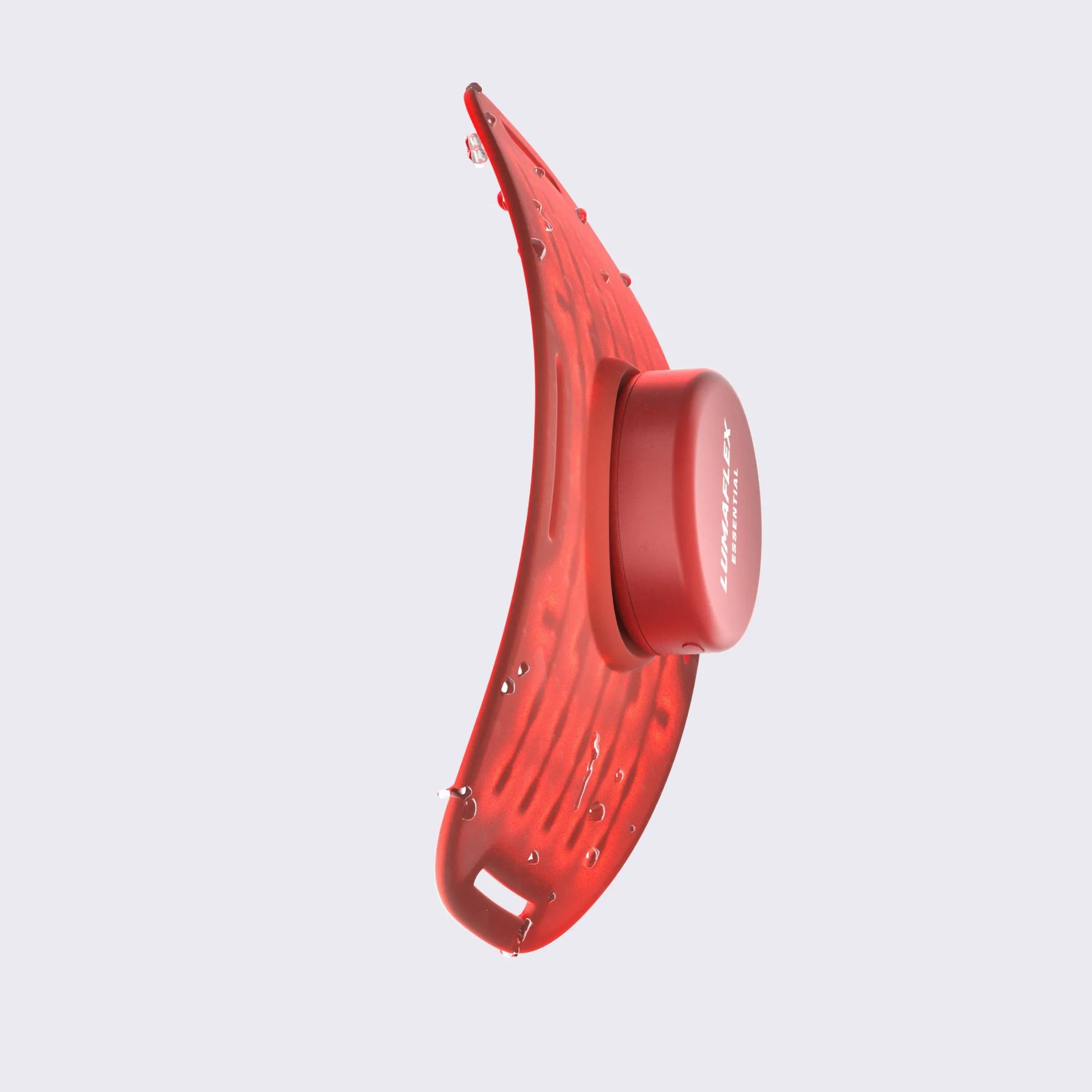
- 7. Where a Wearable Panel Like Lumaflex Essential Pro Fits
- 8. How Red Light Therapy Fits Into Real Skin Routines
- 9. Who Red Light Therapy Tends to Work For
- 10. A Grounded Take Before You Decide
What Red Light Therapy Devices Does for Skin
Red light therapy does not behave like most skincare treatments. It does not peel the skin or force turnover. Nothing flakes. Nothing tingles. That can make it feel underwhelming at first.
The light itself reaches the skin and is absorbed inside the cell. Mitochondria are involved here. They handle energy production. That part matters because skin cells are energy-hungry, especially in areas dealing with irritation, slow healing, or constant environmental stress.
The changes are not dramatic in a single moment. Skin tends to respond in small ways. Redness settles more easily. Texture looks less uneven. Areas that usually feel reactive start to feel more stable. These are the kinds of shifts people notice before they see anything that looks like an anti-aging result.
This is also where expectations tend to go wrong. Red light therapy does not replace sunscreen. It does not remove deep wrinkles. It does not act like a procedure. People looking for fast, visible correction usually feel disappointed.
Where it fits better is underneath everything else. It supports how skin functions while products, exfoliation, and treatments handle the surface. That role is quieter, but it explains why some people stick with it long after they stop chasing faster fixes.
Types of Red Light Therapy Devices for Skin
Most confusion around red light therapy comes from the devices themselves. They all use light. They look different. They behave very differently in practice.
A lot of people assume results come down to brand quality alone. In reality, format does most of the work. The shape of the device determines how much light reaches the skin, how evenly it spreads, and whether using it feels manageable week after week.
LED Masks
LED masks are designed for convenience. You put one on. You sit still. The session runs.
That ease is the appeal. It is also the limitation.
Most masks use low-powered LEDs spaced closely together. The light reaches the surface of the skin but struggles to penetrate beyond it. Coverage is uneven in areas where the mask lifts or curves. Sessions feel pleasant, but results often plateau quickly.
For some people, that is enough. Masks can help maintain skin that is already in good condition. They are less reliable for noticeable changes.
Handheld Devices
Handheld devices are usually marketed as targeted tools. Under-eyes. Jawline. Small areas.
They work exactly as described. One small section at a time.
This makes them impractical for full-face use. Sessions stretch on. Consistency drops. Power output is usually low to keep the device compact and safe to hold close to the skin. Results vary widely depending on patience and routine.
They suit spot use. They rarely suit long-term skin work.
Panels and Wearable Panels
Panels change the experience completely.
Instead of pressing light against the skin, panels project it across a larger area. The output is higher. Coverage is more even. Sessions feel less like a skincare step and more like a background habit.
Wearable panels sit between traditional panels and masks. They wrap or rest against the body but still deliver higher output than most beauty devices. This format makes it easier to treat the face, neck, and upper body without micromanaging angles or distance.
This is usually where people start to notice steadier progress. Not because panels are flashy, but because they remove many of the constraints that limit smaller devices.
Why Format Matters More Than Marketing
Two devices can claim the same wavelengths and still perform very differently. Light that never reaches the skin in useful amounts does not do much, regardless of how good the spec sheet looks.
Format controls power, coverage, and how likely someone is to use the device consistently. Those factors end up mattering more than brand language or aesthetics.
Most people do not fail with red light therapy. They fail with devices that make consistency difficult or deliver too little light to matter.
Red Light vs Near-Infrared Light for Skin
A lot of red light therapy devices list wavelengths as a selling point. Fewer explain what those numbers translate to in daily use. Even fewer explain why some devices feel helpful while others never quite do.
Red light and near-infrared light are often mentioned together. They are related. They do different things.
How Red and Near-Infrared Light Tend to Show Up in Practice
| Aspect | Red Light | Near-Infrared Light |
| Visibility | Visible to the eye | Not visible |
| Typical depth | Upper layers of skin | Deeper tissue |
| Often associated with | Tone and surface texture | Circulation and comfort |
| What people notice first | Subtle visual changes | Changes in how skin feels |
| Role in routines | Cosmetic-facing | Supportive and functional |
Red light sits closer to the visible spectrum. It reaches the surface layers of the skin. This is why it is usually linked to tone, texture, and visible skin quality.
Near-infrared light reaches deeper. You do not see it working. People tend to notice it indirectly. Skin feels less reactive. Areas prone to redness recover more easily. Sessions feel quieter, but the effects accumulate in how the skin behaves between uses.

Devices that rely on red light alone often feel cosmetic. Devices that include near-infrared light tend to feel more functional. The difference is not dramatic after one session. It shows up through consistency and comfort rather than instant change.
This is also why two devices with similar red light claims can feel very different to live with. One may feel warm and pleasant without much follow-through. Another may feel subtle but become easier to rely on over time.
Choosing a Red Light Therapy Device Without Getting Lost in Specs
Most people stall at this point. Device pages pile on technical terms. LED counts. Power numbers. Wavelength charts with no explanation. After a while, everything starts to sound important, even though much of it changes very little in daily use.
Skin responds to a few basic things. How much usable light reaches it. How evenly that light spreads. How often the device ends up being used. Those factors shape results far more than branding or feature lists.
Factors That Tend to Influence Results
| Factor | How it shows up in use |
| Wavelength range | Determines whether light reaches only the surface or also deeper tissue |
| Power output | Low output feels pleasant but rarely leads to visible change |
| Coverage area | Small coverage makes sessions longer and harder to sustain |
| Light consistency | Uneven light leads to uneven response |
| Ease of use | Devices that feel awkward usually get abandoned |
Power output is often misunderstood. Bigger numbers are not automatically better, but very low output rarely does much. Many beauty-focused devices sit safely in that low range. They feel gentle. They also tend to plateau quickly.
Coverage affects routine more than people expect. Treating the face in small sections takes time. Missed areas add up. Devices that cover more skin at once reduce friction and make consistency easier.
Ease of use is rarely framed as a technical feature, but it shapes everything that follows. A device that feels inconvenient slowly disappears from a routine. Results usually fade with it.
Details That Sound Important but Change Little
Some features draw a lot of attention without doing much heavy lifting. LED count looks impressive on paper but says little about output or distribution. “Clinical grade” means different things depending on who is using the phrase. App controls can add convenience, but they do not alter how light interacts with skin.
This is why two devices with similar claims can feel completely different in practice. One fits naturally into daily life and delivers steady exposure. The other looks advanced and ends up unused.
Once these basics are clear, evaluating individual devices becomes less abstract. The gap between marketing language and real-world use gets easier to spot.
Where Many Devices Stall and Why People Upgrade
This is usually the quiet turning point. People do not stop using red light therapy because it feels useless on day one. They stop because progress slows, then stops altogether.
Lower-output devices tend to feel helpful at first. Skin feels warmer. Sessions feel relaxing. Redness may settle slightly. Then nothing else seems to change. Use becomes less consistent. The device still works, but the return feels smaller each week.
This is not always a failure of red light therapy itself. It is often a ceiling created by the device.
Masks and small handheld tools deliver limited light across limited areas. That constraint becomes more obvious with regular use. Coverage gaps stay the same. Output does not increase. Sessions take longer to cover the same ground. Skin adapts, but stimulus does not.
At this stage, people usually try one of two things. They use the device less often, or they start looking at larger formats.
Panels and wearable panels remove some of those limits. More light reaches more skin at once. Exposure is more even. Sessions feel simpler rather than more involved. The experience shifts from a skincare task to a background habit.
This is also where expectations change. Progress does not come from pushing harder. It comes from making exposure easier to repeat. Devices that support that rhythm tend to stay in use. Devices that demand attention tend to fade out.
Upgrading is rarely about chasing something stronger. It is usually about removing friction. Less positioning. Fewer missed areas. Fewer reasons to skip a session.
That is the difference most people are responding to, even if they do not describe it that way.
Where a Wearable Panel Like Lumaflex Essential Pro Fits
Once people move past masks and handheld devices, the question usually changes. It is no longer about whether red light therapy works at all. It becomes a question of format and follow-through.
Wearable panels sit in an in-between space. They are not as small or cosmetic as masks. They are not as rigid or space-dependent as large wall-mounted panels. That middle ground is where devices like Lumaflex Essential Pro tend to make sense.

The appeal is not novelty. It is reduction.
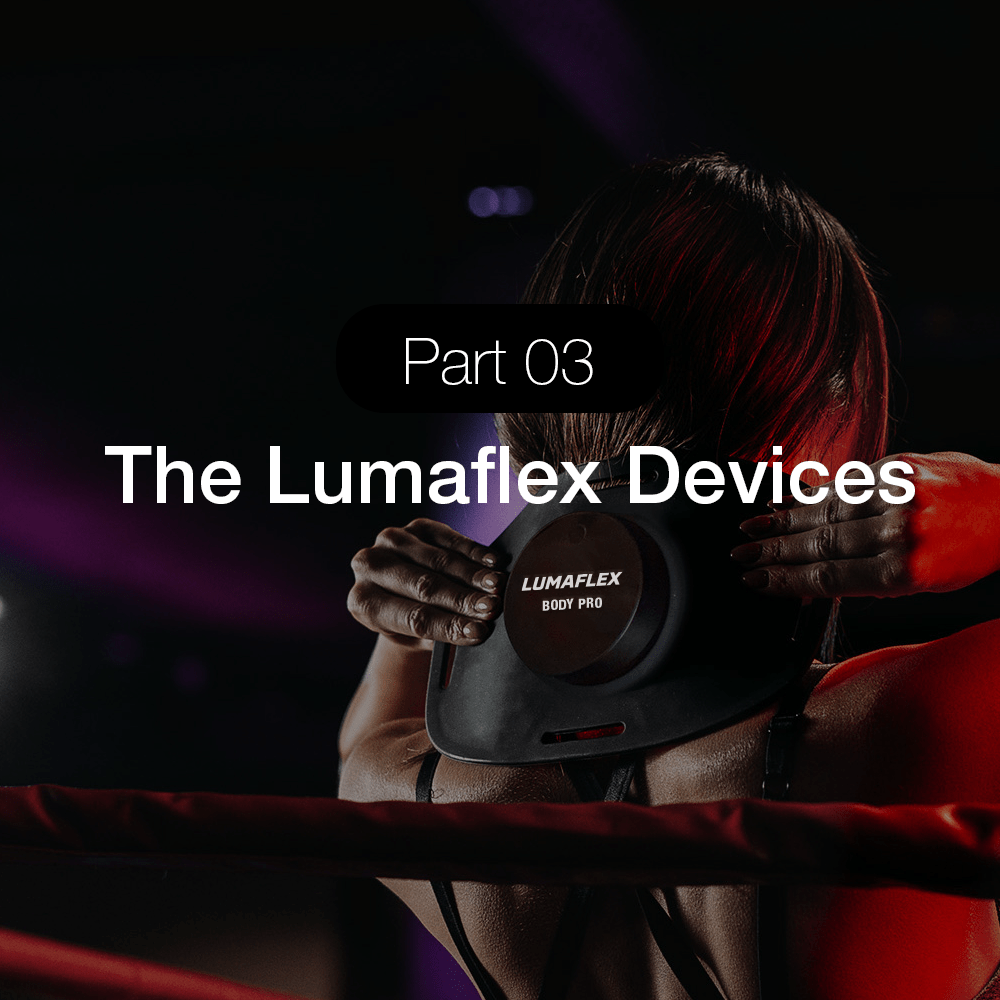
A wearable panel wraps or rests against the body, which removes a lot of small barriers. There is less positioning to manage. Fewer missed areas. Less time spent adjusting distance or angles. Sessions become easier to repeat without turning into a dedicated setup.
This matters more than it sounds. Skin benefits from steady exposure, not occasional long sessions followed by gaps. Devices that fit into normal routines tend to get used more often. That alone changes outcomes.
Lumaflex Essential Pro also sits firmly on the higher-output side compared to beauty-focused tools. The light covers a larger area at once and includes both red and near-infrared wavelengths. That combination shifts the experience from cosmetic maintenance toward broader skin support.
How Wearable Panels Compare in Practice
| Aspect | Masks and handhelds | Wearable panels |
| Coverage | Small and segmented | Broad and even |
| Setup effort | Low but repetitive | Low and stable |
| Output | Limited | Higher |
| Routine fit | Easy to start, hard to sustain | Easier to maintain |
| Typical use pattern | Short-term or inconsistent | Longer-term |
This does not make wearable panels the right choice for everyone. They take up more space than a mask. They cost more. They make sense for people who already know they will stick with red light therapy and want fewer constraints in daily use.
Seen this way, devices like Lumaflex Essential Pro are not an upgrade in ambition. They are an upgrade in practicality.
How Red Light Therapy Fits Into Real Skin Routines
Most people stop using red light therapy not because it fails, but because it starts to feel like work. This section is about what it looks like once the novelty fades and the routine settles.
Session length
Sessions are usually short. Around ten minutes is common. Longer sessions rarely change much for skin and often make the habit harder to keep.
Frequency
Some people use red light therapy a few times per week. Others use it most days. What matters is repeat exposure, not hitting an exact schedule.
Where it fits
Skin does not need heavy preparation. Clean and dry is enough. Red light therapy fits best before serums, moisturizers, or active products, not on top of them.
What changes first
The earliest changes are subtle. Skin often feels calmer before it looks different. Redness settles more easily. Recovery from weather, stress, or treatments feels smoother.
What usually breaks routines
Rigid rules. Complicated setup. Missed sessions that turn into guilt. Devices that allow flexibility tend to stay in use longer.
| Aspect | Typical range |
| Session length | About 10 minutes |
| Frequency | Several times per week or more |
| Skin prep | Clean and dry |
| Product order | After light therapy |
| Early feedback | Comfort before appearance |
Red light therapy works best as background support. It does not replace skincare or compete with other treatments. It supports the conditions that make those efforts easier to sustain.
Who Red Light Therapy Tends to Work For
Red light therapy gets talked about as if it works the same way for everyone. It doesn’t. Some people settle into it quickly and keep using it. Others stop and feel like nothing really happened.
The people who stay with it usually are not chasing one dramatic fix. Their skin tends to be reactive, easily irritated, or slow to recover. Redness flares up and then calms down. Sensitivity limits how aggressive other treatments can be. In those cases, red light therapy feels useful because it supports the skin without pushing it.
Another pattern shows up around expectations. People who think in terms of maintenance often respond better. They notice that their skin feels steadier. Less up and down. Fewer bad days. Visual changes come later, but the routine already feels justified before that point.
Where disappointment shows up is usually predictable. Deep wrinkles. Pigment issues that normally require resurfacing. Structural changes people expect to see quickly. Red light therapy does not behave like a procedure, and it does not replace one.
It also struggles to hold attention if repetition feels like a burden. Missed sessions pile up. Devices get pushed aside. Interest fades. In those cases, the issue is rarely the technology itself. It is the mismatch between the tool and the person using it.
Red light therapy works best as support. It sits underneath other efforts rather than competing with them. When people approach it that way, it tends to earn its place. When they expect it to shortcut biology, it usually falls short.
That difference explains most of the mixed reactions you see.
A Grounded Take Before You Decide
By this point, most of the big questions around red light therapy devices for skin are usually answered. It is not a quick fix. It is not cosmetic in the dramatic sense. It works quietly, and only if the setup makes regular use realistic.
That is why so many experiences with red light therapy sound inconsistent. The technology itself is fairly straightforward. The outcomes depend on format, output, and whether the device fits into someone’s life without friction. When those pieces line up, the benefits tend to feel steady rather than exciting. When they don’t, even a well-reviewed device can feel pointless.
This is also where larger, higher-output formats start to justify themselves. Not because they promise more, but because they remove limits. Fewer missed areas. Less setup. Less decision-making each time. Wearable panels in particular appeal to people who already know they will stick with the habit and want fewer obstacles in the way.
A device like Lumaflex Essential Pro fits into that category. Not as a universal answer, but as an option for people who have moved past entry-level tools and want something that supports consistency rather than novelty. Its value shows up less in dramatic claims and more in how easily it stays in use.
If you are deciding whether to try red light therapy devices for skin at all, smaller devices can be a reasonable starting point. If you already know the routine works for you and the limitations are getting in the way, upgrading usually has less to do with ambition and more to do with practicality.
That is the part most people only realize after spending time with the technology.
Learn more about Red Light Therapy and the benefits of varied wavelengths for skin here.