Can Red Light Therapy Make Melasma Worse? What the Evidence Says
Short answer: Research has not shown that red-light photobiomodulation consistently makes melasma worse. It has not shown that consumer red-light devices reliably treat melasma, either. One small clinical study reported improvement with a pulsed 940 nm protocol, while a newer amber-light study found no significant improvement in clinical severity scores. Wavelength, dose, heat, device design, and individual response all matter. Anyone with active or worsening melasma should consider speaking with a dermatologist before using light near the face.

What Should You Know About Red Light Therapy and Melasma?
Red light therapy is commonly marketed for general skin health, recovery, and wellness. Melasma is a recurring pigmentation condition that can be difficult to manage. Treating those two subjects as though they are the same leads to confusion.
A device intended for broader skin-health use should not automatically be described as a melasma treatment. People searching this topic usually want answers to a few practical questions:
•Can red light make melasma darker?
•Has red-light therapy been shown to improve melasma?
•Is it appropriate for every person with melasma?
•Does research on one wavelength or device apply to other products?
The studies available today do not settle those questions for every device. They do, however, show why wavelength, delivery method, exposure, and the person’s skin response need to be considered together.
What Are the Main Takeaways?
Here is the short version before we get into the research:
| What we know | What remains uncertain |
| Melasma can be affected by sun exposure, visible light, hormones, heat, and irritation. | Whether consumer red-light devices improve melasma. |
| Red-light PBM, near-infrared PBM, IPL, and lasers are different technologies. | Which wavelength, dose, or treatment schedule would be appropriate for melasma. |
| A small 2018 study reported improvement with a specialized pulsed 940 nm protocol. | Whether those findings apply to typical at-home devices. |
| A 2025 amber LED pilot found no significant change in clinical severity scores and was underpowered. | Whether long-term use affects recurrence or whether responses differ by skin type. |
Red-light therapy is not an established treatment for melasma. At the same time, the available evidence does not show that it consistently makes the condition worse.
Can Red Light Therapy Make Melasma Worse?
There is not enough direct evidence to say that red-light photobiomodulation consistently worsens melasma. There is also not enough evidence to assume that it is suitable for everyone with melasma.
Melasma may darken in response to several triggers, including sun exposure, hormonal changes, heat, inflammation, and irritation. The American Academy of Dermatology also notes that visible light can worsen melasma, particularly in people with darker skin tones.
That finding does not make all light-based treatments equivalent. A red-light LED device is not the same as sunlight, IPL, or a pigment-targeting laser. Each may differ in wavelength, intensity, pulse pattern, dose, treatment distance, and heat output.
A useful way to think about the question is this: red-light therapy has not been shown to consistently worsen melasma, but evidence specific to consumer devices is limited. If a device leaves the skin uncomfortable, irritated, or visibly darker, stop using it and seek advice if the change does not settle.
Why Can Melasma Get Darker After Light or Heat Exposure?
Melasma involves melanocytes, the cells that produce melanin. When these cells become overactive, darker patches can develop on areas such as the cheeks, forehead, upper lip, nose, or jawline.
The condition may persist for years and can return after it appears to improve. Factors commonly associated with flare-ups include:
•Sun exposure and ultraviolet radiation.
•Visible-light exposure.
•Hormonal changes, including pregnancy or hormonal contraception.
•Hot environments or increased skin temperature.
•Skin irritation and inflammation.
Heat deserves some caution in this discussion, but it should not be overstated. Some people find that melasma is harder to manage in hot conditions. The 2025 amber LED study also discussed unusually high environmental temperatures as a possible confounding factor. That does not give us a universal heat threshold for home devices.
The same applies to irritation. Burning, stinging, persistent redness, or uncomfortable warmth are practical reasons to stop a session rather than continue in the hope that the skin will adjust.
Does Visible Light Make Melasma Worse?
The American Academy of Dermatology says that visible light can worsen melasma, especially in people with darker skin tones. Its guidance recommends tinted sunscreen containing iron oxides, along with broad-spectrum sunscreen, as part of visible-light protection.
This guidance relates to visible-light exposure in general. It does not mean that every red-light or near-infrared device has the same effect on pigmentation.
Evidence about environmental visible light cannot simply be applied to every wavelength, dose, or photobiomodulation device.
Is Red Light the Same as Near-Infrared Light, IPL, or Laser Treatment?
No. “Light therapy” covers several different technologies.
| Technology | What it is | What it means for melasma |
| Red-light PBM | Low-intensity photobiomodulation using red wavelengths | Direct evidence for consumer devices and melasma remains limited. |
| Near-infrared PBM | Photobiomodulation using longer wavelengths | Findings depend on the wavelength, dose, and protocol studied. |
| Visible light | A broad part of the electromagnetic spectrum | Certain visible-light exposures can worsen melasma, especially in susceptible skin. |
| IPL | Broad-spectrum intense pulsed light | A different technology and risk profile from PBM. |
| Pigment-targeting lasers | Concentrated energy delivered to selected tissue | Not interchangeable with PBM; outcomes in melasma can be unpredictable. |
How Is Red-Light Photobiomodulation Different From IPL and Lasers?
IPL and lasers deliver energy differently from low-intensity LED photobiomodulation. Some clinical devices are designed to target pigment or produce a controlled tissue response through concentrated energy.
That does not make them interchangeable with a red-light or near-infrared wearable. A study involving IPL or a laser cannot be used as proof that a consumer PBM device will have the same effect.
Procedures can also be difficult to predict in people with melasma. A qualified professional needs to consider the diagnosis, skin type, pigment depth, medical history, and the possibility of post-inflammatory pigmentation before recommending one.
Does Near-Infrared Light Affect Melasma Differently From Red Light?
It may, but research has not produced a universal answer for every near-infrared wavelength or device.
The way light interacts with tissue depends on more than color. Wavelength, dose, pulse pattern, distance, exposure time, and device design all play a role. A study of pulsed 940 nm photobiomodulation should not be treated as evidence for every product that emits red or near-infrared light.
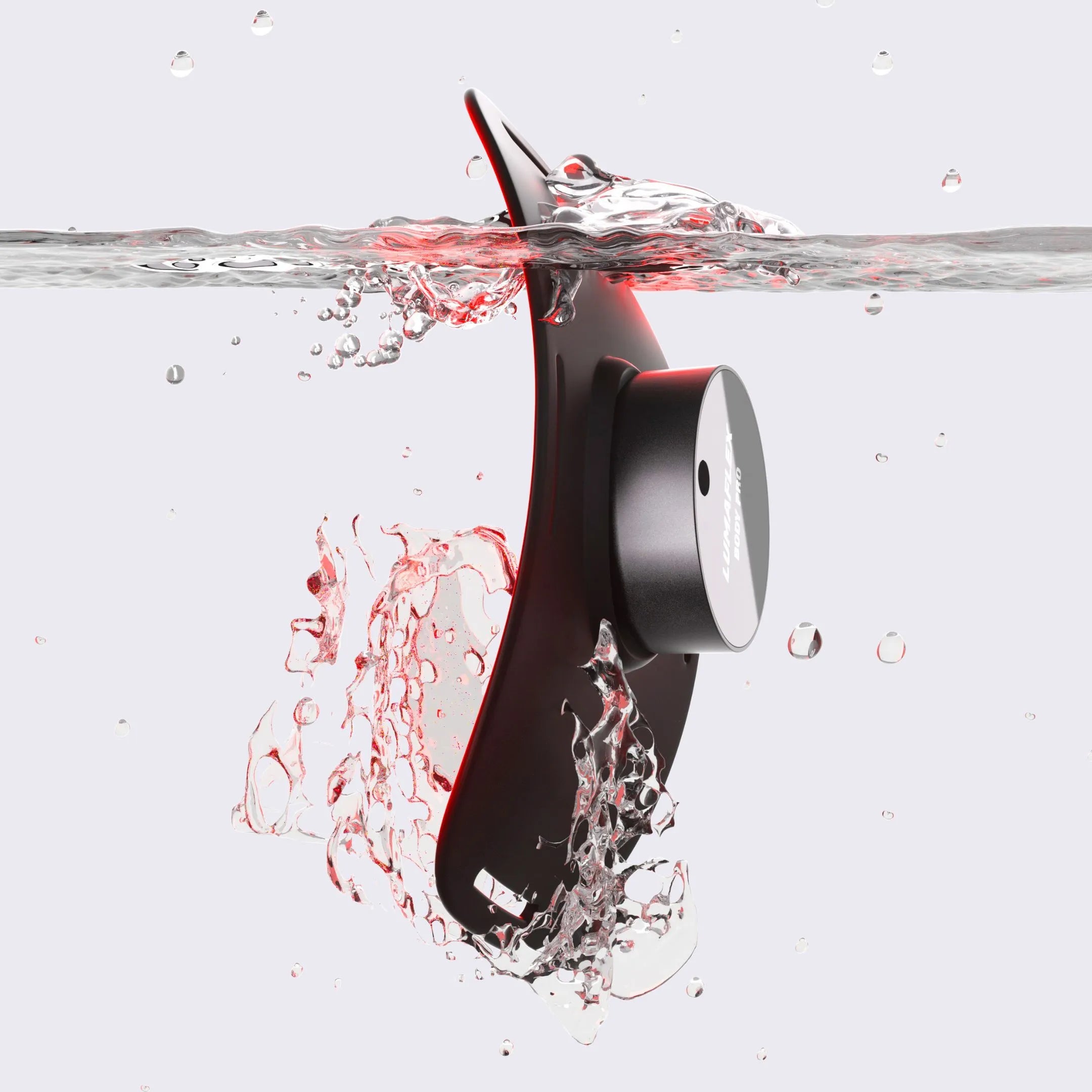
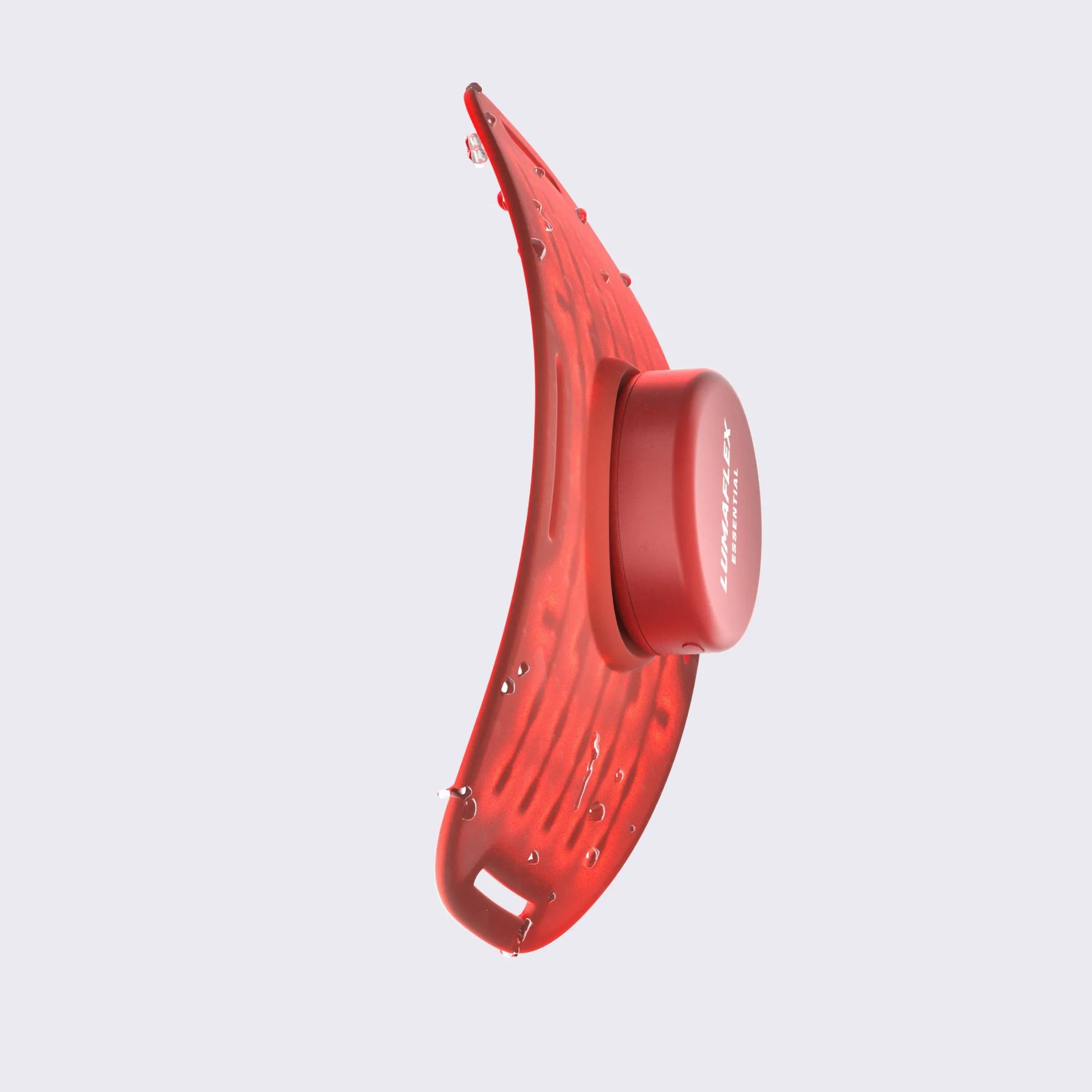
LumaFlex product information currently lists devices using combinations such as 630 nm red and 850 nm near-infrared wavelengths. The Essential Pro lists multiple wavelengths across 630–1064 nm. Those specifications do not make the products equivalent to the 940 nm protocol used in the 2018 melasma pilot.
What Has Research Actually Found About Photobiomodulation and Melasma?
The published research is small and varied. Studies have used different wavelengths, delivery methods, schedules, sample sizes, and outcome measures. That makes it difficult to combine their findings into one broad claim about “light therapy for melasma.”

What Did the 2018 Pulsed 940 nm Melasma Study Find?
A 2018 split-face pilot study by Barolet and colleagues involved seven women with bilateral dermal melasma. The researchers used microdermabrasion followed by pulsed 940 nm photobiomodulation. Treatments were performed once a week for eight weeks.
The treated side showed pigment reduction at follow-up.
The details matter as much as the result. The study:
•Included only seven participants.
•Focused on dermal melasma.
•Used pulsed 940 nm light.
•Included microdermabrasion as part of the protocol.
•Took place in a controlled clinical setting rather than ordinary home use.
This study gives researchers a reason to keep investigating photobiomodulation and melasma. It does not establish that standard red-light masks, consumer wearables, or LumaFlex devices treat melasma.
What Did the 2025 Amber LED Melasma Study Find?
A 2025 randomized, double-blind pilot trial compared amber photobiomodulation with topical tranexamic acid in 21 women with melasma. Ten participants received active amber PBM with a placebo cream, and 11 received sham PBM with 5% liposomal tranexamic acid cream for 12 weeks.
The researchers found no significant differences in the Melasma Area and Severity Index or physician-rated global assessment within or between the groups.
The trial ended early and was underpowered, so it cannot definitively show that amber PBM is ineffective. The reported adverse events were mild. Warmth was associated with the PBM group, while a burning sensation was associated with the tranexamic acid group. The researchers also discussed unusually high environmental temperatures as a possible confounding factor.
This study makes the evidence harder to summarize with a simple success-or-failure label. It found no significant clinical improvement, but its design and early termination limit what can be concluded.
What Can These Studies Not Tell Us?
The research does not yet answer the questions most relevant to someone shopping for a home device:
•Do consumer red-light masks improve melasma?
•Is conventional red PBM more effective than amber or near-infrared light?
•What dose, distance, or session frequency would be appropriate?
•Do different skin types or melasma patterns respond differently?
•Does long-term use affect recurrence?
•Can home devices produce clinically meaningful and lasting pigment changes?
•Are some people more likely to experience warmth, irritation, or darkening?
These unanswered questions are why the studies should be described as early evidence rather than a home-treatment protocol.

Does Red Light Therapy Help Melasma?
There is a research signal, but it is not yet a treatment recommendation.
The 2018 pilot reported improvement after a specialized pulsed 940 nm protocol. Other laboratory and clinical studies have also explored pigmentation-related effects of LED light.
That is different from showing that a consumer red-light device reliably fades melasma. No strong, device-specific evidence currently supports claims that consumer red-light therapy can cure, reverse, prevent, or consistently improve melasma.
The American Academy of Dermatology instead emphasizes photoprotection, individualized treatment, gentle skincare, and professional assessment. It does not present consumer red-light therapy as a standard treatment for melasma.
Is Red Light Therapy Safe for Melasma-Prone Skin?
There is no single safety answer for every person or device. The available research does not support saying that red-light therapy is safe for everyone with melasma. It also does not establish that it will consistently trigger a flare.
These details may change the decision:
| Factor | Why it matters |
| Active or worsening melasma | A changing condition may need assessment before adding a new device or treatment. |
| Wavelength | Different wavelengths cannot be treated as interchangeable. |
| Heat | Uncomfortable warmth may mean the exposure is not well tolerated. |
| Irritation | Burning, stinging, redness, or inflammation may make pigmentation harder to manage. |
| Treatment distance and duration | Changing either can change the exposure received by the skin. |
| Recent procedures | Peels, lasers, IPL, microneedling, and other procedures may temporarily increase sensitivity. |
| Medication and medical history | Some medications and conditions can affect light sensitivity or treatment suitability. |
Follow the manufacturer’s instructions. Do not extend sessions or move the device closer in the hope that a stronger exposure will produce better results.
Anyone who is pregnant, taking photosensitizing medication, recovering from a procedure, or managing another skin condition should ask an appropriate healthcare professional whether light exposure is suitable.

When Should You Stop Using a Red-Light Device?
Stop the session and reassess if you notice:
•Burning or stinging.
•Increasing or uncomfortable warmth.
•Persistent redness or irritation.
•A rash or unusual skin reaction.
•Noticeable darkening of pigmentation.
These signs do not prove that the device caused the change. They do mean that continuing without guidance is not advisable.
What Should You Do If Your Melasma Gets Darker After Red Light Therapy?

Stop using the device while you work out what may have happened.
A change after treatment does not prove that the device caused it. Melasma can fluctuate, and several triggers may overlap: sun exposure, visible light, heat, hormones, irritation, a new skincare product, or a recent procedure.
Write down the device and wavelengths, session duration, treatment distance, and whether the skin felt hot or irritated. Note any recent changes to medication, skincare, procedures, or the environment.
Do not add more treatments in an attempt to correct the darkening. Return to appropriate sun and visible-light protection. Contact a dermatologist if the change persists, worsens, or comes with inflammation or discomfort.
What Do Dermatologists Recommend for Managing Melasma?
The American Academy of Dermatology says there is no single best treatment for melasma. Dermatologists tailor treatment to the person’s skin tone, pigment depth, triggers, and medical history.
Common parts of management may include:
•Broad-spectrum sunscreen with SPF 30 or higher.
•Shade, protective clothing, and a wide-brimmed hat when outdoors.
•Tinted sunscreen containing iron oxides for visible-light protection.
•Gentle, fragrance-free skincare.
•Topical medication or procedures selected by a qualified professional.
A light-based device should not replace photoprotection or individualized dermatology care.

Can You Use a Red-Light Mask If You Have Melasma?
Discuss the specific device with a dermatologist, particularly if your melasma is active, worsening, or recently treated.
Before using a device, check:
•The exact wavelengths it emits.
•The manufacturer’s treatment instructions.
•The recommended distance and exposure time.
•Contraindications and warnings.
•What to do if warmth or irritation develops.
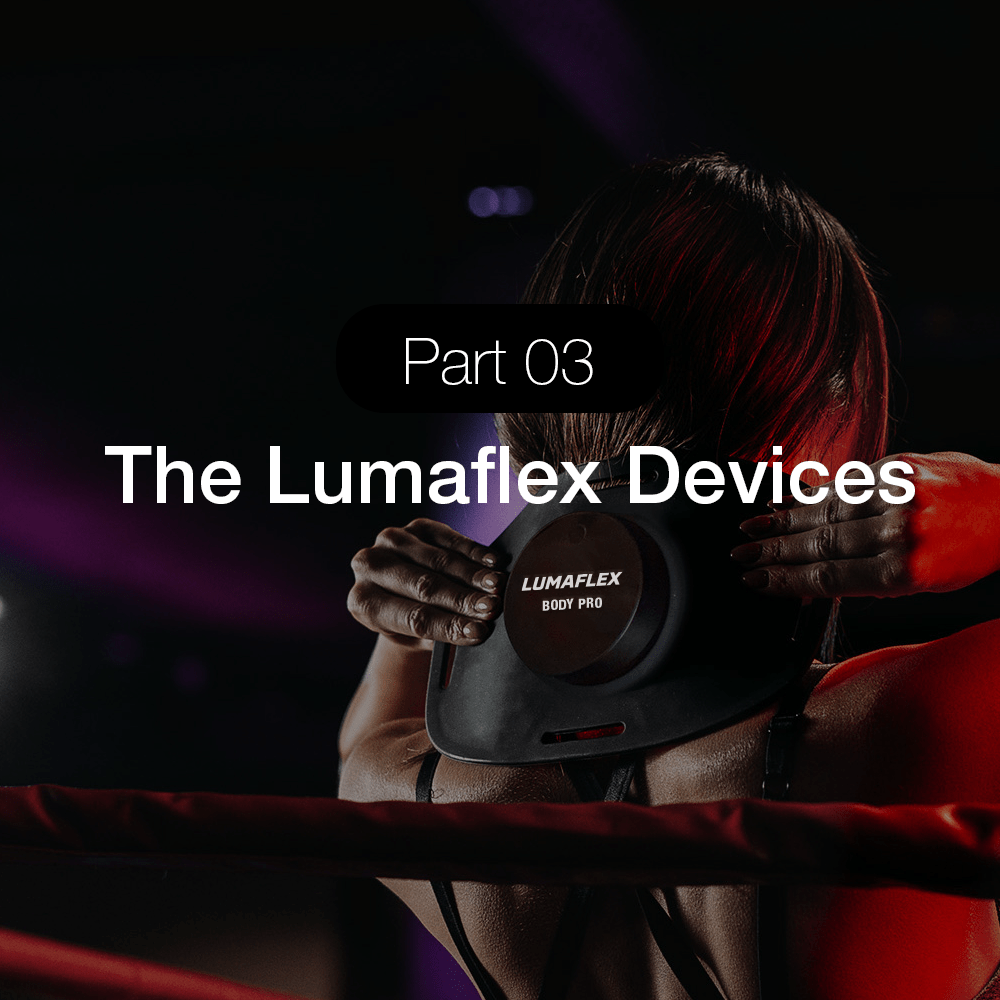
Do not assume that a device studied for general skin wellness has been proven to treat melasma. LumaFlex devices are designed for broader red and near-infrared light therapy applications and should not be presented as products that treat, cure, or reverse melasma.
Can red light therapy make melasma worse?
Current evidence does not establish that red-light photobiomodulation consistently worsens melasma. However, direct evidence on consumer devices is limited, and warmth, irritation, wavelength, dose, and individual response may matter. Stop if the skin becomes uncomfortable or darker and seek professional guidance if the change persists.
Does red light therapy help melasma?
A small 2018 pilot study reported improvement after pulsed 940 nm photobiomodulation combined with microdermabrasion, but that protocol cannot be generalized to ordinary consumer devices. A 2025 amber LED pilot found no significant MASI or physician-rated improvement and was underpowered. Red-light therapy is not an established melasma treatment.
Is red light therapy safe for melasma?
There is no universal answer for every person or device. Follow the manufacturer’s instructions, do not push through warmth or irritation, and consider dermatology guidance if melasma is active, worsening, or recently treated.
Can red light cause hyperpigmentation?
Current evidence does not show that red-light PBM consistently causes hyperpigmentation. Direct evidence in people with melasma using consumer devices is limited. Stop using the device if pigmentation changes after treatment and consult a qualified professional if the change continues.
Does near-infrared light affect melasma?
There is not enough evidence to determine how every near-infrared wavelength or device affects melasma. A study of one wavelength and protocol should not be treated as evidence for all near-infrared products.
What type of light is best for melasma?
There is no established “best” light-based home treatment for melasma. Dermatology guidance focuses on photoprotection and individualized care rather than recommending consumer red-light therapy as a standard treatment.
Can red light therapy cause melasma?
Melasma has multiple potential triggers, and current research does not establish that red-light therapy causes melasma. If pigmentation develops or worsens after using a device, stop and seek an evaluation so other possible causes can be considered.
What should I do if my melasma gets darker after red light therapy?
Stop using the device, avoid adding more treatments without guidance, document the timing and exposure, and contact a dermatologist if the change persists or worsens. Continue appropriate sun and visible-light protection.
What Should You Take Away About Red Light Therapy and Melasma?
The studies available so far do not support a simple promise or warning.
One small study reported improvement with a specific pulsed 940 nm clinical protocol. A newer amber LED pilot found no significant change in clinical severity scores and was too small to settle the question. Neither study shows that a typical consumer red-light device treats melasma, and neither proves that red-light therapy consistently worsens it.
The sensible distinction is between the protocol researchers tested and the device someone may use at home. Wavelength, dose, pulse pattern, heat, skin response, and treatment context can all differ.
For anyone with active or worsening melasma, adding a light-based device is a decision worth discussing with a dermatologist. If you are considering red-light therapy for general skin health, review the device specifications, follow the manufacturer’s instructions, and keep its intended use separate from claims about treating melasma.
If you want to keep learning
-
Build your foundation: Explore our educational resources on how red light therapy works and where the science is strongest, so you can separate general skin support from pigment-specific claims.
-
Focus on safety first: Review our red light therapy safety guide to understand proper use, common mistakes, and signs your skin may be getting overstimulated.
-
Choose tools thoughtfully: If you’re considering at-home red light therapy for overall skin wellness, look for approaches that prioritize conservative use, comfort, and consistency over intensity or promises.
When it comes to melasma, clarity is powerful. Knowing what a tool can’t do is often just as valuable as knowing what it might support.
References
[1] Barolet et al., Dual Effect of Photobiomodulation on Melasma: Downregulation of Hyperpigmentation and Enhanced Solar Resistance—A Pilot Study
[2] Galache et al., Amber LED photobiomodulation versus tranexamic acid for the treatment of melasma: randomized controlled double-blind pilot trial
[3] American Academy of Dermatology, How to make melasma less noticeable
[4] American Academy of Dermatology, Melasma: Diagnosis and treatment
[5] LumaFlex homepage and current product positioning
[6] Dai et al., 590 Nm LED irradiation improved erythema through inhibiting angiogenesis of human microvascular endothelial cells and ameliorated pigmentation in melasma