Red Light Therapy for Psoriasis: Calming Inflammation Naturally

Red Light Therapy for Psoriasis: Can It Help Calm Inflammation and Irritated Skin?
Red Light Therapy for Psoriasis.
Psoriasis is more than a skin problem. People who deal with it know that itching does not really stop. It comes back over and over. Some days the skin burns, other days it just feels sore for no reason at all.
The redness stays, and swelling too. Then there is getting dressed, shirts rubbing the wrong area, and pants that suddenly feel uncomfortable. You start choosing clothes based on your skin, not your style, that part wears you down.
Most people use creams or medications that their doctor prescribes. And yes, they help at least at first. But using them long-term can raise questions about side effects. Strong ingredients are things you do not want on your skin forever. So once flare-ups calm down, many start looking elsewhere for something gentler or simpler.
That is where red light therapy for psoriasis comes in. People hear about it, and they get curious. Could it help? Could it calm the skin without making things worse? Some are hopeful. Some are unsure. Still, more people are paying attention, especially those who just want their skin to feel normal again.
What Is Psoriasis and Why Is It So Hard to Manage?
Psoriasis is one of those conditions that looks like a skin problem, but really is not just about the skin. It starts inside the body. The immune system gets a little too active and keeps sending inflammation where it is not needed. That is when the redness shows up. The itching and the swelling can calm down for a while, then suddenly flare again. And because the issue is deeper, putting something on the skin does not always fix everything.
Then there is the skin turnover thing. Normally, skin replaces itself slowly, and you do not even notice it. With psoriasis, it happens way too fast. New skin cells rush to the surface and pile up; they do not have time to shed properly. That is how those thick, scaly patches form. Some crack. Some hurt. Some just feel overly sensitive, especially in areas that bend or rub a lot.

People always want to know the main trigger. The truth is, it depends. But inflammation is almost always part of it. Stress can set it off. Cold weather, too. Getting sick from even a small cut or scrape. Once that cycle starts, it can be hard to stop, and that is what makes psoriasis so frustrating to manage over time.
Why Light Therapy Is Used for Psoriasis
For many years, light therapy has played a role in treating psoriasis within skin medicine. It is used by doctors for spans of decades due to its effectiveness when lotions or creams fall short. Cosmetic improvement is not the goal, but for the relief of irritation from red patches, flaking, and itch. What matters is reducing active swelling beneath the surface.

Light therapy works by calming an overly active immune reaction within the skin. As swelling decreases, daily discomfort may become simpler to handle while natural skin processes begin to recover. It’s a supportive tool, not a cure, but for many people, it makes flare-ups less intense and easier to live with.
First things first, your goal matters most before diving into types of light treatments. Not just doctors with UV tools, but even people trying red light therapy for psoriasis at home have a shared common goal. Healing isn’t instant, though steady effort helps calm irritated skin slowly and consistently.
Red Light Therapy vs UV Light for Psoriasis

Light therapy for psoriasis mainly involves either UV light therapy or Red light therapy. One relies on ultraviolet rays, while the other uses red and near-infrared light. Even though both use light, they work in very different ways. Each method targets skin processes in unique ways.
Exposure to certain wavelengths of ultraviolet light, such as UVB or combined UVA with medication, should be done by a physician. This method addresses excessive production of new skin cells while influencing specific immune responses. Sensitivity may increase during treatment; therefore, careful monitoring is required. Prolonged exposure involves potential complications, which is why control by a specialist remains essential.
Red light therapy uses non-ultraviolet frequencies found in the red and near-infrared wavelengths. Instead of triggering immune shifts, its role lies mainly in helping cellular function, enhancing blood flow, in addition calming tissue irritation. Skin burning or injury does not typically occur with this method, making red light therapy for psoriasis at home applications safe. For those seeking gentle help with psoriasis, it has quietly become a favored choice over other options.
UV Light vs Red Light: Key Differences
| Feature | UV Light Therapy | Red Light Therapy |
| Wavelength type | Ultraviolet (UVB / PUVA) | Red and near-infrared (non-UV) |
| Medical supervision required | Yes | No (when used as directed) |
| Skin sensitivity risk | Higher | Lower |
| Home usability | Limited | Designed for at-home use |
Understanding this difference allows those prone to psoriasis to form reasonable assumptions. Rather than acting as a substitute for clinical ultraviolet therapies, red light serves alongside them. Comfort and calming effects take priority here, avoiding forceful methods. A gentle approach focuses on consistency rather than intensity. Visit Red Light Wavelengths for a deeper look at red light.
Does Red Light Help With Psoriasis?

Living with psoriasis can be challenging. Redness, itching, and flare-ups can make everyday life uncomfortable. Here’s how red light therapy may help support your skin:
May Help Reduce Inflammation
Psoriasis involves persistent inflammation, which drives symptoms such as redness, discomfort, and flare-ups. These happen because the skin stays inflamed. Red light therapy could help reduce some irritation. This treatment influences how skin cells behave and how blood moves beneath the surface. Even though it does not prevent the body's immune response that starts psoriasis, relief during active phases might increase slightly. See our article on how red light can calm inflammation naturally.
May Help with Skin Healing and Soothing
When psoriasis is present, the skin has a harder time healing. Red light, on the other hand, may support cell activity in the outer layer of the skin. This support may improve how firmly the surface holds together. Less discomfort appears in certain cases after repeated use. Gradually, the skin becomes calmer.
May Help Calm Redness and Irritation
Flare-ups often bring discomfort, such as irritated or reddened skin. Proper application of red-light therapy supports better blood flow while easing tightness on the outer layer. Gradual shifts like these might soften discoloration across skin complexion. Since progress unfolds slowly, and outcomes depend on individuals, maintaining steady habits matters more than expecting quick shifts.
Even if studies are few, signs point to red light helping reduce swelling, also improving how skin looks. While evidence is still growing, it appears this method could support healing, at the same time enhancing skin texture. Though not fully proven, results so far indicate influence on discomfort, together with a clearer complexion.
Although red light therapy does not offer a cure, improvements differ across individuals. When combined with medical guidance, potential benefits include less swelling, better skin condition, and improvement unfolds gradually. Over months, daily life with psoriasis might ease slightly.
Possible Symptoms that Red Light Therapy Might Assist
A growing number of individuals facing psoriasis are considering red light therapy as an added measure. Though unable to cure the condition, it might bring relief during periods without active outbreaks. Certain discomforts potentially eased by this method include:
- Redness- With consistent use, red light could ease visible signs of inflammation. Patches that appear reddened might become less noticeable. The skin may look calmer over time.
- Irritation and itching- Discomfort from scratching might ease under gentle light. Where skin reacts, a calm sensation could follow. Relief often arrives when irritation peaks, and sensitivity may fade as light covers the area. During flare-ups, the skin recovers slowly. A gentle approach helps support its natural healing process.
- Post skin recovery- Following a flare, red light could assist skin during healing. Discomfort and tension might ease as recovery progresses. How the body responds differently, some notice improved comfort over time.
- Skin comfort between flares - The skin feels more comfortable when it is calm between flare-ups. Regular red light therapy can help maintain skin balance. Over time, sensitivity may decrease, and resilience can strengthen through consistent care.
This treatment may assist long-term skincare routines, particularly during periods without active symptoms. While inflammation subsides, cellular recovery can continue under consistent exposure. For some individuals, results appear gradually over time. Stability in skin condition often follows repeated use. Relief between flare-ups might be influenced by regular sessions. One consideration is how frequently applications occur since the result varies per user. Maintenance plays a role when symptoms are not present.
How Often Can You Do Red Light Therapy for Psoriasis
Starting slowly matters most when using red light therapy for psoriasis. Some begin with only a few minutes per session. Skin needs time to adapt, so brief exposure works well at first. Frequency should increase gradually, not rushed. Long durations early on may cause more strain than benefit.
What matters most is showing up consistently. Regular use of red light therapy, in small doses, might ease skin discomfort while preserving outcomes across weeks. Often, brief treatments tend to work better. Long ones now and then can upset delicate skin instead. Steady rhythm often brings steadier responses.
Occasionally, red light therapy for psoriasis works well when used a few times each week. Response patterns differ, so observe changes closely before continuing. With time, a balance develops between daily habits and keeping the skin healthy.
Can You Do Red Light Therapy at Home?

Home use of red light therapy raises questions about safety for some individuals. Yes, it is possible, provided the equipment meets quality standards, and usage follows clear rules. Clinical UV methods demand oversight by professionals; at-home versions differ because they focus on mild, repeated exposure. Safety begins with choosing gear that performs consistently over time.
The type of light comes first, then the amount used. Red and infrared light can help support healing and soothe irritated skin. Using a consistent light wavelength helps get results without damaging sensitive skin. Short daily sessions work better than long exposures, which can cause reactions.
With home treatment, managing psoriasis becomes more manageable when combined with daily habits. Built for safety, tools such as Lumaflex deliver specific light waves without risk. Though healing is not guaranteed, reduced irritation and balanced skin response might occur with regular use.
Does Psoriasis Come Back After Light Therapy?
One frequent question involves whether psoriasis returns after light therapy. Psoriasis remains long-term by nature, regardless of temporary improvements. Relief from discomfort may occur through phototherapy; still, root triggers remain. Inflammation may decrease during sessions, but the underlying causes of the disease are not reversed.
Red light therapy is a supportive tool when used regularly; red light may reduce sudden reactions while enhancing how skin feels. Improvement often follows when such treatment joins daily habits like moisturizing, calming techniques, and careful cleansing. Staying steady with these choices supports long-term balance. Relief usually comes with a consistent routine.
It is important to know what results are realistic. Though treatment continues, symptoms may reappear when factors such as tension, sickness, or wounds affect the body. When combined with consistent daily habits, red light therapy for psoriasis contributes to fewer flare-ups. Over time, this approach can help the skin improve gradually.

Understanding the Rule of 9 in Psoriasis Assessment
When doctors assess psoriasis, they often use a simple system called the Rule of 9. It works by dividing the body into sections, with each area representing about 9% of the total skin surface. This makes it easier for healthcare providers to estimate how much of the body is affected and how widespread the condition is.
A pattern often seen at routine visits follows the Rule of 9. Over time, using it again and again helps medical staff notice if things are getting better or worse. When flare-ups grow stronger or spread wider, adjustments happen in care because of the numbers this system provides.
One should keep in mind that the Rule of 9 serves a role in clinical settings. Although useful for healthcare providers measuring psoriasis extent, it does not suit personal use outside clinics. Medical assessment by qualified personnel remains more dependable when judging how serious psoriasis is, followed by choosing suitable management steps.
Red Light Therapy and Psoriasis Skin Safety?
When thinking about red light therapy for psoriasis, safety often comes first. This method does not enter the body, relying instead on wavelengths without ultraviolet rays. These specific lights are gentler to delicate skin than UV lights. One key point: no cutting, no burning, just targeted exposure.
Most individuals handle red light therapy without issue, often applying it at home through short, consistent exposures. Still, awareness of restrictions matters. When skin shows blisters, breaks, or intense irritation, delay starting treatment until recovery occurs.
For individuals experiencing serious psoriasis or related health issues, speaking with a skin specialist prior to starting light treatment is advised. Although red light may offer some benefit, oversight by a trained expert helps maintain proper use. Safety and results improve when care follows clinical insight.
How Lumaflex Fits Into a Gentle Skin Support Routine
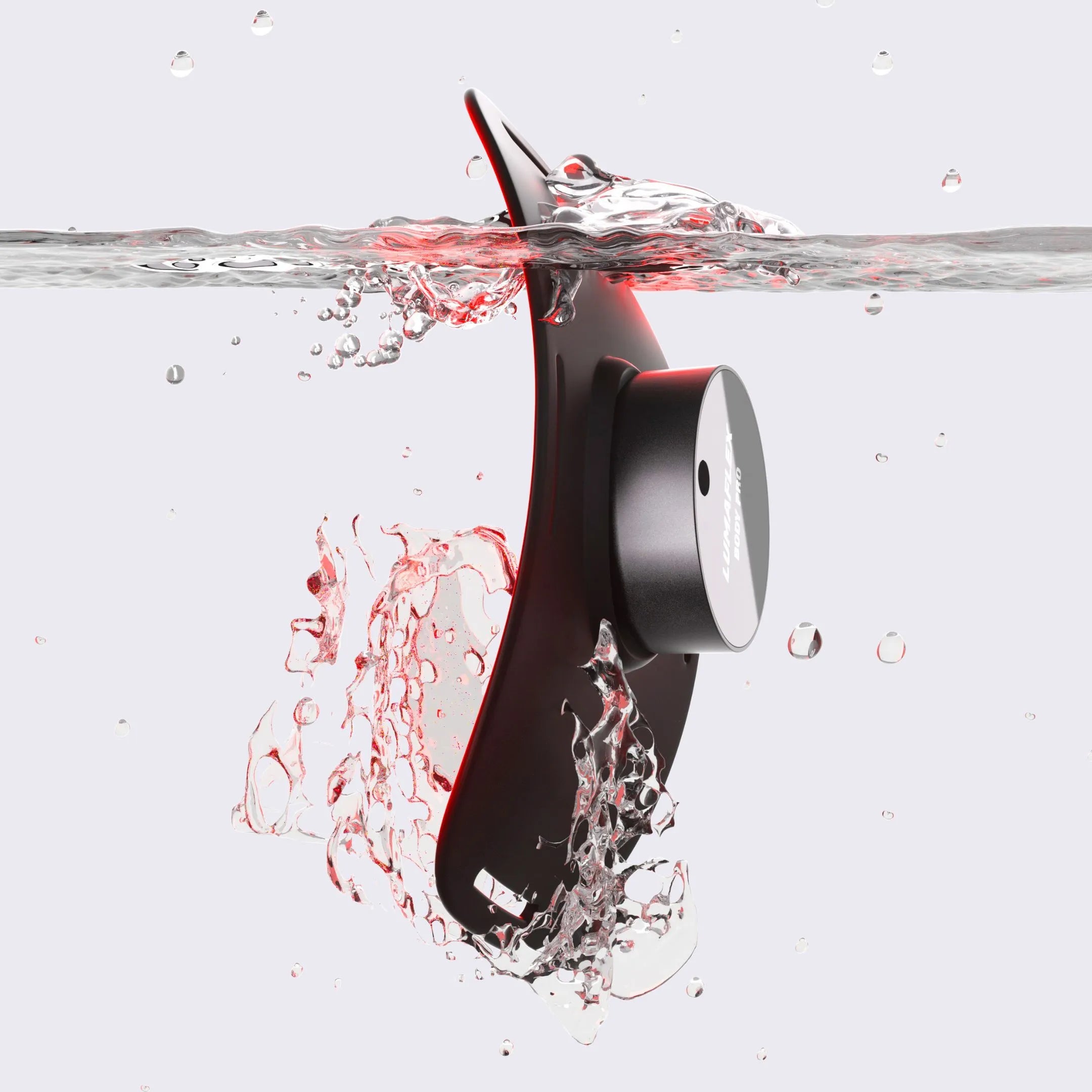
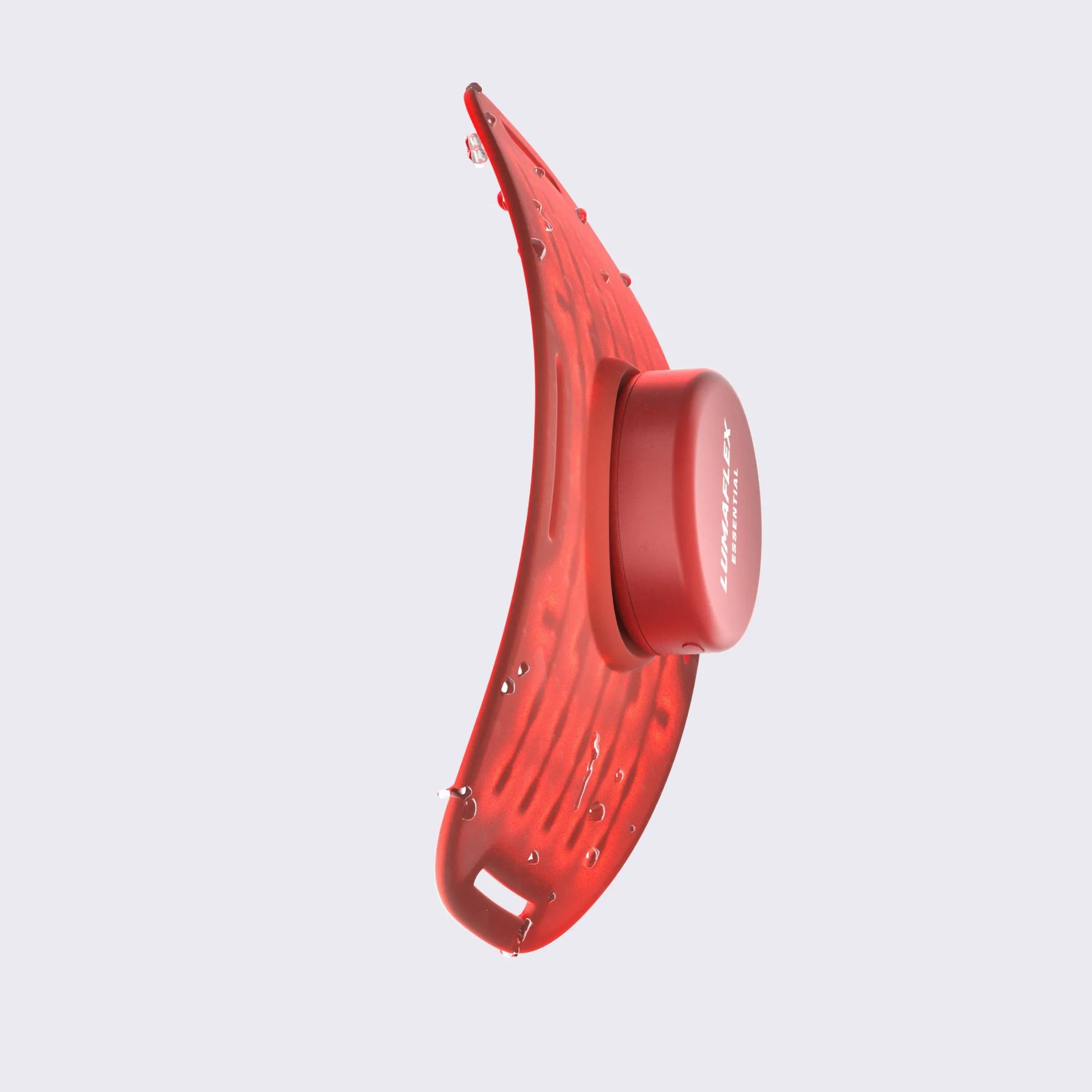
Red light therapy can be part of a gentle skin care routine, and devices like Lumaflex are designed with that in mind. Using dual wavelengths of red and near-infrared light, Lumaflex targets skin comfort and inflammation support without harsh exposure.
When the device works the same every time, users know exactly what to expect from each round of light therapy. Because Lumaflex fits right into household spaces, fitting in quick uses throughout the day feels natural. Beginning with small steps makes a difference over time.
Keep in mind that Lumaflex does not replace medical care. Its purpose is to help maintain comfortable, healthy skin alongside treatments and habits your dermatologist has already suggested.
What is the biggest trigger for psoriasis?
Triggers vary from person to person, but common ones include stress, cold weather, illness, and skin injuries. These factors can increase inflammation and lead to flare-ups.
What color LED light is best for psoriasis?
Red or near-infrared light is generally recommended. These wavelengths penetrate safely and support inflammation control and skin repair.
How often can you do red light therapy for psoriasis?
Short, consistent sessions a few times per week are usually best. Starting slow and monitoring skin response is important for safety and comfort.
Can I do red light therapy at home?
Yes, home devices designed for red light therapy are safe for frequent use. Choose a reliable unit with proper wavelengths and energy output, and avoid using it on actively blistered or heavily irritated skin.
Does psoriasis come back after light therapy?
Psoriasis is chronic, so flare-ups can return even after light therapy. Using red light as part of a consistent care routine may help manage symptoms, but it does not cure the condition.