Red Light Therapy for Androgenetic Alopecia (2017 Study Insights)

Red Light Therapy for Androgenetic Alopecia: What a 2017 Clinical Study Reveals
Red light therapy for androgenetic alopecia is getting more attention as people look for practical, research-based ways to manage pattern hair loss. For some, that search leads to hair transplants. For others, especially in the earlier stages of thinning, there’s growing interest in non-surgical options that may help support hair follicles before more invasive steps are considered.
Red light therapy, also known as photobiomodulation, uses specific wavelengths of light to interact with cells in the scalp. The idea is not about quick fixes, but about supporting normal biological activity that plays a role in hair growth. While this therapy is often talked about in general terms, its potential depends on how it performs in specific conditions like androgenetic alopecia.
In this article, we’ll look closely at a 2017 clinical study published in Annals of Dermatology that examined low-level light therapy in people with pattern hair loss. Instead of covering every possible treatment, the focus here is on what this study found, what it may mean for those dealing with androgenetic alopecia, and how it fits into today’s changing approach to hair restoration.
- 1. Red Light Therapy for Androgenetic Alopecia: What a 2017 Clinical Study Reveals
- 2. Why Pattern Hair Loss Is Driving Interest in Both Surgical and Non-Surgical Options
- 3. Summary of the 2017 Clinical Study on Red Light Therapy and Androgenetic Alopecia
- 4. How Red Light Therapy May Influence Hair Follicle Activity in Androgenetic Alopecia
- 5. What the Study Suggests for People With Pattern Hair Loss
- 6. Wavelengths Used in Research and Why Parameters Matter
- 7. Can Red Light Therapy Play a Supportive Role Alongside Hair Transplants?
- 8. Red Light Therapy's Position for Pattern Hair Loss
- 9. Related Readings on Red Light Therapy for Androgenetic Alopecia
Why Pattern Hair Loss Is Driving Interest in Both Surgical and Non-Surgical Options
Patterned hair loss is now more openly discussed than it was in the past. It is a common topic in everyday life, and hair restoration has become less of a taboo. Hair transplants, in general, have become more accepted as well, which has gone a long way in normalizing the thought that treating hair loss is a personal choice rather than a private matter.
The change is very obvious when it comes to celebrities. John Cena, during his last WWE stint, was one such public figure. He did not talk about his hair issues, but that was enough for fans to notice and discuss it. Such events, however different they might be, just mirror the state of public acceptance that hair restoration is just another thing that happens in life even in the most visible ways.

However, surgery is a complicated and risky decision nevertheless. Besides being very invasive, there is also a considerable time period for full recovery that can scare a lot of people. Then, the issue of price comes in. For those who are just starting to experience androgenetic alopecia, when there is still slight thinning of hair accompanied by active follicles, the surgical method can seem too drastic.
As a result, a lot of patients will begin with the non-surgical treatments. They consider such ways to be of lower risk and more adaptable to their lifestyle. The patients' and doctors' attitudes will then be toward hedge the scalp and follicle health early on to reap the benefits of expecting longer-lasting results and this is why more and more folks are turning to red light therapy and other non-invasive skincare like treatments for their therapy.
Summary of the 2017 Clinical Study on Red Light Therapy and Androgenetic Alopecia
The clinical study that underpins this article was published in 2017 in the journal Annals of Dermatology and the main focus of the study was patients with androgenetic alopecia. The researchers did not study hair loss in general but specifically focused on pattern hair loss, which is a very important issue because this condition behaves differently than other forms of thinning.
During the intervention period, the participants received low-level light therapy with controlled schedules of treatment. One of the reasons for the gradual observation was not to test one-time application effect. Outcomes like hair density and hair diameter, two commonly used markers in assessing whether the hair follicles are becoming more active, were measured by researchers.
To maintain the study's structure and quantifiability, the researchers focused on several salient issues:
- Patients diagnosed with androgenetic alopecia
- Scheduled red light therapy for a specific time period
- Hair density and hair thickness changes as main outcomes
The treatment group was characterized by the fact that observable improvements were being made over a period of time. The changes shown were not indications of overnight regrowth but were pointing to the activity of the follicles being increased in the areas affected by androgenetic alopecia. The study corroborated the view that red light therapy is likely to induce through the hair growth cycle the biological processes associated with it, especially when the follicles are still present and are responsive.
It is important to mention that the study did not make a claim concerning the aforementioned points. It did not portray red light therapy as a definitive treatment or a substitute of a particular drug. Rather, it contributed to the mounting data suggesting that the photobiomodulation could have a supportive role in the management of pattern hair loss, particularly if used consistently.
How Red Light Therapy May Influence Hair Follicle Activity in Androgenetic Alopecia
Before breaking this down further, it helps to remember that androgenetic alopecia is a gradual process. Hair follicles don’t stop working all at once. They slowly lose strength and efficiency over time. Red light therapy is being explored as a way to support these follicles while they are still active, rather than trying to reverse hair loss after follicles have already shut down.

Photobiomodulation and Cellular Energy
To understand why red light therapy is being studied for androgenetic alopecia, it helps to look at what’s happening at the follicle level. Pattern hair loss doesn’t cause follicles to disappear overnight. Instead, they slowly shrink and produce thinner hairs over time. Red light therapy isn’t meant to create new follicles, but to support the ones that are still active.
Photobiomodulation refers to how specific wavelengths of light interact with cells. When red light reaches the scalp, it can be absorbed by cells within the hair follicle. That light energy is thought to support normal cellular function, especially in cells that are under stress or beginning to slow down. In androgenetic alopecia, many follicles fall into this category.
Blood Flow and Nutrient Delivery to the Scalp
Hair follicles need a steady supply of oxygen and nutrients to function properly. As androgenetic alopecia progresses, the environment around the follicle can become less supportive. Red light therapy has been linked to increased blood flow in treated areas, which may help improve nutrient delivery to the scalp.
Better circulation doesn’t change the genetic drivers of pattern hair loss, but it may help create conditions where follicles can function more efficiently. For follicles that are still present, this kind of support may play a role in maintaining hair quality over time.
The Hair Growth Cycle and Anagen Support
Hair grows in cycles, and the anagen phase is the period when active growth occurs. In androgenetic alopecia, this growth phase becomes shorter, leading to finer and shorter hairs with each cycle. Over time, this contributes to the visible thinning associated with pattern hair loss.
By supporting cellular activity and local circulation, red light therapy may help follicles remain in the anagen phase for longer periods. This doesn’t lead to sudden regrowth, but it may help explain the gradual changes in hair density and thickness seen in clinical studies.
Why Early-Stage Androgenetic Alopecia May Respond Better
Timing matters when it comes to non-invasive therapies. In the early stages of androgenetic alopecia, follicles are still producing hair, even if that hair is becoming thinner. These follicles are more likely to respond to supportive approaches like red light therapy.
Once follicles have fully miniaturized or stopped producing hair altogether, there is far less potential for change. This is why research often shows better outcomes in individuals who begin treatment earlier, when there is still follicle activity to support.
What the Study Suggests for People With Pattern Hair Loss
Who May Benefit Most
Through the lens of this study viewed in real life, the huge conclusion is not a complete change. It is about identifying who might respond most with a meaningful effect and under what circumstances. The use of red light therapy seems to be primarily applicable to the early and moderate stages of androgenetic alopecia, when the hair follicles are still alive and the production of hair is going on, albeit that the hair is getting thinner with time.
Setting Realistic Expectations
The findings of the study did not indicate any sudden grown-up or fully reclaimed pattern hair loss. The observed changes were gradual and slight; they were actually the corresponding shifts in hair density and thickness, not new hair taking place overnight. Such improvement may be considered still worthwhile by many people, particularly when the aim is to slow down progression instead of chasing after a complete transformation.
Why Results Can Vary
Androgenetic alopecia evolves differently for each individual. Genetics, age, scalp health, and also the stage of hair loss at the beginning are determining factors that influence the result. Hence, some individuals will be able to observe the changes more obviously with time while others may experience subtler effects or no change at all.
The Role of Time and Consistency
Hair growth has a slow biological rhythm, which is the reason why supportive measures should be considered in months rather than weeks. The study concurs with this timeline yet does not specify any outcomes. There are no certainties, but the focus on regular and prolonged usage indicates how hair roots basically react to supportive treatments.
Wavelengths Used in Research and Why Parameters Matter
The matter of specificity in research of red light therapy is one of the aspects that has often been overlooked in the discussions of hair loss. The studies are not simply saying “red light” and leaving it at that. They operate using well-defined ranges of wavelengths, which are normally in the red and near-infrared spectrum, because the various wavelengths have different interactions with the tissues.
To illustrate this concept more clearly, here are the major factors that researchers are usually looking at:
- The wavelength range, during the treatment, that has been used
- The sessions’ regularity over a period of time
- The duration and frequency of the treatments
- The area targeted, for instance, the scalp regions that are affected by thinning hair
These parameters were regulated and kept constant in the study that was conducted in 2017. This is important because hair follicles react to light depending on the depth of penetration and interaction with surrounding cells. The differences in wavelength or exposure time that are just above the limit can still affect the support that is provided by the therapy and thus account for inter-study variability in the results.

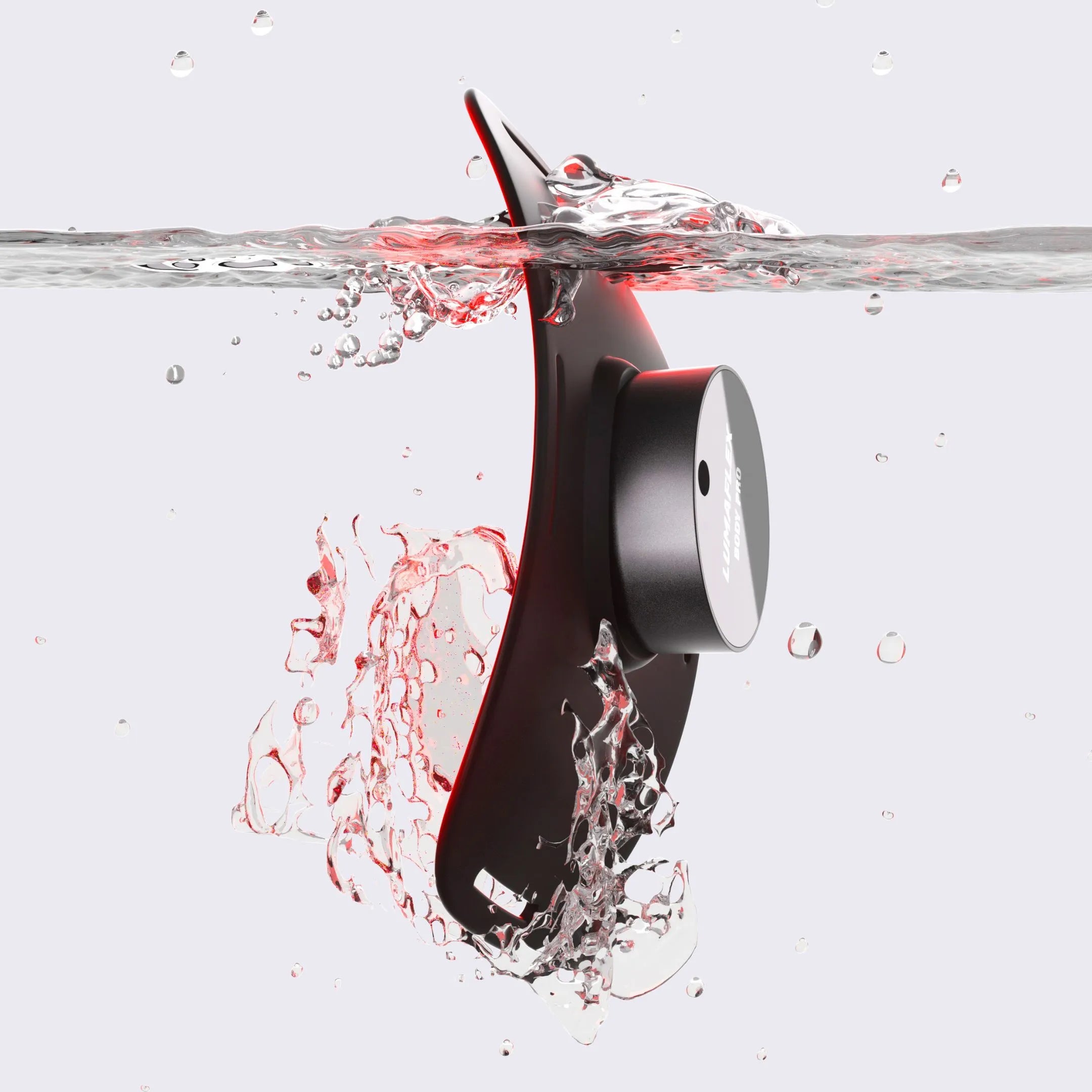
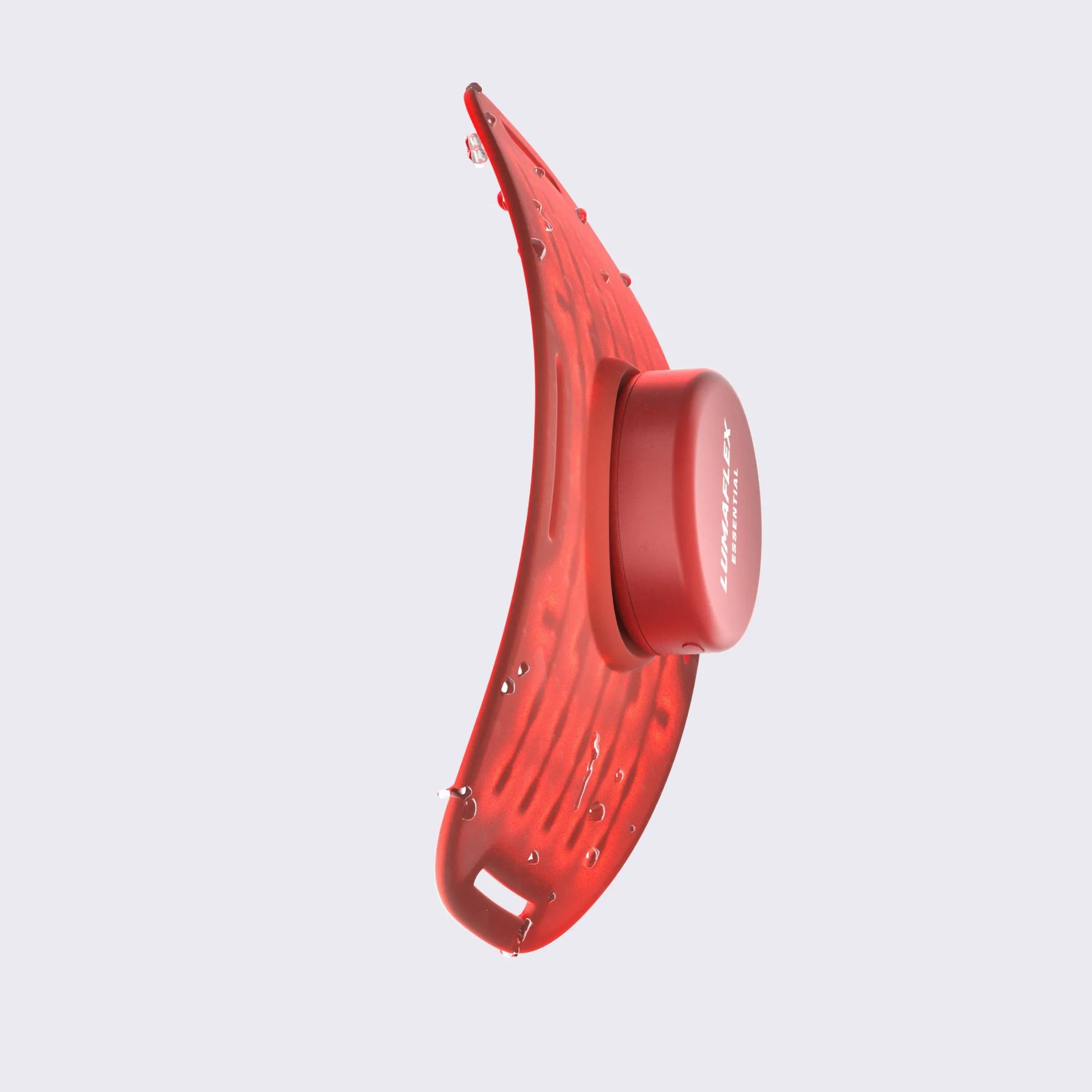
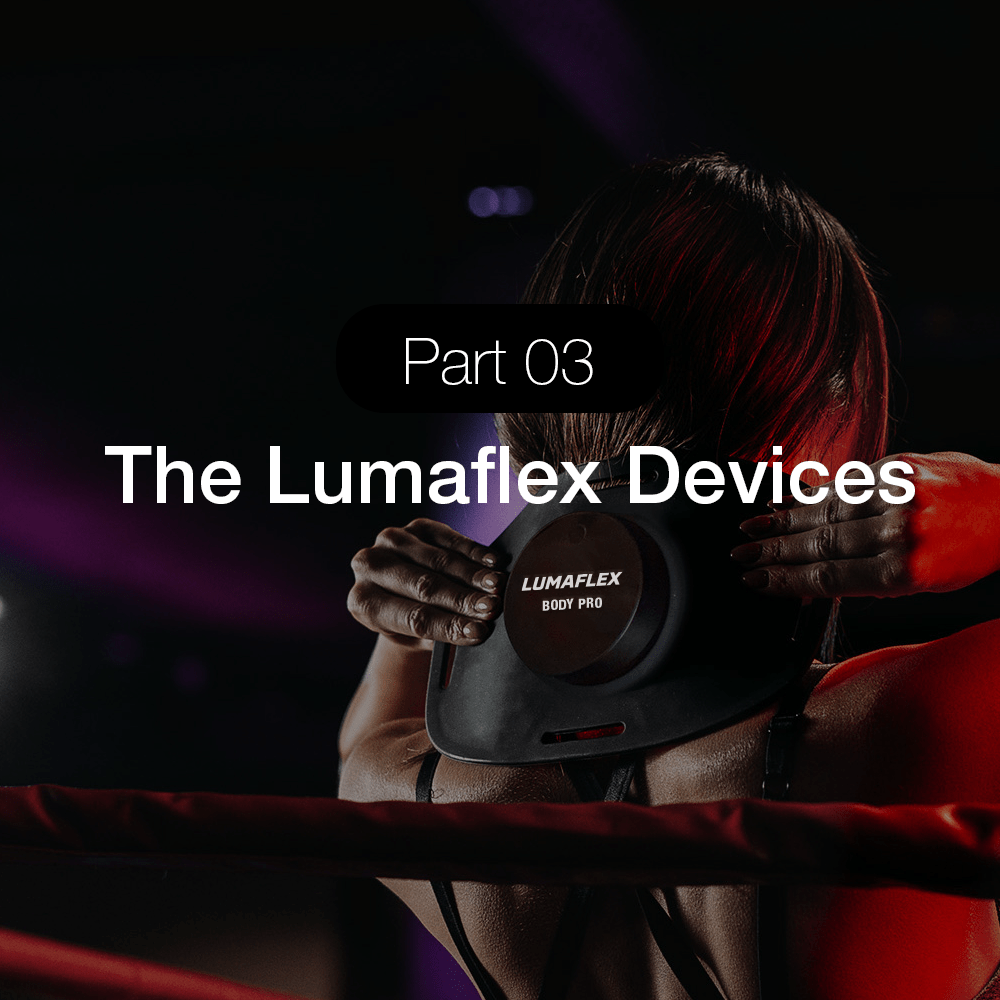
In this respect, device design also comes into play. There are some home-use devices which emit light of a single wavelength only, while others provide multi-wavelength options which represent the wide range of wavelengths that have been used in various research protocols. Lumaflex Essential Pro is one of the devices that offer varied wavelengths which are close to those used in red light therapy studies. This, however, is not a performance claim but rather an issue of flexibility and consistency with research parameters.
It is quite a big revelation that red light therapy is not a one-size-fits-all treatment option. The manner and mode of its application are very crucial, especially in the case of androgenetic alopecia where hair follicles may be present but have become less responsive than before. And by attending to the wavelengths one can manage the expectations and also reignite the hope.
Can Red Light Therapy Play a Supportive Role Alongside Hair Transplants?
As hair transplants have become more common, questions naturally come up about what happens before and after surgery. Some people look for non-surgical options before committing to a transplant, while others explore supportive approaches afterward as part of a longer-term plan. In both cases, the interest often centers on maintaining scalp health and creating the best possible environment for existing hair follicles.
Red light therapy comes up in these conversations because it is non-invasive and focused on supporting normal biological activity in the scalp. For individuals considering surgery, it may feel like a lower-risk way to address thinning while they decide on next steps. For those who have already undergone a transplant, the interest tends to be more about overall scalp care rather than replacing the procedure itself.

It’s important to keep expectations grounded. Research into how red light therapy fits alongside surgical hair restoration is still developing, and there is no clear evidence that it directly affects transplant outcomes. What studies do suggest is that red light therapy may support general scalp and follicle health, which helps explain why it continues to be explored in a supportive context.
Rather than positioning red light therapy as an alternative to surgery, it’s more accurate to view it as part of a broader conversation around hair loss management. Ongoing research will help clarify where, and for whom, it may be useful alongside other approaches, including surgical options.
Red Light Therapy's Position for Pattern Hair Loss
The studies regarding red light therapy and androgenetic alopecia are still in initial stages. This 2017 study, for example, contributes by making the discussion narrower, but still avoids giving final answers and guarantees. However, the studies do give good context, especially when it comes to considering this therapy in terms of when and why.
Red light therapy is a non-invasive way of treating pattern hair loss that some people might become interested in rather than being considered as a final solution. Its involvement seems to be most significant when the hair roots are still alive and can be influenced, thus the reason for the importance of timing and individual traits. It can be visited in conjunction with some plans and in isolation in others, depending on the individual's preference and the rate of hair loss.
There is no one way that is correct for everyone. Treating androgenetic alopecia usually means, over time, weighing the pros and cons of the different options and changing the approach if necessary. With more research being conducted, the use of trustworthy educational resources will enable people to make their choices with clearer expectations and a better understanding of where the different methods may realistically fit.
Related Readings on Red Light Therapy for Androgenetic Alopecia
- Red Light Therapy for Skin, Pain, and Hair: How Long Will It Take to Notice Changes?
- Red Light Therapy for Hair Growth That Really Works
- Benefits of Red Light Therapy for Bald Spots at the Crown
- Investigating the Effects of Red Light Therapy on Estrogen Levels
- Scalp Psoriasis and Psoriatic Arthritis Diet: Healing Foods vs. Triggers