Red Light Therapy for Hair Growth That Really Works

Red Light Therapy for Hair Growth: Evidence & Proven Protocols That Actually Work
Hair getting thinner usually happens slowly. Maybe you spot a broader section line, some faint spots by your ears, or extra hairs piling up after washing. Stress, body changes, or genes - no matter the reason - it leads to feeling annoyed and wanting something real that helps. People usually test out solutions such as minoxidil, doctor-prescribed pills, or surgery, yet still deal with side effects, steep prices, or shaky results.
Red light therapy for hair growth is getting noticed since it tackles hair growth in a unique way. Instead of using chemical stuff, this method hits hair roots with targeted light beams that wake them up. Studies confirm it boosts how much hair you’ve got, makes each strand tougher, while also lifting general scalp condition. That means fewer harsh effects plus solid proof that it works well for guys or girls.
This guide explains how red light therapy supports hair growth and gives you practical protocols you can follow at home. If you are dealing with early thinning, increased shedding, or simply want to keep your hair healthier as you age, you will find clear steps and reliable information to help you get started.
- 1. Red Light Therapy for Hair Growth: Evidence & Proven Protocols That Actually Work
- 2. H2. Why Hair Thins And Why It Feels Impossible to Fix
- 3. What Is Red Light Therapy and Why Does It Help Hair Grow?
- 4. Wavelengths That Matter: 630nm vs 660nm vs 850nm for Hair Regrowth
- 5. Is red light therapy effective for growing hair? A look at what research says
- 6. Who Red Light Therapy Works Best For (And Who It Doesn’t)
- 7. Proven At-Home Protocols You Can Follow
- 8. Realistic Results Timeline - What to Expect
- 9. Common Mistakes That Can Block Results
- 10. Key Features to Look for in an Effective Red Light Therapy Device
- 11. Integrating Lumaflex Into Your Hair Growth Routine
- 12. Does Red Light Therapy Work for Hair Growth?
- 13. Red Light Therapy for Hair Growth FAQ: Answers to Common Questions
Why Hair Thins And Why It Feels Impossible to Fix
Hair getting thinner can feel puzzling and frustrating. It rarely has a single cause. Most people face several changes at the same time, all of which gradually affect the hair roots.
Follicle Miniaturization
A major reason for thinning is follicle miniaturization, especially with pattern baldness. When the follicle becomes smaller, new hairs grow back weaker and thinner with each cycle.
Reduced Blood Flow
Poor circulation also contributes to thinning. The scalp needs a steady supply of oxygen and nutrients to support growth. Without it, follicles struggle to function at full strength.
Stress and Hormonal Shifts
Stress and hormonal changes play a big role as well. Many women experience increased shedding after childbirth. Anyone may notice thinning when life becomes stressful.
Aging and Lower Cellular Energy
Aging reduces the amount of energy cells can produce. When follicle cells make less energy, they have a harder time growing thick, healthy strands.
Scalp Inflammation
Inflammation around the follicle can further disrupt normal growth. An irritated scalp creates a less stable environment for new hair to form.
You Are Not Alone
If you are dealing with any of these issues, you are not alone. Hair shedding is far more common than most people realize. Understanding how your follicles work helps you stay ahead of the process.
This is also where red light therapy for hair growth becomes helpful. It supports blood flow, calms irritation and increases cellular energy, addressing the key factors that contribute to thinning.
What Is Red Light Therapy and Why Does It Help Hair Grow?
Red light therapy boosts hair growth by helping cells produce more energy. Red light activates the mitochondria in your cells, helping them produce more ATP, the energy your hair roots need to grow stronger. Powering up hair follicles this way helps them stay active longer. It also calms scalp irritation while bringing more oxygen through better circulation. Together, these changes support stronger, denser strands over time.

It works in four key ways:
1. Fuels hair roots
Red light boosts cell energy in follicles so they grow fuller and tougher strands. Higher cellular energy can help weak spots get support before fading out. Energized follicles handle stress better, keeping growth steady down the line.
2. Reduces scalp swelling
When irritation goes down, thanks to red light, those tiny pockets where hair grows start working better. Instead of staying stressed, they get more nourishment and stay active longer. As things settle, each strand that comes out tends to be thicker and healthier over time.
3. Boosts blood movement
Better circulation carries extra oxygen plus nutrients straight to hair roots, which is the key to growth. That constant supply renews cell action in the follicle, fueling its best performance. With time, stronger circulation helps grow thicker, sturdier strands that feel fuller.
4. Lengthens the growth stage
The growing phase is called anagen. This stage decides the strand thickness and length. With red light, cells keep working longer, so hairs get denser while keeping their size past normal limits. Over time, this builds stronger, richer-looking hair.
Wavelengths used
Red light therapy usually picks red tones around 630 to 660 nm for skin-level effects, while using near-infrared rays from 810 to 850 nm to get into deeper layers. Because each type powers up mitochondria, gadgets that combine both tend to work better.
Wavelengths That Matter: 630nm vs 660nm vs 850nm for Hair Regrowth
When it comes to red light therapy for hair growth, some lights work better than others. Knowing which ones actually help makes a big difference.
Red Light: 630–660 nm
Red light around 630–660 nm hits right at the scalp’s surface, giving follicles a direct energy boost. Because it ramps up ATP, cells get more fuel to function better. As a result, weak or shrunken follicles may wake back up. That means fuller, healthier hair over time. Thanks to deeper cellular support.
Near-Infrared Light: 810–850 nm
810–850 nm (near-infrared light): This type of light goes deep into the scalp. Because it boosts blood flow, it helps calm irritation. As a result, hair roots get fed from below. That way, conditions become right for new growth.
Why Dual Wavelengths Work Better
Dual wavelengths work better. Follicles get a direct boost from red, whereas infrared builds up nearby tissue and blood flow. That mix explains why devices such as Lumaflex tend to show quicker changes compared to those using just one type of light.
What Studies Show
Studies find that combining these wavelengths boosts hair fullness, strength, plus a healthier scalp every time. Instead of buying into wide-range LED claims, using dual wavelength red light therapy brings real results backed by research when it comes to growing hair back.
For a deeper explanation of how 630 nm and 850 nm work on the scalp, you can read our full wavelength guide here: 630nm vs 850nm: Red and Near-Infrared Light Compared.
Is red light therapy effective for growing hair? A look at what research says
Clinical work from the last eight years suggests red light might boost hair count, the width of each strand, also how active the roots become for men and women. Findings stay steady through strict tests, trials using LEDs, and even lab setups.
Randomized Trial on Hair Count
A 2017 study across multiple clinics, published in Dermatologic Surgery, found 51% more hair growth over 17 weeks with 650 nm light treatment. So far, this test is among the clearest signs that certain light wavelengths really work.
LED or low-level laser treatment
Research from Gentile & Garcovich (2021), along with work by Jean-Pierre and team (2024), showed better hair growth with LEDs or lasers. Though LLLT worked a bit quicker, steady use of LEDs also led to real results.
Effects on Scalp Blood Flow and Cellular Energy
Keonwoo Choi and team in 2024 found that near-infrared LED light boosted ATP levels while also triggering hair regrowth in lab cells and mice. On top of that, Jin Hee Kim’s study from 2023 showed people gained about 14 to 15 percent more hair after 12 up to 24 weeks. Most people, around seven out of ten, saw real changes.
Evidence from Meta-Analysis
A 2022 review looked at 36 studies with 966 people showing light therapy works well for pattern hair loss while causing almost no issues.
Summary of Key Studies on Red Light Therapy for Hair Growth
| Outcome Measured | Duration (Weeks) | Study Notes |
| Hair count increases | 17 | Randomized controlled trial |
| Density improvement | 16–26 | Comparison of LED vs low-level laser therapy |
| Scalp circulation | 12–24 | Research focused on scalp blood flow |
| Terminal hair growth | 4 | 2022 meta-analysis |
On the whole, red light therapy for hair growth works pretty well when you pick the right color light plus stick to a solid routine.
Who Red Light Therapy Works Best For (And Who It Doesn’t)
Some kinds of hair loss react differently. Talking straight about who sees results makes it clearer why red light therapy for hair growth helps certain people, yet misses others.
Works Best For:
- Early-stage thinning: roots stay alive, so they react when energized.
- Hormonal hair loss: Early male pattern baldness usually gets better fast, especially if caught quickly.
- Stress-related shedding: When hair falls out due to stress, it often bounces back, especially if the roots stay strong.
- Postpartum hair loss: After having a baby, hair falls out due to hormone changes, but boosting scalp activity helps it grow back quicker.
- Age-related density loss: As you get older, thinning hair is normal. Roots that are sluggish but still alive may respond well to better blood flow and a bit more energy.
Limited Results / Won’t Work For:
- Completely bald regions: Follicles are dead, so no new growth happens.
- Shiny scalp with zero miniaturized hair: if there are no working follicles, progress can't go far.
- Scarring alopecia: when follicles turn into scar tissue, they stop working.
- Severe Norwood phases: Major balding in guys usually brings little change.
This clear approach wins reader confidence since most competitors avoid discussing limitations and focus only on success stories. Red light therapy can genuinely help regrow hair when follicles are still active, yet being honest about where it falls short gives a clearer picture that others tend to miss.
If you’re also curious about skin benefits, we have a separate guide on how red light therapy helps with wrinkles and anti-aging. Visit: Red Light Therapy for Wrinkles.
Proven At-Home Protocols You Can Follow
If you’re set to give it a try, use red light therapy for hair growth right at home. Stick with it; that’s what really makes a difference when chasing progress. These methods? They come from solid studies plus everyday experience.
Standard Routine
Most people do fine with an everyday plan that’s basic and straightforward:
- Time: around 10 to 15 minutes each session.
- Frequency: four to six days each week.
Wait around three months, or maybe a bit more, before you see any real change. This method keeps the follicles active, gradually boosting their energy supply while improving circulation and overall tissue condition.
Targeted Protocols by Hair-Loss Type
- Male pattern thinning - People often spot hair loss first around the top of the head or near the forehead because light tends to hit those areas most. Try spending about 15 minutes per session, targeting that spot four or five days a week for best results.
- Female diffuse thinning - Follicle stimulation on the whole head works better with brief treatments. Just 10 to 12 minutes, as often as four to six days a week. Spreading it out helps reach every area without overload.
- Postpartum or stress-related shedding (telogen effluvium): Follicles might react sooner after childbirth or stress. Try briefer treatments around 8 to 10 minutes, spaced out more often, even daily if needed, maybe up to six days a week, helping speed things up.
Consistency Is Key
Skipping treatments messes things up that no gadget can fix. Stick to your plan, stay steady with each session, yet log changes monthly; it is the number 1 predictor of visible results.
Following these step-by-step home routines gives your hair roots the boost, blood flow, and conditions needed to shift from weak or inactive into stronger, growing phases. Stick with it, and you’ll likely notice changes by week 8 to 12; getting better over half a year.
You can also learn more through the Lumaflex Academy, which offers short, easy modules on wavelengths, technique, and proper usage
Realistic Results Timeline - What to Expect
With red light therapy for hair growth, knowing what to expect over time really helps. Follicles don’t react right away, so sticking with it matters a lot. Progress comes slowly, but staying consistent makes a difference.
- Weeks 2–4: Early Stabilization
Hair loss might start easing once follicles get used to steady light. It’s a quiet change yet shows roots are waking up, shifting toward a better rhythm.
- Weeks 8–12: Baby Hairs + Texture Improvements
Little fuzzy sprouts might pop up near spots that were thinning. The old hairs usually seem tougher, silkier, blood flow’s better, and cells work faster.
- Months 3–6: Noticeably Fuller Hair
Hair starts looking thicker around now, making the head seem less bare. At this point, folks usually get motivated since improvements stand out more.
- Months 6–12: Full Cosmetic Improvement
By now, you’ll likely notice fuller thickness plus more robust strands. Over time, regular use leads to hair that looks tougher and way better.
Hair Growth Visual Timeline

Following the guidelines closely matters more than anything else when it comes to getting these outcomes. Those who keep up their schedule tend to notice steady, visible progress in hair growth as weeks go by. If you want a more detailed breakdown of weekly schedules, check out our guide on how often to use red light therapy for best results.
Common Mistakes That Can Block Results
Even the best red light therapy for hair growth devices fail when you use them incorrectly. People often mess up basic steps without knowing. which slows things down.
Here are 5 mistakes to avoid:
1. Inconsistent Routine
Mixing things up now and then or skipping sessions slows down progress because hair roots thrive on regular nudges. When routines get shaky, results take longer since consistency keeps the process moving.
2. Using Weak or Incorrect Devices
Fake LED lights might save cash, but they can't hit the scalp deep where hair grows. Without solid power or precise light tones, using it every day still leads nowhere.
3. Holding the Device Too Far Away
Putting the light way above your head makes it work a lot less. On top of that, you might miss sparse sections without realizing it, so those patches stay bad.
4. Expecting Fast Results
Hair grows slowly; that’s how it works. So, hoping for big results fast can leave you annoyed. Most changes won't pop up until after a few weeks, sometimes longer.
5. Stopping Before 12 Weeks
Most people give up fast, thinking it’s not working. Truth is, hair roots often take around three months of steady use till changes show.
Avoiding these errors keeps your roots lively, strong, also properly supported. Follow the right moves then you’ll probably notice consistent progress as days go by.
Key Features to Look for in an Effective Red Light Therapy Device
Picking a good device really helps when using red light therapy for hair growth. Since some devices don't work as they say, pay close attention to what each one offers instead.
Top Features to Check:
1. Correct Wavelengths That Target Hair Follicles
Devices need red light (630–660 nm) to wake up shallow hair roots, while near-infrared (810–850 nm) dives deeper into skin, boosting blood flow. One helps spark growth; the other fights swelling below, so both must work together.
2. Strong Enough Light Output (Irradiance)
A good dose of light matters to get deep enough to hit the hair roots. Some devices just don’t pack enough punch, so the rays can't cut through skin well, which means less progress.
3. Full Scalp Coverage for Even Results
Covering every part of your scalp boosts regrowth where it's needed most, like the top, sides, and front edge. Hitting all spots evenly keeps things from looking uneven later.
4. Comfort and Ease of Use
Comfort matters when picking a device; something light and simple sticks around your day without hassle. Being able to carry it means you’ll actually use it, no extra effort needed.
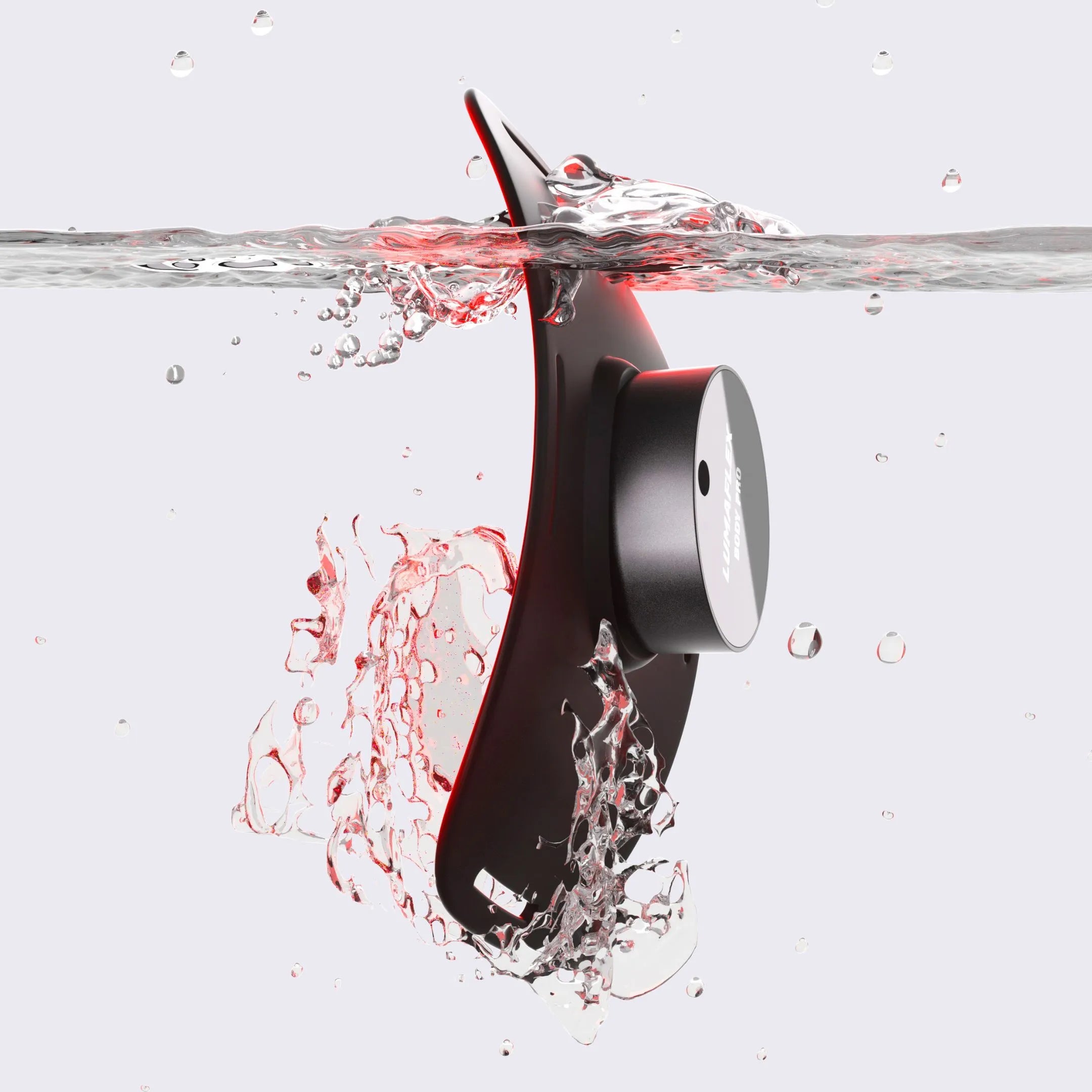
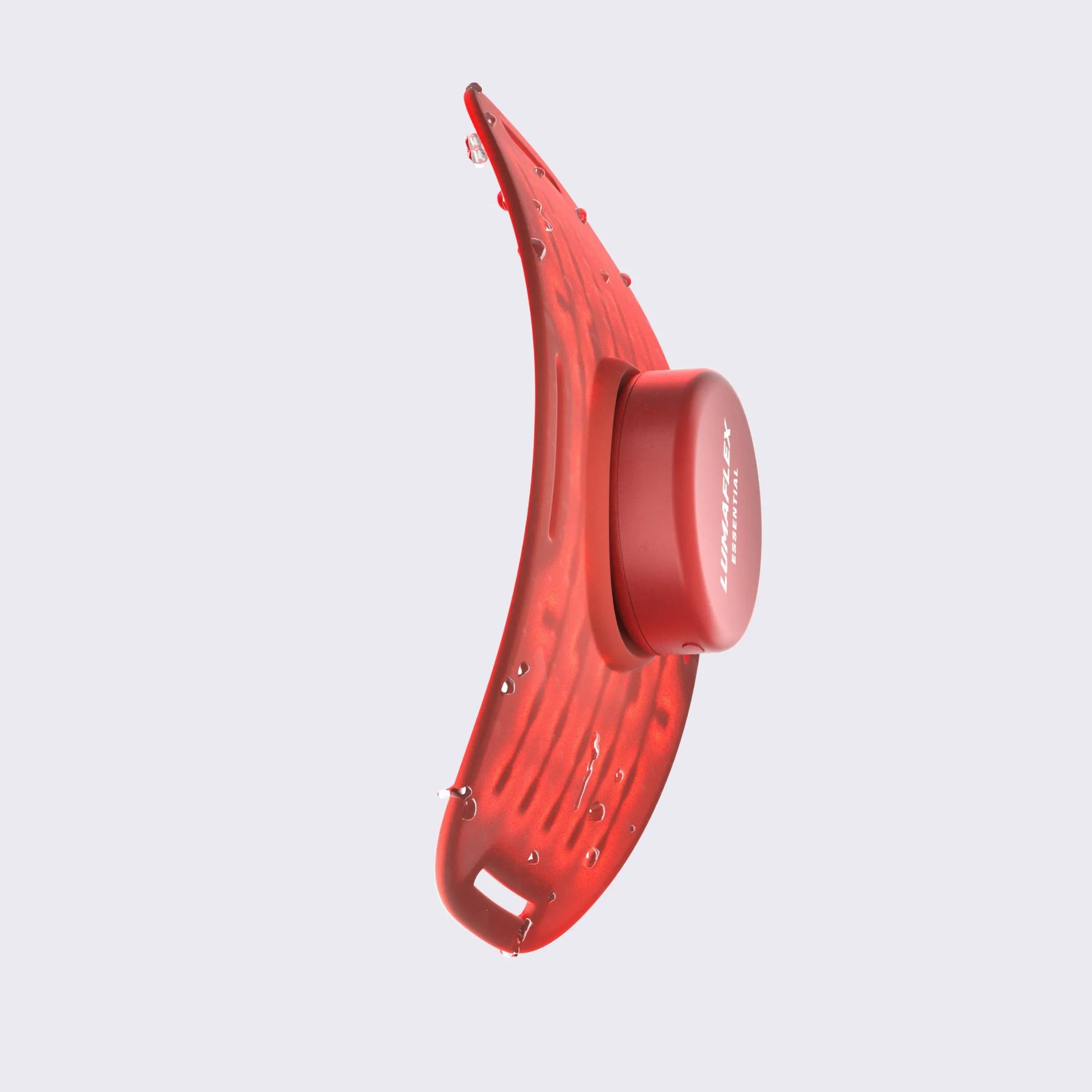
Portable gadgets such as Lumaflex use two light types while staying lightweight; their bendable shape helps fit treatments into everyday life without hassle. Check out what Lumaflex can do for your everyday hair care. See how it fits into your routine, boosts results, or just makes things easier.
Integrating Lumaflex Into Your Hair Growth Routine
Consistency matters most when using red light therapy for hair growth. Lumaflex helps you stay on track. With its lightweight build, you’re free to move around without holding anything, letting you zone out with a book, catch up on emails, or relax mid-day at your place.
Lumaflex slips right into your day, no matter if you're stuck at work, sweating it out, or on a trip. Instead of staying put as bulky units do, this device goes where you go, so sessions don't get skipped. Stick with it, and you'll kickstart scalp activity, boost blood flow, and also stretch out how fast hair grows. That’s when real changes start showing up.
By supporting long-term protocols and making sessions convenient, Lumaflex gets people to stick with their routines. Because of this practical approach, it tends to work better compared to devices that feel clunky, get in the way, or are just hard to follow every day.
Anyone focused on growing their hair can fit Lumaflex into everyday life. It brings balance plus consistency to help see real, long-term results.

Does Red Light Therapy Work for Hair Growth?
The answer is yes. Red light therapy for hair growth might help your hair if you stick with it and pick a device that uses the right kind of light. Studies plus real-life feedback suggest better outcomes for people dealing with slight to medium thinning, extra shedding, or losing hair due to hormones and stress.
Changes happen gradually. Some notice less hair falling out within a few weeks, while tiny new hairs may appear around weeks eight to twelve. After a couple of months, hair often looks fuller. Staying consistent matters most, because regular use brings steady improvements.
If you want something basic yet easy to carry around, check out Lumaflex. Because it offers both light types crucial for growing hair, slipping it into your day feels natural. Stick with regular use, take care of your scalp health, while letting hair roots adapt slowly. This way, real results start showing up.
Red Light Therapy for Hair Growth FAQ: Answers to Common Questions
1. Can red light therapy help hair growth?
Yes. Studies prove red light treatment boosts hair thickness, wakes up sleepy follicles, while slowing down loss in those with slight or medium thinning. Though it won’t grow new roots, it helps struggling ones make thicker hair again.
2. What wavelengths are used for hair growth (630nm, 660nm, 850nm)?
Red light around 630 to 660 nm wakes up hair roots close to the skin. Meanwhile, infrared light between 810 and 850 nm dives deeper to boost circulation. Combining these two types gives better results for new growth.
3. How long until users see results?
Shedding tends to ease up after about 2–4 weeks - around week 8 or so, tiny new hairs start showing. Thickness builds more fully by the 3- to 6-month mark; changes really stand out from month 6 onward. These shifts become clearer over the next half year.
4. How often should you use red light therapy for hair regrowth?
Many studies suggest doing it 3 to 5 times weekly, around 10–15 minutes a go. Staying regular matters. Don’t skip sessions; progress drops off fast.
5. How does Lumaflex help hair growth?
Lumaflex uses dual wavelengths. One wakes up hair roots, while the other gets blood moving on your scalp to help thicker strands come through. The bendy, feather-light setup reaches more areas comfortably, so sticking with it daily feels natural. This kind of routine matters most when you want real change over time.