Red Light Therapy Stomach Before and After Results

Red Light Therapy Stomach Before and After: What Results Are Realistic?
Search “red light therapy stomach before and after” and you’ll see the pattern fast. Slouched on the left. Standing tall on the right. Different lighting. Smoother skin. Supposedly a flatter waist in a month.
The real question isn’t whether the photo looks better. It’s what actually changed. Did body fat drop? Did waist circumference shrink by an inch? Or did bloating go down and skin tighten slightly?
If you’re considering red light therapy for belly fat, you want clear answers:
- Does it reduce abdominal fat or mainly improve how the area looks?
- Are the results short-term or lasting?
- Are we talking about a measurable half-inch, or something more significant?
- How does it stack up against treatments like CoolSculpting?
- Is a home device worth the investment?
Here’s what the research shows, what realistic stomach changes look like over 4 to 8 weeks, and how red light therapy fits into a fat-loss plan grounded in nutrition and training.
How Red Light Therapy May Affect Belly Fat and Abdominal Contour
Red light therapy works through photobiomodulation. Red light around 660nm and near-infrared light around 850nm penetrate the skin and stimulate mitochondria, increasing ATP production inside cells.
In the abdominal region, that increase in cellular energy can influence fat cells, circulation, inflammatory signaling, and skin structure. The visible outcome is usually subtle: less puffiness, slightly firmer skin, and gradual contour refinement. Body weight often stays the same.

1. Fat Cell Signaling and Lipid Mobilization
Adipocytes store triglycerides. Exposure to red and near-infrared light has been shown in laboratory settings to increase mitochondrial output and temporarily increase fat cell membrane permeability. Stored fatty acids can move out of the cell.
Release alone does not equal fat loss. Those fatty acids must be oxidized through movement or a calorie deficit. Without energy demand, they return to storage.
This is why waist reductions are typically greater in individuals combining red light therapy with resistance training, cardio, or consistent daily activity.
2. Circulation and Lymphatic Support
Red and near-infrared light improve microcirculation. Increased blood flow enhances oxygen delivery and waste removal. Lymphatic drainage may also improve.
Reduced fluid stagnation can decrease abdominal puffiness quickly. Some early “before and after” changes reflect fluid redistribution rather than fat mass reduction.
3. Inflammation and Abdominal Fat Retention
Excess abdominal fat is associated with elevated inflammatory markers such as CRP, TNF-alpha, and IL-6. Fat tissue releases cytokines that promote further storage and reduce insulin sensitivity.
Red light therapy has demonstrated anti-inflammatory effects in multiple clinical settings. Lower inflammatory signaling can improve tissue responsiveness to diet and training, making waist reductions more achievable under proper energy conditions.
4. Skin Tightening and Collagen Production
Red wavelengths in the 630–660nm range stimulate fibroblasts and collagen production in the dermis. Increased collagen improves skin firmness and texture.
On the abdomen, this can create a smoother, tighter appearance, particularly in cases of mild laxity after pregnancy or moderate weight loss.
Some red light therapy stomach results reflect improved skin tone rather than large reductions in fat volume.
What Research Actually Shows
Human trials on red light therapy and abdominal fat don’t show dramatic transformations. Most controlled studies run between 4 and 12 weeks, with participants treated three to five times per week. The typical outcome is modest: waist or hip measurements decrease by about 0.5 to 2 centimeters.
The scale usually doesn’t change much. Total body weight often stays stable. What shifts is circumference. A tape measure at the navel picks up small reductions even when the number on the scale barely moves. In some cases, participants maintain lean mass while slightly reducing fat mass, which creates a subtle change in contour without a large drop in weight.
Exercise makes a difference. Groups that combine light therapy with resistance training or structured cardio tend to see larger reductions than those using light alone. Increased energy demand appears to determine whether released fatty acids are actually burned.
Red light therapy can contribute to small, localized reductions in circumference over several weeks. It does not produce rapid fat loss on its own, and it does not replace a calorie deficit.
What Realistic Red Light Therapy Stomach Before and After Results Look Like
Stomach changes develop gradually. Most visible differences reflect improved skin tone, reduced bloating, and small circumference shifts over time rather than rapid fat loss.
Weeks 1–2
Early changes are usually related to fluid movement and circulation. You may notice:
- Less abdominal puffiness
- Slightly firmer skin
- A smoother surface appearance
Tape-measure changes are minimal at this stage.
Weeks 3–6
With consistent use four to five times per week, small waist reductions may begin to appear. Measurements at the navel may drop by a fraction of an inch. Clothing may fit slightly looser.
Changes are more noticeable in individuals combining sessions with resistance training or structured activity.
Weeks 8+
After eight or more weeks, contour refinement becomes more noticeable as small reductions accumulate.
How to Track Progress
Because changes are modest, measurement consistency matters:
- Measure at the navel
- Measure at the same time of day
- Maintain similar hydration
- Track weekly, not daily
Small fluctuations from digestion or water retention can mask true inch loss.

Fluid Shifts vs. Actual Fat Loss
Early changes around the waist are often driven by fluid movement, not fat loss. Improved circulation and lymphatic flow can reduce puffiness in the lower abdomen within days. That can make the stomach look flatter quickly, especially in people prone to bloating.
The area may seem firmer. Skin may look tighter. A tape measure might show a small drop early on.
Actual fat reduction follows a different timeline. Fat mass decreases only when released fatty acids are oxidized through activity and sustained energy demand. That requires repeated sessions and consistent training over several weeks.
Without movement and calorie control, early visual improvements from fluid redistribution tend to level off. Real contour change shows up more slowly and builds with ongoing effort.
Why Some Red Light Therapy Stomach Before and After Photos Look Dramatic
Red light therapy stomach before and after photos can appear convincing at first glance. Sharper shadows. A flatter midsection. More defined contour.
But images rarely tell the full physiological story.
Small visual differences can be amplified by lighting, posture, hydration, and even muscle engagement, all of which influence how the abdomen appears in a photograph.
Understanding these variables helps separate real contour improvements from temporary visual effects.
Several subtle factors can make red light therapy stomach before and after images look more dramatic than the underlying change:
- Lighting direction that enhances shadow definition and abdominal lines
- Posture adjustments, such as elongating the torso or slightly rotating the hips
- Camera angles that visually narrow the waist
- Abdominal bracing or muscle engagement during the “after” photo
- Hydration shifts that temporarily reduce bloating
- Short-term water loss, often influenced by sodium intake or recent exercise
Even small adjustments in these variables can create the illusion of significant fat reduction.
What Realistic Photos Typically Show
Realistic red light therapy body contouring results typically show:
- Slight reductions in lower abdominal protrusion
- Improved smoothness across the midsection
- Mild waistline refinement
- Better skin firmness and texture
They rarely show dramatic multi-inch reductions within days or complete elimination of abdominal fat without accompanying lifestyle change.
How to Use Red Light Therapy on Your Stomach for Best Results
Results depend more on consistency than intensity. Most protocols that show measurable waist changes use repeated sessions over several weeks.
Wavelengths
Effective abdominal devices typically use:
- 660nm red light for skin and dermal tissue
- 850nm near-infrared light for deeper penetration into subcutaneous tissue
Using both supports surface-level skin tightening and deeper cellular activity.
When comparing devices, verify the listed wavelengths and power output (mW/cm²). Low-output devices may not deliver meaningful energy to the tissue.
Session Duration
Most stomach protocols use 10 to 20 minutes per area.
Longer sessions do not necessarily accelerate results. What matters is consistent exposure over time.
Frequency
Research-based protocols commonly use 4 to 5 sessions per week.
Spacing sessions evenly supports ongoing cellular stimulation. Sporadic use reduces cumulative effect.
Movement After Sessions
Light exposure may increase fatty acid availability. Activity determines whether those fatty acids are burned.
A short resistance workout, interval session, or even a brisk 20-minute walk can increase oxidation demand.
Hydration
Adequate hydration supports circulation and lymphatic flow. Since early visual changes often involve fluid movement, stable hydration helps maintain consistency in measurements.
Device Fit and Contact
Direct contact improves energy delivery. Gaps between the device and skin reduce intensity and create uneven exposure.
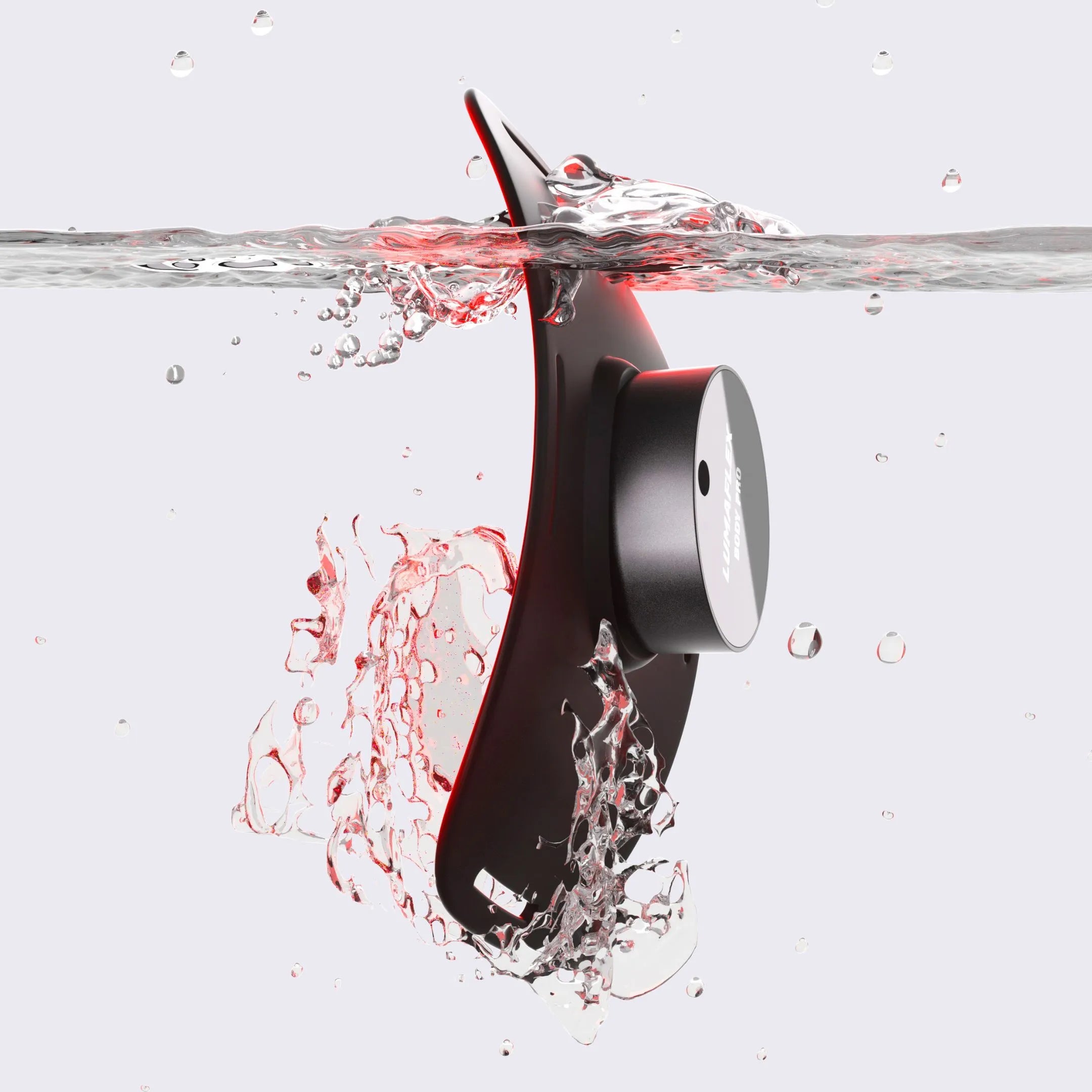
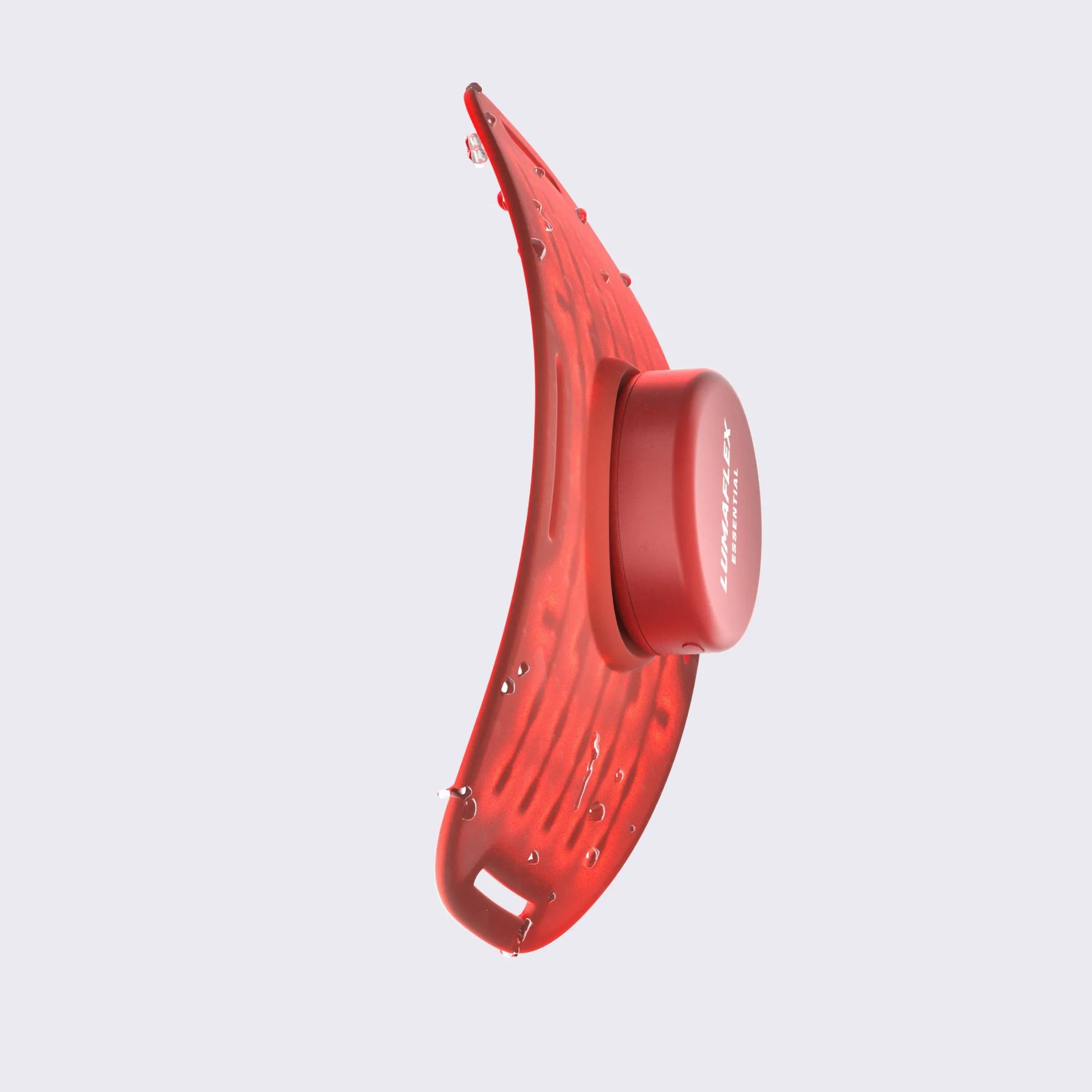
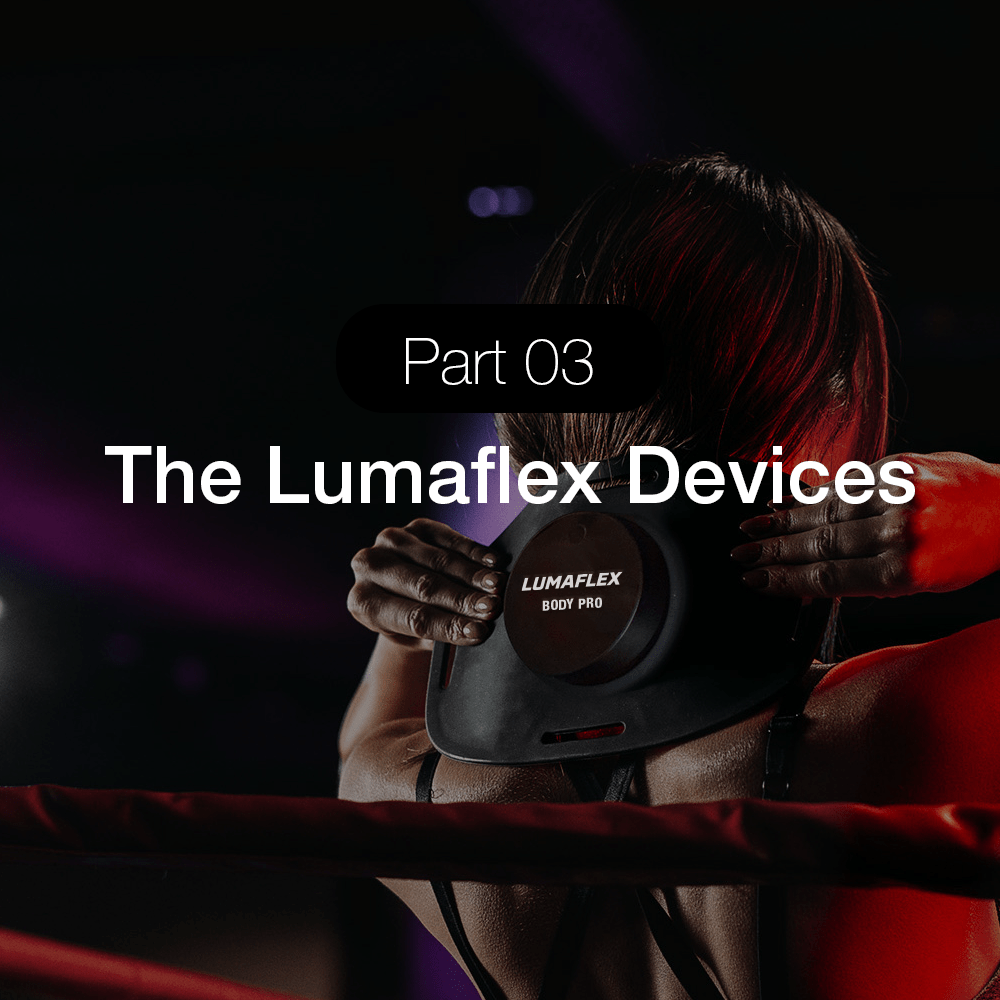
Wrap-style systems that conform to the abdomen make consistent use easier and improve coverage.
If your goal is gradual abdominal contour support without downtime, an at-home device that delivers 660nm and 850nm wavelengths with sufficient power and comfortable fit allows for consistent long-term use.
Who Tends to See the Most Noticeable Results
Someone with a relatively lean midsection and 1 to 2 inches of lower-abdominal fat will notice small refinements faster than someone carrying a much higher overall body fat percentage. When there’s less fat covering the area, subtle shifts in contour are easier to see.
Activity level also plays a role. People already lifting weights, doing cardio, or averaging 8,000 to 10,000 steps per day create the energy demand needed to burn released fatty acids. In that context, small reductions in waist measurement are more likely to show up.
Those focused on body recomposition often report the most satisfying changes. They are not chasing a rapid drop on the scale. They want a tighter lower stomach, slightly improved definition, and perhaps a half-inch reduction at the navel over several weeks.
For individuals with significant obesity, light therapy alone will not create dramatic abdominal fat loss. Broader fat reduction through sustained calorie control and structured training remains the primary driver of visible change.
When Red Light Therapy Alone Is Unlikely to Reduce Belly Fat
Red light therapy can increase cellular activity and improve tissue quality. It cannot override basic physiology.
Fat loss still comes down to energy balance, movement, sleep, and hormonal health.
Meaningful stomach changes are unlikely in cases such as:
- Significant obesity without broader dietary and medical intervention
- Chronic calorie surplus
- Untreated thyroid dysfunction or pronounced insulin resistance
- Minimal physical activity
- Sporadic use followed by long gaps
The Spot Reduction Reality
Spot reduction has never worked the way people hope. Applying light to the stomach doesn’t force the body to pull fat from that exact location.
Fat loss is regulated systemically. Hormones such as insulin, catecholamines, and cortisol influence where stored fat is mobilized. Overall energy demand determines how much is burned.
Treating the abdomen can increase local circulation and cellular activity in that area. It cannot override whole-body fat distribution patterns or guarantee that the stomach will be the primary site of fat loss.
Is Red Light Therapy Better Than CoolSculpting for Belly Fat?
People comparing stomach results usually end up weighing red light therapy against CoolSculpting.
CoolSculpting is cryolipolysis. The applicator pulls tissue into a cooling chamber and drops the temperature enough to damage fat cells. Over the next one to three months, the body clears some of those cells. Treatments are done in a clinic, often cost a few thousand dollars per area, and swelling or numbness for days or weeks isn’t unusual.
Red light therapy doesn’t damage or remove fat cells. It increases cellular activity in the treated area and can make stored fat more available for use. There’s no suction, no freezing, no downtime. The changes are slower and depend on what’s happening outside the session, especially diet and training.
CoolSculpting vs. Red Light Therapy for Belly Fat
| CoolSculpting | Red Light Therapy | |
| Mechanism | Freezes and damages fat cells (cryolipolysis) | Stimulates cellular activity (photobiomodulation) |
| Setting | In-office medical procedure | At home or in a clinic |
| Cost | Often $2,000–$4,000 per treatment area | One-time device purchase, typically lower long-term cost |
| Downtime | Swelling, bruising, temporary numbness common | No downtime |
| Speed of Change | Visible reduction develops over 1–3 months | Gradual contour refinement over several weeks |
| Best Fit | Targeting a defined pocket of fat | Ongoing metabolic and skin support |
CoolSculpting aims to reduce a specific fat deposit by damaging fat cells and letting the body clear them over time. It’s procedural, more aggressive, and priced accordingly.
Red light therapy works through repeated exposure. It doesn’t remove fat cells. It supports cellular energy, circulation, and skin quality, with changes that accumulate gradually. The outcome depends heavily on diet, training, and session consistency.
The choice comes down to approach. A clinic-based intervention designed to reduce a localized fat pocket, or a lower-risk tool used regularly as part of a broader body recomposition plan.
Are Red Light Therapy Belly Fat Results Permanent?
The permanence of red light therapy stomach before and after improvements depends on what caused the visible change.
If improvements reflect:
- Sustained fat metabolism
- Improved body composition
- Consistent caloric balance
- Ongoing movement
Then contour refinement can be maintained.
However, if early changes were primarily due to fluid redistribution or reduced inflammation, the appearance of a flatter stomach may gradually return toward baseline if supportive habits decline.
Long-term results depend on long-term behaviors.
Does Red Light Therapy Melt Belly Fat?
Red light therapy does not melt belly fat or destroy fat cells. It may support fat metabolism by influencing cellular energy production and circulation. Some red light therapy stomach before and after results show mild inch loss and improved contour, but changes are typically modest and most effective alongside proper nutrition and exercise.
How Long Does It Take to See Results?
Most people notice subtle stomach changes within one to two weeks, such as reduced bloating or improved skin tone. Mild circumference reduction often appears between weeks three and six with consistent use four to five times per week. More noticeable contour refinement typically requires eight or more weeks.
Is It Worth Trying for Belly Fat?
Red light therapy is not a magic fat eraser.
It may support mild waist circumference reduction, improve skin firmness, and enhance metabolic responsiveness when used consistently over time. The most realistic red light therapy stomach before and after results reflect gradual contour refinement — not dramatic fat elimination.
For individuals already committed to movement and nutritional consistency, red light therapy can function as a valuable non-invasive body contour support tool.
If your goal is sustainable abdominal improvement without downtime or procedural risk, a well-designed at-home system may be worth exploring. Consistency, appropriate wavelengths, and even energy distribution are what ultimately determine results.