Red Light Therapy for Parkinson's: What 670nm Actually Does to the Brain

Living with Parkinson's disease is tough. The tremors, the shuffle gait, the rigidity, which makes it seem like a task to get out of bed. But it gets even worse when you factor in the symptoms that no one discusses: the confusion, the insomnia, the silent killer – depression.
Over 10 million individuals are currently affected by Parkinson’s. Medical professionals do have treatment options in drugs and surgeries to alleviate the patient’s experience of symptoms; however, no treatment option halts the progression of the disease. This challenge has forced scientists to explore different methods. One such method that has come up consistently in scientific literature is red light therapy for Parkinson's.
This is not a fringe wellness trend. Research from university labs, primate studies, and human clinical trials is building a real case for why red and near-infrared light may help people with Parkinson's feel and function better. This article breaks down what the science says, which wavelengths matter, what pulse frequencies researchers are focusing on, and how the Lumaflex Essential Pro fits into the picture.
- 1. How Red Light Therapy Works at the Cell Level
- 2. The Cellular Breakdown Behind Parkinson's and Why Light Targets It
- 3. Three Studies That Changed How Researchers Think About PBM and Parkinson's
- 4. Motor and Non-Motor Improvements Observed Across PBM Trials
- 5. 670nm vs. 810nm vs. the Full Spectrum: Which Wavelengths Show Up in the Research
- 6. Why 40Hz May Be the Most Important Number in Parkinson's Light Therapy Research
- 7. Application Sites: What the Clinical Protocols Actually Targeted
- 8. Why Multi-Wavelength and Hz Control Matter and What the Essential Pro Offers
- 9. The Protocol Parameters Used in Clinical Studies and How to Apply Them at Home
- 10. Parkinson's and Red Light Therapy: Questions Worth Asking Your Neurologist
- 11. Where the Research Stands and Why It's Worth a Conversation with Your Doctor
- 12. References
How Red Light Therapy Works at the Cell Level
Red light therapy involves exposure to certain red and near-infrared wavelengths, which penetrate the body to reach your cells. Light enters your skin without causing heat or burning sensations. It is then absorbed into the mitochondria of your cells.
Consider mitochondria as miniature power stations. Each cell of the human body has mitochondria that convert fuel sources like oxygen and food molecules into the form of energy that the body can use; this molecule is known as ATP. As long as the power stations work effectively, there will be cellular restoration, protection from harm, and proper functioning.
This is precisely how Parkinson’s disease occurs.
The red light therapy functions through triggering an enzyme known as cytochrome c oxidase found in mitochondria. When this enzyme absorbs the correct wavelength of light, it results in the enhancement of energy generation, minimizes oxidative stress, and promotes anti-inflammatory effects. This process is comparable to charging a depleted battery.
This is the foundation of why researchers started looking at red light therapy for Parkinson's in the first place.
If you want a broader look at how photobiomodulation works across the body, the Lumaflex Red Light Therapy 101 guide is a solid place to start.
The Cellular Breakdown Behind Parkinson's and Why Light Targets It
There is also a special mechanism of cellular degeneration which causes Parkinson’s disease. This is what happens in the brain:
Cells in the brain area known as substantia nigra (this area controls muscle functions) start to degenerate. The cells in this area create dopamine – the chemical that instructs muscles on how to work properly. With the reduction in cells that produce dopamine, controlling your movements becomes more difficult.

What kills these neurons? Two main culprits: mitochondrial dysfunction and neuroinflammation.
Mitochondria within the dopamine-containing neurons begin to malfunction and generate fewer energy molecules and more toxic by-products. The body’s defense mechanism also begins to attack the brain regions that have been affected by inflammation. In addition, a molecule known as alpha-synuclein forms aggregates within the cells and spreads throughout the brain.
Current treatments replace dopamine in the short term. They work, but they do not slow the damage. The neurons keep dying. The disease keeps progressing.
Red light therapy targets the root problem: failing mitochondria and runaway inflammation. Research from Bicknell, Liebert, and Herkes (2024), published in the Journal of Personalized Medicine, summarized it clearly. PBM enhances the mitochondrial electron transport chain, raises ATP production, and has been shown to reduce neuroinflammation. These are the exact processes breaking down in Parkinson's disease.
There is also the gut connection. Researchers have found that the disease likely starts in the gut and travels to the brain along the vagus nerve. Abdominal PBM has been shown to influence gut bacteria and may slow that spread of alpha-synuclein. This connection between gut health and Parkinson's is one of the most exciting areas of ongoing research.
Three Studies That Changed How Researchers Think About PBM and Parkinson's

The Monkey Study: Near-Infrared Light Preserved Dopamine Neurons
The study conducted by Darlot, Moro et al. in 2016 is one of the key research papers in this field. The authors studied the effect of injections of MPTP, which causes damage to dopaminergic neurons in the brain in a similar fashion to that caused by Parkinson’s disease.
One group of monkeys received near-infrared light at 670 nm delivered close to the substantia nigra. The other group received no light treatment.
All the untreated monkeys developed severe impairment, with clinical scores ranging from 21 to 34 on a disability scale.
Most of the animals that had undergone treatment showed minimal signs of disability, with scores ranging from 1 to 6. In addition, it was shown that dopaminergic neurons were preserved, and the NIR therapy did not result in any damage to the brain tissue. The conclusion drawn from their research was that near-infrared light is a good therapeutic intervention in Parkinson's disease.
The 600–1,070nm Window: Why Wavelength Range Matters More Than a Single Number
Johnstone, Coleman, Moro, and colleagues published a comprehensive review in 2014 in Chronophysiology and Therapy titled "The potential of light therapy in Parkinson's disease." This review pulled together the existing evidence from animal models and laid out why the science made sense.
Key points from the review:
- The therapeutic window for neuroprotection runs from 600 to 1,070 nm in wavelength
- Both laser devices and LED panels have been shown to produce positive results, meaning you do not need medical-grade laser equipment
- Remote application, meaning treating the body rather than the head directly, can still trigger neuroprotective effects in the brain through what researchers call the abscopal or systemic effect
- Energy doses below 10 joules per square centimeter were associated with the best outcomes in most studies; more is not always better
This systemic effect is particularly interesting for at-home use. Applying red light to the abdomen, neck, or legs may benefit the brain even without direct head exposure.
Five Years of Human Data: What Long-Term PBM Use Looks Like for Parkinson's Patients
Bicknell, Liebert, and Herkes (2024) in the Journal of Personalized Medicine reviewed the full body of preclinical and clinical evidence up to that point. The paper pointed to several notable human findings:
- Participants in a prospective proof-of-concept study using transcranial and remote PBM showed improvements in motor function, cognition, dynamic balance, and fine motor skills
- A randomized clinical trial reported 24 to 58 percent improvements across five symptom areas in participants receiving infrared light therapy
- A five-year follow-up study found that people who continued home-based PBM three times per week maintained or improved in areas where Parkinson's patients typically decline
- Changes in gut bacteria were observed after abdominal PBM, supporting the gut-brain axis theory
The study makes clear that PBM is not a replacement for medication, but as a complement to standard care, the evidence is promising enough to warrant serious attention.
A 2019 randomized controlled trial also found that red light directed at the substantia nigra helped participants with Parkinson's walk faster compared to sham treatment.
Motor and Non-Motor Improvements Observed Across PBM Trials
The results of studies on animals and people suggest various advantages that can be obtained from such treatments. Different individuals may experience different effects from them; however, in many experiments and cases, there has been an improvement in:
Motor Symptoms
- Reduced tremor severity
- Better walking speed and gait
- Improved balance and steadiness
- Stronger fine motor skills, like handwriting and buttoning a shirt
Non-Motor Symptoms
- Better sleep quality
- Improved mood and reduced depression symptoms
- Sharper cognitive function
- Improved sense of smell
- Gut health improvements
People with Parkinson's know how much the non-motor symptoms affect daily life. Sleep problems, mood changes, and cognitive fog can be just as disabling as tremors. The fact that PBM research covers both categories is one of its strengths.
For more on how red light therapy supports sleep specifically, the Lumaflex sleep guide covers the research in plain language.
And if depression or mood is part of the picture, the red light therapy and depression overview on the Lumaflex blog is worth reading alongside this article.
670nm vs. 810nm vs. the Full Spectrum: Which Wavelengths Show Up in the Research
Not all red light is the same. Wavelength determines how deep the light reaches into tissue and which biological processes it activates. Here is what the research points to:
630 to 660 nm (Red Light) This range penetrates surface tissue and has been widely studied. It stimulates cytochrome c oxidase, reduces surface inflammation, and is one of the most commonly used ranges in PBM research. It is effective for tissue close to the surface.
670 nm (Deep Red) This is the wavelength used in most of the key Parkinson's animal studies, including the Darlot et al. primate study. It was strongly associated with neuroprotection and dopaminergic cell preservation.
810 nm (Near-Infrared) This wavelength goes deeper into tissue than red light. It has been used in most of the human trials reviewed by Bicknell et al. (2024) and has shown strong behavioral and functional improvements. The SYMBYX transcranial helmet trials used 810 nm alongside 635 nm.
830 to 850 nm (Near-Infrared) Deeper penetration. Frequently used in combination with red wavelengths for both surface and deep tissue benefit. A good pairing for full-coverage protocols.
904 nm (Super-Pulsed Near-Infrared) Used in abdominal and neck protocols targeting the gut-brain axis. Reaches deep tissues and has been used in published clinical trials on Parkinson's.
1,070 nm (Deep Near-Infrared) The deepest-penetrating wavelength in the therapeutic window identified by Johnstone et al. Used in research helmets targeting the brain directly.
A key finding from research comparing 670 nm and 810 nm is that the two wavelengths appear to have different strengths. The 670 nm wavelength was more associated with neuroprotection, while 810 nm was more associated with behavioral recovery. Researchers concluded that combining both may produce better results than using either alone.
This is exactly why multi-wavelength devices matter for this application.
Why 40Hz May Be the Most Important Number in Parkinson's Light Therapy Research
Beyond wavelength, the rate at which the light pulses, measured in hertz (Hz), is getting more attention in neurological research. This is where things get interesting for Parkinson's specifically.

40 Hz (Gamma Frequency)
The brain normally generates various electrical oscillations. The gamma oscillation is one type that operates at about 40 hertz. The gamma rhythm is associated with motor coordination, memory, and attention. In individuals suffering from neurodegenerative disorders such as Parkinson’s disease, the gamma rhythm is usually impaired.
Research into gamma sensory stimulation, including light flickering at 40 Hz, has shown reductions in amyloid plaques and alpha-synuclein in animal models, along with improvements in motor and cognitive function. Combined auditory and visual 40 Hz stimulation in Parkinson's mouse models reduced alpha-synuclein deposits and improved spatial working memory.
When a red light device pulses at 40 Hz, it may encourage the brain to synchronize with that gamma rhythm. This is one of the most actively studied areas in neurodegenerative disease research right now.
10 Hz (Alpha Frequency)
The brain's alpha rhythm is associated with a calm, relaxed mental state. Light pulsed at 10 Hz is used to promote relaxation and is explored for sleep support, anxiety reduction, and mood management. For people with Parkinson's dealing with anxiety, sleep disruption, or depression, alpha-range pulsing may be a useful complement to gamma-focused sessions.
Continuous Wave
It is worth noting that many of the established animal and early human PBM studies used continuous, non-pulsed light and still found significant benefits. Pulsing adds a layer of potential benefit, but continuous delivery is also supported by the evidence.
The ability to choose and control pulse frequency is a meaningful differentiator when selecting a device for neurological wellness.
Application Sites: What the Clinical Protocols Actually Targeted
Research has looked at several application areas, each with a different rationale:
Head and Neck (Transcranial and Cervical) Targeting the top and back of the head delivers light toward the brain. The cervical spine area, specifically the C2 and C3 level at the back of the neck, has been used in multiple trials because of its connection to brainstem structures involved in Parkinson's. Some trial protocols combine both.
Abdomen Abdominal PBM has neuroprotective support in animal models and is linked to gut microbiome changes in human studies. Given the gut-brain axis theory of Parkinson's, this is a site researchers continue to investigate. Gordon et al. (2023) found that remote PBM targeting the abdomen or legs provided effective neuroprotection against MPTP-induced damage in animal models.
Legs and Extremities Remote or abscopal application, meaning treating body areas away from the brain, has been shown to still produce neuroprotective effects in the brain. This is one of the more surprising findings in the PBM field and opens up practical options for at-home use.
Why Multi-Wavelength and Hz Control Matter and What the Essential Pro Offers
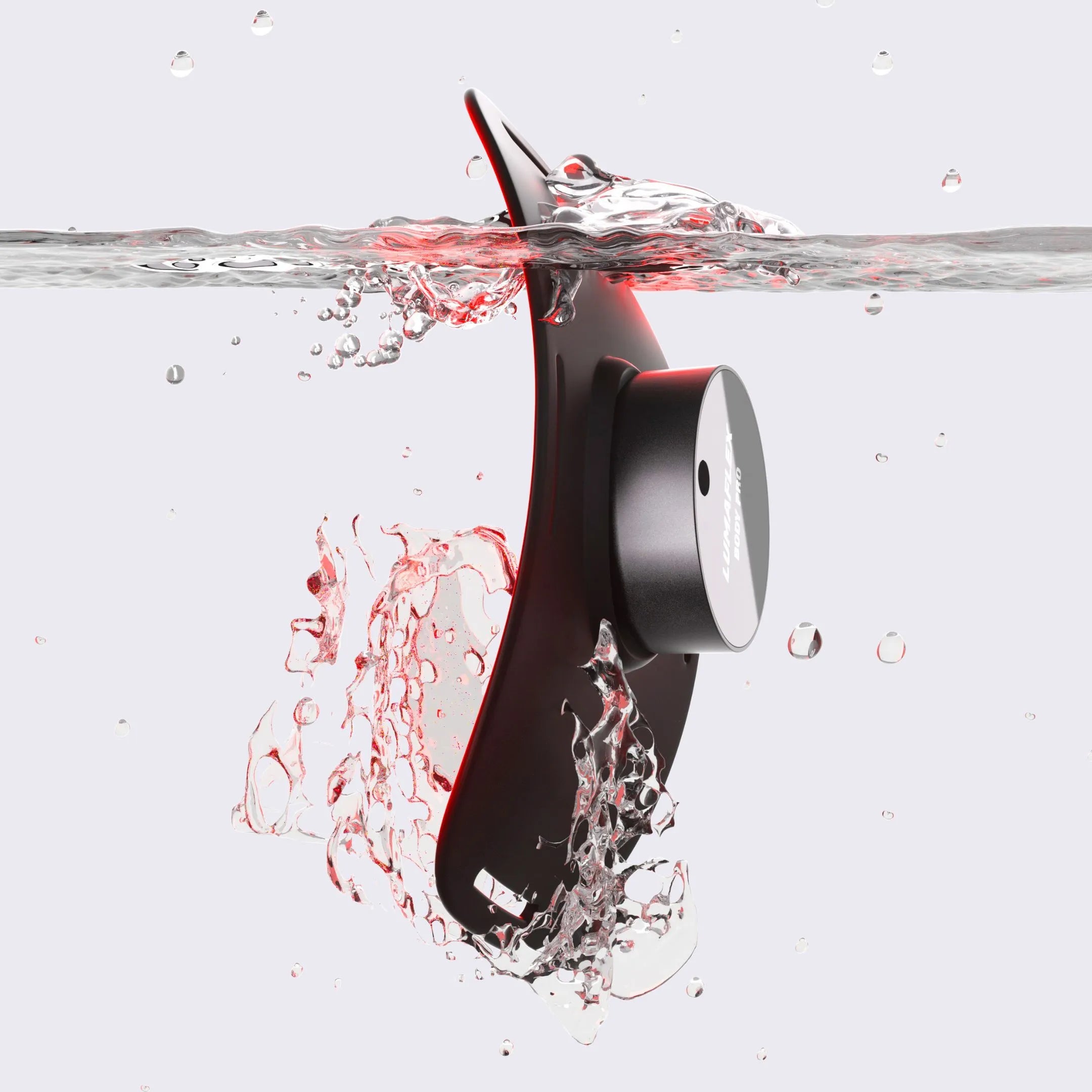
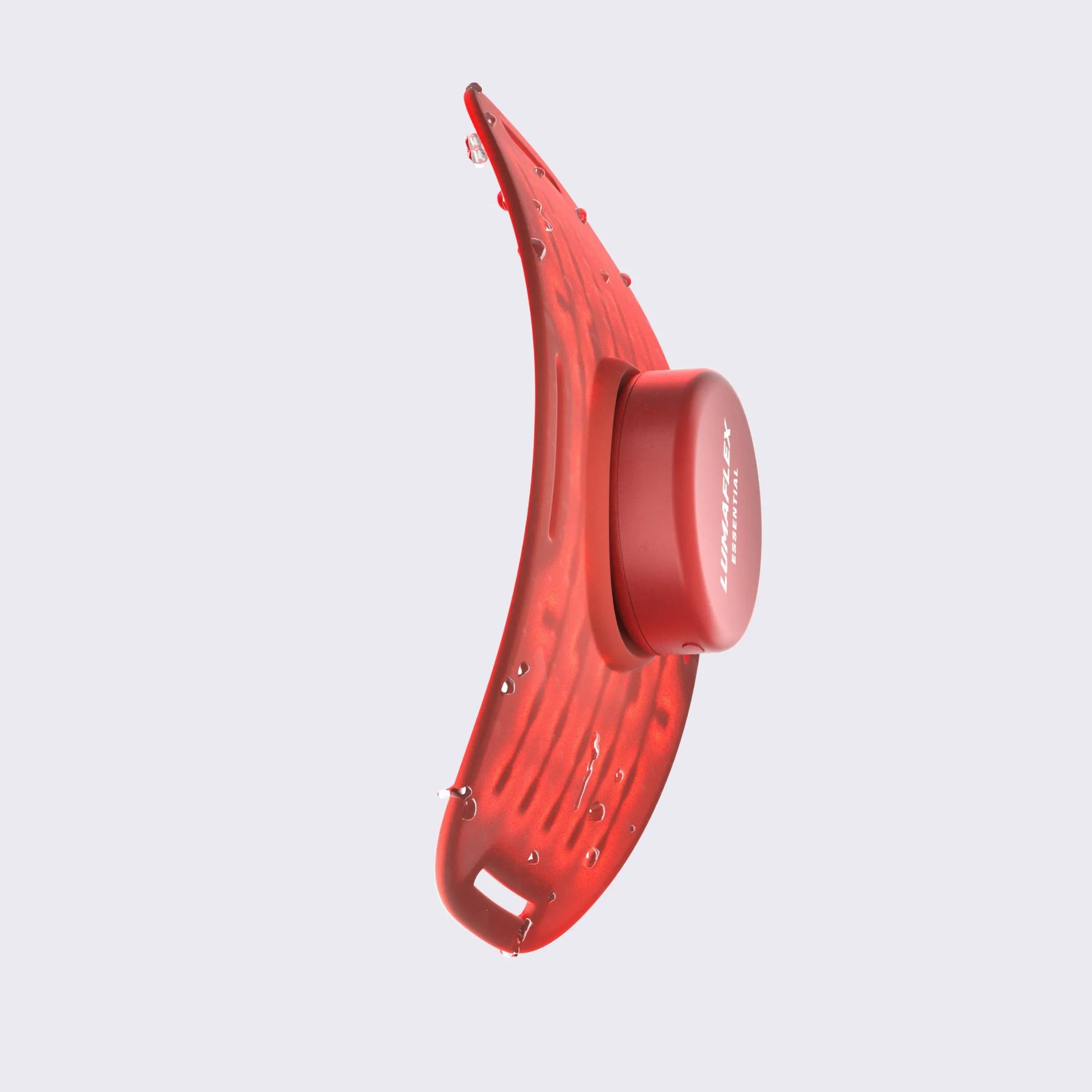
The Lumaflex Essential Pro is built around the core science that makes PBM relevant for Parkinson's research.
Six Wavelength Options
The device covers the key wavelengths studied in Parkinson's research: from 630 nm red light up through near-infrared ranges that penetrate deeper into tissue. Rather than locking you into one wavelength, the Essential Pro lets you access the complementary mechanisms that research suggests work best in combination.
App-Controlled Pulse Frequency
Using the Lumaflex app, you can adjust the pulse frequency of your sessions. This means you can dial in 40 Hz for gamma-range support, shift to 10 Hz for relaxation and sleep sessions, or use continuous wave depending on your protocol. This level of control is rare in at-home devices and directly aligns with the parameters researchers are actively studying.
Flexible, Wearable Design
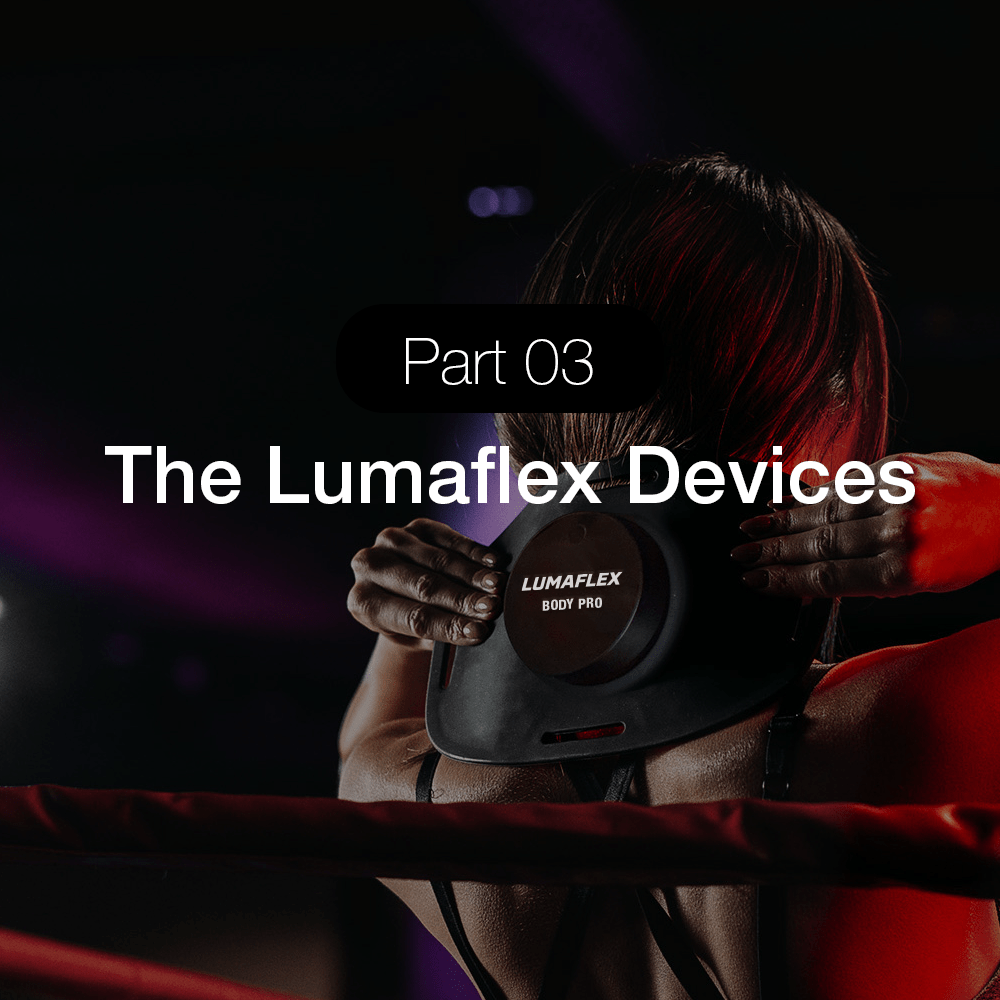
The Essential Pro can be wrapped around different body areas, making it practical to target the neck, abdomen, or legs depending on your session goals. Clinical study protocols for Parkinson's often target multiple body sites, and having a flexible device supports that kind of approach.
Designed for Consistency
Studies showing the strongest long-term results used PBM three times per week over months and years. A home device makes that consistency realistic. You do not need clinic appointments or special equipment. You use it in your own space, on your own schedule.
If you have dealt with nerve-related symptoms alongside Parkinson's, the Lumaflex nerve repair article explores how red light supports nerve health in ways that may be relevant.
And for an understanding of the broader science behind photobiomodulation as Lumaflex applies it, the impact of photobiomodulation write-up on the clinical trials page gives a useful overview.
The Protocol Parameters Used in Clinical Studies and How to Apply Them at Home
Before starting any new therapy, talk to your neurologist. This is not just a disclaimer. Your doctor needs to know what you are doing so they can monitor your progress and adjust your care plan if needed.
That said, here is how research-based PBM protocols for Parkinson's have generally been structured in clinical studies:
- Frequency: Three sessions per week
- Session length: 20 to 30 minutes per session
- Application sites: Neck/cervical area, abdomen, and lower extremities, rotating or combining depending on the session
- Pulse settings: 40 Hz for neurological support; 10 Hz for relaxation or evening sessions
- Wavelengths: Near-infrared (810 to 850 nm) for depth, combined with red (630 to 670 nm) for surface and cytochrome activation
These are the parameters used in research contexts. Individual results vary, and what works for one person may need to be adjusted for another.
Is red light therapy a cure for Parkinson's disease?
No. Red light therapy is not a cure and should not replace your prescribed medications or standard treatments. Research supports its use as a complementary approach that may help manage symptoms and support cellular health alongside conventional care.
What is the best wavelength for Parkinson's disease?
According to research, 670 nm and 810 nm are the most researched wavelengths. 670 nm wavelength demonstrated more pronounced neuroprotective effects in animals, whereas 810 nm demonstrated more pronounced behavioral improvement. The complete wavelength spectrum used for therapy lies within 600 nm to 1070 nm, and using both wavelengths is likely to lead to superior results.
What Hz setting should I use for Parkinson's?
40 Hz (gamma frequency) is the most studied setting for neurological applications, including Parkinson's. 10 Hz (alpha frequency) is used for relaxation, sleep support, and mood. Some protocols use continuous wave. Speak with your doctor about what makes sense for your situation.
How often should I use red light therapy?
The studies that found the strongest and most sustained results used three sessions per week. Some continued for months to years. Session frequency and duration should be discussed with your healthcare provider.
Can red light therapy slow Parkinson's progression?
Animal studies have shown that PBM can preserve dopamine-producing neurons that would otherwise die. Some participants in long-term human studies maintained function in areas where decline was expected. But we do not yet have large-scale human trials proving that PBM slows disease progression. The research is promising and ongoing. It is a reasonable reason for hope, not a guarantee.
Is red light therapy safe?
Red light therapy using LEDs appears to be safe according to scientific literature. There are no serious side effects associated with PBM when applied at these energy levels. Red light therapy is a non-thermal and non-invasive procedure, but before applying red light therapy, one should consult their physician, especially if they take photosensitive drugs.
Where the Research Stands and Why It's Worth a Conversation with Your Doctor
Red light therapy is not some magic treatment, and anyone promising that it can be used as a cure for Parkinson’s disease is not telling you the truth. However, there is actual scientific evidence for the theory of photobiomodulation, and this body of knowledge keeps growing. All research conducted on primates and the results of randomized controlled trials show that the application of light of certain wavelengths and frequencies might benefit patients with Parkinson’s disease.
These include wavelength, frequency of pulses, consistency, and location of application. All of these features have been considered in making the Lumaflex Essential Pro, which includes wavelength ranging from six choices to cover all therapy wavelengths, frequency of Hz which also include 40 Hz gamma and 10 Hz alpha, flexibility, and a home usage option at least thrice a week.
If you or someone you love is navigating Parkinson's, this is a tool worth learning about. Start by sharing this article with your neurologist.
Disclaimer: This article is for informational purposes only. It is not a substitute for professional medical advice, diagnosis, or treatment. Always speak with your neurologist or doctor before adding any new therapy to your care plan.
References
- Darlot, F., Moro, C., El Massri, N., Chabrol, C., Johnstone, D.M., Reinhart, F., Agay, D., Torres, N., Bekha, D., Auboiroux, V., Costecalde, T., Peoples, C.L., Anastascio, H.D.T., Shaw, V.E., Stone, J., Mitrofanis, J., & Benabid, A.L. (2016). Near-infrared light is neuroprotective in a monkey model of Parkinson disease. Annals of Neurology, 79(1), 59–75. https://doi.org/10.1002/ana.24542
- Johnstone, D.M., Coleman, K.A., Moro, C., Torres, N., Eells, J.T., Baker, G.E., Ashkan, K., Stone, J., Benabid, A.L., & Mitrofanis, J. (2014). The potential of light therapy in Parkinson's disease. Chronophysiology and Therapy, 4, 1–14. https://www.researchgate.net/publication/260267066
- Bicknell, B., Liebert, A., & Herkes, G. (2024). Parkinson's disease and photobiomodulation: Potential for treatment. Journal of Personalized Medicine, 14(1), 112. https://doi.org/10.3390/jpm14010112
- Liebert, A., Bicknell, B., Laakso, E.L., Heller, G., Jalilitabaei, P., Tilley, S., Kiat, H., & Mitrofanis, J. (2021). Improvements in clinical signs of Parkinson's disease using photobiomodulation: A prospective proof-of-concept study. BMC Neurology. https://doi.org/10.1186/s12883-021-02248-y
- Liebert, A., Bicknell, B., Laakso, E.L., et al. (2024). Improvements in clinical signs and symptoms of Parkinson's disease using photobiomodulation: A five-year follow-up. BMC Neurology. https://doi.org/10.1186/s12883-024-03857-z
- Saltmarche, A.E., et al. (2025). Effectiveness of photobiomodulation to treat motor and non-motor symptoms of Parkinson's disease: A randomised clinical trial with extended treatment. Journal of Clinical Medicine, 14(21), 7463. https://doi.org/10.3390/jcm14217463
- Gordon, L.C., Martin, K.L., Torres, N., Benabid, A.L., Mitrofanis, J., Stone, J., Moro, C., & Johnstone, D.M. (2023). Remote photobiomodulation targeted at the abdomen or legs provides effective neuroprotection against parkinsonian MPTP insult. European Journal of Neuroscience, 57, 1611–1624.
- Reinhart, F., El Massri, N., Torres, N., Chabrol, C., Molet, J., Johnstone, D.M., Stone, J., Benabid, A.L., Mitrofanis, J., & Moro, C. (2016). The behavioural and neuroprotective outcomes when 670 nm and 810 nm near infrared light are applied together in MPTP-treated mice. Neuroscience Research.