Photobiomodulation for Postherpetic Neuralgia: A Six-Month Home Recovery Case Following Hospital Treatment

Postherpetic neuralgia (PHN) can persist long after a shingles rash has healed. Even after antiviral therapy and hospital-based pain management, some patients continue to experience burning pain, sharp or needle-like sensations, touch sensitivity, and sleep disruption that interfere with daily life.
Photobiomodulation (PBM) has emerged as a potential supportive approach for neuropathic pain, with research exploring its effects on nerve function, inflammation, and tissue repair. Most published studies, however, describe treatment delivered in clinical settings over several weeks. Less is known about how PBM is used at home over longer recovery periods after hospital discharge.
This case follows a 57-year-old man diagnosed with postherpetic neuralgia after inpatient pain management.
Following discharge, he continued to experience:
Burning pain
Needle-like sensations
Sensitivity to touch
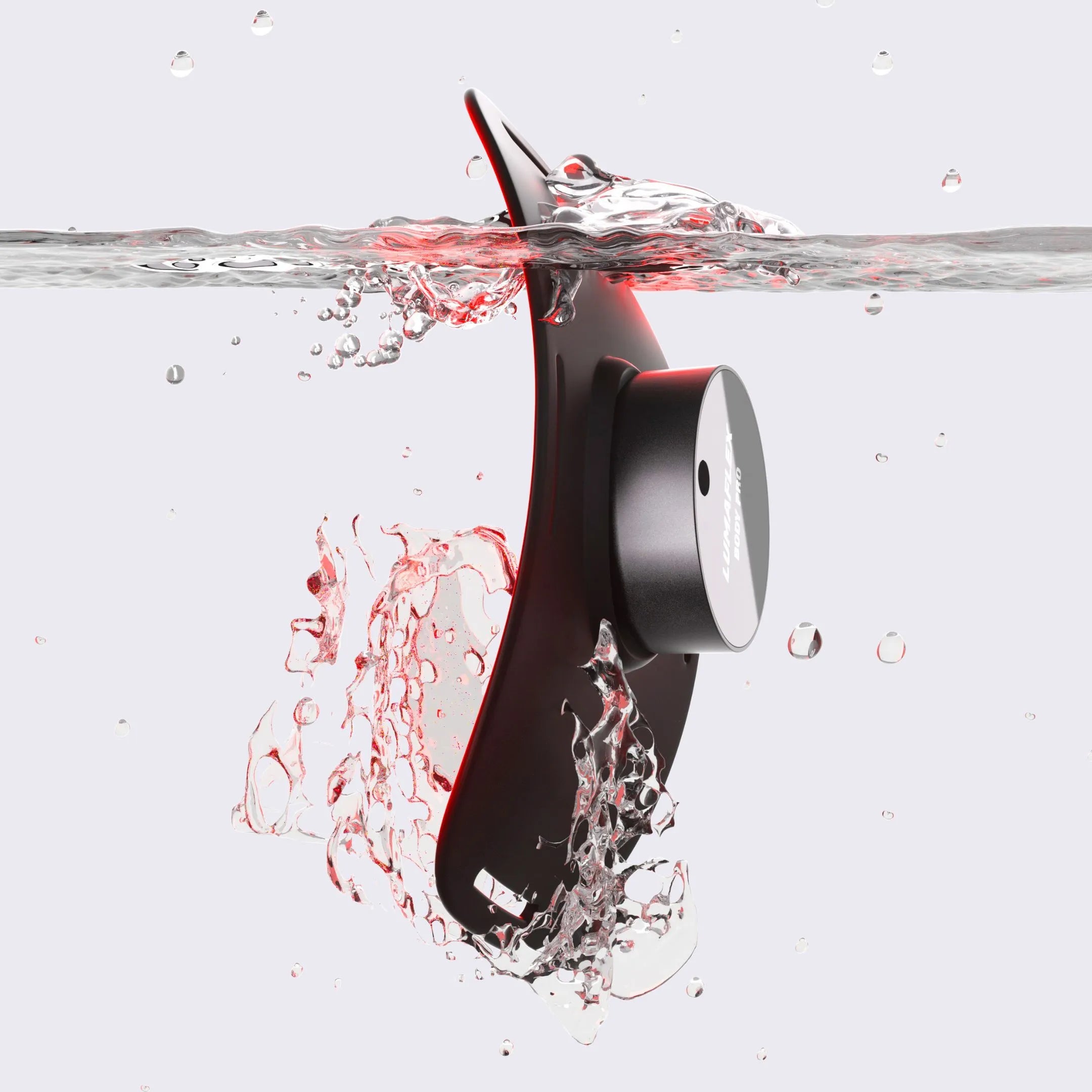
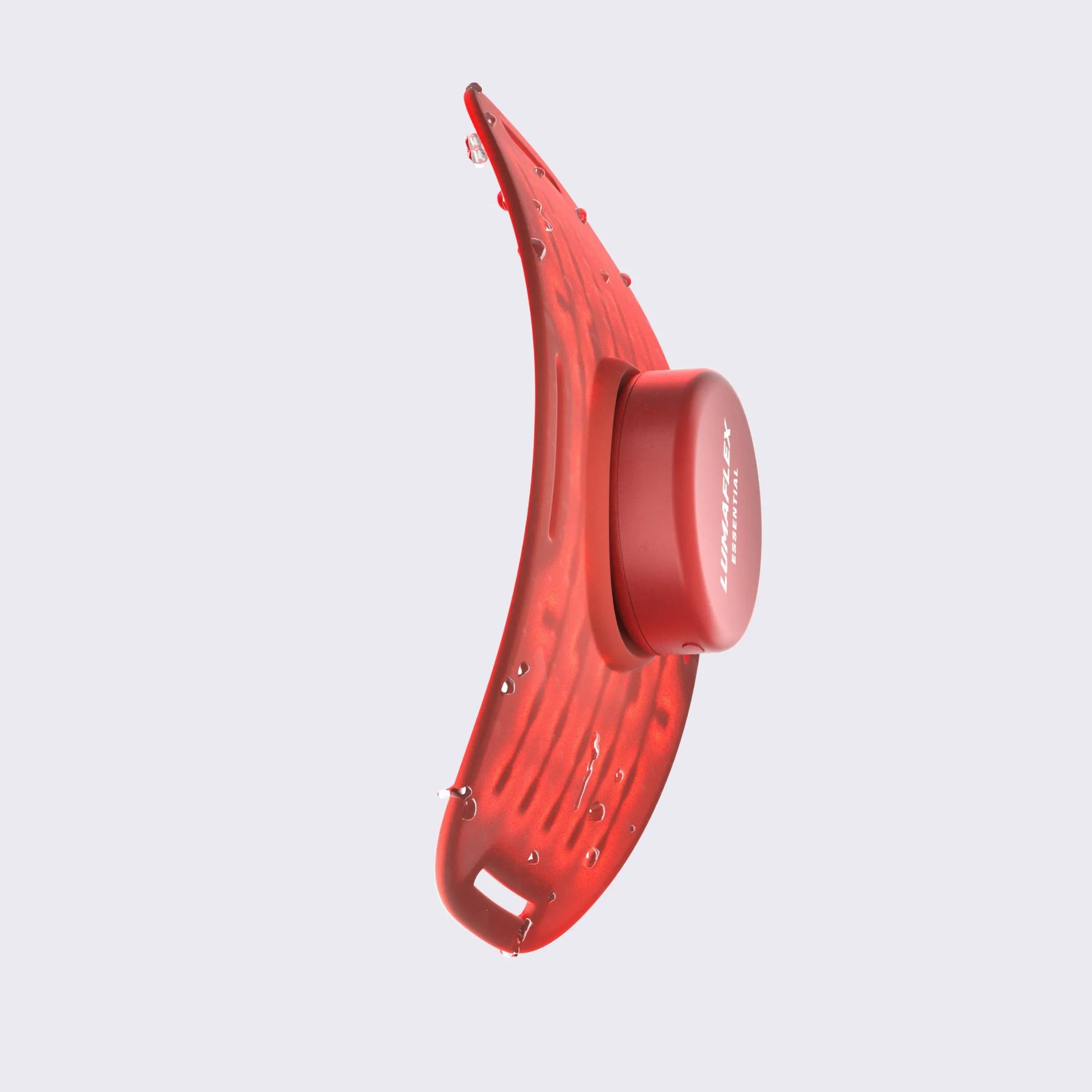
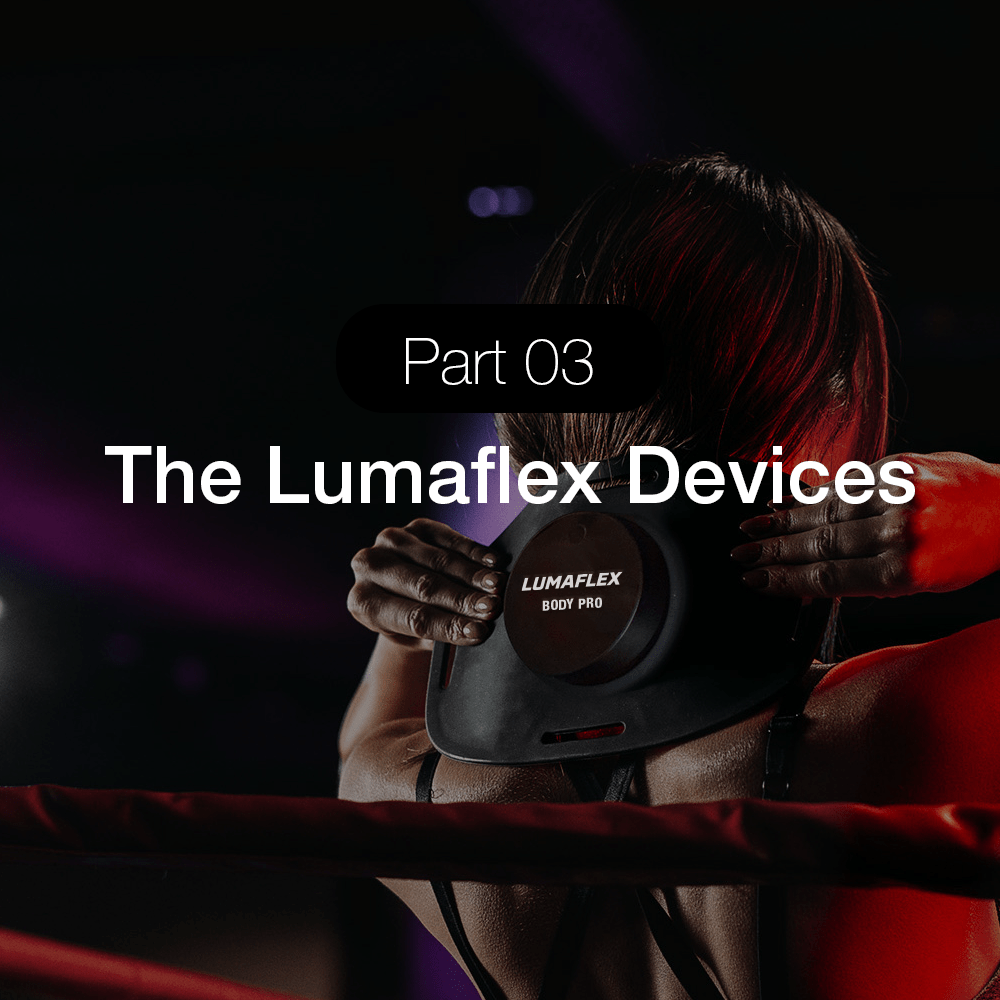
His family introduced a home photobiomodulation routine using the Lumaflex BodyPro, which was used alongside prescribed topical medication for approximately six months.
This report documents:
The home treatment protocol
The patient's recovery timeline
Reported changes in pain, sleep, and daily comfort
How these observations compare with published research on photobiomodulation for postherpetic neuralgia
As an individual case report, these observations cannot establish treatment effectiveness or predict outcomes for other patients. They do, however, provide a detailed account of long-term home implementation that adds practical context to the existing evidence.
Case Overview
The patient was a 57-year-old man admitted to the hospital's pain management department with postherpetic neuralgia (PHN) and a history of hypertension.
Following inpatient treatment, the herpes zoster rash had resolved, but neuropathic symptoms remained. At discharge, he continued to experience:
Persistent burning pain
Needle-like sensations
Sensitivity to light touch (allodynia)
These symptoms affected his comfort throughout the day and became more noticeable at night, making restful sleep difficult despite ongoing treatment.
Seeking additional ways to support recovery at home, the patient's daughter researched photobiomodulation (PBM) and introduced the Lumaflex BodyPro as a complementary therapy. Home treatment began after discharge and was used alongside the patient's prescribed topical medication rather than as a replacement for standard medical care.

The recovery plan documented in this case included:
Home Recovery Protocol |
Details |
Device |
Lumaflex BodyPro |
Wavelengths |
|
Mode |
Pulsed |
Frequency |
|
Session Length |
10–20 minutes |
Duration |
Approximately 6 months |
Concurrent Care |
Continued prescribed topical medication |
This home routine remained generally consistent throughout the observation period, allowing the patient's progress to be documented over approximately six months of recovery.
The patient continued prescribed medical treatment throughout the recovery period. Home photobiomodulation was introduced as a complementary therapy after hospital discharge and was not used as a substitute for medical care.
Recovery Timeline and Clinical Interpretation
Recovery continued after hospital discharge while the patient maintained prescribed topical medication and followed a consistent home photobiomodulation (PBM) routine. Rather than describing a sudden improvement, the case documented gradual changes that became more noticeable over the six-month observation period.

Around the First Month
The earliest reported improvements involved pain intensity. Burning sensations became less severe, episodes of nighttime discomfort occurred less frequently, and sleep gradually became more restful.
Although the exact biological response cannot be determined from a single case, this gradual pattern is consistent with how photobiomodulation is believed to work. Instead of producing an immediate effect, PBM may support cellular energy production, regulate inflammatory signaling, and improve the environment for nerve recovery over repeated treatment sessions.
Months Two to Four
As home treatment continued, improvements extended beyond pain control. The patient reported greater comfort during routine activities, while sensitivity to touch became less disruptive than it had been during the early stages of recovery.
These changes are consistent with published research suggesting that photobiomodulation may help modulate peripheral nerve function and reduce neuroinflammation. Because neuropathic pain often affects mobility, sleep, and overall quality of life, gradual symptom relief may also contribute to improved daily function, although this case cannot establish a direct causal relationship.
By Approximately Six Months
By the end of the observation period, the patient reported:
Improved sleep quality
Greater daily comfort
Increased participation in routine activities
No adverse effects associated with home photobiomodulation were reported during the six-month follow-up.
Clinical Interpretation
The recovery pattern observed in this case aligns with the current understanding that photobiomodulation supports biological processes that develop over time rather than producing immediate symptom resolution. Experimental and clinical studies have associated red and near-infrared light with enhanced mitochondrial activity, improved microcirculation, regulation of inflammatory mediators, and support for peripheral nerve repair. Together, these mechanisms may create conditions that favor gradual recovery in neuropathic pain disorders.
At the same time, this patient's recovery occurred alongside continued prescribed topical medication and the natural healing process following herpes zoster. As an individual case report, these observations should be interpreted as a documented clinical experience rather than evidence of treatment effectiveness. They do, however, provide a detailed account of how recovery progressed during long-term home use of photobiomodulation, an area that remains relatively underreported in the current literature.
How Photobiomodulation May Support Recovery in Postherpetic Neuralgia
Photobiomodulation has been studied for a range of neuropathic pain conditions because of its ability to influence biological processes involved in tissue repair and nerve function. When red and near-infrared light reach target tissues, they are absorbed by intracellular chromophores, particularly cytochrome c oxidase within the mitochondria. This interaction is associated with increased cellular energy production and activation of signaling pathways involved in repair and regeneration.
For patients with postherpetic neuralgia, the goal is not simply pain relief. The condition develops after the varicella-zoster virus damages sensory nerves, leaving some patients with persistent pain even after the skin has healed. Research suggests that photobiomodulation may help create a more favorable environment for nerve recovery by supporting several interconnected biological processes.
These proposed mechanisms include:
Improved mitochondrial function, increasing ATP production to support cellular repair.
Regulation of inflammatory signaling, which may help reduce the persistent neuroinflammatory response associated with chronic neuropathic pain.
Enhanced microcirculation, improving oxygen and nutrient delivery to recovering tissues.
Support for peripheral nerve repair, including biological processes associated with axonal regeneration and functional recovery observed in experimental studies.
Rather than acting through a single pathway, photobiomodulation appears to influence multiple cellular responses simultaneously. This may help explain why reported improvements in neuropathic pain often develop gradually over repeated treatment sessions instead of immediately after a single exposure.
The recovery pattern observed in this case is consistent with these proposed mechanisms, although the case itself cannot determine which biological processes contributed most to the patient's reported improvements. Continued topical medication, natural healing following herpes zoster, and individual patient factors also remain important considerations when interpreting the outcome.

How This Case Compares With Published Research
Clinical studies investigating photobiomodulation for postherpetic neuralgia and other neuropathic pain conditions have reported encouraging findings, including reductions in pain intensity and improvements in quality of life. However, most published research has been conducted under structured clinical protocols with relatively short treatment periods and limited follow-up after therapy ends.
The present case shares several characteristics with the published literature while also contributing observations that are less frequently documented.
Published Research |
This Case |
Treatment delivered primarily in clinical settings |
Treatment performed independently at home after hospital discharge |
Follow-up commonly ranges from several weeks to a few months |
Approximately six months of documented home recovery |
Focuses primarily on pain outcomes |
Reports changes in pain, sleep, daily comfort, and routine activities |
Standardized study protocols |
Real-world implementation alongside prescribed topical medication |
Controlled clinical environment |
Recovery observed in everyday home settings |
One of the most notable aspects of this case is the duration of follow-up. Many clinical studies evaluate patient outcomes shortly after treatment is completed, providing limited insight into how recovery progresses over longer periods. In contrast, this case documents approximately six months of home photobiomodulation after hospital discharge, offering a longitudinal view of symptom progression in a real-world setting.
The case also reflects how supportive therapies are often used in routine practice. Photobiomodulation was incorporated into the patient's existing care plan rather than replacing prescribed treatment. This mirrors the multidisciplinary approach commonly recommended for managing chronic neuropathic pain, where complementary interventions may be used alongside conventional medical care.
Although a single case cannot establish effectiveness, it can contribute observations that are difficult to capture in controlled trials. Long-term adherence, family-supported home implementation, and the gradual evolution of symptoms are all aspects of recovery that receive relatively little attention in the published literature but are highly relevant to patients and clinicians managing persistent postherpetic neuralgia.
Clinical Considerations
This case illustrates how photobiomodulation was incorporated into long-term home recovery following hospital treatment for postherpetic neuralgia. The documented protocol remained consistent over approximately six months while prescribed topical medication continued, reflecting how supportive therapies are often integrated into routine patient care.
Several observations from this case warrant attention. The extended follow-up provides insight into symptom progression beyond the treatment periods commonly reported in clinical studies. It also documents home implementation, family involvement, and sustained adherence, all of which may influence recovery but are not always described in controlled research.
These findings should be interpreted within the limitations of an individual case report. Because recovery occurred alongside conventional treatment and the natural healing process, the observations cannot establish a causal relationship between photobiomodulation and the reported improvements. Larger controlled studies remain necessary to determine which patients are most likely to benefit, the optimal treatment parameters, and the role of home PBM in long-term PHN management.

Evidence in Context: Photobiomodulation for Postherpetic Neuralgia
Persistent neuropathic pain after shingles often extends beyond the period covered by hospital treatment, making long-term recovery an important part of patient care. This case documents one patient's experience using the Lumaflex BodyPro alongside prescribed medical therapy over approximately six months, providing a detailed record of home implementation, symptom progression, and recovery in a real-world setting.
Viewed alongside the published literature, the case adds practical information that is not always captured in controlled studies. The documented recovery timeline, long-term adherence, and integration of home photobiomodulation into conventional care offer clinical context that complements existing research without extending beyond what a single case can support.
As part of Lumaflex's ongoing effort to document real-world clinical experiences, carefully reported cases such as this can complement controlled research by capturing aspects of long-term home recovery that are often underrepresented in the published literature.
Frequently Asked Questions
Can photobiomodulation help postherpetic neuralgia?
Photobiomodulation (PBM) is being studied as a supportive therapy for postherpetic neuralgia (PHN) because of its potential effects on nerve function, inflammation, and cellular repair. While some clinical studies have reported improvements in pain and quality of life, the overall evidence is still developing. This case documents one patient's experience using home PBM alongside prescribed medical treatment and should not be interpreted as proof that PBM is effective for all patients.
How long does photobiomodulation take to show results for postherpetic neuralgia?
The timeline varies depending on the individual, treatment protocol, and severity of nerve damage. In this case, the earliest reported improvements appeared around the first month of home photobiomodulation, with additional changes developing over approximately six months. Clinical studies have reported different treatment durations, so no single timeline applies to every patient.
Can photobiomodulation be used alongside conventional treatment for PHN?
In published research and clinical practice, photobiomodulation is often evaluated as a complementary therapy rather than a replacement for standard medical care. In this case, the patient continued prescribed topical medication throughout the six-month recovery period while using home PBM. Anyone considering additional therapies should consult their healthcare provider to determine what is appropriate for their condition.
Why can postherpetic neuralgia continue after the shingles rash has healed?
The shingles rash may disappear within weeks, but the virus can leave lasting damage to sensory nerves. These injured nerves may continue sending pain signals even after the skin has recovered, resulting in persistent burning pain, stabbing sensations, or sensitivity to touch. This ongoing nerve dysfunction is why some people continue experiencing symptoms months or even years after the initial infection.
What wavelengths are commonly used in photobiomodulation for neuropathic pain?
Many photobiomodulation studies investigating neuropathic pain use red light in the 630–660 nm range and near-infrared light between approximately 800 and 850 nm. These wavelengths are commonly selected because they penetrate tissues differently and have been studied for their potential roles in cellular energy production and tissue repair. The protocol documented in this case used 630 nm red light and 850 nm near-infrared light.
Is there evidence supporting home photobiomodulation for postherpetic neuralgia?
Most published research has evaluated photobiomodulation in supervised clinical settings. Reports describing long-term home use remain relatively limited. This case contributes a detailed example of home implementation over approximately six months, but larger clinical studies are still needed to better understand the effectiveness, optimal treatment protocols, and long-term outcomes of home PBM for PHN.
Can photobiomodulation repair damaged nerves?
Current research suggests that photobiomodulation may support biological processes involved in nerve repair, including mitochondrial activity, regulation of inflammation, and cellular signaling. However, this does not mean PBM directly repairs damaged nerves in every patient. Outcomes vary, and more clinical research is needed to determine how these biological effects translate into long-term recovery for different neuropathic conditions.
Is photobiomodulation safe for people with postherpetic neuralgia?
Photobiomodulation is generally considered non-invasive and has been well tolerated in many published studies when appropriate treatment protocols are followed. In this case, no adverse effects associated with home photobiomodulation were reported during the six-month observation period. Individual suitability depends on a person's medical history, underlying conditions, and treatment plan, so guidance from a qualified healthcare professional is recommended.
References
Karu TI. Mitochondrial mechanisms of photobiomodulation in context of new data about multiple roles of cytochrome c oxidase. Photomedicine and Laser Surgery. 2010;28(Suppl 1):S79-S87.
Hamblin MR. Mechanisms and applications of the anti-inflammatory effects of photobiomodulation. AIMS Biophysics. 2017;4(3):337-361.
Hamblin MR. Shining light on the head: Photobiomodulation for brain disorders. BBA Clinical. 2016;6:113-124.
Chung H, Dai T, Sharma SK, Huang YY, Carroll JD, Hamblin MR. The nuts and bolts of low-level laser (light) therapy. Annals of Biomedical Engineering. 2012;40(2):516-533.
Chow RT, Johnson MI, Lopes-Martins RAB, Bjordal JM. Efficacy of low-level laser therapy in the management of neck pain: a systematic review and meta-analysis of randomized placebo or active-treatment controlled trials. The Lancet. 2009;374(9705):1897-1908.
Anders JJ, Lanzafame RJ, Arany PR. Low-level light/laser therapy versus photobiomodulation therapy. Photomedicine and Laser Surgery. 2015;33(4):183-184.