Home Photobiomodulation for Chronic Sleep Disorders

How Home Photobiomodulation Fit Into One Woman's Long-Term Sleep Recovery Routine: A Real Case Report
This case report documents the experience of a 32-year-old woman with long-standing sleep difficulties and chronic mental stress who incorporated home photobiomodulation (PBM) into her nightly recovery routine. Over several months of consistent home use, she reported finding it easier to relax before bed, falling asleep more easily, and waking feeling more recovered.
The purpose of this article is to document one individual's home PBM protocol and place her experience alongside the current scientific understanding of photobiomodulation. It is not intended to demonstrate that PBM is an effective treatment for insomnia or other sleep disorders.
Because this is a single patient case, its findings cannot be generalized to other people. Any discussion of research throughout this article is provided as scientific context for why PBM is being studied in relation to sleep and nervous system recovery, not as proof that it caused the outcomes reported here.
| Case Overview | |
| Participant | 32-year-old woman |
| Main concerns | Difficulty relaxing before sleep, prolonged sleep onset, daytime fatigue |
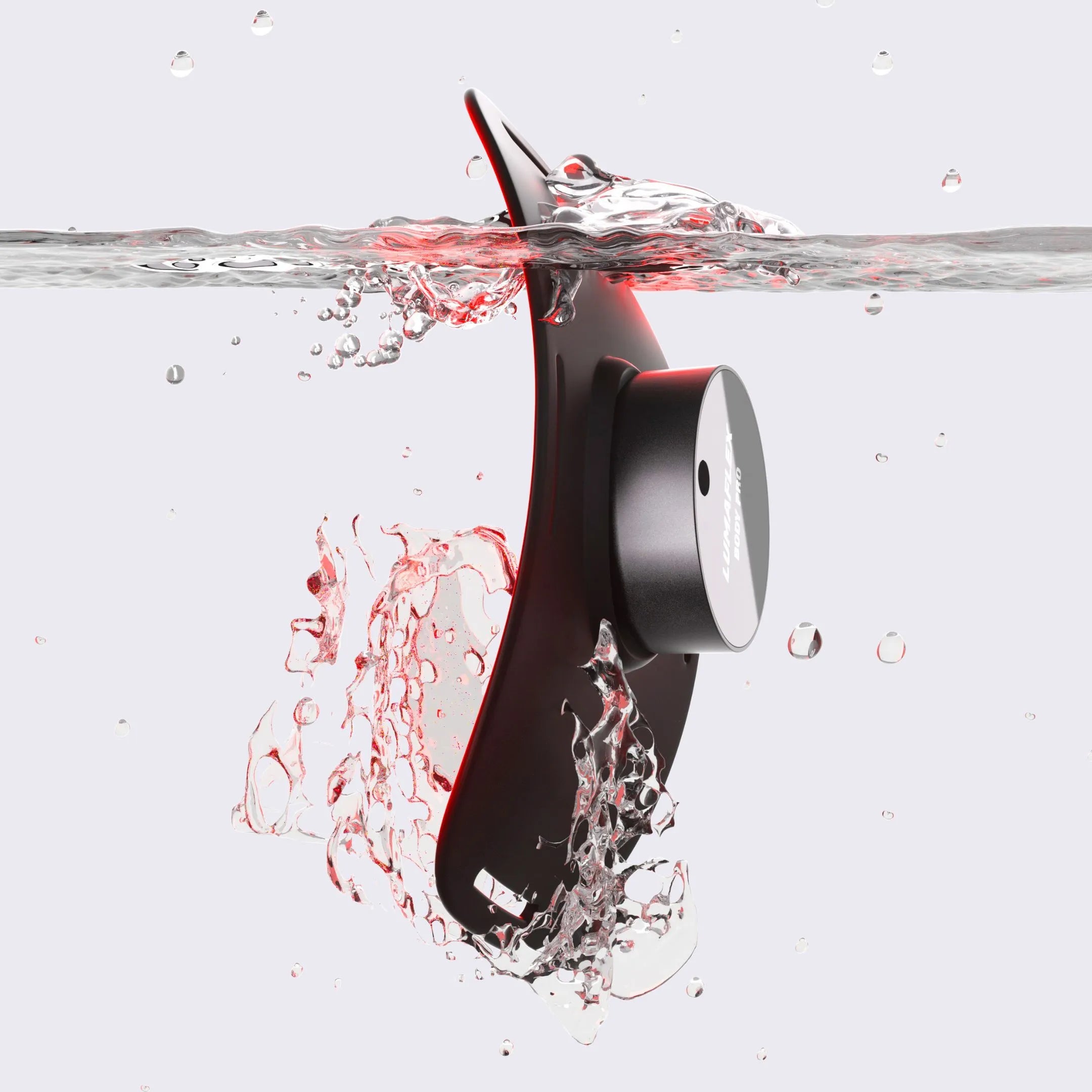
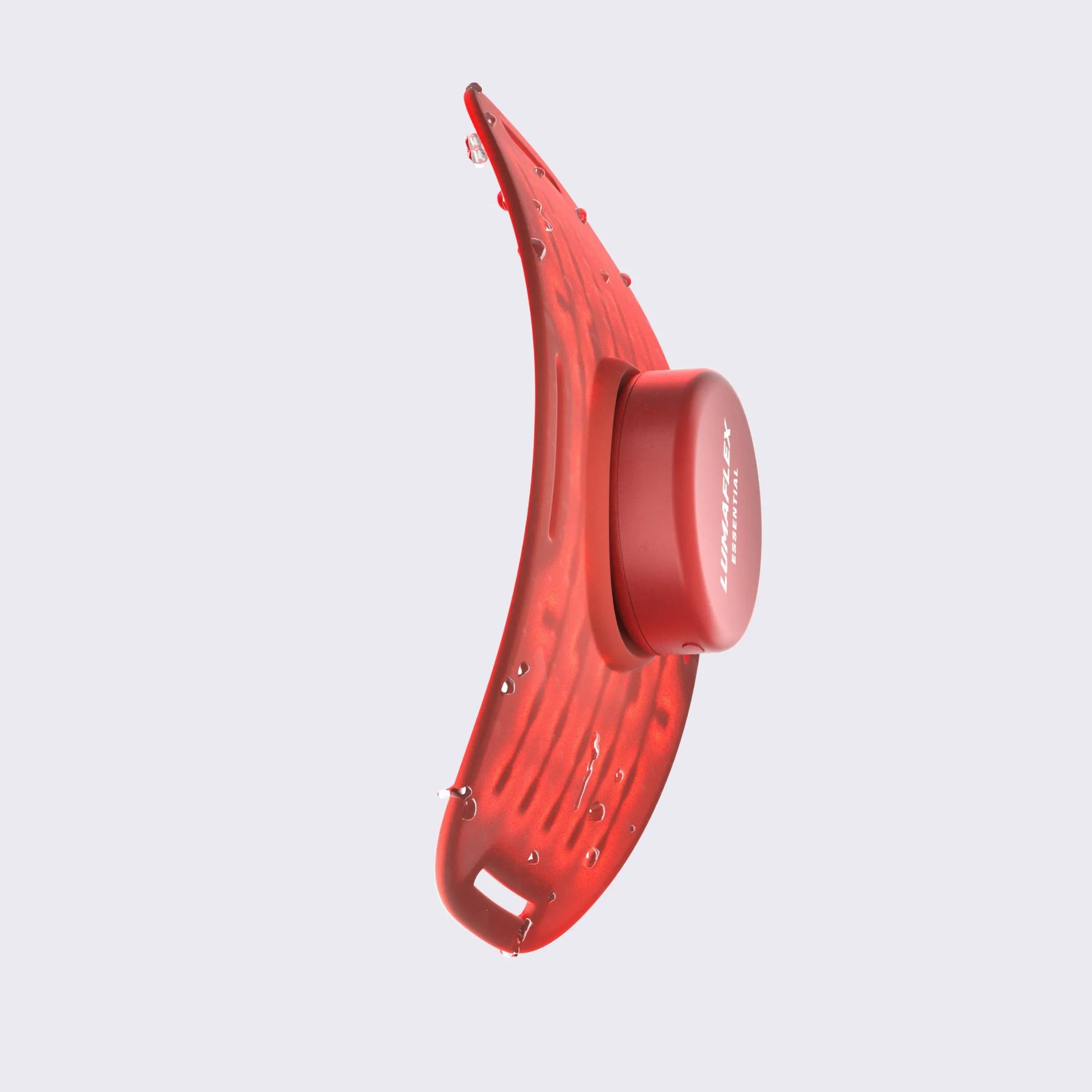
| PBM used | Lumaflex Essential → Essential Pro |
| Frequency | Nightly |
| Session length | ~10 minutes |
| Duration | Several months |
| Primary reported changes | Easier relaxation, easier sleep onset, improved sense of recovery |
- How Home Photobiomodulation Fit Into One Woman's Long-Term Sleep Recovery Routine: A Real Case Report
- When the Body Is Tired but the Brain Won't Slow Down
- Who May Find This Case Relevant
- A 32-Year-Old Woman With Sleep Difficulty Dating Back to Adolescence
- The Nightly Protocol: From Dual-Wavelength Essential to Six-Wavelength Essential Pro
- Reported Changes During Continued Home Use
- Why Researchers Think PBM Could Influence Sleep
- The Case for At-Home Consistency Over Occasional Clinic Sessions
- What This Case Can and Cannot Tell Us
- Frequently asked questions (FAQs)
- One Patient's Experience Within a Growing Area of Research
- References
When the Body Is Tired but the Brain Won't Slow Down
Many people living with chronic sleep difficulties are not simply sleeping too few hours. They reach the end of the day physically exhausted but struggle to switch into a state of rest. Their thoughts remain active, their muscles stay tense, and sleep can feel difficult to initiate despite obvious fatigue.
Researchers increasingly view this pattern as more than a problem of sleep duration alone. Healthy sleep depends on the nervous system gradually transitioning from an alert, wakeful state to one that supports relaxation and recovery. Chronic stress, ongoing mental load, and persistent physiological arousal can make that transition less efficient, leaving people feeling mentally "switched on" long after they intend to sleep.
For many people, improving sleep is not always about falling asleep faster. In many cases, the more immediate challenge is helping the body become ready for sleep in the first place. That was the pattern described in this case, where the patient's biggest concern was not simply the number of hours she slept, but her long-standing difficulty relaxing before bedtime.
Who May Find This Case Relevant
This case may be of interest to readers who:
- struggle to relax before bed despite feeling physically tired
- experience long-term sleep difficulties alongside chronic stress
- are researching home photobiomodulation as part of a broader recovery routine
- want to understand what a real home PBM protocol looks like rather than reading product claims
It may be less relevant for readers seeking evidence about acute insomnia treatment, prescription sleep medications, or medically supervised sleep interventions, as those questions fall outside the scope of this case report.
A 32-Year-Old Woman With Sleep Difficulty Dating Back to Adolescence
The person in this case was 32 years old and had struggled with sleep for most of her life. Her difficulty wasn't simply getting enough hours in bed. She often felt physically exhausted, yet her mind remained active when it was time to sleep. Relaxing before bed was difficult, and even after what should have been a full night's rest, she often woke feeling as though recovery hadn't really happened.
Her experience included:
- Difficulty falling asleep despite physical fatigue
- Persistent mental activity before bed
- Ongoing muscle tension
- Feeling inadequately recovered during the day
She had previously undergone professional evaluation, which noted a tendency toward low mood alongside her sleep difficulties. Her previous evaluation also shaped what she was looking for: a long-term recovery strategy she could realistically maintain at home. It does not suggest PBM was intended to treat a mental health condition, nor should it be interpreted as a replacement for appropriate medical or psychological care.
Instead of looking for another short-term intervention, she wanted something she could consistently incorporate into her evening routine. That search eventually led her to home photobiomodulation.
The Nightly Protocol: From Dual-Wavelength Essential to Six-Wavelength Essential Pro
She began with the Lumaflex Essential and later moved to the six-wavelength Essential Pro. The protocol below reflects her personal routine. It is not a recommended treatment plan, and PBM parameters vary by device, condition, and individual response.
| Phase | Device | Wavelengths | Session Length | Frequency | Treatment Areas |
| Phase 1 | Lumaflex Essential | 630 nm, 850 nm | About 10 minutes | Nightly, before bed | Forehead |
| Phase 2 | Lumaflex Essential Pro | 630 nm, 660 nm, 810 nm, 850 nm, 904 nm, 1064 nm | About 10 minutes | Nightly, before bed | Forehead, back of neck, upper chest near the collarbone, neck and shoulder tension areas |
She upgraded to the Essential Pro after several months of consistent use of the dual-wavelength device. Her stated reason was that the earlier improvements in relaxation encouraged her to continue with a broader-spectrum device that could reach additional tension areas beyond the forehead, rather than any change in her underlying goals.
Throughout both phases, PBM remained only one component of the patient's evening routine. The case does not report major changes to medication, diet, exercise, or other sleep interventions during the observation period. As with most real-world case reports, it is impossible to completely separate the influence of PBM from the effects of maintaining a consistent bedtime routine over several months.
Reported Changes During Continued Home Use

The First Change: Easier Relaxation, Not Faster Sleep Onset
The first change she noticed was not a shorter time to fall asleep. It was an easier path into a relaxed state. She described her prior baseline as a body that was tired but a mind that would not stop. After several weeks of nightly use, she reported that physical tension eased earlier in the evening and that reaching a calm state before bed took less effort.
Months In: Falling Asleep Faster and Quieter Pre-Sleep Thoughts
As she continued using the device, she reported that the time it took her to fall asleep gradually decreased and that pre-sleep mental activity felt less intense. Using the device became a fixed part of her evening routine rather than something she had to remember to do.
Mornings After: A Better Sense of Recovery
She reported that her sense of recovery the following morning improved alongside these nighttime changes. She described this as a broader shift in how rested she felt during the day not only a change in reported sleep duration.
The Pattern Across the Full Case: Learning to Downshift
Across the full period of use, she described the most significant change as an improved ability to move from a tense, activated state into a resting state. She framed this as more central to her experience than any single metric like total hours slept.

Why Researchers Think PBM Could Influence Sleep
Photobiomodulation is being studied for sleep because it may influence several biological processes involved in recovery, rather than sleep itself.
Red and near-infrared light are absorbed by cytochrome c oxidase, an enzyme in the mitochondrial electron transport chain. This interaction has been shown in laboratory and animal research to influence ATP production, nitric oxide signaling, oxidative stress, and neuroinflammatory pathways. Together, these mechanisms provide the biological rationale for investigating PBM in areas such as neurological recovery, pain management, and sleep.

Whether these cellular effects improve relaxation, recovery, or sleep remains an open clinical question. That is where the clinical evidence is still developing.
What Clinical Research Has Found So Far
Sleep has been studied less extensively than other PBM applications, though new clinical trials continue to emerge.
A 2026 systematic review and meta-analysis combined data from five randomized, sham-controlled trials involving 240 participants. Across those studies, PBM was associated with a statistically significant improvement in Pittsburgh Sleep Quality Index (PSQI) scores compared with sham treatment.
One finding from the analysis was that the benefit appeared strongest in interventions lasting four weeks or less. Studies that continued for five weeks or longer did not demonstrate the same statistically significant improvement. The review did not identify a clear explanation for this difference, and the authors noted that additional research is needed before firm conclusions can be drawn.
These findings are promising, but they do not establish PBM as a treatment for chronic sleep disorders. They indicate that the therapy deserves further investigation under well-controlled clinical conditions.
What the Evidence Cannot Tell Us Yet
The same review also highlights several important limitations.
Although it pooled results from 240 participants, every included trial was judged to have a high risk of bias. Most relied on subjective questionnaires instead of objective sleep measurements such as polysomnography or actigraphy, and the confidence intervals around the pooled estimates remained relatively wide.
The researchers also noted that, while the improvement in PSQI scores reached statistical significance, the overall effect may not have met the threshold generally considered clinically meaningful. Larger studies with standardized treatment protocols and objective sleep measurements are still needed before PBM can be recommended with greater confidence.
Taken together, these limitations mean that research into transcranial photobiomodulation (tPBM) for sleep, mood, and brain health should be viewed as an active area of investigation rather than settled science.
How This Case Fits Into the Bigger Picture
This case report should be interpreted alongside that broader body of evidence.
The biological mechanisms behind PBM have been studied for decades, while clinical research on sleep is still relatively early. This article documents the experience of one individual using home PBM over several months. It does not demonstrate that PBM caused the reported improvements, nor can it predict what another person might experience.
What this case does provide is a detailed example of how a structured home PBM protocol was used over several months, and how the patient's experience compares with the questions current clinical studies are investigating.
The Case for At-Home Consistency Over Occasional Clinic Sessions
Many recovery strategies depend as much on consistency as on the intervention itself.
Sleep is regulated through daily physiological rhythms, not isolated treatment sessions. Whether the goal is improving sleep hygiene, reducing stress, or supporting nervous system recovery, benefits generally come from repeating the same behaviors over time rather than relying on occasional interventions.
Home-based PBM is appealing for that reason. Instead of requiring scheduled appointments, it can be incorporated into an existing evening routine, making regular use more practical for people who prefer a consistent recovery habit.

In this case, the patient did not describe one session as being particularly transformative. Instead, she reported that using PBM became part of her nightly wind-down routine over several months. The routine itself appeared to be an important part of the overall experience, although this case cannot determine how much of the reported improvement was related to PBM, the consistency of the routine, or other factors.
The 2026 systematic review points in a similar direction. Across five randomized controlled trials involving 240 participants, the strongest improvements in sleep quality were observed in interventions lasting four weeks or less, showing the largest improvements in interventions lasting four weeks or less. The reasons for that pattern remain unclear, but it highlights the importance of studying treatment schedules and adherence in future research.
What This Case Can and Cannot Tell Us
Strengths of this case:
- A single, clearly defined individual with a documented symptom history
- A specific, described protocol (device, wavelengths, duration, frequency, treatment areas)
- Long-term adherence spanning multiple months and two device phases
- Real-world, unsupervised home use rather than a controlled lab setting
Limitations of this case:
- No control or comparison group, so improvement cannot be separated from placebo response, natural fluctuation, or other lifestyle factors during the same period
- Outcomes are entirely self-reported, with no objective sleep measurement
- A single case cannot be generalized to other individuals with different symptom profiles, stress levels, or health histories
- This case cannot and does not prove that PBM caused the reported changes
These limitations are important to keep in mind when interpreting the case. A case report's value lies in documenting what one person experienced under a defined protocol, not in claiming that the experience generalizes. Readers evaluating PBM for their own situation should treat this account as one input among several, alongside the broader research described above and, where relevant, guidance from a healthcare provider.
Frequently asked questions (FAQs)
Can photobiomodulation be used at home for sleep support?
Yes, many PBM devices are designed for home use with short, self-administered sessions. In this case, the patient incorporated home photobiomodulation into her nightly wind-down routine over several months. Home use does not guarantee a particular outcome, and the appropriate protocol depends on the individual, the device, and the condition being managed. Anyone considering PBM for persistent sleep problems should follow the manufacturer's guidance and seek medical advice when symptoms are ongoing or severe.
Does this case prove PBM works for chronic sleep disorders?
No. This article describes one person's experience using home PBM and cannot establish cause and effect. Case reports document real-world observations but do not demonstrate that an intervention caused the reported outcomes. Current clinical evidence on PBM for sleep is still developing. A 2026 systematic review and meta-analysis identified promising findings across five randomized controlled trials involving 240 participants, but it also concluded that larger, higher-quality studies are needed before firm clinical recommendations can be made.
Why was PBM used before bed?
The patient used PBM before bedtime because her primary goal was improving relaxation before attempting to sleep. She reported long-standing difficulty transitioning from a mentally active state into a restful one, despite feeling physically tired. Using PBM became part of her nightly wind-down routine rather than a treatment applied during sleep. This reflects her personal protocol and should not be interpreted as the only or recommended timing for everyone.
Why did the patient switch from Lumaflex Essential to Essential Pro?
According to the case report, the patient initially used the Lumaflex Essential before later upgrading to the six-wavelength Essential Pro. The change was made after she experienced improvements in relaxation and wanted to continue her long-term routine while treating additional areas, including the neck and shoulders alongside the forehead. The upgrade reflected her personal preference rather than a clinical requirement.
How long did the patient use home PBM?
The case documents several months of consistent home use across two phases. The patient first used the dual-wavelength Lumaflex Essential before transitioning to the six-wavelength Essential Pro, continuing nightly sessions of approximately 10 minutes as part of her regular bedtime routine. The report emphasizes long-term consistency rather than short-term treatment.
Can PBM replace medical treatment for sleep disorders?
No. PBM should not be considered a replacement for medical evaluation or evidence-based treatment of chronic sleep disorders, insomnia, depression, anxiety, or other health conditions that may contribute to poor sleep. In this case, PBM was used as part of a broader recovery routine, not as a substitute for healthcare. Anyone experiencing persistent sleep problems should seek assessment from an appropriately qualified healthcare professional.
One Patient's Experience Within a Growing Area of Research
This case report does not establish that photobiomodulation improves chronic sleep disorders, nor should it be interpreted as evidence that the same outcomes will occur in other individuals.
It provides a transparent record of how one person incorporated home PBM into a consistent nightly recovery routine over several months, how that routine evolved from a dual-wavelength device to a six-wavelength system, and what changes she reported along the way.
In the context of current research, this case illustrates how home photobiomodulation is being used outside research settings while the clinical evidence continues to develop.
For clinicians, researchers, and individuals interested in home PBM, well-documented cases like this add practical context alongside evidence from randomized trials. They show how protocols are implemented in everyday life, what outcomes users pay attention to, and which questions deserve further investigation in future studies.
References
- Hamblin MR. Mechanisms and applications of the anti-inflammatory effects of photobiomodulation. AIMS Biophysics. 2017;4(3):337-361.
- Hamblin MR. Shining light on the head: Photobiomodulation for brain disorders. BBA Clinical. 2016;6:113-124.
- Chung H, Dai T, Sharma SK, Huang YY, Carroll JD, Hamblin MR. The nuts and bolts of low-level laser (light) therapy. Annals of Biomedical Engineering. 2012;40(2):516-533.
- Karu TI. Mitochondrial mechanisms of photobiomodulation in context of new data about multiple roles of ATP. Photomedicine and Laser Surgery. 2010;28(Suppl 1):S13-S16.
- Salehpour F, Mahmoudi J, Kamari F, et al. Brain photobiomodulation therapy: a narrative review. Molecular Neurobiology. 2018;55(8):6604-6636.
- Zhao J, Tian Y, Nie J, Xu J, Liu D. Red light and the sleep quality and endurance performance of Chinese female basketball players. Journal of Athletic Training. 2012;47(6):673-678.
- Vital de Azevedo W, de Souza K, Defante ML, et al. Photobiomodulation and sleep quality: systematic review and meta-analysis. Lasers in Medical Science. 2026;41:122.