Red Light Therapy for Stomach: IBS, Constipation, Bloating & Pain Relief
Stomach pain, bloating, and digestive discomfort can stop you in your tracks. Whether you are dealing with constipation, IBS flare-ups, stress-related tightness, or lingering postpartum discomfort, gut issues can affect every part of your life. Many people try diet changes and medication but still struggle with daily discomfort.
This is why more individuals are exploring red light therapy for stomach pain, digestion, and gut health. Red and near-infrared light have gained attention for their potential to support cellular repair, reduce inflammation, and promote a calmer and more comfortable gut environment.
This guide explores how red light therapy works and what current research suggests. It also explains how people use it at home to support digestive comfort. You will find safety considerations as well, so you can make informed decisions about whether red light therapy is right for your stomach or digestive concerns.
Table of Contents
Understanding Stomach Pain, Bloating, and Digestive Discomfort
Stomach discomfort can show up in many ways. Some people feel a sharp cramp after meals. Others experience bloating that lasts all day or a heavy, tight feeling in the abdomen. Digestive issues can be triggered by food choices, stress, inflammation, or ongoing conditions like IBS.
Here are some of the most common contributors to stomach and digestive discomfort:
Cramping
Tightening or spasms in the abdominal muscles can result from gut irritation, dehydration, or irregular digestion.
Bloating
Excess gas, fluid retention, or slow digestion can make the stomach feel swollen or heavy.
Constipation
Infrequent or difficult bowel movements often cause pressure, discomfort, and abdominal pain.
IBS-Related Pain
People with Irritable Bowel Syndrome often experience unpredictable cycles of cramping, urgency, or irregular digestion.
Stress-Induced Stomach Tension
The gut reacts strongly to stress. Emotional strain can lead to tightness, “knots” in the stomach, or disrupted digestion.
Postpartum Abdominal Discomfort
After childbirth, abdominal tissues and the digestive system may feel sensitive, sluggish, or sore as the body recovers.
Gut Inflammation
Inflammation in the digestive tract can cause pain, discomfort, and changes in bowel habits.
A healthy gut is essential for digestion, energy, immune function, and overall well-being. When the gut becomes irritated or inflamed, it can affect your entire day. This is one reason many people are exploring red light therapy as a gentle, non-invasive option for stomach pain and digestive discomfort.

How Red Light Therapy for the Stomach Supports Digestive Health
Red light therapy is a non-invasive treatment that uses low-level red and near-infrared light to support cellular energy and reduce inflammation. It has been widely studied for skin, muscle, and joint benefits. More recently, people have begun using it on the abdomen to help with stomach pain, bloating, constipation, and overall digestive comfort.
How Red Light Therapy Works
Red light therapy works by delivering light into the skin and underlying tissues. This light is absorbed by the mitochondria, which are the “energy centers” of your cells. When cells receive this extra support, they can produce more ATP.
This can help the body:
Reduce inflammation
Promote circulation
Support tissue repair
Relax tight or irritated muscles
These effects are especially helpful for people dealing with abdominal discomfort or slow digestion.
Why Wavelengths Matter
Different wavelengths penetrate the body at different depths.
For gut health, two ranges are commonly used:
630–660 nm (Red Light): Reaches surface and shallow tissues. Helpful for calming inflammation close to the skin and soothing abdominal tension.
800–850 nm (Near-Infrared Light): Penetrates deeper. Often used for muscle relaxation and supporting circulation beneath the abdominal wall.
Both can be beneficial. Many people use a combination to support broader digestive comfort.

Why Portable Red Light Therapy Devices Work Well for Stomach Treatment
Modern red light therapy devices make it easy to target stomach discomfort at home.
Common options include:
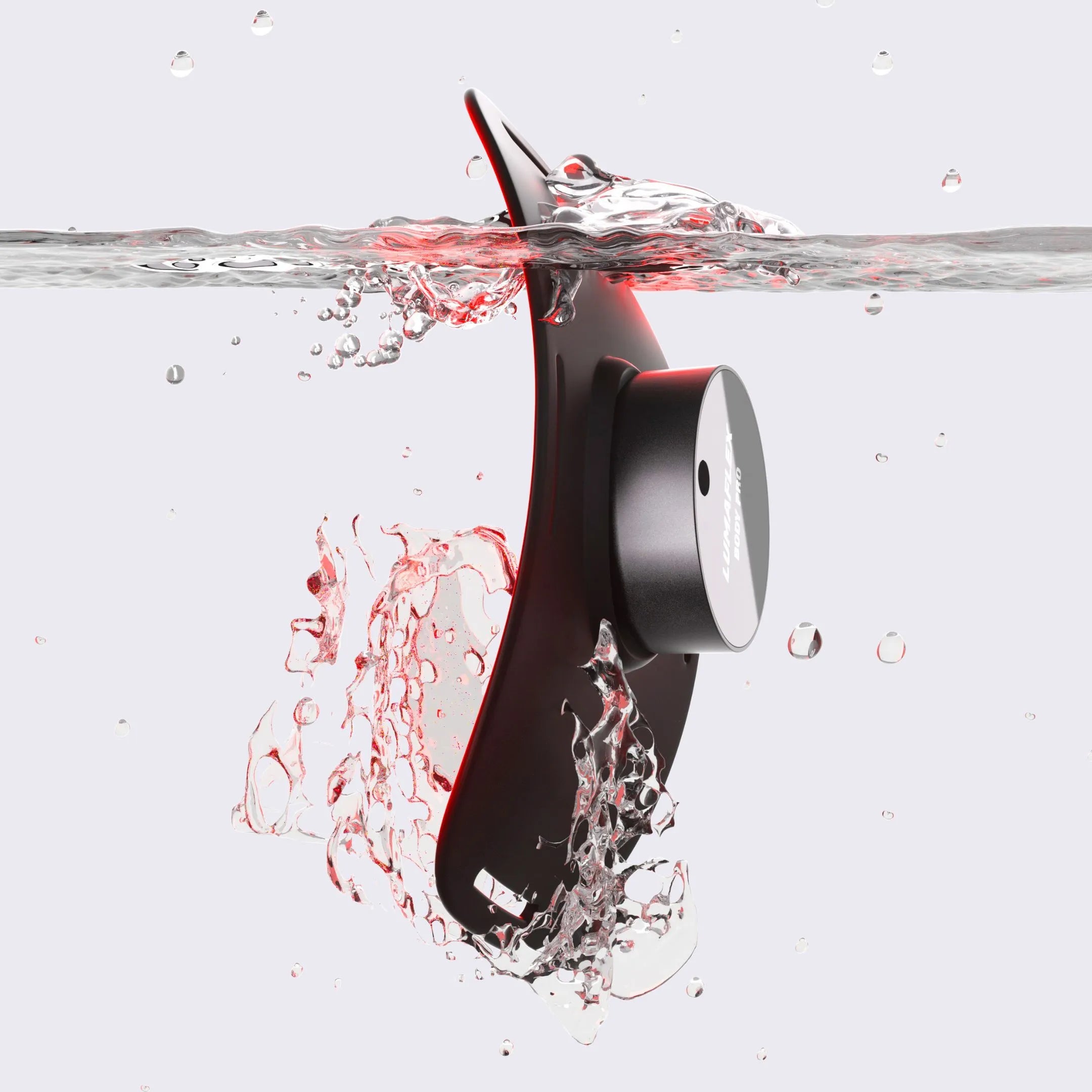
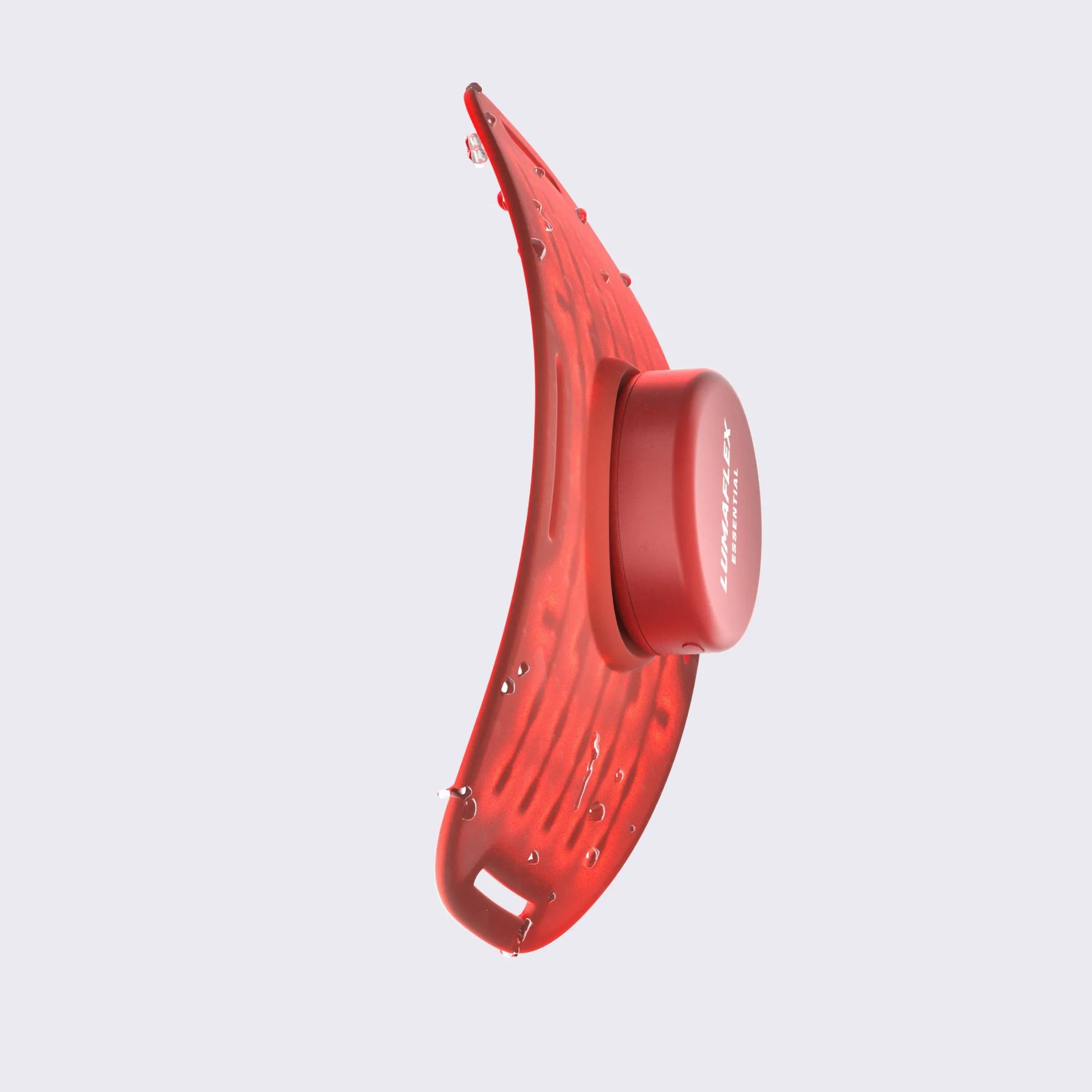
Wearable flexible panels. Ideal for covering the entire stomach area during relaxation.
Handheld devices. Great for focused treatment on cramping or specific areas of pain.
Larger panels. Useful for people who want full-body or multitarget support.
Portable devices let you use red light therapy while sitting, resting, or winding down in the evening.
Is Red Light Therapy Safe for Stomach Use?
Red light therapy is generally considered safe for most people when used correctly. It does not involve heat strong enough to burn the skin, and it does not introduce chemicals or invasive procedures.
Most people tolerate it well, with minimal to no side effects.
However, you should avoid using red light therapy on the stomach if:
You are pregnant (safety research is limited).
You have an active infection or open wound in the treatment area.
You are under medical evaluation for unexplained severe abdominal pain.
For most users, red light therapy is a gentle, low-risk option to support digestive comfort and reduce inflammation.
Research on Red Light Therapy for the Stomach
Red light therapy interacts with the body at a cellular level, which may explain why many people notice improvements in stomach comfort, bloating, and digestion. While research is still emerging, studies suggest several key mechanisms that make red light therapy a promising tool for gut support.
Can Red Light Therapy Reduce Abdominal Inflammation?
One of the main ways red light therapy may help the stomach is by reducing inflammation. Light exposure can stimulate cells to produce more energy, which helps the body manage inflammatory processes.
Potential effects include:
Reduced redness and irritation in abdominal tissues (Hamblin, 2017)
Support for healthier blood flow
Less tension in digestive muscles (Cohen-Mekelburg, et.al., 2024)
These effects can help create a calmer gut environment, supporting general digestive comfort.

Can Red Light Therapy Support Gut Motility?
Red light can also influence the muscles and tissues in the abdominal wall. Gentle exposure may help:
Relax tight muscles in the stomach and intestines
Encourage smoother gut motility
Support the body’s natural rhythm for digestion (Jahani-Sherafat, 2023)
These benefits may be particularly noticeable for people dealing with slow digestion or tension-related discomfort.
Red Light Therapy and the Gut Microbiome
Emerging studies suggest red light therapy may influence gut bacteria, although research is still limited. Possible effects include:
Supporting a balanced gut flora
Reducing harmful bacterial activity
Enhancing overall digestive function
A healthy gut microbiome is essential for proper digestion, reduced bloating, and general well-being.
Red Light Therapy for Constipation Relief
Constipation is a common digestive complaint that may respond to red light therapy through several mechanisms:
Improved Circulation: Enhances blood flow to the abdomen, supporting normal bowel movements.
Reduced Muscle Tension: Relaxes the muscles along the digestive tract.
Inflammation Management: May help ease blockages and discomfort.
Regular, consistent use may help the digestive system feel lighter and more comfortable.
Red Light Therapy for Bloating and Cramping
Bloating and cramping often accompany digestive discomfort. Red light therapy may help by:
Supporting abdominal muscle relaxation
Reducing localized inflammation
Improving tissue oxygenation, which can ease discomfort
These effects combine to make the stomach feel less tight and more comfortable over time.
Red Light Therapy for Common Stomach and Digestive Conditions
Red light therapy is increasingly being explored for a range of stomach and digestive issues. While research is still evolving, many people report comfort and relief when using red light on the abdomen. This section covers common concerns and how red light therapy may support general digestive wellness.
Red Light Therapy for IBS Discomfort
Irritable Bowel Syndrome (IBS) can cause unpredictable cramping, bloating, and abdominal tension.
Red light therapy may help by:
Promoting gentle relaxation of abdominal muscles
Supporting improved circulation in the gut area
Reducing localized inflammation that contributes to discomfort
Although red light therapy is not a cure, it may be a helpful addition for individuals looking for gentle, non-invasive ways to manage IBS-related tension.
Red Light Therapy for Diarrhea and Digestive Upset
Digestive upset, including occasional diarrhea, can be stressful and disruptive. Using red light on the abdomen may:
Calm irritated tissues
Support a more relaxed digestive environment
Reduce the discomfort associated with bloating or cramping
This approach is considered low-risk and may be used alongside other lifestyle or dietary adjustments.
Red Light Therapy for Crohn's Disease and Diverticulitis
For conditions like Crohn’s disease or diverticulitis, red light therapy is purely informational and should never replace medical care.
Potential supportive benefits include:
Encouraging a soothing effect on abdominal tissues
Providing gentle, localized warmth
Supporting relaxation and comfort during flare-ups
Always consult a healthcare professional before using red light therapy if you have chronic or severe gastrointestinal conditions.
Postpartum Abdominal Healing & Comfort
After childbirth, abdominal muscles and tissues can feel sore, tight, or sensitive. Red light therapy may assist in postpartum comfort by:
Promoting gentle tissue relaxation
Supporting blood flow to recovering areas
Reducing tension and mild discomfort
Many new parents incorporate short red light sessions into evening routines to help unwind and encourage a feeling of abdominal comfort.
Red Light Therapy for Stress-Related Stomach Tightness
Stress can cause noticeable tightness, cramps, or gut “knots.” Red light therapy may help by:
Encouraging relaxation of abdominal muscles
Supporting gentle circulation
Helping the body wind down during stressful periods
This makes red light therapy a potential tool for individuals who experience digestive tension linked to stress or emotional strain.
How to Use Red Light Therapy for the Stomach
Red light therapy can be a helpful part of a digestive wellness routine when used safely and consistently. The following guidance outlines practical steps for applying red light to the stomach area for comfort, bloating relief, and general gut support.
Stomach Placement Guide
Position your red light device directly over the abdomen. Key points:
Cover the area from just below the ribs to the lower stomach for full abdominal support.
Keep the device at a comfortable distance, typically 4–6 inches from the skin depending on the device type.
Wear loose clothing or place the device on bare skin for optimal light penetration.
Recommended Duration
Start with 10–15 minutes per session to allow your body to adjust.
Gradually increase up to 20 minutes if it feels comfortable and relaxing.
Ensure the light intensity is gentle and not uncomfortable for your skin or eyes.
Frequency
Daily sessions can support ongoing comfort and relaxation.
Alternatively, using red light 3–5 times per week may be sufficient for maintenance or mild digestive discomfort.
Consistency is key to experiencing potential benefits.
Best Times to Use Red Light for Digestive Comfort
Evening or before bed: Helps relax abdominal muscles and may support a calmer digestive environment.
Can be used after meals for gentle comfort, particularly if you often experience bloating or cramps.
Avoid using immediately before very intense physical activity to allow the body to focus on relaxation.
Safety & When to Avoid Use
Red light therapy is generally safe when used as directed. However, avoid use if:
You have an open wound, infection, or irritation on your abdomen.
You are pregnant, unless cleared by your healthcare provider.
You experience unexplained or severe abdominal pain.
Additional tips:
Protect your eyes if the light is bright.
Monitor your body’s response and adjust duration or frequency if you notice discomfort.
Consult a healthcare professional if you have any chronic digestive condition or medical concerns.
Real-Life Experiences With Red Light Therapy for Stomach Relief
Many people are curious about how red light therapy feels in practice. While it isn’t a replacement for medical care, real users often notice subtle improvements in comfort and digestion when using it consistently.
One person shared their experience with evening bloating and cramping:

Another user described postpartum abdominal recovery:

A third story comes from someone managing IBS-related tension:

These accounts are based on reported experiences. Everyone’s response can differ, and red light therapy should be considered a supportive tool rather than a medical treatment.
Integrating red light therapy into your routine can be simple and unobtrusive. Many people pair it with gentle stretching, deep breathing, or other relaxation habits to create a calming end-of-day ritual that supports digestive comfort.
When Red Light Therapy May Not Be Enough
Red light therapy can be a gentle, supportive tool for abdominal comfort and digestive wellness. However, it is not a replacement for professional medical care. Understanding its limits helps you use it safely and effectively.
Signs You Should See a Doctor
Even if red light therapy provides comfort, certain symptoms always warrant medical attention:
- Persistent or severe abdominal pain that doesn’t improve
- Unexplained bleeding, vomiting, or sudden changes in bowel habits
- Fever, chills, or other signs of infection
- Ongoing bloating, cramping, or digestive distress that interferes with daily life
If you experience any of these, it’s important to consult a healthcare professional promptly. Early evaluation can prevent complications and ensure proper treatment.
What Red Light Therapy Cannot Do
Red light therapy is supportive, but it has clear boundaries:
- It cannot cure chronic conditions like IBS, Crohn’s disease, or diverticulitis
- It does not replace medications or prescribed treatments
- It is not a diagnostic tool for underlying gastrointestinal disorders
Red light therapy can help your abdomen feel more comfortable, ease tension, and support relaxation. But for serious or persistent issues, professional guidance is essential.
Frequently Asked Questions About Red Light Therapy for the Stomach
Can red light therapy help with constipation?
Red light therapy is reported to support gentle abdominal relaxation and circulation, which may help ease mild constipation. Individual results vary, and it should be used alongside healthy diet and hydration habits.
Where do I place a red light device for stomach pain?
For general digestive comfort, position the device over the abdomen, covering the area from just below the ribs to the lower stomach. Keep it at a comfortable distance, typically 4–6 inches from the skin, and follow the manufacturer’s instructions for your device.
Is red light therapy safe for IBS?
Red light therapy is generally considered low-risk when used as directed. While it cannot treat or cure IBS, it may help some individuals feel more comfortable by promoting abdominal relaxation and reducing tension. Always consult a healthcare professional if you have chronic digestive conditions.
Can I use red light therapy for postpartum abdominal recovery?
Many new parents use red light therapy to help relax abdominal muscles and improve comfort. Start with shorter sessions and ensure the light is gentle. It should complement, not replace, postpartum medical guidance.
Does red light therapy help with bloating and cramping?
Some users report reduced tension, cramping, or bloating after consistent red light use. It may support circulation and relaxation in the abdominal area. Results vary, and it works best as part of an overall digestive wellness routine.
Related Readings
- Red Light Therapy Routine and Increased Energy for Active Lifestyles
- Harnessing Lumaflex Red Light Therapy for Weight Loss
- Red Light Therapy Time: A Guide for Abdominal Cramping After Exercise
- Red Light Therapy for Pain 101: Benefits and How It Works
- Red Light Therapy for Fat Reduction: How It Supports Your Self-Care and Wellness
- LED Photobiomodulation Therapy for Abdomen Fat Reduction
- Red & Infrared 630nm LED PBM for Subcutaneous Fat in Obese Individuals
- Red Light Therapy for Metabolism: Unlocking the Science of Its Effects on Metabolic Health
- Red Light Therapy for Weight Loss: Transform Your Body This Holiday Season
- Exploring the Safety and Possible Side Effects of Red Light Therapy for Weight Loss