Best Infrared Light Therapy for Dogs with Arthritis

Best Infrared Light Therapy for Dogs with Arthritis: A Safer Way to Support Comfort and Mobility
It hurts to see a dog move less freely because of joint pain. As dogs grow older, particularly big ones and those senior pets, arthritis often becomes part of their daily struggle. Getting up may take effort, movement turns stiff, and playing feels harder are hints that joints are no longer moving comfortably. More owners are searching for the best infrared light therapy for dogs with arthritis, seeking a gentle form of relief they can provide indoors.
Interest grows around infrared light therapy since it skips needles, pills, or complicated steps. Not about hiding discomfort, it helps blood flow better while easing swelling near stiff joints. When medicine feels like the only option, pet parents sometimes find strength in a method that works quietly alongside their care routine.
This guide covers how infrared light helps dogs with arthritis, what to look for in a safe and effective device, and why Lumaflex appears consistently across reviews focused on joint support.
Why Dogs Develop Arthritis and Why It Gets Worse Over Time
Cartilage is the "cushion" that protects joints. When cartilage within a dog's joint slowly deteriorates, arthritis begins. Without this natural cushion, movement brings discomfort because inflammation sets in.
While older dogs are at a greater risk of developing arthritis, younger dogs can also be affected; however, rather than just age, there are factors that can contribute to the development of arthritis, such as genetics, previous trauma, or chronic stress on the joints prior to developing symptoms.

Most pet owners will notice that their dog has developed small changes in their behaviour before they show signs of obvious discomfort. Some signs of an arthritic dog are:
- Stiffness after sleeping or resting
- Limping or favoring a particular leg
- Difficulty getting up or lying down
- Slower walks and/or reluctance to play
- Hesitation with stairs, jumping, or getting into the car
Certain temperature changes tend to highlight discomfort linked to joint conditions. When it gets colder, circulation around the joints may decline sharply. Tightness in supporting tissues sometimes follows without warning. Movements grow slower when structures stiffen unexpectedly. Winter brings these shifts into clearer focus for some animals.
What happens early makes a difference since arthritis gets worse over time. Though there is no cure, soft routines each day ease pain, keep movement smoother, one step at a time. Tackling joint issues before they grow helps dogs move freely, feel better, and live fully as years add up.
How Infrared Light Therapy Helps Dogs with Arthritis
Arthritis in Dogs is characterized by inflammation in the joints, which causes them to become stiff and painful. Infrared Light Therapy works by passing through the skin and into the dog's muscles and joints, and produces a soothing effect. Unlike visible light, infrared light has a greater ability to penetrate into the body and find the deeper layers of tissue where dogs experience pain because of their arthritis.
As a result, this type of light therapy provides five key areas of benefit to dogs with arthritis.
1) Enhanced circulation in the area of painful or stiff joints.
2) Increased oxygen and nutrients are delivered to the affected area or tissues.
3) Increased reduction of inflammatory reactions to a "normal course of action" for your pet.
4) Decreased stiffness and daily pain over an extended time.
5) Provides for an improved range of motion in affected joints, resulting in improved ease of movement in the hips, knees, back, and areas commonly affected by arthritis.
When blood flow increases and swelling decreases in the dog, it becomes easier for them to move each day. Infrared Light Therapy will not cure your dog's arthritis and does not take away the need for routine veterinary visits; however, when used regularly, it provides dogs with a soft, soothing effect that allows them to move about more comfortably.

Is Infrared Light Therapy Safe for Dogs with Arthritis
Some people worry about new treatments for older dogs, particularly when dealing with long-term stiffness. Used the right way, infrared light therapy is seen by many as gentle support for pets by easing movement without harsh effects.
Many owners consider infrared or red light therapy for dogs with arthritis because it offers gentle, non-drug support.
Most dog owners find infrared light safe for dogs, since it supports healing without forcing anything. Calm results with less tension and softer movement often show up when guidelines are being followed.
- Non-invasive and drug-free - There are no medications, injections, or surgical procedures required to provide the therapy. Therefore, it is drug-free and non-invasive.
- Comfortable during use - Dogs have a very mild heat sensitivity. Most dogs are comfortable while receiving the therapy and do not experience added stress or discomfort.
- Suitable for senior dogs - The therapy can benefit senior dogs and those with limited mobility or increased sensitivity due to different effects of aging.
Some dogs hardly react and stay relaxed the whole time. Because they are so calm, it’s easy to fit them into your day without any trouble.

Staying safe and getting results means sticking to straightforward rules. Following them makes things more comfortable and also boosts what you might gain.
- Follow guidelines without guessing. Keep space between the device and your dog as advised. Distance helps prevent issues. Always check positioning before use.
- Follow the suggested session times rather than increasing intensity.
- Try brief moments often rather than rare long stretches.
Start by talking to your veterinarian if your dog is dealing with health issues. When in doubt about starting an infrared treatment, professional advice makes sense. This kind of light isn’t meant to replace checkups; think of it more like extra support.
Best Infrared Light Therapy Features for Dogs with Arthritis for Pain Relief
When choosing the best infrared light therapy for dogs with arthritis, a few features make a meaningful difference.
Not all infrared light therapy devices reach deep enough or provide consistent results for arthritic joints in dogs. Choose a device with the following features to ensure real relief:
Light Waves for Deeper Joint Relief
Pain linked to arthritis often exists below the surface, especially around the hips, knees, or along the back. How deeply light reaches depends on its wavelength. Near-infrared goes further under the skin, reaching the sore spots and improving circulation for cells to function well. Look for a device that has a good design when it comes to intensity and focus. Near-infrared light touches deep joints used constantly by aging animals.
Coverage and Flexibility for Large Dog Joints
Most dogs move frequently, especially when uncomfortable. Devices with a small treatment area lose effectiveness quickly. Wider coverage supports large joints without constant repositioning, and a flexible device can adjust as your dog lies down, stretches, or shifts. Therapy that moves naturally with your dog reduces stress and makes at-home treatment easier and more comfortable.

Ease of Use for At-Home Light Therapy for Dogs
For the best device to fit smoothly into your daily routine. It should be easy to set up and require little or no instructions, and it can operate quietly. Many owners find it helpful to use light therapy during calm bonding moments, like resting together. A device that works quietly and naturally during these times keeps therapy stress-free for both pet and owner, especially for senior dogs.
Long-Term Value for Pet Owners
Some devices are only good for pets, but the most useful devices can help people too, easing joint stiffness or muscle discomfort. One device that works for the whole family provides long-term value, turning from a one-time purchase into a daily essential.
What matters most is how well the device can fit into your daily life, not what the packaging claims. When depth, coverage, ease of use, and lasting value come together, at-home light therapy for dogs with arthritis becomes a comfortable and reliable part of your dog’s care routine.
Infrared Light Therapy vs Traditional Arthritis Treatments for Dogs
When managing arthritis in dogs, several treatment options exist. Each approach has its own benefits, limitations, and role in supporting joint comfort. Infrared light therapy is best seen as a supportive tool that complements, rather than replaces, veterinary-prescribed treatments.
Below is a clear comparison to help pet owners understand how infrared light therapy fits alongside other common approaches:
| Treatment | How It Helps | Limitations | Role of Infrared Light Therapy |
| Pain Medications | Reduce pain and inflammation | Possible side effects with long-term use: does not improve joint health | Infrared light therapy can reduce reliance on medications by supporting circulation and tissue comfort |
| Supplements (e.g., glucosamine, chondroitin) | Support cartilage health and joint function | Results may take weeks to months; effectiveness varies | Infrared light therapy complements supplements by improving circulation and reducing stiffness |
| Physical Therapy / Exercise | Improves mobility, strengthens muscles, maintains flexibility | Requires consistency; may be difficult for senior or stiff dogs | Infrared light therapy can make exercise easier by reducing discomfort and promoting mobility |
| Infrared Light Therapy | Supports circulation, reduces inflammation, promotes tissue comfort | Not a standalone treatment; benefits appear gradually with regular use | Best used alongside medications, supplements, and physical therapy for a comprehensive arthritis care plan |
This table highlights that infrared light therapy is a gentle, drug-free option that supports joint comfort and mobility. When combined with traditional treatments, it can enhance quality of life and make daily activities easier for dogs with arthritis.
Why Lumaflex Is a Top Choice for At-Home Infrared Light Therapy for Dogs with Arthritis
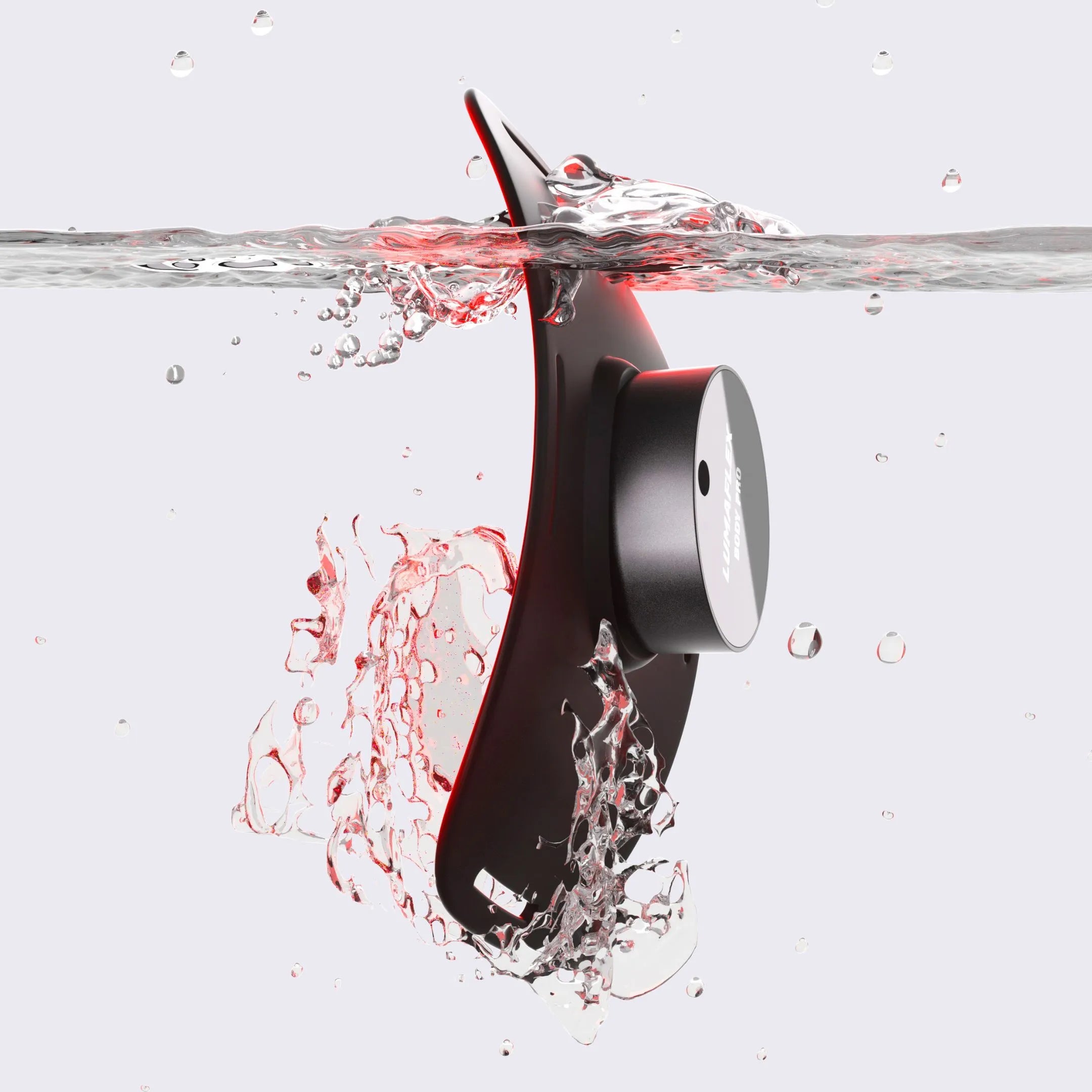
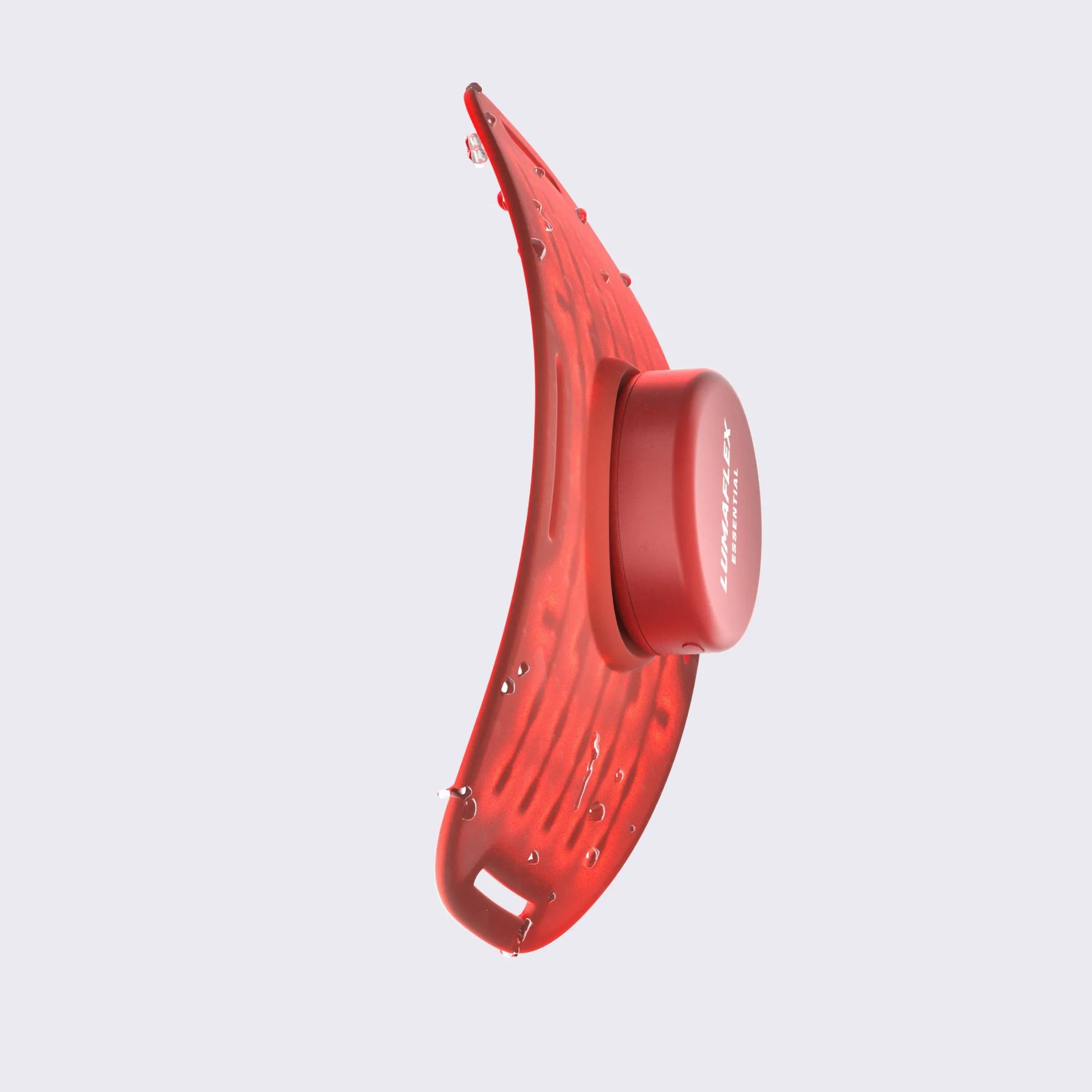
When it comes to supporting your dog’s joint comfort at home, not all infrared light therapy devices are created equal. Lumaflex stands out because it combines scientific design, ease of use, and long-term versatility—making it a reliable choice for pet owners who want more than a short-term solution.
For owners comparing the best infrared light therapy for dogs with arthritis, long-term usability and safety matter just as much as results.

Key features that make Lumaflex ideal for dogs with arthritis include:
-
Dual-wavelength infrared capability – Delivers both red and near-infrared light to penetrate different tissue depths, supporting joint comfort and mobility more effectively.
-
Gentle, consistent light output – Provides steady therapy without heat or discomfort, so dogs can relax during each session.
-
Large treatment area – Covers hips, knees, and other major joints, allowing for efficient and effective sessions even if your dog shifts or moves slightly.
-
Easy to use at home (as part of a regular care routine) – No complicated setup or special training required, making it simple to incorporate into your dog’s daily routine.
-
Trusted by wellness-focused households – Many pet owners who value long-term comfort choose Lumaflex because it works for both pets and humans, offering a practical, multi-purpose solution.
This holiday season, giving the gift of comfort and mobility to a senior dog can be both thoughtful and practical. Lumaflex provides a safe, supportive, and easy-to-use solution that helps pets stay active and comfortable, turning routine therapy into a moment of care and connection.
How to Use Infrared Light Therapy on Dogs with Arthritis
At-home infrared light therapy can fit naturally into a dog’s routine when it’s kept calm and familiar. Many dogs relax into sessions once they realize nothing uncomfortable is happening. When done consistently, light therapy often becomes part of quiet rest time rather than something that disrupts the day.
Most pet owners follow a few simple practices to keep sessions safe and comfortable.
Choose the area to treat
Focus on joints that tend to carry the most strain, such as the hips, knees, shoulders, or along the spine. These areas are commonly affected by arthritis and often respond best to regular light therapy.
Maintain proper distance
Keep the device at the manufacturer-recommended distance from your dog’s body. Proper spacing allows infrared light to reach deeper tissues without creating unnecessary warmth or discomfort.
Start with short sessions
Sessions typically last about 5 to 10 minutes per area at first. As your dog becomes more comfortable, session length can be adjusted gradually. There’s no benefit in pushing beyond what your dog tolerates easily.
Set a steady routine
Most dogs respond well to three to five sessions per week. Regular use tends to be more helpful than infrequent, longer sessions. A veterinarian can offer guidance if your dog has specific health considerations.
Create a calm setting
Light therapy often works best during rest time. Gentle petting, a familiar blanket, or a quiet room can help your dog stay relaxed and still.
Watch your dog’s response
Infrared light therapy should never cause pain, anxiety, or noticeable heat. If your dog seems uncomfortable, adjust positioning or shorten the session.
Most owners notice that shorter, more regular sessions work better than trying to do too much at once. Over time, this approach can support easier movement, less stiffness after rest, and more comfort during daily activities.

Can infrared light therapy really help dogs with arthritis?
Infrared light therapy may help support joint comfort and mobility by improving circulation around stiff or sore joints and calming inflammation. It isn’t a cure for arthritis, but many owners use it as part of a broader care routine alongside veterinary guidance.
Is red or infrared light therapy safe for dogs?
When used as directed, infrared light therapy is considered gentle and low risk. It’s non-invasive and drug-free, and most dogs feel little to nothing during sessions. This makes it suitable for senior dogs and pets with sensitivity to other treatments.
How often should I use infrared light therapy on my dog?
Many dogs do well with short sessions several times a week. Three to five sessions is common, with about five to ten minutes per joint. Regular use tends to be more helpful than longer, infrequent sessions, and manufacturer guidelines should always be followed.
Can infrared light therapy replace medications or supplements?
No. Infrared light therapy is best viewed as supportive care. It works alongside medications, supplements, or physical therapy rather than replacing them. Some owners find it helps improve overall comfort, which may make daily management easier over time.
Which joints should I focus on?
Most owners start with joints that show the most stiffness, such as the hips, knees, shoulders, or along the spine. Sessions can be adjusted based on where your dog seems most uncomfortable and how they respond.
Supporting Comfort and Mobility as Dogs Age
Arthritis doesn’t have to take over a dog’s later years. Small, thoughtful choices made consistently can make a noticeable difference in how a dog moves and feels from day to day. Comfort and ease of movement often matter more than dramatic changes, especially as dogs grow older.
Infrared light therapy offers a gentle, non-invasive way to support joint comfort without adding stress to daily routines. When used regularly, it can help reduce stiffness and make everyday movement feel more manageable for dogs living with arthritis.
Lumaflex is often chosen for its practicality. The dual-wavelength design, wide treatment area, and simple at-home use make it easier to stay consistent without turning care into a chore. Whether a dog is senior, large-breed, or just beginning to slow down, supportive routines can help preserve comfort and quality of life over time.
A supportive routine works best when the tools involved fit naturally into everyday life. When care feels manageable rather than overwhelming, it’s easier to stay consistent and focus on what matters most: helping an aging dog stay comfortable.
Explore Lumaflex for Your Dog’s Comfort