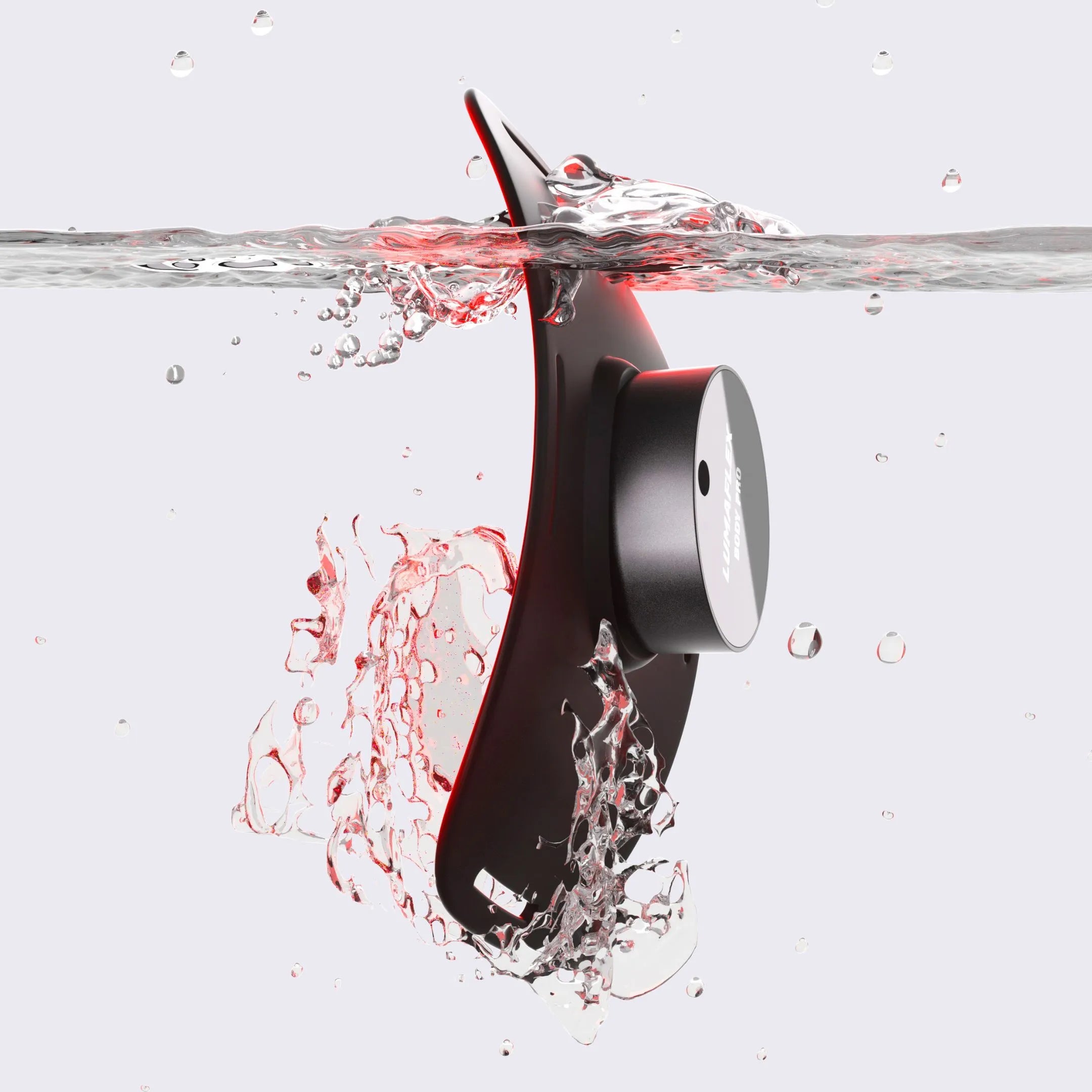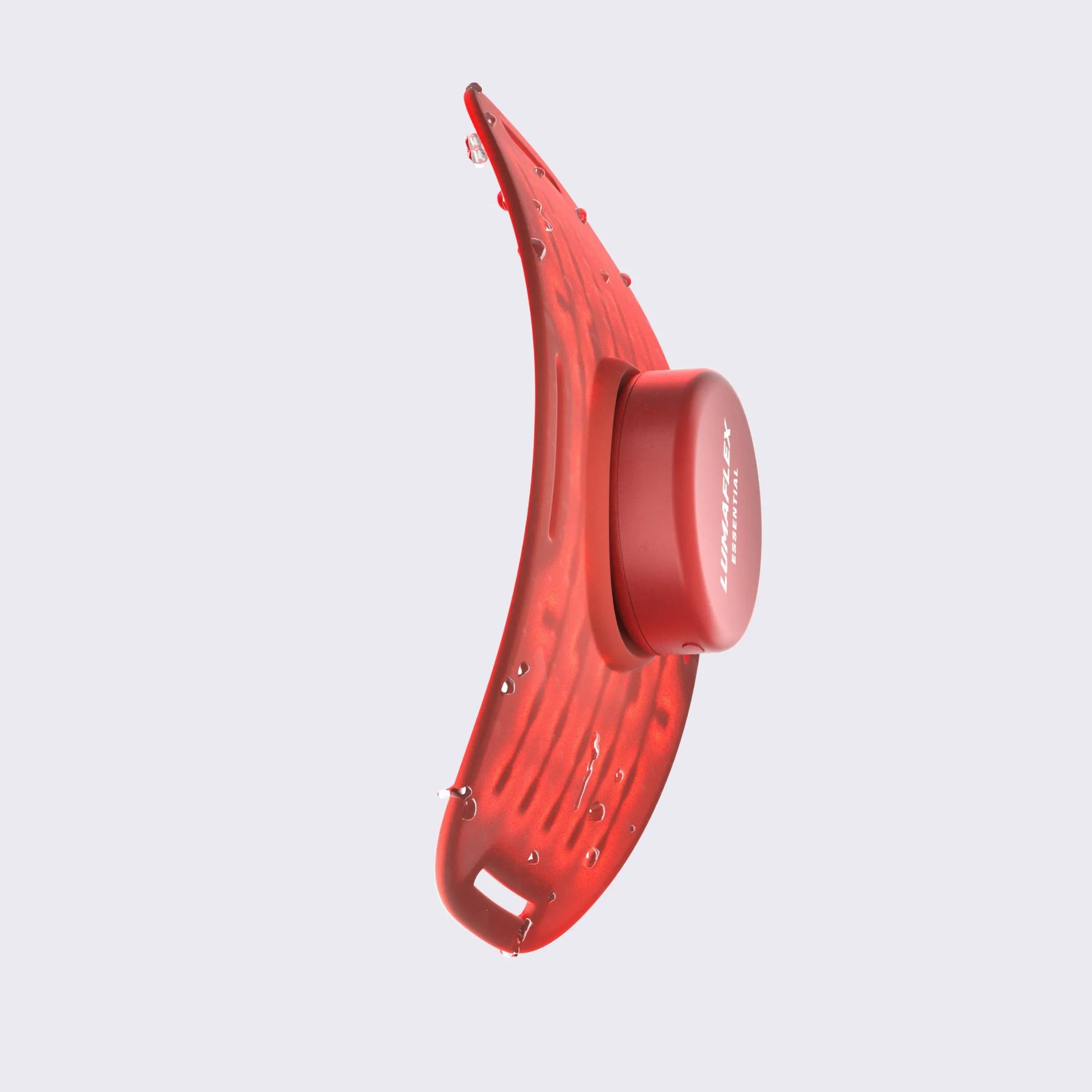
Comfort for Canine and Feline Paws: Red Light Therapy for Neuropathy Relief
Can Red Light Therapy Help Dogs and Cats With Paw Pain and Neuropathy?
Paw discomfort and nerve-related pain can significantly affect a pet’s quality of life. Dogs and cats experiencing neuropathy, aging-related stiffness, or chronic paw sensitivity may show signs such as limping, reduced activity, or discomfort when walking. Pet owners often look for gentle, non-invasive options to support comfort without relying solely on medications, such as red light therapy for neuropathy.
Red light therapy or photobiomodulation has gained attention as a supportive wellness tool for animals, particularly for dogs and cats dealing with paw pain, inflammation, and nerve discomfort. By using specific wavelengths of red and near-infrared light, this therapy is believed to help support circulation, cellular function, and tissue recovery.
While it is not a medical treatment or replacement for veterinary care, many pet owners and professionals explore red light therapy as part of a broader comfort and mobility routine for pets.
Table of content
What is Neuropathy in Pets and Why It's So Challenging

Watching a dog or cat struggle to move comfortably can be heartbreaking, especially when the cause is neuropathy. Neuropathy is a condition that affects the nerves and disrupts communication between the brain and the body, often leading to pain, weakness, or loss of coordination in the legs and paws.
In pets, neuropathy can develop gradually or appear after illness or injury. Some of the more common contributing factors include:
Age-related nerve decline, which becomes more common in senior dogs and cats
Diabetes, where prolonged high blood sugar can damage nerve tissue
Physical trauma, such as nerve compression or injury from accidents
Toxic exposure, including certain medications or chemicals that affect nerve function
Because neuropathy affects how signals travel through the nervous system, even simple movements like standing, walking, or climbing can become difficult over time.
Signs Your Dog or Cat May Have Neuropathy
Pets cannot tell us when something feels wrong, but nerve-related discomfort often shows up through changes in movement or behavior. Common signs of neuropathy in dogs and cats may include:
Limping, dragging paws, or difficulty standing
Weakness or visible muscle loss in the legs
Increased sensitivity to touch, including flinching or excessive licking of the paws
Behavioral changes such as lethargy, reluctance to jump, or avoiding stairs
These symptoms can progress slowly, which is why early recognition and supportive care are important.
Why Traditional Neuropathy Treatments Aren’t Always Enough
Conventional veterinary care for neuropathy often includes medications, physical therapy, or, in some cases, surgery. While these treatments can be effective, they are not always ideal for every pet or every situation.
Some common challenges include:
Medication side effects, which may place added strain on the liver or kidneys, especially in older animals
Surgical interventions, which can be invasive, costly, and require extended recovery periods
Limited tolerance, as some pets do not respond well to long-term pharmaceutical management
Because of these limitations, many pet owners explore supportive, non-invasive options alongside veterinary care.
Where Red Light Therapy Fits In for Pet Neuropathy Support
Red light therapy for neuropathy in dogs and cats is increasingly used as a complementary approach, not a replacement for veterinary treatment. It is valued for its gentle, non-invasive nature and its ability to support comfort without adding stress to the body.
Red and near-infrared light work by stimulating cellular activity rather than creating tissue damage. This process may help support circulation, reduce localized discomfort, and encourage cellular repair in affected areas.
For pet owners seeking an ongoing, calming option to support nerve comfort and mobility, red light therapy offers a low-stress addition to a broader care plan. Its non-invasive nature makes it especially appealing for pets who may not tolerate medications or intensive procedures well.
Red Light Therapy for Neuropathy: How it Works
If your pet is living with nerve discomfort, it’s natural to wonder whether something as simple as light can truly make a difference. Red light therapy, often paired with near-infrared light, uses specific wavelengths to penetrate skin and soft tissue and interact with cells involved in inflammation, circulation, and nerve signaling. This process is gentle, non-invasive, and increasingly used as supportive care for pets with neuropathy.
Rather than masking symptoms, red and near-infrared light work at a cellular level to support the body’s natural repair and comfort mechanisms.

How Red and Near-Infrared Light Interact With Nerves
Red and near-infrared wavelengths are absorbed by cells and mitochondria, the energy centers of the cell. This interaction can support:
Improved cellular energy production
Increased local blood flow and oxygen delivery
Reduced inflammatory signaling around irritated nerves
For pets with neuropathy, this may help calm nerve sensitivity and support healthier nerve function over time.
Key Benefits of Red Light Therapy for Dogs and Cats
Pain and Nerve Support
Red light therapy is commonly used to support pets experiencing nerve-related discomfort. By helping reduce inflammation and improve circulation, it may ease sensitivity without relying on medications.
Improved Mobility and Confidence
As nerve comfort improves so does mobility. Many pets appear more willing to walk, stand, and move naturally. This can be especially meaningful for older dogs or cats that have become hesitant to jump, climb, or play.
Support for Healing and Recovery
Red light therapy is often used during recovery from injury or surgery to support tissue repair and circulation, which can be beneficial when neuropathy is linked to trauma or post-operative healing.
Non-invasive and Well-tolerated
Sessions are quiet, gentle, and stress-free. There is no downtime, and most pets remain relaxed during treatment.
What Research Suggests About Red Light Therapy for Neuropathy
While research in veterinary medicine is still developing, early studies suggest promising supportive benefits:
Improved nerve-related function and comfort in canine joint and mobility conditions, as reported in The Canadian Veterinary Journal
Reduced inflammation and pain markers in animals receiving photobiomodulation, noted in the Open Veterinary Journal
These findings support why red light therapy is increasingly explored as a complementary option for pets with nerve-related challenges.
A Supportive Option, Not a Replacement for Veterinary Care
Red light therapy for foot neuropathy, leg weakness, or nerve sensitivity is not a cure and should not replace professional veterinary diagnosis or treatment. However, when used thoughtfully, it may offer pets a gentle way to support comfort, mobility, and quality of life without additional strain on the body.
In the next section, we’ll explore how pet owners typically use red light therapy at home to support ongoing comfort and mobility.
Red Light Therapy for Dogs & Cats With Neuropathy
Watching a dog struggle to rise or a cat hesitate before jumping can be emotionally difficult, especially when nerve discomfort is involved. Red light therapy for dogs and cats is increasingly used as a supportive option for pets experiencing neuropathy, age-related stiffness, or chronic nerve sensitivity.
Rather than treating pets as one-size-fits-all, red light therapy can be adapted based on species, size, and sensitivity level, making it suitable for both dogs and cats when used correctly.

How Red Light Therapy is Used for Dogs
Dogs with neuropathy often experience weakness, altered gait, or discomfort in the legs and paws. Red light therapy for dog neuropathy is commonly applied to areas such as the lower spine, hips, or affected limbs to support circulation and cellular activity. Larger or senior dogs may benefit from slightly longer sessions, particularly when stiffness or mobility issues are present.
Pet owners often report that dogs appear more relaxed after sessions and show improved willingness to move, walk, or stand comfortably over time.
How Red Light Therapy is Used for Cats
Cats tend to be more sensitive to new sensations, so red light therapy for cats with neuropathy is typically introduced gradually. Shorter sessions and lower-intensity settings are often preferred, especially when treating paw sensitivity or hind-leg discomfort.
Many cats tolerate red light therapy well once they associate it with gentle warmth rather than restraint. Over time, some owners notice reduced paw guarding, improved confidence with jumping, or calmer behavior during rest.
By tailoring session length, placement, and intensity, red light therapy can offer a gentle, non-invasive way to support nerve comfort and mobility in both dogs and cats without adding stress or medication burden.
| Feature | Dogs | Cats |
|---|---|---|
| Common concerns | Hip dysplasia, arthritis, hind-leg weakness, paw neuropathy | Nerve sensitivity, reduced jumping ability, age-related stiffness |
| Typical session length | Slightly longer sessions tolerated | Shorter, lower-intensity sessions preferred |
| Treatment areas | Hips, back, paws, joints | Paws, lower legs, spine (as tolerated) |
| Behavioral response | Often relax during sessions | May need gradual introduction |
| Best approach | Consistent routine, pre- or post-activity use | Slow acclimation, brief consistent sessions |
How to Use Red Light Therapy Safely for Pets
If you are exploring red light therapy as a way to support your pet’s comfort and mobility, proper use matters just as much as the device itself. When used correctly, red light therapy for pet neuropathy can be a gentle, low-stress addition to a veterinarian-guided care plan.
Choosing the Right Red Light Therapy Device
Not all devices are suitable for animals. Look for options designed with safety, adjustability, and tissue penetration in mind.
Wavelength range: Devices in the 630–850 nm range are commonly used for surface tissues and deeper joint or nerve support.
Handheld vs. panel devices: Handheld units work well for paws, joints, and targeted nerve areas, while panels are better for larger muscle groups or the spine.
Adjustable intensity: This is especially important for cats, senior pets, or smaller dogs that may be more sensitive to heat or light.
Veterinary-approved or FDA-cleared consumer devices add an extra layer of reassurance, even when used at home.
Treatment Guidelines for At-Home Use
Consistency and moderation are key when introducing red light therapy to dogs and cats.
Session length: Begin with short sessions of 5–10 minutes per area. If your pet remains calm and comfortable, sessions can gradually increase to 15–20 minutes.
Frequency: For chronic nerve discomfort or mobility issues, 3–5 sessions per week are commonly used. Some pet owners later transition to maintenance sessions as advised by their veterinarian.
Placement: Focus on areas where nerve-related discomfort is most noticeable, such as paws, joints, hips, or along the spine. The device should be close to, but not pressing against, the body.
Safety Considerations Every Pet Owner Should Know
Red light therapy is considered a low-risk treatment, but taking basic precautions helps ensure a positive experience.
Avoid shining light directly into your pet’s eyes. Keep the device angled away from the face or use protective eyewear if recommended.
Observe your pet’s behavior during each session. Signs of restlessness, agitation, or avoidance may indicate that sessions should be shorter or less frequent.
Do not use red light therapy over open wounds, growths, or suspected tumors unless your veterinarian has given approval.
With patience and gentle consistency, red light therapy for dogs and cats can become a calm, familiar part of a comfort-focused routine. Always check with your veterinarian before starting, especially if your pet has an underlying medical condition or is receiving other treatments.
Is Red Light Therapy Safe for Dogs and Cats?
One of the most common questions pet parents ask is:
“Is red light therapy safe for my dog or cat?”
In most cases, yes — when used properly and under veterinary guidance, red light therapy is considered non-invasive, drug-free, and gentle for pets.
Unlike heat lamps or lasers, therapeutic red and near-infrared light:
doesn’t burn the skin
doesn’t damage tissue
doesn’t require sedation
has minimal to no downtime
That makes it especially appealing for senior pets, sensitive animals, or pets who don’t tolerate medication well.
When Red Light Therapy is Generally Safe
Red light therapy may be appropriate for pets dealing with:
peripheral neuropathy
arthritis and joint stiffness
slowed healing after injury or surgery
reduced circulation
age-related mobility decline
Because it works at the cellular level (mitochondrial energy production), it supports natural repair processes rather than masking symptoms.
When You Should Talk to Your Vet First
Even though red light therapy is low-risk, there are situations where professional guidance is necessary.
Consult your veterinarian before starting if your pet has:
cancer or suspected tumors
open or infected wounds
severe heart disease
pregnancy
photosensitivity disorders
recent steroid injections
unexplained swelling or sudden pain
Your vet can help determine whether red light therapy should be:
avoided
postponed
adjusted (shorter sessions, lower intensity)
used alongside other treatments
Possible Side Effects (Rare but Worth Knowing)
Most pets relax or fall asleep during sessions, but occasionally they may experience:
mild temporary warmth on the treated area
slight fatigue afterward
restlessness if the session is too long
These usually resolve quickly. If discomfort continues, reduce the session time or stop and contact your vet.
When used correctly, red light therapy is generally safe for dogs and cats, and can be a valuable complementary therapy for neuropathy and mobility issues.
How Long Does Red Light Therapy Take to Work (Timeline)
One of the biggest questions pet parents ask is:
“How soon will I see results?”
Because every pet and every neuropathy case is different, results can vary. However, most dogs and cats follow a similar improvement pattern.
First 1–3 Sessions: Subtle Comfort Changes
Many pet owners notice gentle, early shifts such as:
Slight relaxation during or after treatment
Reduced stiffness when getting up
Less licking or chewing at painful paws
These changes may be small. That’s normal. Red light therapy works by supporting cellular repair, not masking pain instantly.
Weeks 1–2: Mobility + Behavior Improvements
As circulation and cellular activity improve, you may start to see clearer benefits:
Easier walking or standing
More willingness to jump, climb, or play
Reduced sensitivity when touched
Better mood and engagement
Consistency matters here. Skipping sessions slows progress.
Weeks 3–6: Noticeable Nerve & Comfort Support
With steady treatment, many pets show deeper improvements:
Improved coordination and strength
Less limping or dragging
Longer periods of comfort between sessions
Better overall quality of life
For chronic neuropathy, maintenance therapy is often needed to keep results stable.
Long-Term: Maintenance & Monitoring
Neuropathy rarely “disappears” overnight. Think of RLT as ongoing support, not a cure.
Your vet may recommend:
Regular maintenance sessions (1–3x per week)
Adjusting frequency during flare-ups
Combining RLT with diet, supplements, or physical therapy
FAQ: Red Light Therapy for Dogs and Cats
Is red light therapy safe for dogs and cats?
Yes. When used correctly, red light therapy is generally considered safe and non-invasive. Always follow manufacturer guidelines and ask your veterinarian before starting if your pet has cancer, an active infection, or is pregnant.
Can red light therapy help neuropathy in pets?
Red and near-infrared light may support circulation, reduce inflammation, and encourage cellular repair. All of which can provide comfort for dogs and cats with nerve-related pain. It should be used as a complement, not a replacement, for veterinary care.
How long does it take for red light therapy to work?
Some pets may show relaxation and reduced tenderness after a few sessions, but most need 3-6 weeks of consistent use to see noticeable mobility and comfort improvements.
How often should I use red light therapy for my pet?
Most pets do well with sessions 3-5 times per week, then reducing to maintenance after improvement. Follow your vet's guidance and start slow.
Can I overdo red light therapy on my dog or cat?
Yes. More is not always better. Too much light exposure may cause temporary irritation or overstimulation. Stick to recommended times and give the body time to recover between sessions.
Does red light therapy hurt?
No. Pets typically feel gentle warmth and many become relaxed or sleepy during sessions.
Can I use human red light therapy devices on pets?
Some can be used safely, but not all are designed for animals or curved body areas like paws and joints. Ask your veterinarian before using any device on your pet.
Compare options, see safety guidelines, and get vet-informed recommendations.
Conclusion
Witnessing your pet in pain, particularly with nerve issues, is distressing. But hey, red light therapy could be just the gentle, drug-free answer you’re looking for when it comes to foot neuropathy. We’ve talked about how RLT can:
- Soothe nerve pain
- Help reduce inflammation
- Bring back their mobility
And the best part? It’s low-risk, non-invasive, and pretty straightforward to use—whether you’re visiting the vet or using something at home. If your pet seems uncomfortable during the process, definitely bring up red light therapy with your vet or look for trusted RLT devices designed for pets.
Every small step to ease their pain matters. Be patient, take things slow, and together you'll work towards happier, healthier days, one pain-free paw at a time. Here's to brighter days!
Explore safe, vet-inspired red light therapy options designed for dogs and cats. And see how gentle light can support healing from home.
Related Readings
- A Meta-analysis: Red Light Therapy for Pet Health Conditions
- Red Light Therapy for Dogs 101: Health Benefits Explained
- Dog Arthritis Treatment: Relief for Your Pup’s Pain
- Red Light Therapy for Cats: How Long Does Red Light Therapy Take to Work?
- Red Light Wavelength for Dogs in 5 Easy Steps
- A Meta-analysis: Red Light Therapy for Dogs
- Diabetic Neuropathy in Cats: What It Is and How to Treat It
- Red Light Therapy for Neuropathy: Pain Relief & Nerve Repair Guide
- Red Light Therapy: What Is It and How Does It Work for Neuropathy
- Red Light Therapy 101: Everything You Need to Know