Red Light Therapy Before and After Workout: Simple Gym Guide
When people talk about red light therapy before and after workout routines, the big question is usually timing. Does it work better as something you use before the gym to get moving, or after your workout to help with soreness? Some people like it as part of their warm-up. Others save it for recovery once the session is finished. There isn’t one “right” moment, which is why so many gym-goers still feel unsure about when to actually use it.
The reality is that there’s no single rule that works for everyone. If your goal is to feel looser and more comfortable when you start moving, using red light therapy before training can help. If your goal is to relax tight muscles and support recovery, using it afterward often makes more sense.
The good news is that you don’t need to overthink it. Red light therapy fits best when it feels easy. Use it at times that naturally fit into your routine, whether that’s before the gym, after you get home, or at night while you unwind. Simple, repeatable use matters more than perfect timing.

Table of contents
Why Everyday Gym-Goers Feel Sore and Stuck
Sore muscles at the gym? Chances are it’s not because of heavy weights. More often, small daily choices slow your body’s repair process. Recognize this pattern? You’re not alone.
Busy Schedules Leave Little Time to Recover
Mornings rush, kids call, hours stretch, and workouts often happen in short gaps between responsibilities. With so little time, warm-ups get skipped, cool-downs get rushed, and sore muscles are left untreated.
Inconsistent Recovery Between Workouts
Many gym-goers push through fatigue and skip rest days, starting new workouts while soreness is still present. The focus stays on training harder rather than allowing the body time to recover or using proper recovery methods. Over time, this pattern can reduce how well red light therapy supports muscle repair, especially when recovery tools are used inconsistently.
Tight Muscles From Sitting and Stress
Long periods spent driving or sitting in a car can cause the hips, hamstrings, and shoulder area to become tight before gym-goers begin their workout. This tightness often carries over into the workouts and persists after the workout.
Muscle Soreness is Long-Lasting Because of Poor Sleeping Habits
Real recovery occurs during sleep. Muscle soreness and stiff muscles remain longer than average as a result of poor or erratic sleeping habits, regardless of how hard you are working out.
Soreness That Just Will Not Go Away
A lot of people are trapped at this stage. You want to be able to get to the gym, but because of muscle soreness all the time, it is difficult to remain consistent with your workouts.
The above scenario is typical of most people who have had muscle soreness for an extended period of time. You are not failing because you are not training hard enough. But you need to have a realistic, supportive, and thorough recovery process.

How does Red Light Therapy Help Your Body (Easy Explanation)
Red light therapy helps your body create and use energy at a cellular level. More stored energy means that cells will perform their functions better. Many people use red light therapy for muscle recovery after a workout session to improve the circulation of oxygen and nutrients to tired muscles to assist in their recovery.
Red light therapy may help reduce inflammation created during physical training. Reduced levels of inflammation will lead to a reduction in muscle stiffness/soreness on the day following exercise. Because red light therapy facilitates recovery, it allows individuals to continue going to the gym and adhering to an ongoing fitness routine. Learn how red light therapy supports muscle recovery at Red Light Therapy for Muscle Recovery.
Using Red Light Therapy Before Your Workout

What It Helps With Before Gym
Workout routines often start with a simple pre-workout support. Using red light therapy before a workout serves as a gentle way to warm up the body. It helps increase blood flow to the targeted areas, which may result in less stiffness and help muscles feel less sore when you start moving.
Improved movement may follow when muscle tension drops. With reduced stiffness, movements tend to flow more easily during exercise, especially for early morning sessions or after long hours of sitting. Many people use red light therapy before workout sessions to help their bodies feel ready without feeling stressed.
Using This Before Exercise (Basic Plan)
Begin with brief preparation before exercise. Use only what is necessary during warm-up routines. A limited approach works well ahead of physical effort.
Begin sessions with red light therapy lasting between five and ten minutes
Focus on the muscles you plan to train
Before leaving for the gym, apply this at your residence
While it aids preparation, substitute activities like gentle movement or active flexibility exercises remain necessary
Red Light Therapy After Your Workout

What It Helps With After the Gym
After a workout, many individuals notice benefits from exposure to red light therapy. Muscle tissue undergoes strain during activity, resulting in discomfort for hours afterward. Inflammation may rise as a natural response. Using red light therapy in post-workout can help calm inflammation and ease muscle soreness before it fully sets in.
The benefits of using red light therapy continue between workouts. With smoother healing, returning to training feels less demanding on the body. For many who train regularly, it brings noticeable ease the next day. That sense of well-being supports steady habits over time. Because of this, some include red light therapy in muscle recovery.
Using It After Exercise (Easy Steps)
After exercise, sessions may extend with a gentler pace. Session length can increase slightly after training ends.
Use red light therapy for 10 to 15 minutes
Focus on the muscles you just worked
Use it while resting or winding down
What counts is regularity, not how hard one pushes or the time spent. Steady, repeatable use works better than pushing harder.
Comparing workout timing: Before or after workout?
Is timing important when using red light therapy before or after workout? The truth is, either before or after a workout brings value. Each moment supports distinct outcomes. Primary consideration rests on daily physical demands.
| Timing | What It Helps With | Best For |
|---|---|---|
| Before Workout | Gentle warm-up, increased blood flow, looser muscles, better movement | Stiff mornings, tight muscles, getting ready to train |
| After Workout | Muscle recovery, reduced soreness, calming inflammation, faster recovery between sessions | Post-gym recovery, soreness prevention, feeling better the next day |
When red light therapy is used pre-workout, it prepares the body for activity by supporting readiness and movement. When red light therapy is used post-workout, its role shifts toward soothing tissues and aiding recovery. Both can fit into a gym routine, yet results often stand out more when applied post-workout. Muscle groups respond best during this phase, where repair processes are most active. Consistency in training gains strength through this timing.
A Realistic Weekly Schedule for Normal Gym-Goers
You do not need a rigid plan to benefit from red light therapy before and after workouts. A simple, repeatable routine works best for people who train three to five times per week.
On training days
Use a short session before the gym if you feel stiff or tight
Use a longer session after training to support red light therapy muscle recovery
Focus on the muscles you trained that day
On rest days
Use red light therapy only if something feels sore or tight
Target areas that worked hard earlier in the week
Skip it entirely if you feel good and recovered
What matters most
Keep sessions easy to repeat
Do not chase perfect timing
Consistent use beats long sessions that you cannot maintain
When red light therapy fits naturally into your routine, it becomes easier to stay consistent with both your training and your recovery. That consistency is what supports better gym recovery over time. For frequent use of red light therapy, visit How Often Should You Use Red Light Therapy.
Common Mistakes People Make
People often make mistakes when using red light therapy. Here are a few common mistakes that people make in the gym:
Mistake 1: Only using it one time, then quitting
A first try might leave you wondering if it does anything at all. Slow changes build over time instead of showing up fast. Most people see nothing special after just one round.
Mistake 2: Expecting immediate results
Sore muscles take their time healing, so discomfort sticks around longer than some think. Red light therapy gives a hand during recovery, yet calling it a fast solution misses the point; it works behind the scenes. Progress shows up slowly, not overnight.
Mistake 3: Doing too much with red light therapy
Spend just ten to fifteen minutes working on the muscles you’ve already hit. Staying longer doesn’t help much; it often gets in the way. Lengthy or grueling workouts aren’t the answer. It’s a steady effort that makes a difference.
Mistake 4: Taking It As A Quick Fix
Recovery gets a boost from red light therapy, but training still matters. When routines include good sleep and smart movement, progress sticks around longer. Routine shapes results more than any single tool ever can. To see how red light therapy helps you sleep better, check out Red Light Therapy for Sleep.
When used the right way every time, red light therapy slips quietly into daily life. It helps healing happen without complicating your routine.
New Year Edition: Beginning Well Without Running Out of Energy
January rolls in with fresh plans, and jumping into tough routines too fast often brings aches or skipped days at the gym. Holiday feasts, long trips, plus sitting more than usual tend to make your body feel tight and stiff.
When it comes to easing into recovery without much fuss, using red light therapy around workouts stands out. One brief round may reduce stiffness while boosting blood flow. Readiness in the muscles often follows, regardless of how scattered your schedule gets. The rhythm changes, but this part stays simple.
When days feel slower, sticking with red light sessions keeps things moving, just not too fast. Shorter gym visits? Less sweat than usual? That is okay because healing still happens under the red light. Your muscles stay ready, your energy stays steady. January arrives, and you’re steady, not exhausted.

How Red Light Therapy Helps in Everyday Life
What stands out with red light therapy around workouts? It fits smoothly into daily routines. Getting started takes little effort; no complex steps are needed. Within minutes, those new to it begin helping their muscles heal. Ease matters when building habits.
Most sessions only need a few minutes, though you can go up to 15 minutes if needed. Use it differently depending on whether you’re warming up or cooling down. It’s easy to fit in right after brushing your teeth, leaving the gym, or just before bed.
Fitting into your day is easier when red light sessions happen right where you live. Life keeps moving; no detours needed for treatments. Built for packed days, it quietly fits into routines, helping muscles recover with red light while reducing discomfort. Without demanding more time or energy, it keeps results steady through simplicity alone.
Where Lumaflex Works in Your Workout Plan
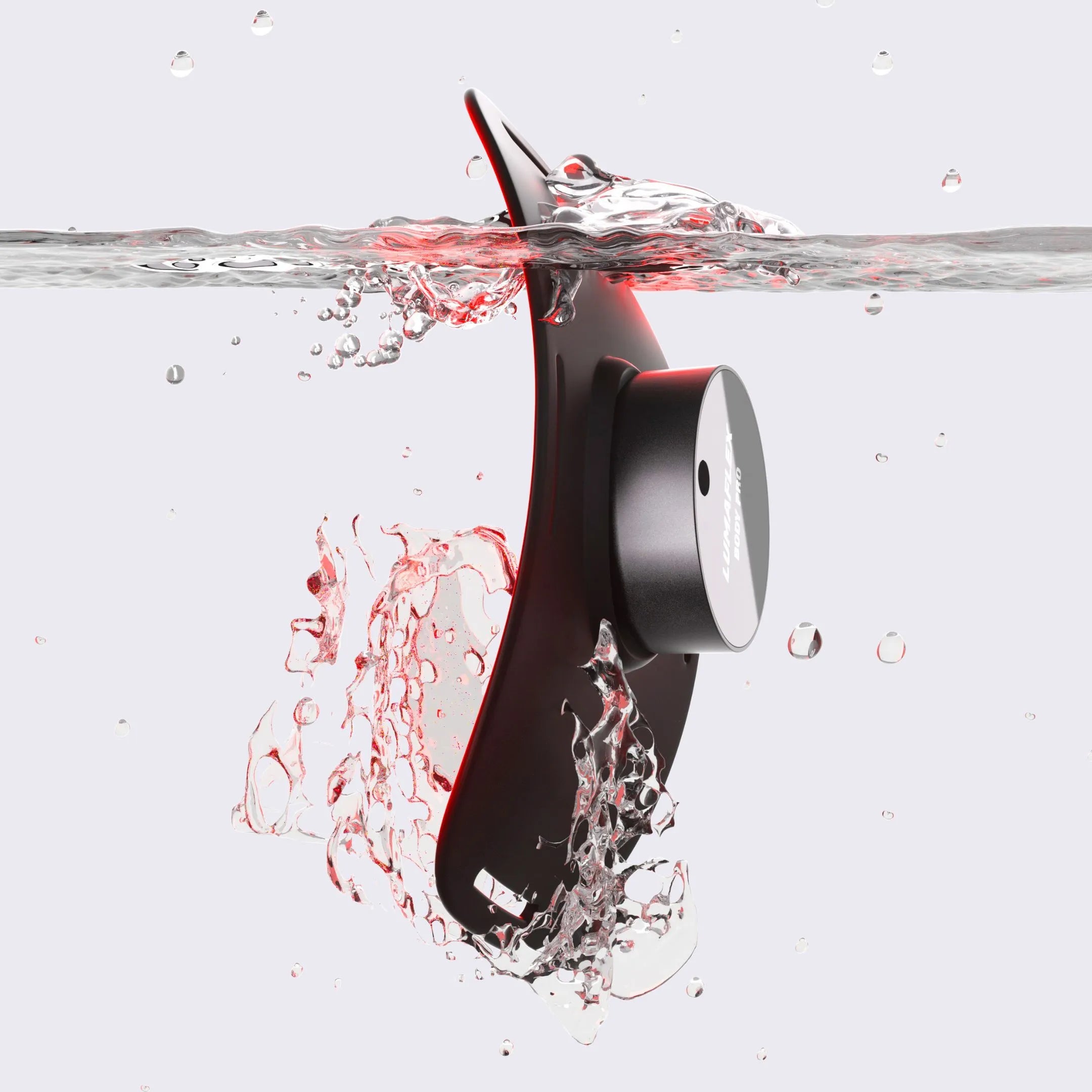
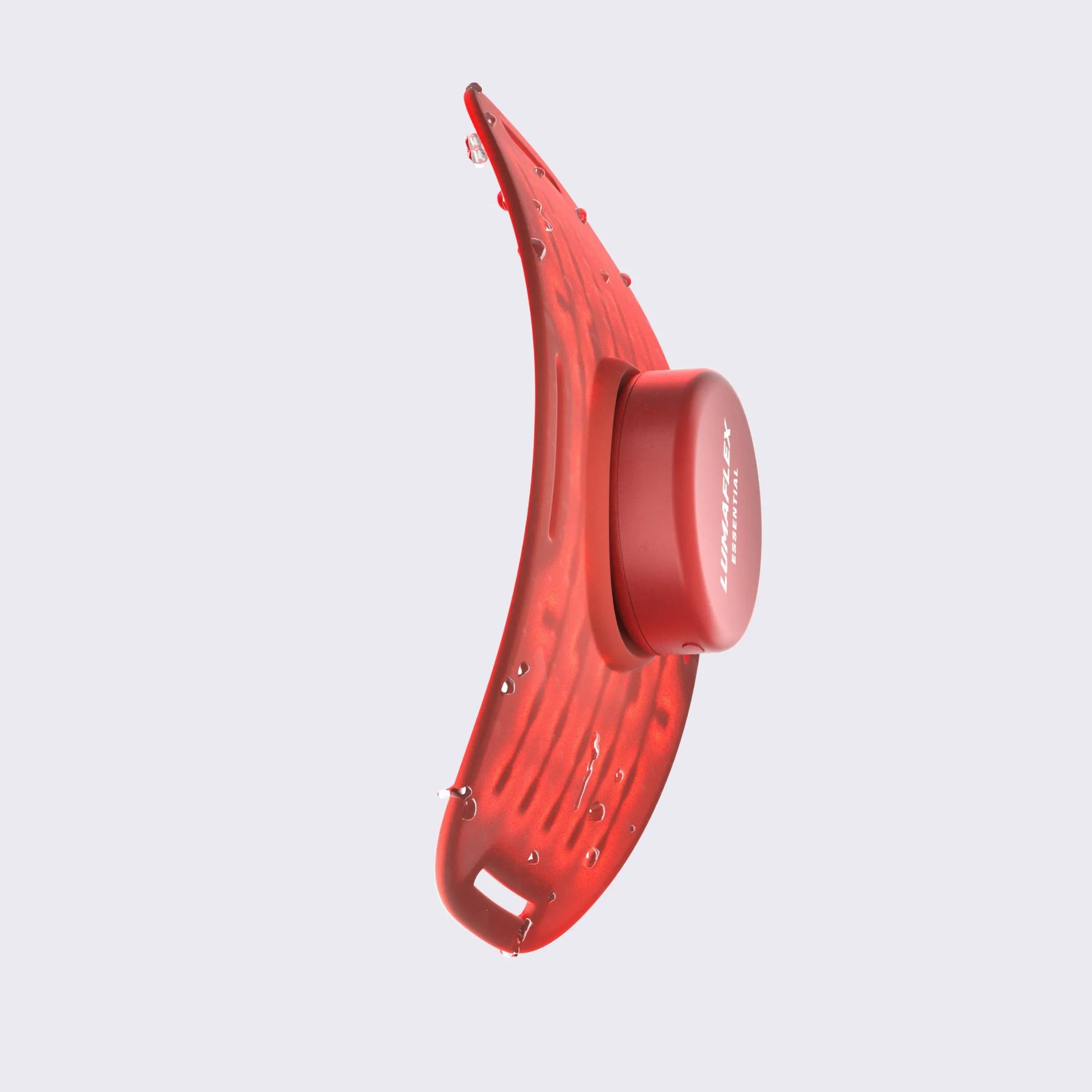
Starting your day with Lumaflex fits right into pre-workout habits without hassle. Wherever you are, home, gym, or a hotel room, it moves with you. Using it feels natural, not complicated. Muscles get what they need whether you’re warming up or cooling down. It is designed for daily use, making it easy to support red light therapy for muscle recovery consistently. No matter if legs, arms, back, or shoulders take the strain, coverage across areas happens fast. It can fit into tight schedules without hassle.
Starting with red light therapy? Lumaflex gives support via the Lumaflex Academy. Since learning matters, this educational resource explains safe, smart ways to use the device. Because clarity counts, your recovery plan stays straightforward, rooted in trustworthy details, not guesswork.
Fitted into actual workouts, Lumaflex moves with your day thanks to its portability and practical design, as it treats you as you go. While made for movement, it stays useful during rest, since learning happens along the way.

Consistency Always Trumps Perfection
What keeps you going in the gym is not just the workouts but how well your body recovers. Using red light therapy before and after workout can ease muscle tightness and soreness, making it easier to stick with your routine.
Red light therapy would not remove your pain problems overnight. Using it before exercising to stretch your muscles loosens them, while using it after exercising can relieve stiffness.
Small practices add up. Even a few minutes per session will go a long way in making you feel different every day. The objective here is to get functionally recovered. It is to get routines in place so you get used to coming back to the gym.
FAQs: Red Light Therapy Before and After Workout
Do I use red light therapy before or after my workout?
The timing of red light therapy relative to exercise depends on the desired outcome. Some apply it before a workout for potential preparation effects. Others choose after a workout - aiming for recovery support. Response may vary by individual routine. Consider personal goals when deciding placement within the schedule.
How long should a red light therapy session last?
A short period before training, around five to ten minutes, prepares the muscles set for training. After training, spending ten to fifteen minutes on those same areas supports recovery. Effectiveness grows when durations stay short yet happen regularly.
Can I use red light therapy on rest days?
Yes, Extra sessions during rest periods may assist muscle recovery when using red light therapy at the gym. Focus on stiff or tender spots to boost blood flow while staying prepared for upcoming exercise routines.
Will red light therapy replace stretching or warm-ups?
It is not a substitute. Instead, red light therapy serves as a support. Before a workout, it may contribute to reduced muscle tension, but dynamic movements remain necessary. After a workout, recovery benefits occur when combined with proper cooldown methods. Rest continues to play a role.
How do I make red light therapy part of a busy schedule?
Red light therapy is simple, portable, and short. Devices like Lumaflex allow access during travel or at home. Multiple areas respond when treated regularly. Even a few minutes before or after a workout can help you maintain consistency without adding stress to your routine.