Photobiomodulation in Stroke Rehab: A Case Study

Photobiomodulation in Home Stroke Rehabilitation: A Real-World Case Study of Long-Term Recovery After Intracerebral Hemorrhage
Recovering from an intracerebral hemorrhage doesn't end when a patient leaves the hospital. For many people, rehabilitation continues for months at home, where progress depends on a combination of medical care, rehabilitation exercises, symptom management, and continuous adaptation to daily life.
This article presents a real-world case documenting one patient's home rehabilitation journey following a hypertension-related intracerebral hemorrhage. It focuses on how photobiomodulation (PBM) was incorporated as a supportive therapy alongside conventional rehabilitation, how the treatment protocol evolved in response to ongoing observations, and what was documented throughout the recovery process.
Rather than evaluating whether PBM is an effective treatment for stroke recovery, this case illustrates how one individualized home rehabilitation program was planned, monitored, and refined over time. Throughout the documented period, adjustments were guided by patient feedback, routine monitoring, and practical considerations instead of a fixed treatment schedule.
As with all case reports, the observations described here represent the experience of a single patient and should not be interpreted as evidence that similar outcomes would occur in other individuals.
Key Takeaways
- One documented patient. This case follows a 55-year-old woman recovering at home after a hypertension-related intracerebral hemorrhage (a type of hemorrhagic stroke).
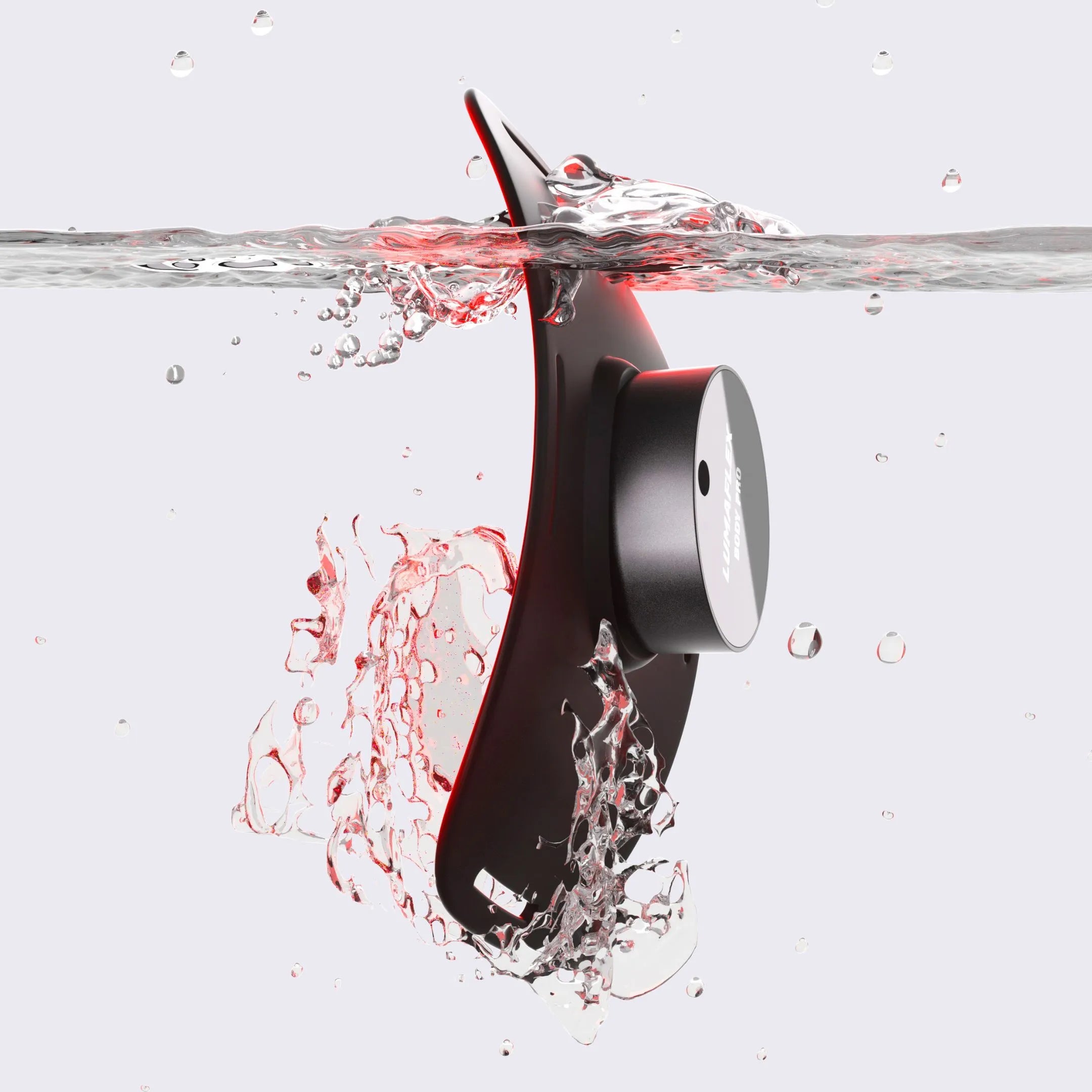
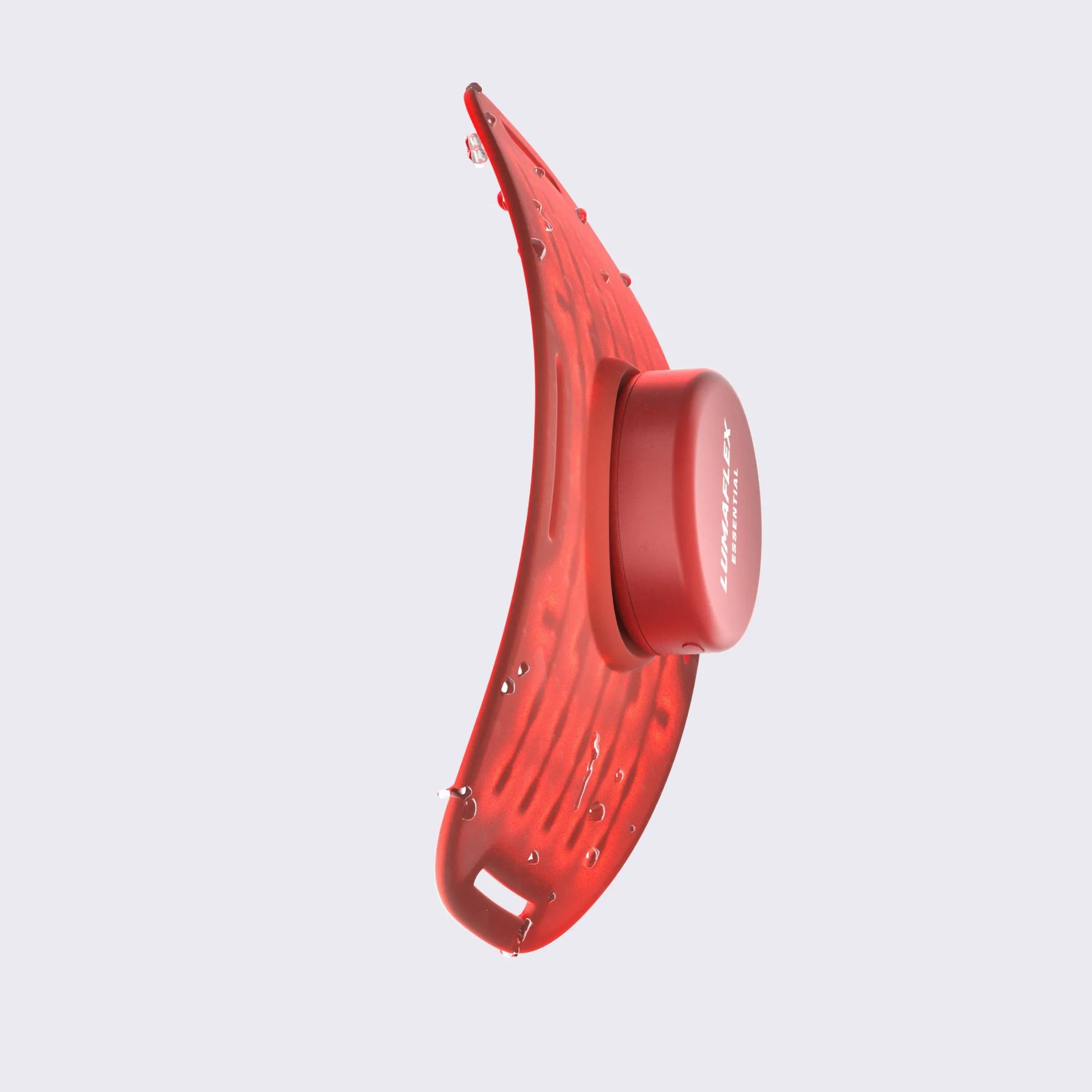
- PBM was used as an adjunctive therapy. A Lumaflex Essential Pro and Lumaflex Essential were incorporated alongside her existing rehabilitation program—not as a replacement for conventional care.
- Rehabilitation was individualized. The treatment protocol was modified seven times based on the patient's symptoms, tolerance, daily feedback, and practical circumstances rather than following a predetermined schedule.
- Progress was monitored continuously. Daily treatment logs, blood pressure records, weekly reviews, and patient journal entries informed clinical decision-making throughout the rehabilitation period.
- This is not evidence of treatment efficacy. The article documents one rehabilitation process. It cannot establish that PBM caused the reported changes or that other patients would experience similar outcomes.
What Was the Patient's Condition Before PBM Was Introduced?
The patient experienced a sudden hypertension-related left intracerebral hemorrhage in mid-2023. Because the hemorrhage was relatively small, surgery was not required. After a short hospitalization, she was discharged home with medication and continued rehabilitation.
Although the acute medical event had passed, rehabilitation was only beginning.
When PBM was introduced, the patient's documented challenges included:
- Burning sensations and altered skin sensitivity affecting the right side of the body
- Difficulty accurately perceiving heat in affected areas
- Sharp pain radiating along the right sciatic nerve distribution
- Persistent numbness affecting the sole of the right foot
- Anxiety and low mood associated with concerns about physical recovery
Like many people recovering from intracerebral hemorrhage, her rehabilitation extended well beyond hospital discharge. Ongoing recovery focused on rebuilding function while adapting to daily life at home.
The documented rehabilitation goals included:
- Improving sensory function
- Supporting mobility and daily activities
- Maintaining blood pressure stability
- Managing pain and discomfort
- Supporting emotional well-being throughout recovery
PBM was introduced during this home rehabilitation phase—not as an alternative to rehabilitation or medical treatment, but as an additional supportive intervention that could be integrated into an existing daily routine.

Why Was Photobiomodulation Added to Her Rehabilitation Plan?
Photobiomodulation uses specific wavelengths of red and near-infrared light to stimulate biological processes within cells. Current research has explored how PBM may influence mitochondrial activity, inflammatory signaling, and cellular energy production, although its role in neurological rehabilitation continues to be investigated.
In this case, PBM was not introduced because it was considered a proven treatment for intracerebral hemorrhage. Instead, it was selected as a low-burden supportive therapy that could be incorporated into the patient's home rehabilitation routine without requiring additional clinical visits.
The rehabilitation records indicate that the clinical focus extended beyond neurological recovery alone. The team sought to support broader aspects of recovery that influence quality of life during rehabilitation, including:
- maintaining healthy sleep routines
- supporting general comfort
- monitoring blood pressure throughout recovery
- reducing discomfort that could interfere with rehabilitation
- encouraging a sustainable home-based rehabilitation program
Importantly, the rehabilitation team did not approach PBM as a fixed intervention. Instead, treatment was continuously evaluated throughout the documented period. Patient feedback, symptom changes, tolerance, and practical considerations all influenced subsequent modifications to the rehabilitation plan.
This individualized approach distinguishes the case from a standard treatment protocol. Rather than attempting to maximize stimulation, the documented records show repeated efforts to balance rehabilitation goals with patient comfort, safety, and long-term adherence.
What this does not mean
This case should not be interpreted as evidence that PBM repairs neurological tissue, reverses stroke damage, or serves as an established treatment for intracerebral hemorrhage. The documented observations describe one patient's rehabilitation experience only.
How Was the Home Rehabilitation Plan Structured?
One of the most valuable aspects of this case is the level of documentation maintained throughout the rehabilitation period.
Rather than simply recording when PBM sessions occurred, the rehabilitation team tracked multiple aspects of the patient's recovery to understand how her condition evolved over time and to guide future protocol adjustments.
The rehabilitation records included:
| Record Type | Purpose |
| Hospital discharge records | Documented hospitalization, diagnosis, discharge status, and transition to home rehabilitation |
| Baseline rehabilitation assessment | Recorded symptoms, rehabilitation goals, initial treatment areas, and starting protocol |
| Daily PBM treatment log | Tracked treatment locations, device settings, session duration, blood pressure, and daily observations across 17 consecutive documented days |
| Patient journal entries | Captured the patient's own descriptions of sleep, comfort, sensory changes, pain, and daily functioning |
| Protocol adjustment history | Recorded each modification to the rehabilitation plan together with the reason for the change |
| Weekly rehabilitation summaries | Reviewed progress, remaining challenges, protocol refinements, and goals for the following week |
PBM sessions were documented between May 25 and June 30, 2025, using two complementary treatment approaches.
| Device | General Use | Documented Application |
| Lumaflex Essential Pro | Pulsed photobiomodulation | Primarily applied to the cerebrum using low-frequency pulse settings several times per week as documented in the rehabilitation records |
| Lumaflex Essential | Continuous red light | Applied to selected areas including the neck, lower back, thigh, calf, and foot as part of the patient's home rehabilitation routine |
Rather than following an identical schedule every day, treatment evolved throughout the rehabilitation period. Daily records captured not only device use but also blood pressure measurements, sleep quality, symptom changes, gastrointestinal function, pain patterns, and patient-reported observations.
These records became the foundation for every subsequent adjustment to the rehabilitation plan.
Instead of increasing treatment intensity over time, the documented rehabilitation strategy frequently moved in the opposite direction. When symptoms such as headaches, elevated blood pressure, or increased lower-limb discomfort were observed, session duration, pulse exposure, or treatment combinations were modified to improve comfort and reduce stimulation.
This ongoing cycle of observation, adjustment, and reassessment became one of the defining characteristics of the patient's rehabilitation journey.
Important note
The treatment settings described throughout this article reflect the individualized rehabilitation plan documented for this specific patient. They should not be interpreted as recommended treatment parameters for other individuals recovering from intracerebral hemorrhage or other neurological conditions.
How the Rehabilitation Team Adjusted the PBM Plan
One of the defining characteristics of this case was that the rehabilitation plan was never treated as a fixed protocol. Instead, it evolved throughout the observation period in response to the patient's symptoms, treatment tolerance, daily routines, and practical circumstances.
Across approximately five weeks of documented home rehabilitation, the protocol was adjusted seven separate times. Importantly, these changes were not made according to a predetermined schedule. Each adjustment reflected a specific clinical observation or practical consideration recorded in the rehabilitation notes.
This individualized approach illustrates an important principle of rehabilitation: the goal was not to maximize treatment intensity, but to create a sustainable program that balanced therapeutic goals with patient comfort and day-to-day functioning.
The documented adjustments are summarized below.
| Date | Adjustment | Documented Reason |
| May 28 | Reduced irradiation time for several treatment areas | Shortened the overall routine due to time constraints while reducing nerve stimulation during individual sessions. |
| May 29 | Reduced head irradiation duration | Blood pressure increased during late work shifts, prompting a reduction in head stimulation. |
| June 1 | Switched temporarily to an all-pulse protocol | Evaluated how the patient's body responded to pulse-only treatment, particularly changes in numbness and pain. |
| June 2 | Reintroduced static red light to selected lower-limb areas | Reduced pulse stimulation after reports of skin stinging and discomfort while maintaining treatment coverage. |
| June 6 | Introduced a blood pressure–focused protocol with shorter sessions | Addressed elevated blood pressure, headaches, and poor sleep by reducing overall stimulation. |
| June 10 | Transitioned to primarily static red light for the lower limbs while limiting pulsed treatment to the cerebrum | Persistent sharp pain in the lower limbs prompted a shift toward gentler conditioning. |
| June 15–30 | Transitioned to an entirely home-based program | Daily travel to the treatment location became impractical, making home care the preferred long-term option. |
Although the individual adjustments differed, they followed several consistent rehabilitation principles.
Symptom-Guided Decision Making
The rehabilitation team continually modified the program according to the patient's condition rather than maintaining the same settings throughout recovery.
For example, increases in blood pressure, headaches, skin discomfort, or lower-limb pain often resulted in immediate reductions in treatment duration or pulse stimulation. Conversely, stable periods allowed the rehabilitation team to maintain the existing protocol without introducing unnecessary changes.
This flexible approach reflects individualized rehabilitation rather than a standardized treatment formula.
Prioritizing Comfort Over Intensity
An interesting pattern emerged across the adjustment history: the protocol frequently became less intensive, not more.
Instead of increasing pulse frequency or extending treatment times, several documented changes reduced stimulation by:
- shortening individual sessions,
- lowering pulse exposure,
- replacing pulsed treatment with static red light for sensitive areas, and
- simplifying the overall routine.
These decisions suggest that patient comfort and long-term adherence were considered just as important as the treatment itself.
Testing One Change at a Time
The adjustment history also shows a deliberate effort to observe the effects of individual modifications.
Rather than changing every treatment parameter simultaneously, the rehabilitation team occasionally introduced a single change—such as switching temporarily to an all-pulse protocol or adding static red light to specific regions—and monitored the patient's response before making additional adjustments.
Although this approach does not establish treatment effectiveness, it demonstrates a structured process of clinical observation within the home rehabilitation program.
Adapting to Everyday Life
Not every adjustment was driven by symptoms.
Some changes reflected the practical realities of long-term rehabilitation.
As recovery progressed, daily travel for treatment became increasingly inconvenient. The rehabilitation plan therefore transitioned toward a simplified home-based routine using static red light, allowing therapy to fit more naturally into the patient's daily life.
This highlights an often-overlooked aspect of rehabilitation: a program that patients can consistently follow over time may be more practical than one that requires frequent travel or increasingly complex routines.
Weekly Rehabilitation Milestones
While the daily treatment logs documented individual sessions, the weekly summaries provide a broader view of how the patient's rehabilitation evolved over time.
Rather than presenting recovery as a single success or failure, the summaries describe gradual changes across multiple aspects of health, including sleep, sensory function, pain, gastrointestinal function, and blood pressure.
They also illustrate that recovery was not linear. Some symptoms improved relatively quickly, while others changed slowly or persisted throughout the observation period.
Week 1 (May 25 – May 31)
The earliest documented improvements involved general well-being rather than neurological symptoms.
According to the weekly review, the patient reported:
- improved sleep duration, increasing from approximately 4–5 hours to 6–7 hours,
- falling asleep more easily and returning to sleep quickly after nighttime waking,
- improved gastrointestinal comfort,
- gradual return of heat perception during treatment sessions, and
- generally stable blood pressure despite occasional fluctuations following late work shifts.
At the same time, several challenges remained unchanged.
The patient continued to report burning sensations, lower-limb pain, and persistent numbness affecting the sole of the foot. Because of these observations, the rehabilitation team reduced stimulation intensity, introduced abdominal treatment to support gastrointestinal comfort, and implemented a "six days on, one day off" schedule to provide regular recovery periods.
Week 2 (June 1 – June 10)
The second weekly review documented continued stabilization.
The rehabilitation notes reported:
- stable blood pressure without significant headaches or dizziness,
- complete resolution of numbness affecting the left arm and hand,
- resolution of waist and sacral discomfort, and
- gradual improvement in sensation affecting the sole of the foot.
However, several symptoms continued to influence rehabilitation planning.
Sharp pain affecting the outer right thigh remained, particularly after physically demanding work shifts, and the patient's cranial sensitivity continued to increase following fatigue or sleep disruption.
These observations prompted another refinement of the protocol. Lower-limb pulse stimulation was reduced through greater use of static red light, while a dedicated blood pressure–support routine with shorter treatment sessions was introduced. During this period, the rehabilitation team also finalized a home-based program that relied primarily on static red light, supplemented by pulsed treatment to the cerebrum several times each week.
Weeks 3–5 (June 11 – June 30)
During the remaining observation period, the rehabilitation records describe a transition from active protocol refinement to long-term maintenance.
Blood pressure remained consistently stable throughout the documented period, gastrointestinal improvements were maintained, and numbness affecting the sole of the foot continued to decrease gradually.
At the same time, some challenges persisted.
Late work shifts continued to provoke temporary increases in lower-limb discomfort and occasional blood pressure fluctuations, reinforcing the importance of pacing rehabilitation according to daily demands rather than expecting continuous improvement.
Unlike the earlier weeks, no major protocol changes were introduced during this stage. Instead, the rehabilitation team maintained the simplified home-based program while focusing on:
- consolidating previous improvements,
- reducing nerve sensitivity,
- supporting long-term symptom management, and
- maintaining a rehabilitation routine that the patient could continue consistently.
By the end of the documented observation period, the rehabilitation records suggest that the emphasis had shifted away from finding the "right" protocol and toward sustaining an individualized program that balanced symptom management with everyday life.
Perhaps the most meaningful aspect of these weekly summaries is not the specific improvements that were reported, but the rehabilitation philosophy they reveal. Recovery was treated as an ongoing process requiring observation, flexibility, and realistic expectations rather than a fixed treatment pathway or a rapid return to baseline function.
What Did the Daily Rehabilitation Log Reveal?
The rehabilitation team maintained a detailed daily log spanning 17 consecutive documented days between May 25 and June 10, 2025. Rather than recording only treatment sessions, the log tracked multiple aspects of the patient's recovery, providing a day-to-day record that informed later protocol adjustments.
Each entry documented:
- Treatment areas and session duration
- Device mode and pulse settings
- Blood pressure measurements
- Patient-reported symptoms
- Notable observations during treatment
- Reasons for modifying or maintaining the rehabilitation plan
Together, these records illustrate how rehabilitation was monitored as an ongoing process rather than a series of isolated treatment sessions.
Sleep Was One of the Earliest Reported Changes
Among the patient's journal entries, sleep was one of the first areas where noticeable changes were documented.
During the first week of rehabilitation, the patient reported:
- falling asleep more easily,
- sleeping longer than before treatment,
- returning to sleep quickly after nighttime awakenings, and
- maintaining more consistent sleep over subsequent weeks.
The weekly rehabilitation summaries likewise documented an increase in sleep duration from approximately 4–5 hours to 6–7 hours, with the rehabilitation team's goals later shifting toward maintaining and further consolidating these improvements.
These observations come entirely from patient-reported records and should not be interpreted as evidence that PBM caused the changes.
Sensory Changes Developed More Gradually
Unlike improvements in sleep, changes involving sensation developed over a longer period.
Early treatment notes documented:
- gradual return of heat perception,
- localized warmth during irradiation,
- persistent burning sensations,
- ongoing numbness affecting the sole of the right foot, and
- fluctuating sharp pain along the outer right thigh.
Across subsequent weekly reviews, the rehabilitation records described slow reductions in numbness while noting that lower-limb pain and nerve sensitivity remained among the most persistent challenges.
This gradual progression illustrates that recovery did not occur uniformly across all symptoms.
Blood Pressure Was Routinely Monitored
Blood pressure measurements were included alongside nearly every documented treatment session.
Rather than serving as an outcome measure for PBM, these readings were used as part of routine rehabilitation monitoring.
The rehabilitation team observed that:
- blood pressure occasionally increased after physically demanding late work shifts,
- headaches often accompanied these temporary increases,
- protocol adjustments were made when these fluctuations occurred, and
- later weekly summaries documented progressively greater blood pressure stability.
The records therefore show that blood pressure monitoring played an important role in guiding rehabilitation decisions, even though the case does not establish whether PBM influenced those measurements.
Daily Observations Guided Later Decisions
One of the most distinctive aspects of the rehabilitation log is that it records not only the patient's symptoms but also the reasoning behind subsequent treatment changes.
For example, daily entries describe observations such as:
- increasing warmth perception,
- worsening lower-limb discomfort,
- improved bowel function,
- headaches after demanding work shifts,
- persistent numbness despite other improvements, and
- stable or changing blood pressure patterns.
Rather than viewing these observations independently, the rehabilitation team used them collectively to determine whether treatment parameters should remain unchanged or be modified.
This continual cycle of observation, evaluation, and adjustment became the foundation of the individualized rehabilitation program described throughout this case.
What Can This Case Study Tell Us?
Although this case cannot determine whether PBM influenced recovery, it provides valuable insight into how one individualized home rehabilitation program was implemented and monitored over time.
Several observations emerge from the documented rehabilitation process.
PBM Was One Component of a Broader Rehabilitation Strategy
Throughout the observation period, PBM was used alongside conventional rehabilitation rather than as a standalone intervention.
The patient's recovery also involved:
- ongoing medical management,
- blood pressure monitoring,
- symptom observation,
- daily activity,
- home rehabilitation, and
- continuous reassessment of the treatment plan.
The rehabilitation records do not suggest that PBM replaced these components or acted independently of them.
Individualization Was Central to the Program
Perhaps the most notable feature of this case is not the specific device settings or treatment schedule, but the way the rehabilitation team continually adapted the protocol.
Treatment decisions were influenced by:
- patient feedback,
- symptom progression,
- treatment tolerance,
- work schedule,
- practical considerations, and
- long-term sustainability.
Several protocol adjustments actually reduced stimulation rather than increasing it, reflecting a rehabilitation philosophy that prioritized comfort and consistency over treatment intensity.
Recovery Was Gradual and Non-Linear
The rehabilitation summaries document improvements occurring at different rates across different symptoms.
For example:
- sleep and gastrointestinal comfort were reported to improve relatively early,
- blood pressure became progressively more stable,
- sensory changes developed gradually over several weeks,
- while lower-limb pain and nerve sensitivity persisted throughout much of the observation period.
This pattern reinforces an important principle of neurological rehabilitation: recovery often occurs gradually, and different symptoms may follow different timelines.
Long-Term Rehabilitation Requires Practical Solutions
The rehabilitation plan evolved not only because of clinical observations but also because of everyday life.
As treatment progressed, the patient transitioned from attending regular in-person sessions to following a simplified home-based routine using primarily static red light therapy.
This adjustment illustrates that successful rehabilitation programs must often balance therapeutic goals with convenience, adherence, and the realities of daily living.
Why This Case Matters
Individual case reports occupy an important place within medical literature.
Unlike randomized controlled trials, they cannot establish whether a therapy is effective. Instead, they document how rehabilitation is carried out in real-world settings, describe practical challenges encountered during treatment, and generate questions that future clinical research can investigate more systematically.
In this case, the rehabilitation records provide a detailed example of how one home PBM program was planned, monitored, and refined over time. The observations may help clinicians, researchers, and patients better understand what individualized rehabilitation can look like in practice, while recognizing that the experience of one patient cannot be generalized to others.
What Are the Limitations of This Case?
Like all case reports, this article has important limitations that should be considered when interpreting the observations presented.
| Limitation | Why It Matters |
| Single patient | Findings cannot be generalized to other people recovering from intracerebral hemorrhage or stroke. |
| No comparison group | Improvements cannot be attributed specifically to PBM because natural recovery, rehabilitation, medication, and other factors occurred simultaneously. |
| Individualized protocol | The treatment plan changed seven times, meaning there was no single standardized intervention to evaluate. |
| Predominantly self-reported outcomes | Many observations—including sleep quality, comfort, pain, and sensory changes—were recorded from the patient's own descriptions rather than standardized clinical testing. |
| Observational design | The rehabilitation records describe real-world care rather than testing a scientific hypothesis under controlled conditions. |
For these reasons, this case should be viewed as documentation of one rehabilitation experience rather than evidence that PBM is an effective treatment for intracerebral hemorrhage recovery.
Frequently Asked Questions
Can red light therapy replace stroke rehabilitation?
No. In this case, PBM was incorporated alongside conventional rehabilitation and ongoing medical care. Nothing in the rehabilitation records suggests that it replaced physical rehabilitation, medication, or medical supervision.
Why was PBM introduced during this patient's recovery?
According to the rehabilitation records, PBM was added as a supportive therapy that could be incorporated into the patient's home routine. The documented goals focused on supporting comfort, sleep, symptom management, and long-term rehabilitation rather than treating the hemorrhage itself.
Can these observations be expected in other patients?
No.
Recovery following intracerebral hemorrhage varies considerably depending on factors such as the location and severity of the hemorrhage, overall health, rehabilitation access, and individual circumstances.
This article documents one patient's experience and should not be interpreted as predicting outcomes for others.
Is PBM an established treatment for intracerebral hemorrhage?
This case report does not establish PBM as an approved or evidence-based treatment for intracerebral hemorrhage recovery.
Readers should consult qualified healthcare professionals and current clinical guidelines regarding available rehabilitation options and the current state of evidence.
What additional research would be needed?
Controlled clinical studies involving larger patient populations, standardized treatment protocols, objective outcome measures, and comparison groups would be necessary to determine whether PBM has measurable effects during stroke or intracerebral hemorrhage rehabilitation.
Case reports such as this one are valuable for documenting real-world rehabilitation experiences, but they cannot answer questions of treatment effectiveness on their own.
Intracerebral hemorrhage is a serious medical emergency requiring prompt diagnosis, treatment, and ongoing rehabilitation. Anyone recovering from stroke or hemorrhage—or supporting someone who is—should work closely with their physician and rehabilitation team when considering any complementary therapy, including photobiomodulation.