Red Light Therapy for High Blood Pressure: The Endothelial Argument

Does Red Light Therapy Help With Blood Pressure?
It is estimated that around 1.28 billion adults across the globe suffer from high blood pressure. Less than half of them can keep their high blood pressure in check. In most cases, medicine plays an important role; sometimes, however, that is simply not enough. It is thus only natural that more and more adults are secretly considering complementary treatments, such as red light therapy for high blood pressure.
This piece examines closely what data reveal. Though red light treatment lacks chemical composition like pharmaceuticals, it still draws growing interest within heart-related studies. Not positioned as a fix for high blood pressure, nonetheless, its biological pathways invite closer inspection. Research momentum builds quietly, driven by measurable effects seen in controlled settings.
And if you're taking care of your high blood pressure and curious about how the use of red light therapy could help your treatment, here’s an open assessment for you.
- 1. Does Red Light Therapy Help With Blood Pressure?
- 2. High Blood Pressure Starts in the Blood Vessel Wall
- 3. How Red Light Therapy Interacts With Blood Vessels
- 4. The Research Evidence, Tier by Tier
- 5. Who the Research Speaks To Most Directly
- 6. At-Home Protocol: How to Use Red Light Therapy for Cardiovascular Support
- 7. Is Red Light Therapy Safe Alongside Blood Pressure Medication?
- 8. Frequently asked questions (FAQs)
- 9. What the Evidence Currently Supports
- 10. References
High Blood Pressure Starts in the Blood Vessel Wall
High blood pressure is not an arbitrary phenomenon. It is caused by dysfunction of the vessels through which the blood flows.
Visualize your arteries as soft pipes. If the lining is well and elastic, the flow of blood goes smoothly and easily. Inflammation, malfunctioning of the inner lining of the vessel known as the endothelium, and a low level of nitric oxide will make the pipes hard. The heart will have to strain to pump blood. Pressure will increase.
This is why hypertension is fundamentally a vascular problem. The number on the cuff is the result of what's happening at the cellular level inside your blood vessel walls. Treatments that address those underlying mechanisms of endothelial health, inflammation, and nitric oxide availability can have meaningful effects on the pressure readings that follow.
That's exactly where red light therapy research is focused.
How Red Light Therapy Interacts With Blood Vessels
This is the most important part of the science to understand. Red light therapy, specifically the process called photobiomodulation (PBM), affects blood vessels through several pathways that researchers have now documented in detail.

Nitric Oxide Release
The most proven way is through the production of nitric oxide (NO), which is used by the body to send signals to dilate the blood vessels. Red-light therapy within the wavelength of 630 to 670 nanometers stimulates the release of NO from endothelial cells that line the blood vessels in the body. The release of NO leads to vasodilation, thus reducing vascular resistance.
Using pressure myography, the team from the Medical College of Wisconsin led by Keszler et al. (2024) verified this process through red light of 670 nm inducing NO production from the endothelium. Further verification through the molecular level came from Kashiwagi et al. (2023).
This is not a speculative mechanism. The chain from light exposure to NO release to vasodilation is well described in the research literature.
Reduced Vascular Inflammation
Low-grade chronic inflammation plays an important role in the development of endothelial dysfunction. Studies have confirmed that PBM can suppress pro-inflammatory cytokines, which trigger such injuries through signaling. By minimizing inflammatory stress in the lining of the vessels, the endothelium regains its function and becomes able to synthesize NO.
Improved Blood Cell Function
The research on ILIB shows that photobiomodulation helps increase deformability and oxygen carrying capacity of red blood cells. It is easier for red blood cells to move through narrow blood vessels. The fact that the cardiovascular system will have less work to do is crucial in terms of pressure.
It's worth being clear: these are mechanisms observed in research settings. They don't guarantee specific outcomes from home devices. But the biological pathways are real, and they are the reason blood pressure has become a legitimate focus for PBM researchers.
The Research Evidence, Tier by Tier
Here is where honest reporting matters most. The evidence for red light therapy and blood pressure exists at several different levels, and each level tells a different part of the story.
Animal Studies: Strongest Mechanistic Evidence
According to Oishi et al. (2024) from Lasers in Medical Science, red light lasers with wavelengths of 660 nm were used in an animal model with obesity. There were no significant changes in blood pressure in the control group. In contrast, rats undergoing treatment three times per week exhibited reduced blood pressure – 133.75 mmHg against 150 mmHg in the control group.
This is meaningful mechanistic evidence. But it is animal data. Translating rat findings directly to human outcomes is not appropriate, and this study should be understood as a strong proof of concept, not as evidence that a specific device will lower a specific person's blood pressure by a specific amount.
Human Clinical Investigation
Protocol for a prospective, blinded RCT published in Medicine (LWW, 2019) tested the impact of ILIB treatment on the hemodynamics of hypertensive and normotensive subjects. The study protocol showed that low-level laser therapy has the potential to change micro and macrovasculature dynamics, with systemic impact on blood pressure by vascular photobiology.
It would be useful to point out that this report is not about results obtained through the research conducted but rather about an outline of the methodology used in order to perform the research. This means that this topic is being explored actively in the clinic..
Systematic Review: The Broadest Overview
In a study carried out in the Journal of Clinical Medicine, Espósito et al. (2025) performed a systematic review and meta-analysis on the use of PBM therapy for hypertension. Their analysis revealed that there is evidence of reduced SBP, DBP, and heart rate after the application of PBM therapy in humans and animals.
The overall certainty of the evidence was considered low because of the small number of patients and different protocols used in studies. The researchers indicated that despite the positive trend of the results obtained, further large human studies were necessary to draw any definite conclusion.
This is exactly the picture we would expect to see when dealing with a treatment that is actually being researched and not yet shown to be true or false.

Who the Research Speaks To Most Directly
Red light therapy for cardiovascular support is not appropriate for everyone in the same way. Here's a realistic breakdown.
People who may find this most relevant:
- Hypertensive adults within the range of mild-to-moderate, with underlying medical supervision and in need of complementary alternatives to improve their vascular health
- Individuals who suffer from hypertension resulting from obesity, as used by Oishi et al. (2024) in their obesity models, are considered good candidates for such a condition to consider.
- Women in perimenopause and menopause who have an elevated risk for cardiovascular problems due to reduced estrogen and vascular health should learn about red light therapy’s positive effects on perimenopause as well as its cardiovascular connection.
- People already using red light therapy for other purposes, such as circulation support or recovery, who want to understand whether cardiovascular benefits may also apply
People who should exercise caution:
- Anyone on blood pressure medication should speak with their doctor before adding any complementary intervention, including red light therapy. This is not because RLT interferes with medication, it doesn't pharmacologically, but because any changes in blood pressure readings deserve medical attention.
- Individuals who suffer from moderate or uncontrolled hypertension should seek proper medical treatment. Red light therapy can be used as a complementary option alongside a medically prescribed treatment course and never on its own.
- Anyone with an implanted cardiac device such as a pacemaker should not use red light therapy directly over the device. This is a standard contraindication for devices that emit electromagnetic energy in the body's vicinity.

At-Home Protocol: How to Use Red Light Therapy for Cardiovascular Support
This is the section most resources leave out entirely. If you've decided to explore red light therapy as part of a broader cardiovascular wellness approach with your doctor's knowledge, here's what the research suggests about how to use it.
Wavelength
- 630–660 nm (red light): This wavelength is pertinent to vasodilation and nitric oxide activity. The Oishi et al. (2024) research experiment employed 660 nm. The Keszler et al. study utilized 670 nm for NO release.
- 850 nm (near-infrared): Deep tissue penetration. Contributes to anti-inflammatory actions and cellular energy. Ideal for full-body applications for cardiovascular health.
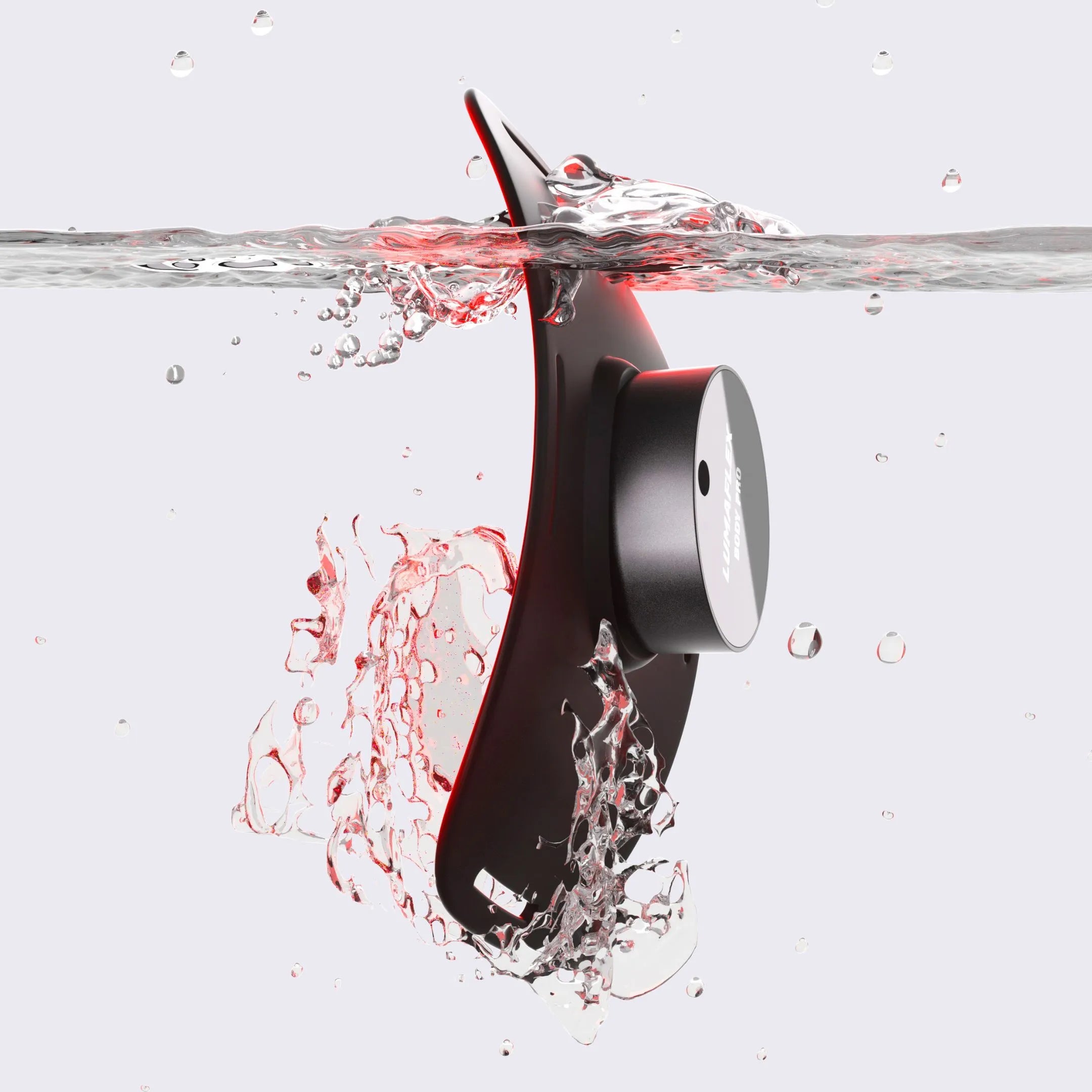
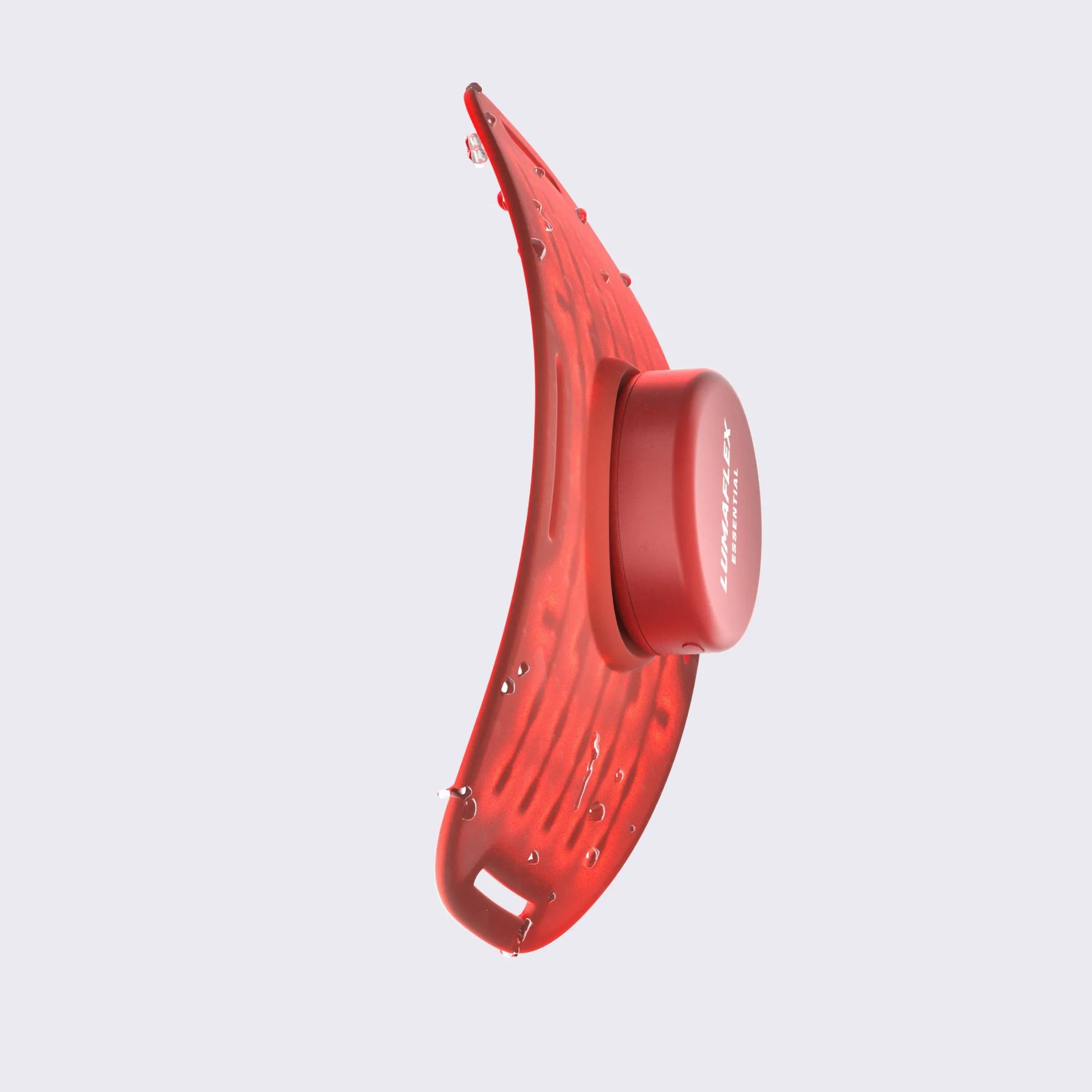
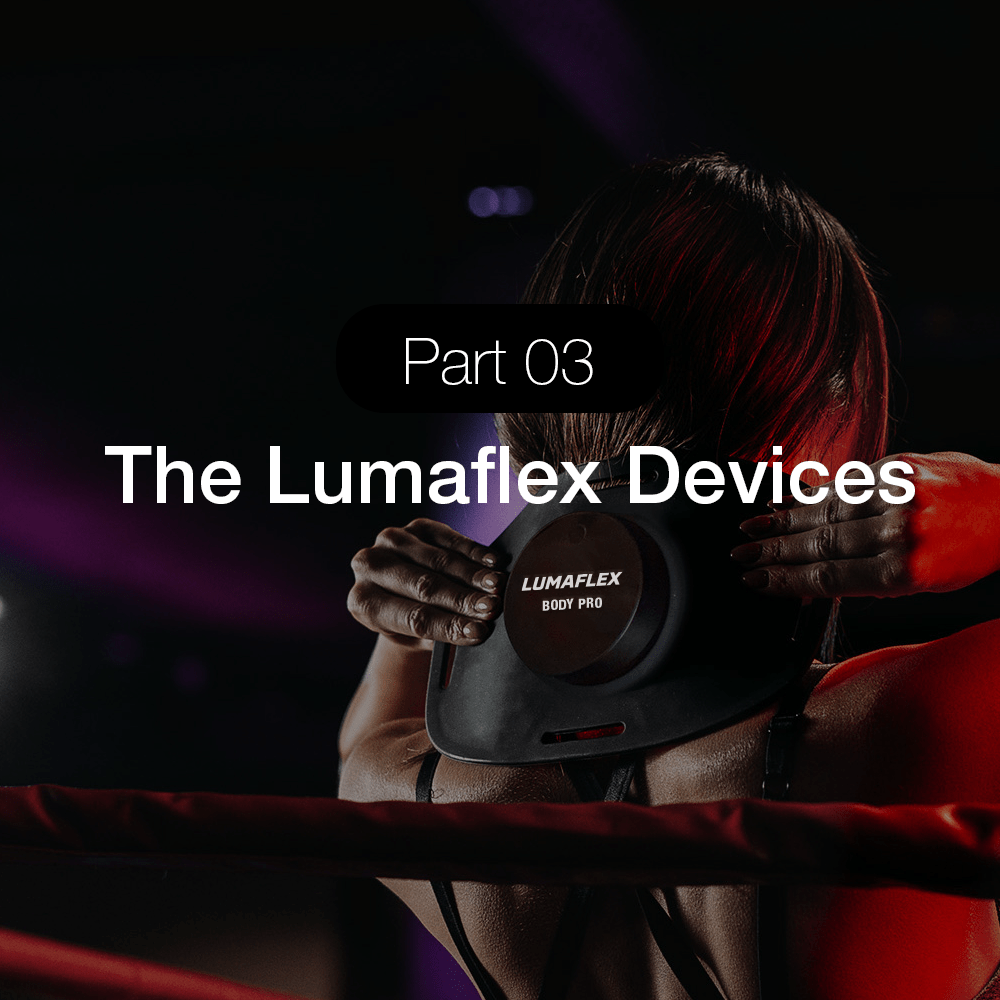
Devices like the Lumaflex Body Pro Kit and Essential Pro deliver both wavelength ranges, which is relevant here.
Placement
For cardiovascular and vascular effects, placement matters. Aim for areas where major vessels are accessible:
- Chest — over the heart and major vessels, supports systemic circulation
- Upper back — mirrors the chest placement for broader coverage
- Inner wrists — directly over the radial artery, one of the most accessible vascular sites on the body
- Lower neck — near the carotid artery, another major vessel, though keep sessions brief and avoid the eyes
Session Duration and Frequency
- Duration: 10–15 minutes per session per placement area
- Frequency: Daily use, or at minimum 5 times per week. Vascular adaptation takes time and consistent exposure. Occasional sessions are unlikely to produce sustained effects.
- Timing: Morning use makes practical sense for circulation support throughout the day
What to Pair It With
Red light therapy is a supplement rather than a treatment in its own right. The scientific literature for the management of hypertension is unambiguous: exercise, decreased salt consumption, stress reduction, and adequate rest are well-established treatments supported by scientific study.
Track your blood pressure separately if you begin using RLT. Note changes and discuss them with your doctor. Do not adjust or stop any medication based on home device readings or perceived effects.
For a broader look at how to build a consistent red light therapy practice, the Lumaflex red light therapy routine guide covers how regular users structure their sessions for lasting results.
Is Red Light Therapy Safe Alongside Blood Pressure Medication?
This is probably the most important question for anyone reading this while managing hypertension.
The direct answer: red light therapy at the wavelengths used in home devices does not interact pharmacologically with antihypertensive medications. It is not absorbed into the bloodstream in the way drugs are. It does not affect how your medication is processed or metabolized.
That said, there are a few practical points to keep in mind:
- If you start to use red light therapy and you experience significant changes in the results from your blood pressure, inform your prescribing physician about this. They might consider some changes in your treatment regimen.
- Continue taking your prescribed medication as directed. Nothing in the current research on PBM justifies reducing or stopping antihypertensives based on home device use.
- Lumaflex devices hold FDA 510(k) clearance, which establishes a baseline safety standard for consumer use. This is meaningful when evaluating devices for use alongside medical care.
You can also read about how red light therapy supports circulatory health more broadly for additional context on safety and vascular applications.
Consult your doctor before starting any new complementary health practice, particularly if your hypertension is not yet well-controlled.
Frequently asked questions (FAQs)
Can red light therapy lower blood pressure?
From the research, it could potentially help reduce blood pressure via increased nitric oxide and endothelial dysfunction. According to a meta-analysis conducted in 2025, this could have been achieved in both animals and humans although it was deemed very uncertain owing to the small sample sizes. It should be used alongside other more proven techniques.
What wavelength of red light is best for blood pressure?
There is solid scientific backing for vasodilative and nitric oxide effects within the 630-670 nm wavelength band. The near-infrared wavelength of 850 nm may have wider applications for anti-inflammatory and systemic purposes, particularly when used alongside red light.
How long does red light therapy take to affect blood pressure?
There is no established human timeline yet. Animal research used sessions three times per week over extended periods. Vascular changes require consistent exposure over weeks, not days. Daily or near-daily use over several weeks is the reasonable starting point.
Is red light therapy safe if I have hypertension?
Red light therapy is generally deemed safe for people suffering from hypertension at regular wavelengths of devices used at home. It is always advisable to seek advice from your physician prior to engaging in the practice, especially if you are taking any drugs or have cardiac implants such as pacemakers.
Does red light therapy improve circulation?
Yes, improved circulation is one of the better-documented effects of PBM, mediated through nitric oxide release, vasodilation, and improved red blood cell function. This is also the basis for its use in conditions like lymphedema and lymphatic drainage and varicose vein discomfort.
What the Evidence Currently Supports
Red light therapy is not a remedy for high blood pressure. It should never be considered a substitute for medication and professional advice, which are proven scientifically to be the best options available.
What it is: an upcoming field of cardiovascular studies where the biological pathway is well-defined; there is a substantial amount of literature based on animal and preliminary human trials; and its safety level qualifies it to be used as a supplemental method by health-conscious individuals seeking to maintain their vascular function.
The nitric oxide pathway is real. The anti-inflammatory effects are documented. The early human research is promising enough that researchers are running structured RCTs to explore it further.
In case you wish to incorporate the use of red light therapy within your overall plan to maintain good heart health, then the Lumaflex Body Pro Kit and Essential Pro are FDA-approved instruments providing the most relevant wavelength spectrum of red light for cardiovascular health, namely 630 nm, 660 nm, and 850 nm.
As usual: consult your physician before trying out any complementary technique, keep taking your medication and checking your BP using regular methods.
Medical Disclaimer: This paper does not serve as medical advice; it’s purely informational in nature. Red light therapy cannot be regarded as a treatment method or cure for hypertension or any other form of cardiovascular disease. Consult a doctor before making any alterations to your current health regime or adopting any new complementary therapy methods. Don’t stop or modify any prescription drugs based on the content of this article. Those who have undergone a cardiac surgery and received artificial heart devices like pacemakers must refrain from using red light therapy until advised by their cardiologist.
References
Espósito, B. P., da Silva, M. A., & colleagues. (2025). Photobiomodulation therapy in hypertension management: A systematic review and meta-analysis. Journal of Clinical Medicine, 14(19), 6716. https://doi.org/10.3390/jcm14196716
Kashiwagi, S., Morita, A., Yokomizo, S., Ogawa, E., Komai, E., Huang, P. L., Bragin, D. E., & Atochin, D. N. (2023). Photobiomodulation and nitric oxide signaling. Nitric oxide : biology and chemistry, 130, 58–68. https://doi.org/10.1016/j.niox.2022.11.005
Keszler, A., Brandal, G., Baumgardt, S., Ge, Z. D., Pratt, P. F., Riess, M. L., & Bienengraeber, M. (2014). Far red/near infrared light-induced protection against cardiac ischemia and reperfusion injury remains intact under diabetic conditions and is independent of nitric oxide synthase. Frontiers in physiology, 5, 305. https://doi.org/10.3389/fphys.2014.00305
Oishi, P., Mori, M. A., & colleagues. (2024). Long-term effects of photobiomodulation therapy on blood pressure in obese rats induced by a high-fat diet. Lasers in Medical Science, 39(1). https://doi.org/10.1007/s10103-023-03950-8
Isabella, A. P. J., Silva, J. T. C., da Silva, T., Rodrigues, M. F. S. D., Horliana, A. C. R. T., Motta, L. J., Bussadori, S. K., Pavani, C., & Silva, D. F. T. D. (2019). Effect of irradiation with intravascular laser on the hemodynamic variables of hypertensive patients: Study protocol for prospective blinded randomized clinical trial. Medicine, 98(14), e15111. https://doi.org/10.1097/MD.0000000000015111
World Health Organization. (2023). Hypertension: Key facts. https://www.who.int/news-room/fact-sheets/detail/hypertension