Perimenopause Symptoms? What Red Light Therapy Actually Does

Red Light Therapy for Perimenopause: A Symptom-by-Symptom Relief Guide
Reviewed for clinical accuracy. References cited throughout. This article was written by the Lumaflex editorial team and reviewed against peer-reviewed literature in photobiomodulation, dermatology, and women's health.
Nobody tells you that perimenopause can start in your late 30s. Or that it can last up to ten years. Or that the symptoms at 3 a.m. Wake-ups, the joint aches that appear from nowhere, and the brain fog that makes you wonder if something is seriously wrong can actually be worse during this transitional stage than during menopause itself.
It seems that most of the information available caters to women who have already entered their post-menopausal stage. For those of you who are battling changing hormone levels, inconsistent menstrual periods, and all the other symptoms that come along with it, you’re not alone. A 2025 study published by Cureus states that menopause affects 1.5 million women each year with perimenopause lasting anywhere from two to eight years. Symptoms include hot flashes, insomnia, emotional instability, and joint pains.
One approach that is gaining serious clinical attention is red light therapy (RLT). Not as a hormone treatment; it is not that, but as a cellular-level tool that addresses many of the physical symptoms perimenopause produces. This guide breaks down what the research shows, what it does not show, and how to use it practically at home.
What makes perimenopause different from menopause
Perimenopause does not represent a light foretaste of menopause; it is a phase marked by irregular hormonal fluctuations instead of a gradual drop in hormones and occurs in the mid-40s, but could appear as early as the late 30s.
This is what makes all the difference. The fluctuations are such that one's hormone levels may fluctuate wildly over the course of a single week. It is because of this reason that many women find perimenopausal symptoms more difficult to cope with than those experienced after menopause. For instance, hot flashes affect 30-70 percent of women in the first stage of perimenopause and almost double that percentage by the time the perimenopausal phase comes to an end.

Your official entry into menopause occurs when you've gone 12 months without your period. Before that time, you are in perimenopause, during which all symptoms are legitimate, even those not often mentioned, such as joint pain, brain fog, and skin changes unrelated to sun exposure.
It is important to appreciate the difference in this regard since some treatments that prove effective at menopause will fail to cater for the hormonal changes associated with perimenopause. This is why red light therapy is significant as far as the topic is concerned, since the approach treats the symptoms at the cellular level irrespective of hormone levels.
How red light therapy works
Red light therapy, also known as photobiomodulation (PBM), uses specific wavelengths of red (630–700 nm) and near-infrared (800–850 nm) light to stimulate biological processes inside your cells. The light is absorbed by mitochondria, the energy-producing structures inside every cell triggering an increase in ATP (adenosine triphosphate) production, which is essentially the fuel your cells run on.

The downstream effects of this cellular energy boost are well-documented across sports medicine, dermatology, and pain research:
- Reduced production of pro-inflammatory cytokines
- Improved blood flow and oxygen delivery to tissues
- Stimulation of collagen synthesis
- Support for nerve function and tissue repair
None of this is specific to perimenopause. But several of these mechanisms directly address the most common perimenopausal complaints — which is where the practical case for RLT comes in.
For a deeper look at the mechanism, see our full guide to how red light therapy works.
The 8 perimenopause symptoms red light therapy may help

1. Hot flashes and night sweats
The most commonly reported symptoms experienced during perimenopause include hot flashes, which affect about 75% of women during their period of transition. Hot flashes happen due to the variations in levels of estrogen causing the brain’s thermostat region, the hypothalamus, to be overly sensitive to slight shifts in temperature.
Red light therapy does not directly regulate the hypothalamus, but it does improve circulation and has demonstrated anti-inflammatory effects on vascular tissue. Improved blood vessel function can reduce the intensity of the dilation response that causes hot flashes to feel so overwhelming. Several clinical observations note that women using whole-body red light therapy report reductions in hot flash frequency, though large-scale randomized controlled trials focused specifically on perimenopause are still limited.
What is well-established is that poor sleep, which night sweats cause, creates a vicious cycle of increased cortisol, which in turn worsens thermoregulation. RLT's effect on sleep quality (see below) makes it indirectly useful for hot flash management even if the direct mechanism is still being studied.
2. Joint pain and morning stiffness
Joint pain during perimenopause is one of the most under-discussed symptoms, yet it is genuinely common. This is because estrogen helps to keep the cartilage in shape and minimize any inflammation in the body. With the onset of hormonal imbalance, joint pain can be experienced by many women..
This is where the RLT research base is strongest. Multiple controlled studies have demonstrated that photobiomodulation reduces inflammation markers, improves collagen synthesis in connective tissue, and increases range of motion in conditions including osteoarthritis and rheumatoid arthritis. A review in Photomedicine and Laser Surgery confirmed that near-infrared wavelengths (around 850 nm) penetrate deep enough to reach joint capsules and surrounding tissue, making them particularly effective for musculoskeletal pain.
When dealing with joint pains that occur due to perimenopause, using the Lumaflex device on the joints including the knees, hips, wrists, and shoulders has yielded positive results within the general pain literature and is consistent with the FDA approved applications of Lumaflex.

3. Brain fog and poor concentration
Cognitive effects in the perimenopause stage like trouble focusing, not remembering words while speaking, and having the feeling that you have become mentally dull are rarely studied but common complaints. Estrogen is responsible for neuroprotection and regulates neurotransmitters such as serotonin and dopamine and brain blood flow. When these levels change, the functions become unstable.
Transcranial photobiomodulation has demonstrated preliminary efficacy in enhancing the efficiency of mitochondria in brain cells, increasing blood circulation in the brain, and perhaps helping to maintain neurotransmitter balance. According to studies published by Frontiers in Neuroscience, near-infrared radiation enhanced cognition and mood parameters in individuals experiencing brain fog and fatigue symptoms, although the study did not specifically target menopausal women.
It makes perfect sense: the more energy is available in brain cells, the better circulation of blood is achieved in the prefrontal cortex; as a result, clear thinking can be expected. Early studies involving perimenopausal women who undergo whole-body red light treatment have already shown that improvement in mental clarity becomes a secondary effect in such cases.
4. Sleep disruption
Sleep disturbances during perimenopause are usually treated as a side effect of night sweats. They are also caused directly by hormonal shifts that affect melatonin production and circadian rhythm stability meaning women can struggle to sleep even on nights when hot flashes are absent.

However, the study on sleep effects of red light therapy is one of the most robust studies within the field. According to a study published in the Journal of Athletic Training, 14 days of exposure to red light showed an improvement in sleep quality and increased melatonin levels. According to another study conducted in 2023, subjects exposed to red light before bedtime had lower sleep latency and better sleep quality than subjects exposed to white light.
This is based on the circadian rhythm: unlike blue or white light, which inhibits melatonin production, red light and infrared do not. Evening application seems to promote the maintenance of normal melatonin cycles rather than inhibit them. Considering that perimenopausal women have compromised sleep to begin with, RLT is a sensible choice for the evening.
Timing note: For sleep support specifically, use red light therapy 30–60 minutes before bed rather than immediately before lying down.
5. Mood swings and low energy
The mood swings associated with perimenopause, including irritability, anxiety, depression, and emotional instability, occur due to hormones and due to other symptoms such as insomnia and tiredness. The hormone estrogen affects serotonin production, which changes along with estrogen.
Red light therapy has shown an ability to support mitochondrial ATP production in neurons, which has downstream effects on neurotransmitter activity including serotonin and dopamine. The broader photobiomodulation literature has documented mood improvements as a secondary finding in pain, sleep, and recovery research — women consistently report feeling better, not just less sore.
EMBRACE PERIMENOPAUSE study in the journal Cureus in 2025 investigated the effect of the Menopause Rating Scale (MRS) on perimenopausal symptom intensity during two months of non-hormonal therapy. By the 60th day, 91% and 90% of patients experienced improvement of their anxiety and depressive mood symptoms, respectively, indicating that the improvement in quality of life scores rather than isolated symptoms takes place due to perimenopausal symptom management. This research studied nutraceuticals as opposed to RLT but supports the effectiveness of perimenopausal mood symptoms treatment regardless.
6. Skin thinning and dryness
Changes in skin during perimenopause will be the earliest indicator that things have started changing. This is because estrogen helps in the formation of collagen as well as keeping the skin moisturized and elastic. With the hormonal changes, there might be thinning of the skin, dryness, and slow healing.
The collagen-inducing properties of red light therapy are one of the most thoroughly studied aspects within all research into RLT. Red wavelengths between 630 and 660 nm have been proven in several clinical studies to enhance fibroblast function, increase the production of collagen type I, and boost skin hydration. Regarding the aging process that occurs before menopause, using this treatment method consistently, especially for facial and neck skin, will provide visible results in eight to twelve weeks.
7. Vaginal dryness and pelvic discomfort
One of the most disruptive symptoms of perimenopause is also one of the least discussed: changes to vaginal tissue. As estrogen levels fluctuate and begin to decline, the tissue lining the vaginal walls can become thinner, drier, and more sensitive — a cluster of symptoms collectively termed genitourinary syndrome of menopause (GSM). Women in the early perimenopausal stage often notice this years before their periods stop entirely.
Red light therapy applied to the pelvic region works through the same mechanisms that make it effective for skin and joint tissue: stimulating fibroblast activity, improving local blood flow, and supporting collagen synthesis in mucosal tissue. Near-infrared wavelengths penetrate deep enough to reach pelvic floor structures and the surrounding tissue bed.
The research here is still emerging compared to, say, joint pain. However, early clinical observations and practitioner reports note improvements in tissue hydration, sensitivity, and comfort with consistent use. External application to the lower abdomen and pelvic floor region (not internal use) is the appropriate approach for at-home devices such as the Lumaflex. For women who experience bladder urgency or pelvic floor tension alongside dryness, the anti-inflammatory and circulation effects of RLT offer additional rationale for pelvic placement.
Device placement: lower abdomen and inner thigh / pelvic floor region. 10–15 minutes per session. Use the near-infrared (850 nm) setting for tissue depth.
8. Hair thinning and shedding
Many women notice their hair changing before they recognize any other perimenopausal symptom. Hair may become finer, shed more during washing, or lose volume gradually. This happens because hair follicles are sensitive to hormone fluctuations — particularly the ratio shift between estrogen and androgens that occurs during perimenopause.
Red light therapy has one of its stronger evidence bases in this area. Multiple clinical studies on androgenetic alopecia (pattern hair loss) have demonstrated that low-level laser and LED light at wavelengths between 630–670 nm stimulates follicular cell metabolism, improves blood flow to the scalp, and can meaningfully reduce hair shedding and increase density over 16–26 weeks of consistent use. While these studies focus on androgenetic alopecia rather than hormone-related shedding specifically, the follicular biology is similar enough to make the findings relevant.
This is not a rapid fix. Hair growth cycles are slow, and results take longer than with skin or sleep benefits — but they are measurable and clinically documented.
What the research actually says — and what it does not
There is a temptation in wellness content to present early-stage research as settled science. We are not going to do that.
The honest picture is this: the research on red light therapy for many of the conditions that affect perimenopausal women — joint pain, skin aging, sleep disruption, inflammation — is solid and growing. The research on RLT applied specifically to perimenopausal women as a population is limited. Most studies examine these symptoms individually in mixed-age populations, or examine menopause-stage women rather than perimenopause-stage.
The EMBRACE PERIMENOPAUSE study (Cureus, 2025) is valuable because it formally documents the symptom burden of perimenopause and validates multi-symptom, nonhormonal approaches [1]. It does not study red light therapy — but it establishes the clinical legitimacy of seeking symptom relief outside of HRT, which RLT fits squarely within.
The strongest evidence for RLT in this context covers: joint pain reduction, collagen support, sleep quality improvement, hair follicle stimulation, and general anti-inflammatory effects. The emerging evidence covers: mood support, cognitive function, circadian rhythm regulation, and pelvic tissue health. The areas needing more research include: direct effects on hot flash frequency, vaginal symptom relief specific to perimenopause, and perimenopausal-specific hormone modulation.
RLT is not a replacement for hormone replacement therapy if HRT is appropriate and recommended for you. It is a complementary, nonhormonal, non-invasive tool — one that many women use alongside HRT, or as a first step when HRT is not yet indicated or desired.
How to use red light therapy during perimenopause: a practical protocol
This is the section most guides skip. Here is how to actually use it.

Device recommendations
- Skin, Mood and Sleep: Wavelengths should be more on the red end (630-660nm)
- Joint pain, Muscle Pain and Deep Tissue Healing: Near Infrared (850nm) Wavelength is best suited
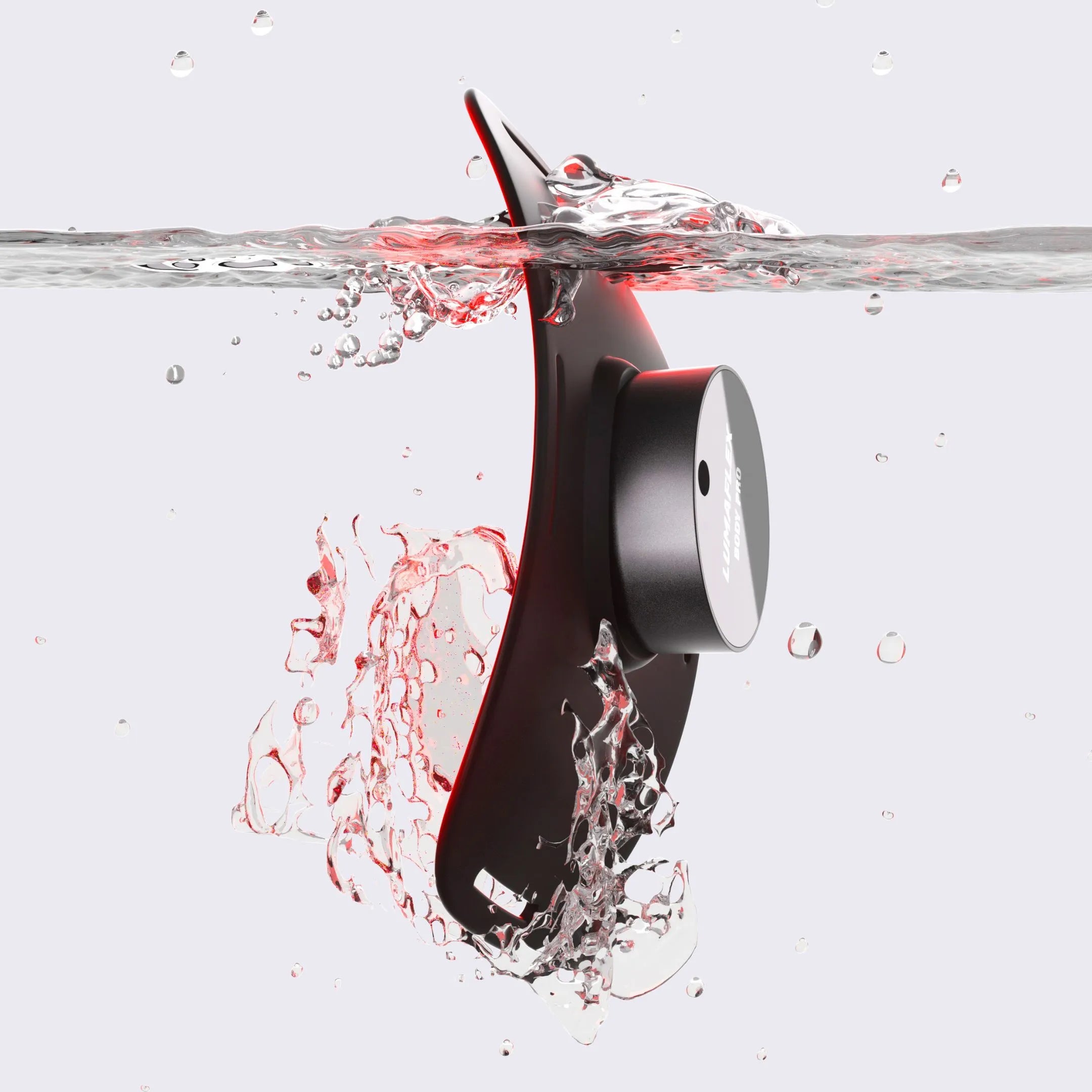
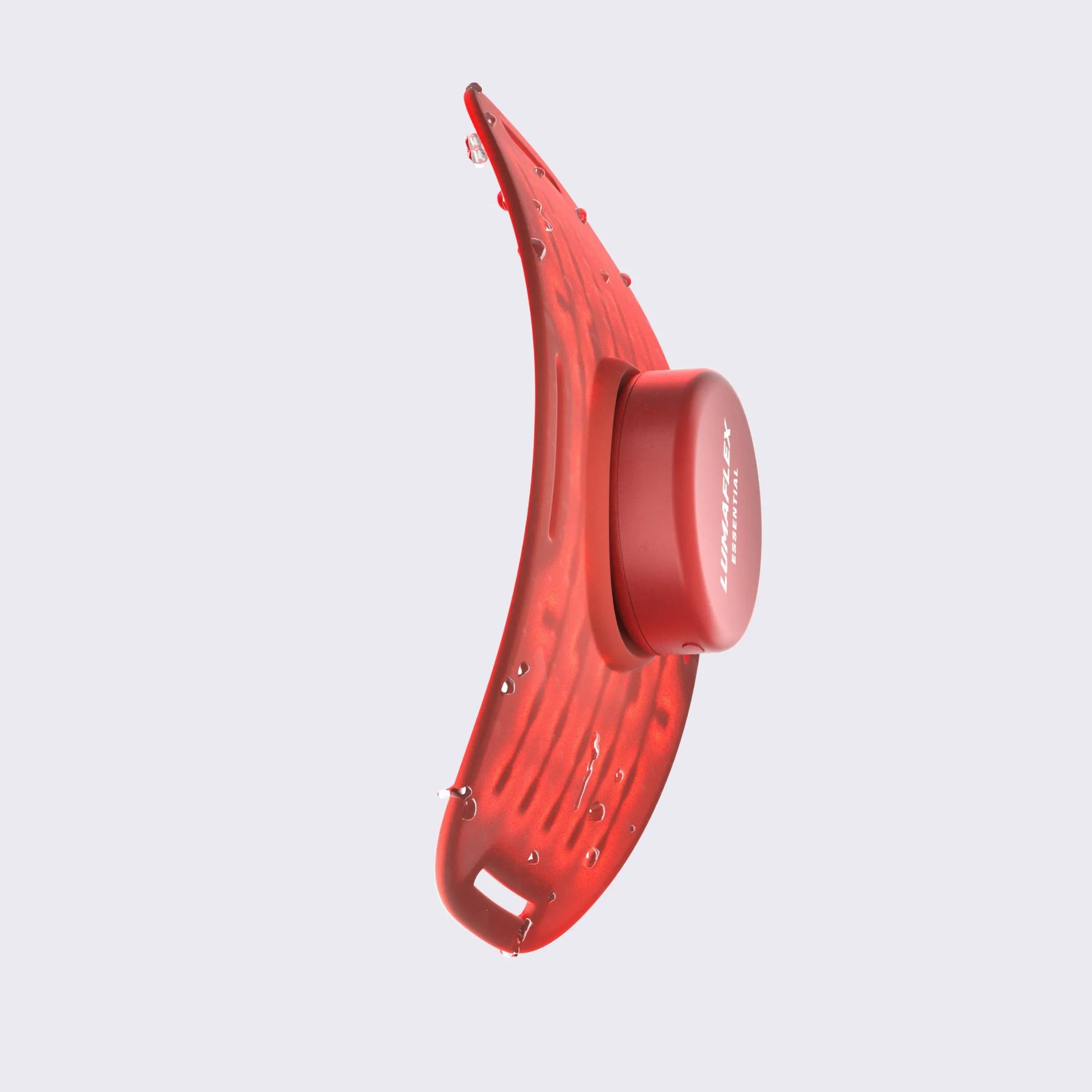
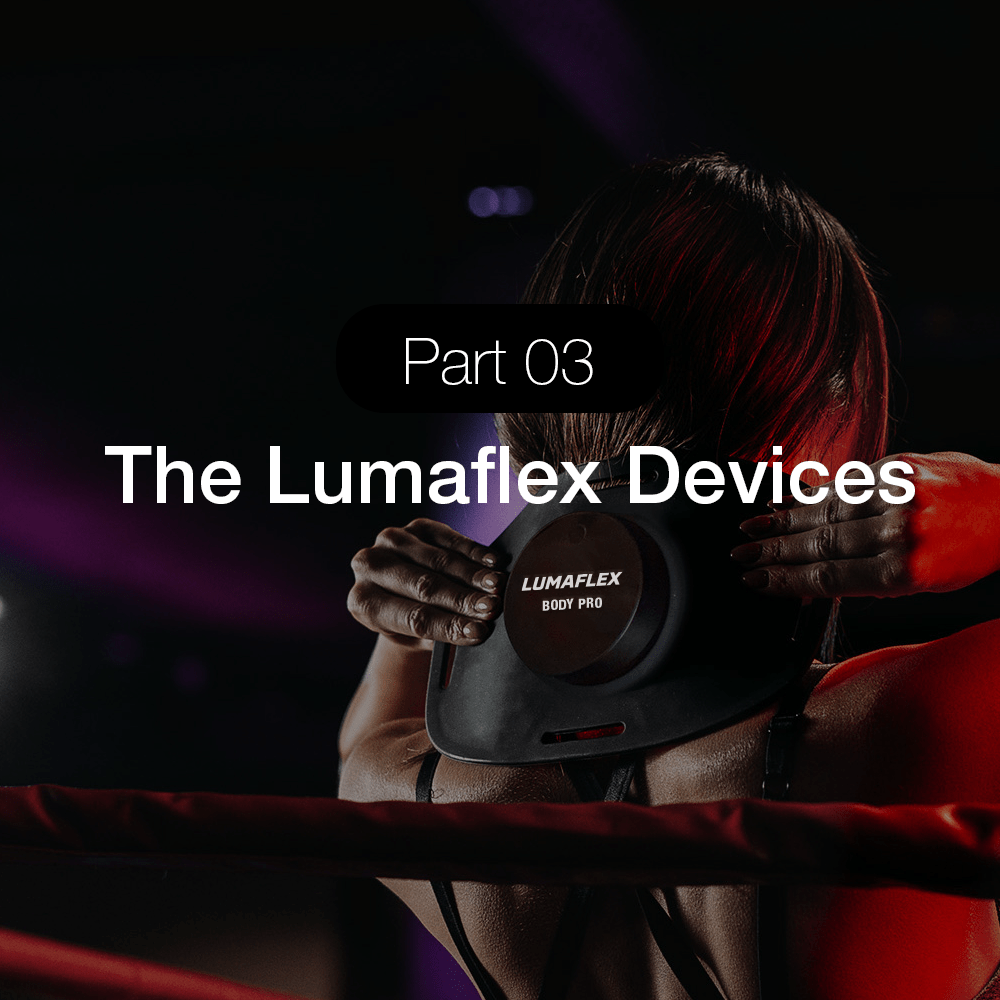
- Both the Lumaflex Body Pro and Essential Pro offer both wavelengths which suit the multi-symptom condition of perimenopause
Session duration 10–20 minutes per session: The 10-minute regime for Lumaflex was made to be consistent — shorter but more frequent sessions work better than occasional longer ones.
Frequency: Once a day or at least 5 times a week for at least 8 weeks before any notable changes can be seen. Women start seeing changes in sleep and skin after 3–4 weeks, while joint pain takes longer..
Timing by symptom
- Morning (after waking): best for energy, mood, and cognitive clarity — helps set circadian rhythm for the day
- Evening (30–60 minutes before bed): best for sleep support and skin recovery
- Any time: joint pain, muscle soreness, skin
Placement by symptom
| Symptom | Where to place the device |
| Hot flash intensity / circulation | Lower back, abdomen, back of neck |
| Joint pain | Directly over the affected joint |
| Brain fog / cognitive support | Back of the neck, base of skull |
| Sleep support | Chest, back, or general full-body |
| Skin thinning / dryness | Face, neck, décolletage |
| Mood / energy | Chest and upper back |
| Vaginal dryness / pelvic discomfort | Lower abdomen, inner thighs / pelvic floor |
| Hair thinning | Directly over scalp (part hair for contact) |
Combining with other approaches RLT works well alongside: magnesium supplementation (especially for sleep), resistance training (for joint and bone support), and mindfulness practices. It does not interfere with HRT, nutraceuticals, or standard perimenopausal medications.
Can you use red light therapy alongside HRT or other treatments?
Yes. Red light therapy is not hormonal therapy. It does not affect hormones in any clinical manner at the dose used in home devices.
It means that one can use this treatment without worry while on hormone replacement therapy, low dose antidepressants that have been prescribed due to mood swings during perimenopause, nutraceuticals, or any other recommended treatment. This is because RLT utilizes anti-inflammatory and mitochondrial pathways and not hormonal pathways, hence no interactions.
For those who may be thinking about RLT instead of HRT, it is always a good idea to consult their physician about whether or not RLT is right for them. There are certainly patients who have wonderful experiences with HRT. However, there are also those who would like to avoid hormones for a variety of reasons. RLT fits into this latter category.
The FDA 510(k) clearance that Lumaflex devices hold means they have been evaluated for safety and efficacy by the US Food and Drug Administration, which matters when choosing a device to use consistently over months or years.
Frequently asked questions (FAQs)
Does red light therapy help with hot flashes?
Studies show that RLT can help reduce the intensity of hot flashes via better circulation and anti-inflammatory properties, although it will not be able to completely stop hot flashes from occurring, especially in cases where hot flashes are very intense.
Is red light therapy safe during perimenopause?
Yes. Red light therapy with wavelengths between 630 and 850 nanometers is not ionizing and does not impact hormonal balances. It is deemed safe when used on a daily basis by healthy individuals. However, active cancer, medication that causes photosensitivity, and direct exposure to the eyes are considered contraindications.
How long before I see results?
Results from using this product for sleep and improvement in skin usually become evident in 3-4 weeks of continuous application. Results for joint pain may take around 6-8 weeks before being noticed. Results in mood and cognition have varied greatly from two weeks for one woman to much longer for others.
Where do I place the device for perimenopause specifically?
There is no single placement because perimenopause is a multi-symptom condition. Start with the areas tied to your most disruptive symptoms. For most women, a daily 10-minute session on the lower back and abdomen (circulation, hot flashes) combined with a second session on the face and neck (skin, sleep) covers the most ground efficiently.
Can I use red light therapy if I am on HRT?
Yes, as it is not affected by hormone replacement treatment. A lot of females take both treatments since they go hand in hand because while HRT deals with hormones, RLT takes care of all the rest such as inflammation and insomnia.
Does red light therapy work for perimenopause-related weight changes?
The evidence for RLT and fat reduction is modest and not perimenopause-specific. It may support body composition changes when combined with exercise by improving muscle recovery and energy levels, but it should not be considered a weight management intervention on its own.
Can red light therapy help with vaginal dryness during perimenopause?
External red light therapy applied to the pelvic region may support tissue hydration and blood flow in the surrounding area, which some women find helpful for comfort and sensitivity. This is an emerging area of research rather than a well-established one. At-home use involves external placement on the lower abdomen and pelvic floor — not internal application. If vaginal dryness is significantly affecting your quality of life, discuss all available options with your healthcare provider, as topical estrogen and other targeted treatments also have strong evidence.
Does red light therapy help with hair thinning during perimenopause?
Yes — this is one of the better-supported applications. Clinical studies in androgenetic alopecia show that red light at 630–670 nm stimulates hair follicle metabolism and reduces shedding over consistent long-term use. Perimenopausal hair thinning involves a different hormonal trigger, but the follicular pathway is similar. Results are slow — allow 16–20 weeks — and consistency matters more here than with other symptoms.
A note on self-care during perimenopause
If you are reading this in the middle of managing perimenopause alongside everything else life asks of you — this is worth saying plainly: ten minutes a day is not indulgent. Managing inflammation, sleep quality, and joint function during this stage is preventative health, not a luxury.
The Body Pro Kit is FDA 510(k)-cleared and designed for exactly this kind of consistent, at-home use.
References
Choudhury R, Coelho K, Suryawanshi S, Hajare A, Kumar A. Effectiveness of Multisymptom Support for Better Relief and Alleviation of Common Effects in Perimenopause (EMBRACE PERIMENOPAUSE). Cureus. 2025;17(6):e86091. doi:10.7759/cureus.86091
Pan, R., Zhang, G., Deng, F., Lin, W., & Pan, J. (2023). Effects of red light on sleep and mood in healthy subjects and individuals with insomnia disorder. Frontiers in psychiatry, 14, 1200350. https://doi.org/10.3389/fpsyt.2023.1200350
Zhao, J., Tian, Y., Nie, J., Xu, J., & Liu, D. (2012). Red light and the sleep quality and endurance performance of Chinese female basketball players. Journal of athletic training, 47(6), 673–678. https://doi.org/10.4085
This article is for informational purposes only and does not constitute medical advice. Always consult a qualified healthcare provider before starting any new treatment, particularly if you are managing a diagnosed health condition or taking prescription medications.