How to Build a Red Light Therapy Routine That Lasts

How to Build a Red Light Therapy Routine That Fits Real Life
Red Light Therapy Routine. Most wellness tools don’t fail because they don’t work. They fail because they’re hard to use consistently.
Red light therapy falls into that category. The device arrives with good intentions, gets used a few times, then slowly slips out of the daily rhythm. Not from lack of belief, but from friction. The setup feels heavier than expected, and uncertainty around “doing it right” slows everything down.
This kind of routine holds up in real days, not ideal ones or perfect schedules. That means repeatable sessions, low effort, and no pressure to follow perfect protocols.
This guide focuses on what keeps the routine going. You’ll learn how to build a red light therapy routine that works at home and holds up over time without turning into another thing to manage. The goal isn’t optimization. It’s something you’ll actually stick with.
Why Having a Red Light Therapy Routine Matters
Photobiomodulation responds to repetition. The benefits of red light therapy build through steady exposure, not isolated sessions spaced weeks apart. A single use can feel good, but progress comes from showing up again and again.
Irregular use weakens results over time. Progress never gets a rhythm, so it fades before it can settle. It’s not about discipline or trying harder. It’s what happens when sessions feel optional instead of normal. Once that happens, the routine stops doing its job.
A routine removes that friction. Daily red light therapy works because it stops requiring thought. Once it has a place, consistency follows naturally. The routine feels familiar, and starting takes less effort than before.
This is where red light therapy self care works best. Habit-building matters more than optimization or protocol stacking. Keeping the routine simple makes it easier to repeat, which is what gives the therapy room to support long-term wellness.
What Makes a Red Light Therapy Routine Sustainable
Low effort keeps routines alive longer than intensity ever does. A red light therapy routine that demands long sessions or constant adjustments rarely survives beyond the first burst of motivation. Short sessions repeated regularly fit into daily life without friction. At home, consistency matters more than session length. Five to ten minutes most days will always outperform longer sessions that require planning, setup, and recovery time.
The environment shapes habits more than motivation does. Red light therapy at home succeeds when the device lives where it’s easy to use, not where it looks best. A chair that’s already there. A spot you pass every morning or evening. Familiar surroundings lower the barrier to starting. Timing works the same way. An at home wellness routine sticks when it attaches to moments that already exist, not when it competes with them. Predictability lowers effort and keeps the routine going.
How to Start a Red Light Therapy Routine at Home
At home, the routine works best when it bends to your day instead of reshaping it. Red light therapy doesn’t need ideal conditions to be effective. It needs a spot that feels easy to return to.
Choose a Time That Fits Your Day
The best time for a red light therapy routine is the time you’ll actually remember. Some people prefer morning use as a gentle way to ease into the day. Others use red light therapy in the evening to wind down. Both work when they’re consistent.
Anchoring sessions to existing habits removes friction. A routine holds best when it attaches to something that already happens, such as:
- After a shower
- Before bed
- During stretching or quiet time
Rigid scheduling creates pressure, and pressure is often what causes routines to break.
Keep Sessions Simple
Short sessions lower the barrier and make repetition easier. Longer sessions tend to invite hesitation.
Start with one or two areas, then expand coverage over time. A gradual build always beats an aggressive start.
Create a Calm, Repeatable Setup
Setup determines follow-through. A comfortable position and consistent distance remove guesswork and make each session easier to start.
An at home wellness routine works best when the environment stays predictable. The device stays in the same place, the setup stays simple, and friction stays low. Over time, the routine fades into the background instead of feeling like something else to manage.

Where Red Light Therapy Fits Into a Self-Care Routine
Red light therapy self-care works best when it supports moments that are already calm and unhurried. It pairs naturally with practices that slow the body down, rather than compete for attention. Stretching, light breathwork, or simple quiet time give the session space without turning it into another task.
A photobiomodulation routine supports recovery, skin health, and overall wellness through consistent use. The benefits build through steady exposure over time, not from one-off or standalone use.
Red light therapy reinforces what your broader self-care practices are already doing, rather than replacing sleep, movement, or stress management.
Common Mistakes That Make Red Light Therapy Hard to Stick With
Most routines fall apart because they ask for too much, too soon. Overdoing session length turns a simple habit into a time commitment, and time commitments are the first thing to disappear when schedules shift.
Complex protocols create the same problem. Multiple settings, rotating schedules, and rigid rules add mental load without improving consistency. A red light therapy routine holds when it feels obvious, not when it feels optimized.
Expecting instant results undermines patience. Photobiomodulation works gradually, and early gains are easy to miss when expectations are set too high. Progress builds in ways that aren’t always obvious at first.
All-or-nothing thinking finishes the job. Missing a session doesn’t break the routine, but treating it as failure often does. The routines that last are the ones that allow flexibility without giving up momentum.
A Routine That Works Because You’ll Use It
A red light therapy routine works when it stops feeling like a routine.
The sessions that add up are the ones that don’t require much thought, short, familiar, and easy to start even on busy or uneven days. When use becomes normal rather than intentional, consistency takes care of itself. That’s where photobiomodulation has the space to do what it does best: support the body over time through steady exposure.
There isn’t a perfect setup or schedule to aim for. If the routine fits into your day without pressure, and you return to it more often than not, it’s doing its job.
If You Want Something That’s Easy to Keep Using
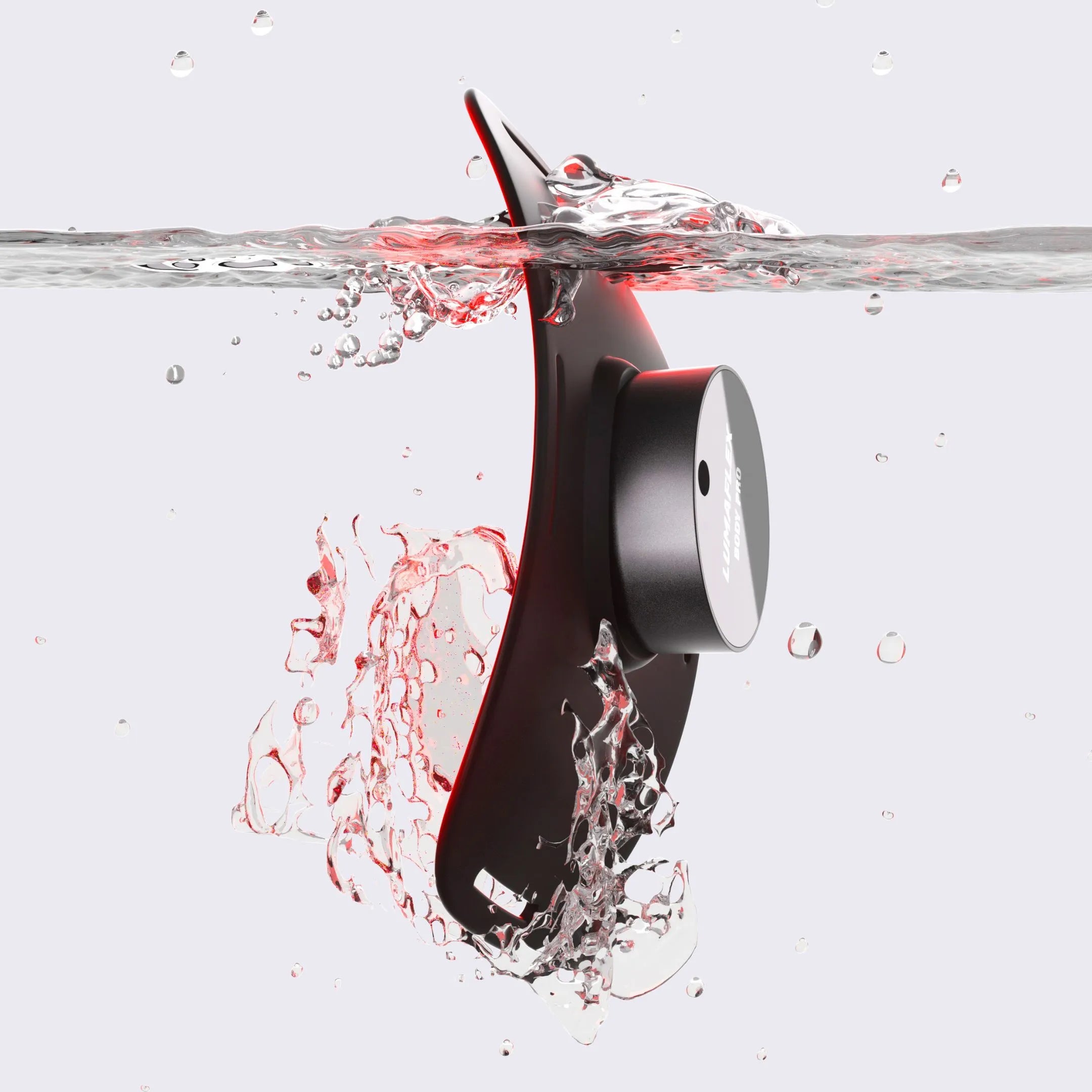
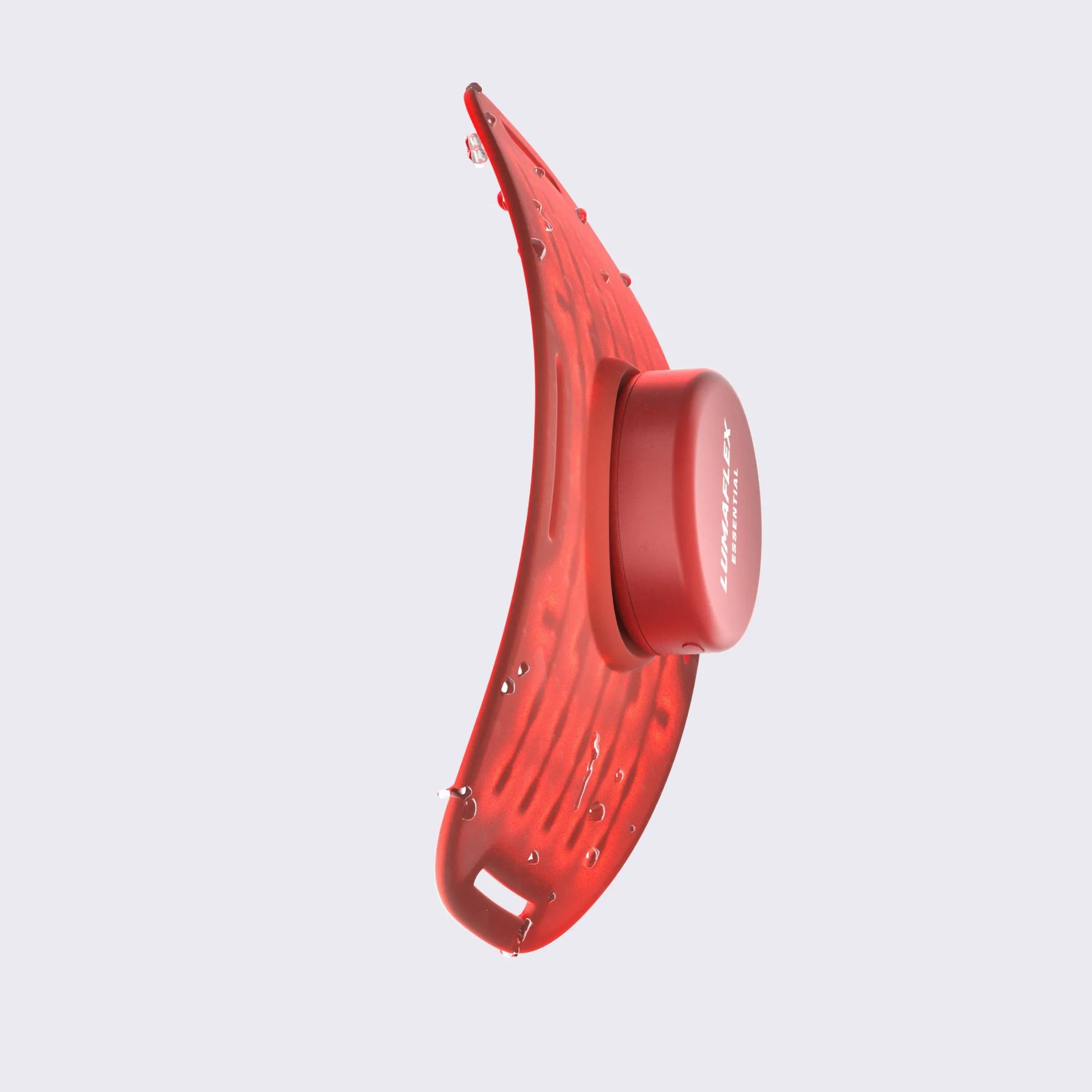
For people building a simple at-home routine, the Lumaflex Essential Pro offers a straightforward way to use red light therapy without adding complexity. It’s sized and structured for regular use, making it easier to keep sessions part of everyday life rather than something you have to plan around.
How often should you use red light therapy?
Most people use red light therapy 3–5 times per week, and some choose to use it daily if it feels comfortable and easy to maintain. The therapy responds best to regular exposure over time rather than occasional or inconsistent use. If daily use feels like pressure, a few consistent sessions each week is still effective.
Can you do red light therapy at home?
Yes. Red light therapy is commonly used at home with devices designed for personal wellness routines. At-home use removes the need for appointments or specialized settings. As long as you follow basic manufacturer guidelines and use the device as directed, home use is considered practical and convenient for routine-based care.
How long should a red light therapy session be?
Most sessions last 5–15 minutes per area, especially when starting out. Shorter sessions are often easier to repeat consistently and are less likely to cause irritation or fatigue. You can adjust session length gradually based on comfort and how your body responds over time.
What can you do during red light therapy?
You can sit, relax, or rest comfortably during a session. Light stretching, slow breathing, or quiet downtime are common choices. The goal is to keep the session low-effort, so anything that helps you stay relaxed without distraction works well as part of a red light therapy self-care routine.