Red Light Therapy for Shoulder Pain: Benefits & Research

Red Light Therapy for Shoulder Pain: Does It Actually Help?
Red light therapy for shoulder pain has been studied for its effects on inflammation, circulation, and tendon recovery. Clinical research reports improvements in pain scores and mobility in conditions such as rotator cuff strain, shoulder tendonitis, frozen shoulder, and arthritis-related stiffness. It does not repair complete tears, but measurable symptom relief has been documented in inflammatory and overuse-related shoulder conditions.
Shoulder pain rarely begins with a dramatic injury. An overhead reach feels tight. Sleeping on one side becomes uncomfortable. Gradually, movement loses fluidity and everyday tasks start to feel restricted.
The shoulder relies on coordinated muscle and tendon function to remain stable. Repetitive load, irritation, and degeneration shift that balance. Red and near-infrared light interact with mitochondria inside cells, influencing energy production and inflammatory signaling. This process is known as photobiomodulation.
The sections below look at where this therapy fits in shoulder recovery, where its limits are, and what the research actually shows.
Why Shoulder Pain Is So Common
Shoulder pain usually develops from specific tissue injuries or joint conditions. Effective red light therapy starts with identifying the root cause.
Here are the most common causes and how they affect the shoulder:

Rotator Cuff Injuries
The rotator cuff includes four muscles and their tendons that stabilize the shoulder during lifting, reaching, and rotation. It stays active through simple daily movements, whether pulling on a jacket or reaching into a cabinet. The job is basic but constant: keep the head of the shoulder joint centered while the arm moves.
Overhead use places repeated load on this tissue. Years of repetition, strength training, manual work, or simple aging can change how the tendons respond. The American Academy of Orthopaedic Surgeons reports higher rates of rotator cuff tears in adults over 40, often linked to gradual degeneration instead of one dramatic injury. Blood supply in this area is limited. Repair slows. Pain during overhead movement, weakness, and discomfort when lying on one side tend to show up first. Left under continued strain, the irritation does not always settle on its own.
Tendonitis and Bursitis
Repeated overhead use can leave the shoulder irritated long before anything tears. The tendons begin to feel thick, sensitive, reactive. Lifting, reaching, even small movements start to register. Bursitis is a similar pattern but involves the small fluid-filled sacs that cushion the joint. Once those structures are irritated, motion no longer feels smooth.
This type of shoulder pain usually builds from workload. Not dramatic. Not sudden. Just accumulation. Swelling and stiffness follow. Rotation becomes uncomfortable. Reaching overhead feels tight or sharp. Inflammation sits in the background of both problems, which is why therapies that address tissue environment and circulation get attention. Red light therapy for shoulder tendonitis shows up in that conversation as a non-invasive option layered into recovery rather than used as a stand-alone fix.
Frozen Shoulder
Frozen shoulder develops as the joint capsule gradually thickens and tightens. Movement becomes restricted little by little, not from a single injury but from a slow change inside the joint. Many people cannot point to a specific moment when it started.
Pain often shows up with overhead reach or when moving the arm behind the back. Simple things like fastening clothing become difficult. As stiffness increases, even slow, careful movement feels limited. Night discomfort is common in the earlier phase before the shoulder becomes fully restricted.
Inflammation inside the joint capsule plays a role in this process. The shoulder loses mobility because the tissue around the joint tightens and becomes reactive. Rest alone does not usually resolve it. Gradual movement and supportive therapies are typically needed to improve circulation and restore range of motion.
Shoulder Arthritis
Arthritis in the shoulder starts with cartilage wearing down. The smooth surface inside the joint becomes thinner, rougher. Movement changes. It does not glide the same way. Sometimes there is a grinding or catching sensation that feels new.
The ache sits deep in the joint. Not sharp like a strain. More constant. Stiffness after sitting still is common. Mornings can feel tight. Swelling may show up without much activity behind it. Range of motion shrinks gradually rather than all at once.
Inflammation remains part of the picture. The joint stays irritated. Management usually centers on keeping it moving and limiting flare-ups rather than trying to reverse the damage. Red light therapy for shoulder pain tends to enter the conversation in that context, alongside other strategies aimed at joint comfort.
How Red Light Therapy Targets Shoulder Tissue
Red light therapy works by helping cells make energy better. When red and near-infrared light hits the shoulder, it talks to the powerhouses inside cells called mitochondria. This interaction helps increase ATP. ATP helps fix, recover and keep cells working. So when ATP changes it can help muscle and tendon tissue deal with stress.
The shoulder is a joint that is not easy to reach. The tendons and some parts of the joint sit deep under layers of muscle. That is why infrared light is used. It can reach deeper into tissue than red light. During treatment, blood vessels relax in response to signaling changes. This helps irritated or worn-out areas receive more oxygen and nutrients.
Some studies in Lasers in Medical Science found that red light therapy reduces inflammation and supports collagen production. Collagen is important for keeping tendons strong, especially when they are injured or aging.
What the Research Says About Red Light Therapy for Shoulder Pain
Research on red light therapy for shoulder pain continues to expand. This is especially true for injuries to the tendons, when the joints get inflamed and when people have arthritis that hurts. Here is what we know far about red light therapy, for shoulder pain and what we do not know.
Red Light Therapy and Tendon Healing
A 2018 publication by Michael R. Hamblin in Photochemistry and Photobiology examined how red and near-infrared light influence cellular energy production and inflammatory signaling. The findings describe increases in ATP activity, changes in circulation, and modulation of tissue repair pathways. Reductions in tendon-related pain were also reported, particularly in cases involving inflammatory stress.
This research is frequently cited in discussions of shoulder tendonitis, rotator cuff strain, and overuse injuries. The data reflect improvements in symptoms and recovery indicators rather than structural regeneration of torn tendons.
Effects on Shoulder Inflammation
Inflammation drives much of the discomfort in tendonitis, bursitis, and impingement. The joint feels reactive. Movement changes. Swelling lingers in the surrounding tissue.
A 2024 review led by Lilian de Sousa Fidencio in the International Seven Journal of Multidisciplinary looked at photobiomodulation in inflammatory tendon conditions. Across the studies analyzed, reductions in inflammatory markers and pain levels were reported. The protocols differed from one trial to another, so dosage and timing remain areas of ongoing refinement rather than fixed standards.
H3. Joint Pain and Arthritis-Related Shoulder Pain
K. Moghissi and her team published in Photodiagnosis and Photodynamic Therapy a single case study that explains that red light therapy can improve shoulder capsulitis symptoms by reducing pain and improving movement.
A 2025 study in the Spie Digital Library implied that red light therapy with structured shoulder pain protocols and rehabilitation may support faster recovery outcomes post-surgery, achieving recovery within 8 weeks.
For details on how red light may aid pain relief and bone healing, read our article Red Light Wavelengths for Pain, Bone Healing & Recovery.
What the Evidence Really Shows
Across clinical studies, red and near-infrared light has been associated with lower pain scores and improved shoulder movement in certain inflammatory conditions. The gains show up in function and comfort rather than in rebuilt tissue. Complete tears and advanced structural damage fall outside what these trials address.
In practice, light therapy tends to sit alongside rehabilitation work rather than replace it. Physical loading, mobility, and medical oversight still shape the overall outcome. The role of light remains supportive, not corrective.
Can It Help Specific Shoulder Conditions?
Shoulder pain rarely comes from a single source. Sometimes it is tendon irritation. Sometimes it is joint stiffness that builds gradually. In other cases, the issue is mechanical overload from repeated use. Because these problems often involve inflammation or slowed tissue recovery, red light therapy is sometimes used as part of a broader treatment plan. It is not appropriate for major tears or unstable joints, but in milder cases it may offer supportive relief.
Rotator Cuff Strain
Rotator cuff strain tends to cause discomfort during lifting, reaching overhead, or rotating the arm. The tendons become irritated, especially with repetitive movement or age-related wear. Healing can be slow in this region. Red light therapy for rotator cuff strain is often applied with the goal of improving circulation and cellular energy in the affected tissue. Some individuals report gradual improvements in pain and range of motion with consistent use.
Frozen Shoulder
With frozen shoulder, stiffness becomes the dominant problem. The joint capsule tightens, and movement becomes restricted over time. In the earlier stages, inflammation appears to play a role. Red light therapy for frozen shoulder may help regulate inflammatory activity in the joint, although improvements tend to be gradual. Most benefit when light therapy is combined with mobility work.
Tendonitis
Shoulder tendonitis develops when tendons remain irritated from repetitive stress. Pain often increases with activity and may persist at rest. Because inflammation is central to this condition, shoulder tendonitis red light therapy protocols focus on improving tissue environment rather than masking symptoms. Studies examining photobiomodulation report changes in inflammatory markers, which may correspond with reduced irritation in some cases.
Arthritis
In shoulder arthritis, cartilage gradually wears down and joint surfaces become less smooth. Stiffness and deep aching are common, particularly after inactivity. Red light therapy for shoulder inflammation is sometimes used to improve circulation in the joint and influence inflammatory signaling. It does not reverse cartilage loss, but some individuals report improved comfort and mobility when sessions are consistent.
For additional reading on related conditions, see our articles on back pain relief and knee pain research.
How to Use Red Light Therapy for Shoulder Pain
Red light therapy for shoulder pain works, but it becomes challenging because the shoulder is not the easiest joint to treat. The shoulder’s depth, muscle-tendon layers, and complex shape complicate targeting. Reliable results demand precise wavelength, timing, and a well-designed device.
Recommended Wavelengths
Most research supports using both red and near-infrared light:
- 660nm helps target surface tissue and inflammation.
- 850nm penetrates deeper into joints and tendons.
- A combination supports both muscle and joint structures.
This dual approach is often used in photobiomodulation protocols. Learn how these wavelengths compare in 630nm vs 850nm: Red and Near-Infrared Light Compared.
Session Duration
For optimal results, keep sessions brief (10–20 minutes), focused, and consistent. Position the light directly over the affected area and stay relaxed to maintain proper alignment and ensure even, targeted delivery.
Frequency & Consistency
Red light therapy eases shoulder pain progressively through regular use. For best results, commit to 3–5 weekly sessions. A noticeable relief is typically shown in 3 to 6 weeks. Consistency over time drives outcomes more than higher intensity or longer sessions.
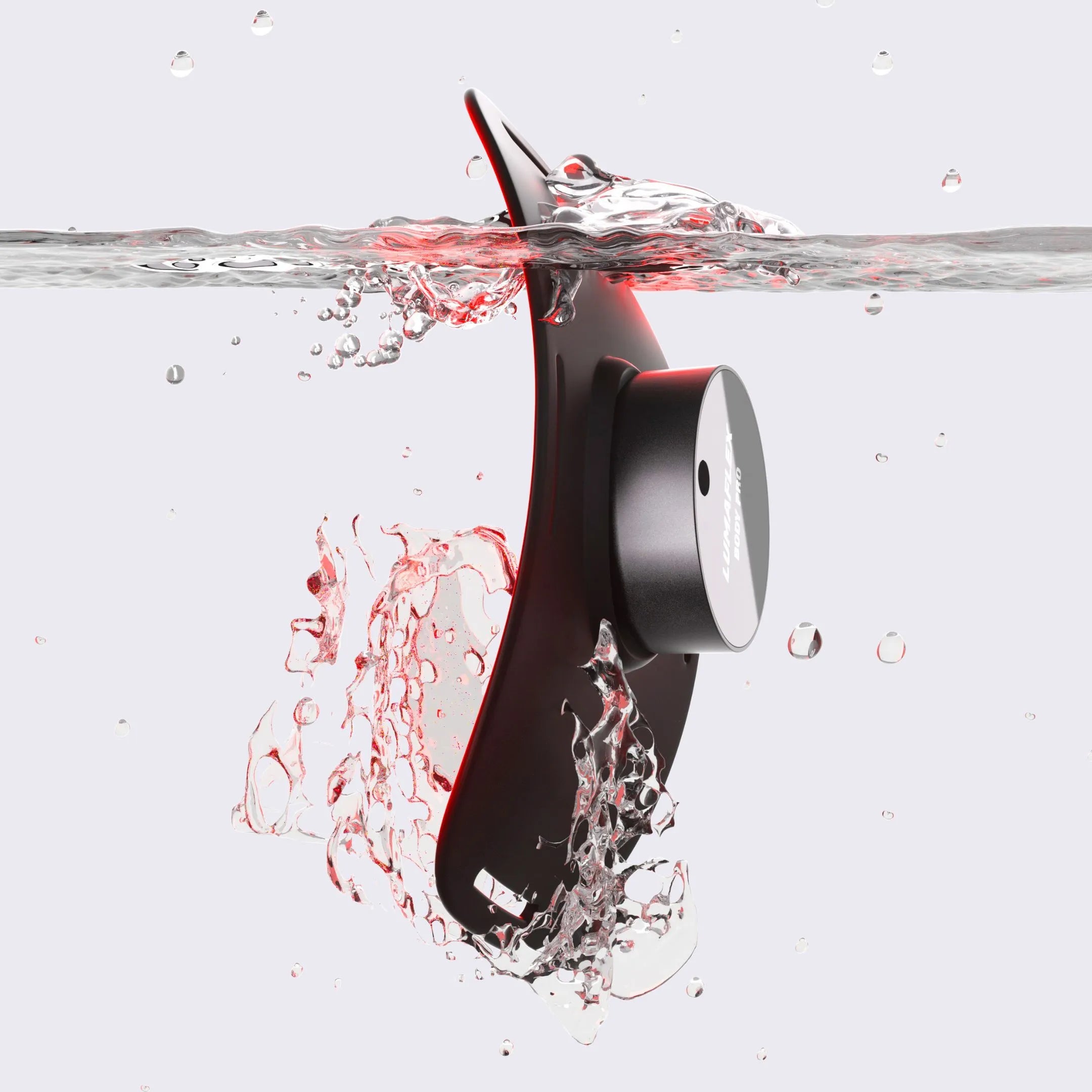
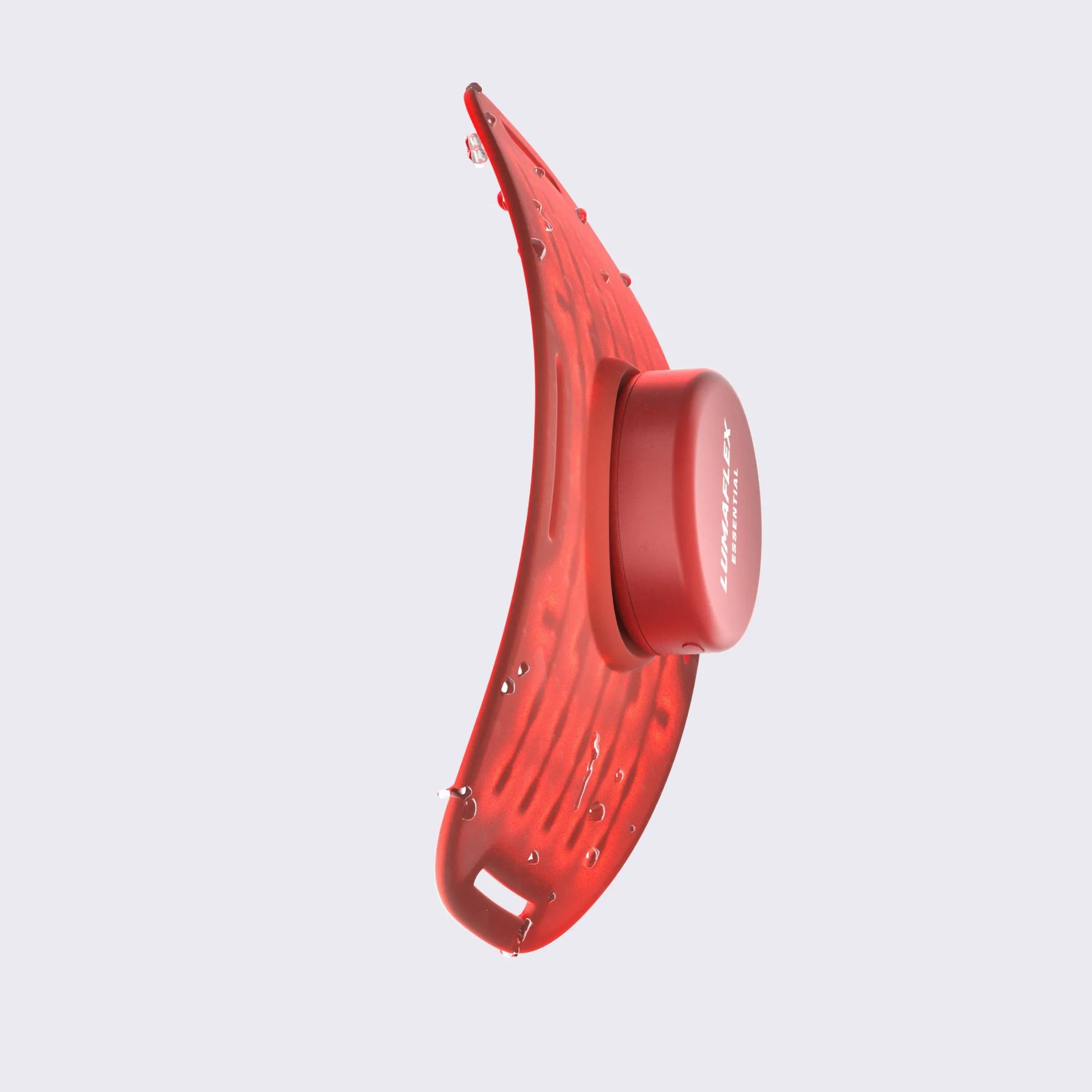
The shoulder’s curved, mobile shape makes flat handheld devices prone to uneven contact. A flexible wrap like Lumaflex Body Pro molds precisely to the joint, enabling hands-free operation and uniform energy delivery. Paired with medical-grade wavelengths and optimal placement, it enhances coverage, which is critical for effectively targeting deep joints and tendons.
Is Red Light Therapy Better Than Ice or Heat?
The right shoulder pain relief comes when you know how to pick the right option. This table shows the distinct roles of Ice, heat, and red light therapy. Your best pick depends on whether you need immediate comfort or long-term healing support.
| Treatment | How It Works | Best For |
| Ice | Temporarily reduces swelling and numbs the area | Acute injuries, sudden inflammation, and short-term pain control |
| Heat | Relaxes muscles and increases surface blood flow | Muscle tightness, stiffness before stretching |
| Red Light Therapy | Supports cellular energy production, circulation, and inflammation balance | Ongoing shoulder pain, tendonitis, joint stiffness, recovery support |
Ice and heat can relieve symptoms. Red light therapy for shoulder pain works at the cellular level and may support repair and circulation over time. Often combined with stretching or rehab, it’s preferred by those seeking long-term healing.
Who Is Most Likely to Benefit?
Shoulder pain builds in different ways. Sometimes it starts with mild irritation that never fully settles. Other times it shows up after months of repetitive use. Red light therapy is typically considered in those slower, buildup-type situations rather than after a sudden traumatic injury.
Early Rotator Cuff Irritation
If lifting your arm overhead has started to feel unreliable or weak, but imaging has not shown a major tear, the issue is often early tendon strain. At this stage, circulation and cellular energy matter. Supporting the tissue before degeneration progresses can make a noticeable difference.
Ongoing Inflammation
Chronic tendonitis or bursitis has a pattern. It improves, then flares again. The discomfort lingers just enough to limit movement. When inflammation does not fully resolve, people often look beyond ice or rest alone.
Desk-Related Shoulder Strain
Not all shoulder pain starts with a workout. Sometimes it shows up after months at a desk. The shoulders stay slightly rounded. The neck tightens. Reaching overhead feels restricted even though nothing dramatic happened. It is not always sharp pain. More of a constant irritation that does not quite go away.
Athletes and Repetitive Overhead Motion
Overhead athletes tend to notice it first during rotation. A throw feels off. A serve feels heavier. Strength is still there, but something feels irritated deep in the joint. When repetition piles up, the rotator cuff does not always get enough time to settle down between sessions.
Active Adults Over 40
There is also a slower pattern that comes with age. Recovery takes longer than it used to. Stiffness sticks around in the morning. Minor strain lingers for weeks instead of days. Nothing catastrophic, just persistent.
Red light therapy usually enters the picture in these slower, buildup situations. Not as an emergency solution. More as something layered into a broader recovery routine.
When to See a Doctor Instead
Red light therapy is not meant for every shoulder problem. Some situations go beyond irritation or overuse and need proper evaluation before anything else.
A shoulder that suddenly loses strength after an injury is different from one that simply feels sore. Inability to lift the arm, especially after a fall or strain, often points to a full rotator cuff tear. Structural injuries like that need imaging and medical direction.
Severe stiffness can also signal something more advanced. A shoulder that progressively tightens to the point where movement becomes severely restricted may involve significant joint capsule changes or degeneration.
Direct trauma changes the equation entirely. Fractures, dislocations, and major soft tissue damage require immediate care. At-home therapies are not the first step there.
Neurological symptoms stand out as well. Tingling, radiating pain, or numbness moving down the arm suggests nerve involvement rather than simple tendon irritation.
Light therapy fits better after the source of pain is understood. It works as support, not as a stand-in for diagnosis.
Is Red Light Therapy Worth It for Shoulder Pain?
There is solid research behind red light therapy, particularly around inflammation and joint-related discomfort. Shoulder pain often involves both. Pain scores improve in some studies. Range of motion improves in others. The changes are usually gradual.
It is not built for severe tears or structural damage. That territory belongs to imaging, orthopedic care, sometimes surgery. Light therapy sits in a different lane.
What it seems to do best is support tissue that is irritated but still functional. Tendons that are overloaded. Joints that feel stiff but not unstable. Recovery that has stalled rather than collapsed.
The results tend to build. Not dramatic. Not overnight. More like a shift that becomes noticeable after several consistent weeks.
For people managing ongoing shoulder strain, especially those trying to stay active without escalating to more aggressive interventions, it becomes one of the tools in the mix. Devices that contour to the shoulder make consistency easier, which matters more than intensity with this kind of therapy.
Can red light therapy heal a rotator cuff tear?
Red light therapy does not repair a complete rotator cuff tear. Full-thickness tears involve structural damage that requires medical evaluation and, in some cases, surgical treatment. In partial strains or tendon irritation, light therapy is sometimes used to reduce inflammation and support recovery alongside rehabilitation.
How long does red light therapy take to work on shoulder pain?
Improvements in shoulder pain typically develop over several weeks rather than days. Many protocols involve three to five sessions per week, with noticeable changes often reported within three to six weeks. Acute inflammatory discomfort may respond sooner than chronic tendon or arthritic conditions.
Is red light therapy safe for shoulder joints?
Red light therapy is non-invasive and does not use ultraviolet radiation. It has been studied in joint and soft tissue applications and is generally considered safe when used according to device guidelines. Individuals with underlying medical conditions should consult a healthcare professional before beginning treatment.
Can red light therapy help frozen shoulder?
Frozen shoulder involves joint capsule stiffness and inflammation. Photobiomodulation has been studied for its effects on inflammatory signaling and circulation, both of which are relevant in early and mid-stage adhesive capsulitis. Light therapy is most often used in combination with mobility exercises rather than as a standalone treatment.
How often should red light therapy be used on the shoulder?
Common protocols recommend sessions lasting 10 to 20 minutes, repeated three to five times per week. Treatment frequency depends on device output, condition severity, and individual response. Consistent application is typically emphasized over longer or more intense sessions
Does infrared light penetrate deep enough for shoulder pain?
Near-infrared wavelengths, such as 850nm, are selected because they penetrate deeper than visible red light. This depth is relevant for targeting rotator cuff tendons and joint structures located beneath layers of muscle.
Support your shoulder recovery with targeted red and near-infrared therapy designed to contour to the joint. Explore how Lumaflex delivers consistent, hands-free treatment for deeper shoulder coverage.