Gentle Red Light Therapy for Seniors’ Back Pain & Neck Relief

Many elderly individuals experience ongoing neck or lower back tension due to changes in posture, tight muscles, or aging joints. Because of this, everyday actions may seem tougher, affecting how freely they move. For that reason, a growing number are exploring gentle, senior-friendly solutions. One method drawing interest is red light therapy for seniors’ back pain.
Red light therapy offers mild and calming light, as many seniors describe it as reassuring. Though not designed for medical treatment, it blends smoothly into everyday moments of rest. This light eases tight spots while promoting improved posture, all without physical strain. For seniors dealing with chronic back and neck discomfort, sessions tend to feel quiet, steady, and smooth. Over time, it integrates naturally, supporting gentle, steady comfort for movement and calmness.
Why Back & Neck Discomfort Is So Common in Seniors
Back and neck discomfort are frequent among older people. In many cases, this comes from gradual aging changes rather than serious conditions.
One common factor is reduced muscle support. As core and back muscles slowly weaken over time, they provide less stability. This can leave certain areas feeling sore or easily fatigued during everyday movement.
Posture changes also play a role. Many seniors spend long periods sitting. Activities like reading or looking down at a phone may seem harmless, but over time they place steady strain on the neck, shoulders, and upper back.
Limited movement adds to the problem. Without regular activity, joints can feel stiff and muscles may tighten due to less stretching throughout the day.
Mobility challenges can develop after illness, injury, or extended rest. When movement becomes harder, stiffness often builds gradually. Neck discomfort is especially common because even small posture shifts can place extra strain on the neck and shoulder area.
Together, these factors explain why many seniors look for simple, gentle ways to stay comfortable during everyday activities.
What Red Light Therapy Is & Why Seniors Consider It
Red light therapy uses gentle red and near-infrared light on the surface of your skin. Although mild, these lights deliver noticeable results. Instead of heating the area, they operate without damaging cells. There’s no cutting or piercing at any point. Older adults usually pick this option right away since it’s gentle and simple. Whether at home or during clinic visits, it works smoothly with personal care habits due to its non-invasive nature.
According to Hamblin et al., (2017), red light therapy eases tension after extended periods of sitting, leaning, or daily tasks affecting the spine. Still, you’ll commonly see it offered at recovery clinics and relaxation areas.
Older adults appreciate being able to benefit while simply resting in their favorite seat. Another option is positioning the device directly on stiff areas where relief comes effortlessly this way.

Daily exposure to red light therapy designed for older adults offers a simple way to reduce discomfort in the back, neck, or shoulders. While not meant as medical care, it might loosen tight muscles while supporting smoother motion. Because each session is quiet and easy, plenty of seniors add it to their routine just to relax. With regular use, improved posture could develop naturally over weeks.
Can Red Light Therapy Help with Back or Neck Discomfort?
Many older adults wonder whether red light therapy for back or neck discomfort can offer meaningful support. While it is not intended to treat medical conditions, some seniors find it adds a sense of comfort and calm when used consistently as part of a daily routine.
Rather than focusing on pain itself, red light therapy is often used to support relaxation, ease tight areas, and encourage smoother movement throughout the day. Its gentle nature makes it appealing to those seeking low-impact, at-home comfort options.
How Red Light May Support Comfort
Red light therapy is commonly described as soothing rather than intense. When applied to the back, neck, or shoulders, it may help muscles feel less tense after long periods of sitting, standing, or repetitive movement.
Some older adults find it especially helpful during quiet moments of rest, such as reading or watching television, when the body has time to fully relax. Over time, this relaxed state may make everyday movement feel less restricted.
Encouraging Ease of Movement Throughout the Day
Stiffness in the spine and neck can make daily tasks feel more effortful. Gentle light exposure is often used to support a sense of looseness that allows movement to feel easier and more natural.
Older adults may notice benefits such as:
- Feeling less resistance when turning the head or shoulders
- Greater comfort when standing up or sitting down
- Reduced awareness of tightness during walking or light activity
- Improved confidence moving through routine tasks
These experiences are often subtle and build gradually with regular use, especially when paired with posture awareness or light stretching.
A Calm Addition to Everyday Routines
Unlike approaches that rely on pressure, heat, or force, red light therapy is quiet and steady. Sessions do not require physical exertion, which makes them easier to maintain over time.
Because it fits naturally into moments of rest, many seniors use red light therapy alongside gentle habits such as posture checks, breathing exercises, or slow mobility movements. When used consistently, it can become a supportive part of a comfort-focused routine that encourages relaxation and ease throughout the day.
How Seniors Can Use Red Light Therapy Safely for the Back and Neck?
Using red light therapy at home can be simple and safe when seniors follow a few practical steps. It is important to use it in a way that avoids strain and supports gentle comfort. Safe red light therapy for seniors often starts with proper positioning and small, manageable sessions.
Simple advice for ease, security, or careful handling around the house:
Placing the Device in a Comfy Way
Proper positioning ensures light hits the needed spots while reducing discomfort.
- Sit on a firm chair that holds your back upright.
- Use a stand or holder when you can, so the device stays free from hand contact.
- Avoid bending; instead, twist carefully if needed. Keep movements small. Do not stretch too far when touching tender areas.
- If movement is difficult, request support from a caretaker to position the equipment properly.

Begin gently and grow confidence step by step
Older adults ought to start slowly; this way, they can notice what works well.
- Begin using brief periods, about five to ten minutes for each section.
- Increase session duration gradually when it feels right.
- Notice what your muscles sense while exercising, then afterward.
Adding to Your Everyday Schedule
Red light therapy can be combined with other gentle habits:
- Apply this before gentle stretches or alignment drills.
- Incorporate during reading, yet tune in with music, or stay engaged through TV.
- Stick to regular sessions; this helps ease movement while building confidence over time.
Following these steps helps older adults use red light therapy for back pain without harm, while lowering the chances of strain. Placing the device properly, along with caregiver support if needed, keeps therapy gentle and simple.
Helpful Posture Tips for Seniors
Good posture supports back comfort in seniors. Simple, easy-to-remember techniques can fit naturally into daily routines and help reduce strain over time.
Here’s how to help your backbone stay in line:
Sitting Comfortably
When sitting, place both feet flat on the ground to create a steady base. A small cushion behind the lower back can add comfort and gentle support. Let your shoulders relax while lightly drawing them back into a natural position. Staying mindful of your sitting posture helps reduce unnecessary strain.
Supporting Neck Alignment
For better neck alignment, raise phones or tablets to eye level so your head stays upright. This reduces downward strain on the neck and shoulders. Gentle chin tucks can help. Simply draw the chin slightly inward for a brief moment, then relax. Staying aware of head position during screen time makes a noticeable difference.
Daily Micro-Movements
Small movements throughout the day add up. Try standing up every 30 to 60 minutes and stretching gently to release tension. Slow shoulder circles and easy wrist movements help loosen tight areas. When reading or watching television, pause occasionally to reset your posture and move lightly.
Following these tips regularly can support better posture, ease everyday back and neck discomfort, and help maintain balance over time. Small, mindful adjustments during daily activities often make movement feel smoother and more comfortable.
Mobility Tips to Pair with Red Light Therapy
Gentle motion pairs nicely with red light therapy. This is ideal for older adults aiming to feel at ease while easing tightness.
Try these simple exercises to help movement, all doable from home:
Slow Shoulder Rolls
Move your shoulders gently forward, then backward. Try it sitting on a firm chair or just standing up. Let each movement flow without rushing to ease tightness near the neck and the top part of your back.
Seated or Standing Spine Stretch
Sit down or stay upright, while raising your arms gently and extending your back. Breathe evenly without pushing into discomfort. Shift gradually through an easy motion path, stopping whenever tension appears.
Short, Gentle Walks
A brief stroll near your home boosts circulation while easing tightness. Short trips outside, repeated throughout the day, help joints move more freely.
Light Stretching with Support
Use a chair or counter to steady yourself when you stretch your legs, hips, or back. That way, you stay balanced and reduce the risk of injury.
Chair-Based Exercises
People needing extra help can try basic moves on a chair. Lift one leg at a time, for instance. Or do light marching while sitting, which helps blood flow. Another option is moving arms slowly in different directions.
Adding these gentle stretches into a mobility routine that seniors will enjoy, alongside red light therapy, may help in reducing the stiffness that seniors often experience.
When Seniors Should Be Cautious
Although gentle, older adults should follow simple precautions to ensure safe use at home.These guidelines are meant to support comfortable, responsible use at home and do not replace advice from a healthcare professional. For a deeper overview, you can also explore our guide on Is Red Light Therapy Safe for Older Adults?
Before starting, keep the following in mind:
Broken or Irritated Skin
Avoid using the device on open wounds, inflamed areas, or swollen skin. Wait until the area has fully healed before applying light.
Recent Surgeries
Do not use red light therapy on recent surgical sites unless a medical provider has given approval. This helps prevent irritation during the recovery period.
Photosensitive Medications
Some medications increase sensitivity to light. If you take any drugs that affect how your skin reacts to light exposure, it’s best to check with a healthcare professional before beginning.
Sudden or Unusual Discomfort
If sharp, unexpected, or worsening discomfort occurs during a session, stop using the device and seek medical guidance. New or unexplained symptoms should always be evaluated.
Ongoing Unease During Use
If the skin feels sore or uncomfortable, turn the device off and adjust your position. Resume only once the area feels at ease again.
Starting slowly and paying attention to how your body responds helps seniors use red light therapy comfortably. With mindful use and basic precautions, many older adults are able to include it safely as part of a gentle wellness routine.
Senior-Friendly Devices & Comfortable Setups
Picking the right setup may simplify red light therapy for seniors. Opt for adjustable, gentle to the body, and easy-to-use therapy devices for older adults.
Here are the features that make a red light therapy setup senior-friendly:
Lightweight, Easy-to-Position Devices
Lighter devices are easier to move and adjust without strain. Designs that balance flexibility with stability allow seniors to direct light where it feels most helpful, without repeated lifting or repositioning. This is especially useful for users who prefer a device that adapts to them rather than the other way around.
Hands-Free Support
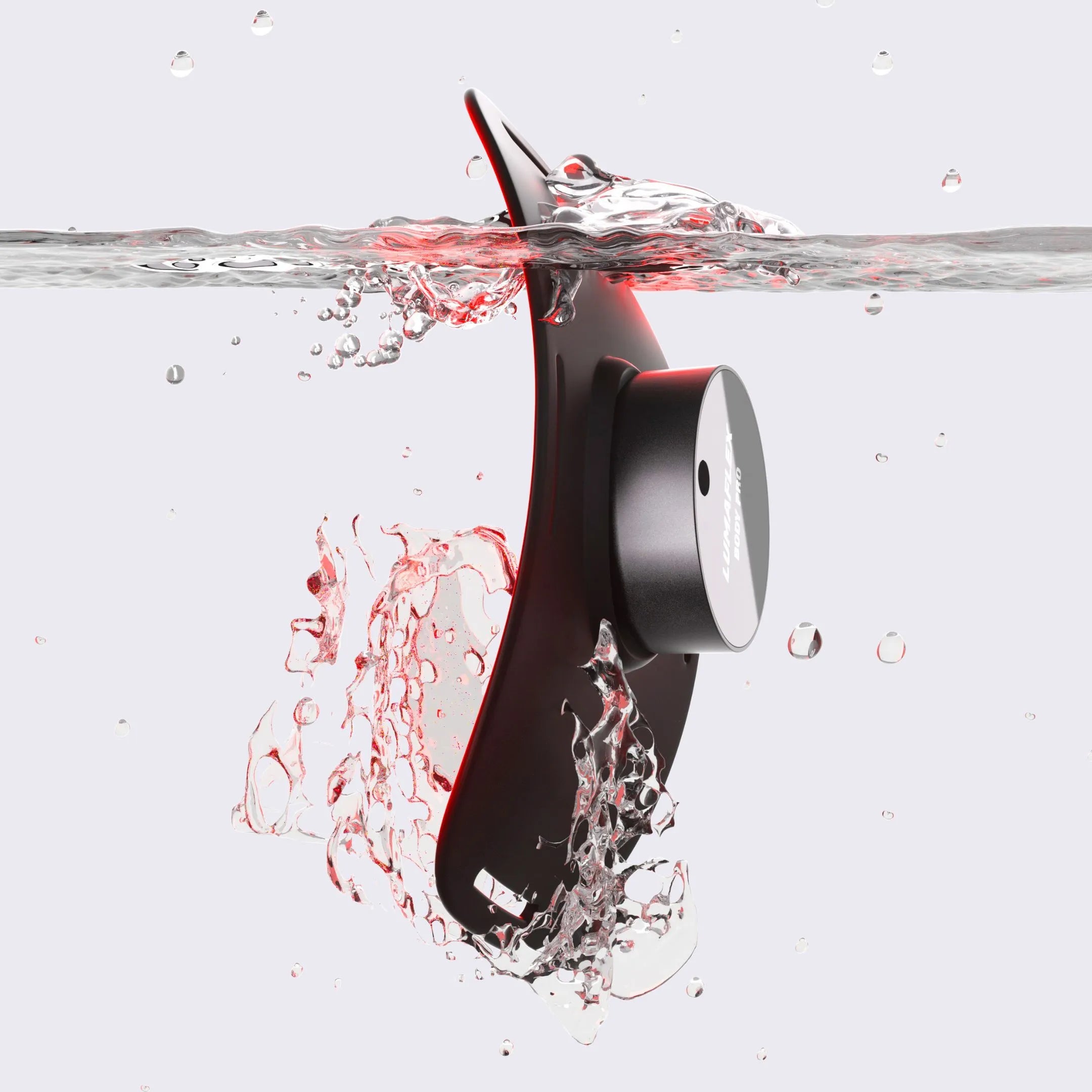
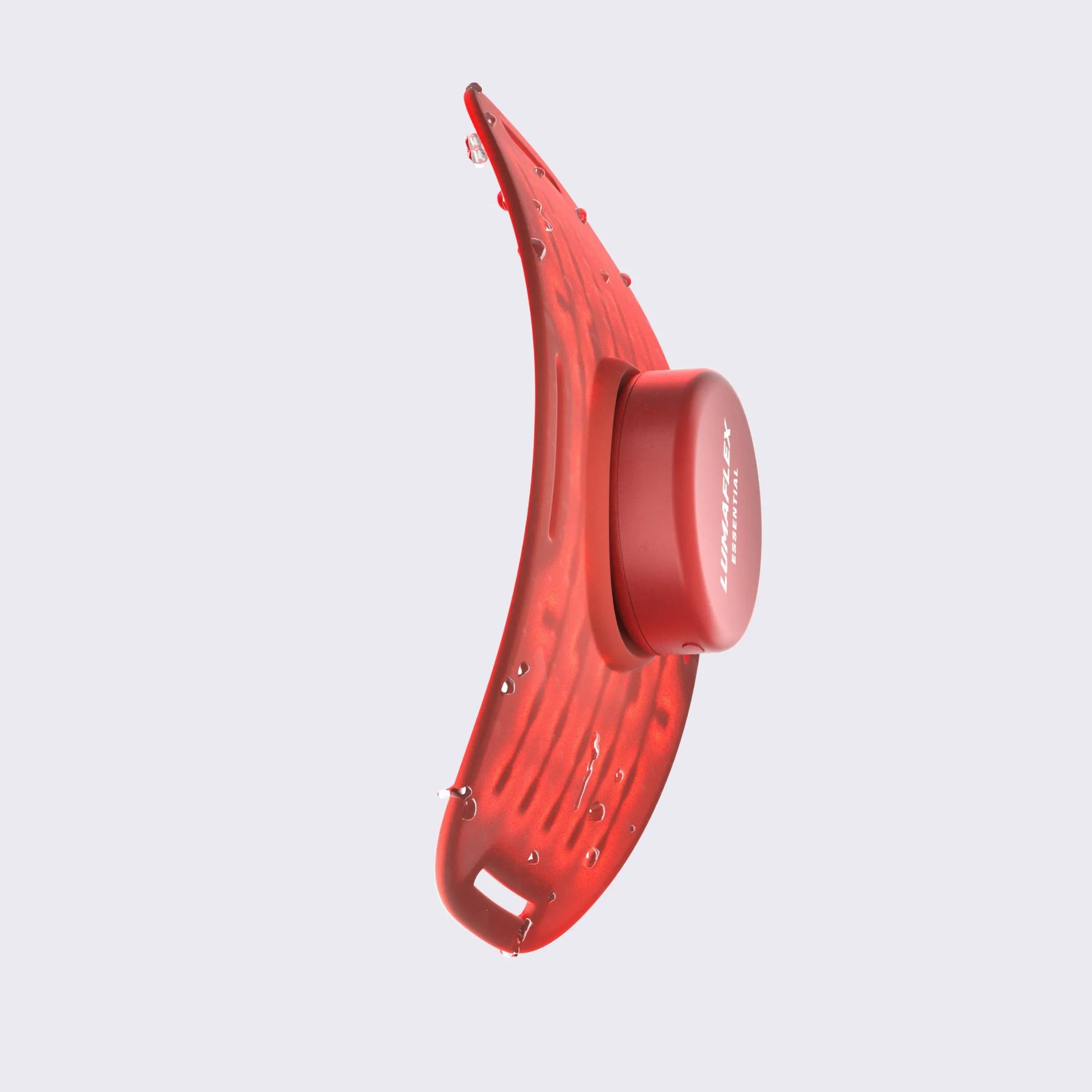
Stands, straps, or mounting options keep the device steady so hands can stay relaxed. Hands-free designs—such as those used in wearable or flexible systems like Lumaflex—help reduce effort while allowing seniors to sit comfortably, read, or rest during sessions.
Comfortable, Supportive Seating
A supportive chair helps maintain good posture throughout use. Seating should feel cushioned yet structured, offering lower-back support without sinking too deeply. This keeps the spine aligned and reduces unnecessary tension during longer sessions.
Simple, Clear Controls
Large buttons, minimal settings, and easy on/off operation make devices more approachable. Straightforward controls are especially helpful for seniors who want a calm, stress-free experience without navigating complex options.
Adjustable Height and Positioning
Stands or flexible designs that work while sitting or standing allow seniors to tailor sessions to their comfort level. This adaptability supports both back and neck areas without awkward reaching or bending.
Built-In Timers for Peace of Mind
Timer functions help manage session length automatically, removing the need to watch the clock. This supports safe, relaxed use and lets seniors focus on comfort rather than monitoring time.
These qualities help older adults use red light therapy daily with less hassle. Lightweight devices, secure holders, and easy-to-use panels reduce physical effort. When paired with slow movement and proper positioning, a thoughtful setup can support comfort around the spine, upper back, and neck as part of a calm daily routine.

To learn how a senior-friendly setup comes together in practice, Lumaflex offers a flexible, easy-to-use option designed with comfort and simplicity in mind. Lumaflex fits easily into a gentle at-home routine without added strain.
Conclusion
Red light therapy provides gentle support for seniors experiencing neck or back stiffness. While not a medical treatment, regular use can help muscles relax and reduce daily tension.
Pairing red light therapy with simple movement and posture habits, such as gentle stretching, short walks, or mindful sitting, can enhance comfort and promote easier movement throughout the day.
Used consistently and with the right setup, red light therapy becomes a simple, low-effort addition to daily routines, helping older adults feel steadier, more at ease, and supported around the neck and back.
For a user-friendly, senior-focused option, Lumaflex offers lightweight, hands-free red light therapy that fits easily into daily routines. Experience gentle support for your neck and back with consistent, comfortable sessions at home.
Frequently Asked Questions about Red Light Therapy for Seniors Back Pain and Neck Relief:
1.Does red light therapy help relieve back discomfort in seniors?
Yes! Seniors often find gentle relief for neck and back stiffness with regular red light sessions. It’s non-medical, easy to use, and can help muscles feel more relaxed.
2. Who should avoid using red light therapy?
Avoid it on injured or post-surgery skin and consult your doctor if taking photosensitive medications. Stop immediately if you feel pain or unusual discomfort.
3. Can I use red light therapy with gentle exercises?
Absolutely. Pair it with light stretches, short walks, or posture drills to boost mobility and ease stiffness safely at home.
4. Can seniors safely use red light therapy alongside gentle exercises?
Yes. Use stable seating, hands-free mounts, and proper positioning to reduce strain and make sessions safer and more comfortable.
5. What device features make it easiest for older adults?
Look for lightweight panels, adjustable stands, large buttons, and built-in timers. These make sessions simple, safe, and stress-free for daily use.