Feeling Knotted? How Red Light Therapy for Muscle Recovery Can Help Athletes

Post-workout muscle soreness is part of training. The knot in your quad the morning after leg day, the stiff elbow that won't fully extend, the knee that protests on stairs — athletes know these signals well. The question is how fast you can turn them around.
Red light therapy for muscle recovery has become one of the more researched non-invasive tools for exactly that. This article covers how it works, what the clinical evidence shows, and what it looks like in practice from an athlete who has used it daily for two years.
Table of content
The Process of Muscle Recovery
Exercise, particularly resistance training, creates micro-tears in muscle fibers. That damage is the point — the body repairs those fibers stronger than before. But the process involves three distinct stages:
Micro-Tears: Muscle fibers endure micro-tears throughout exercise, especially resistance exercise. Naturally, muscle growth is the cause of this injury.
Inflammation: Following the micro-tears, inflammation sets in as the body initiates the healing process. While inflammation is necessary for repair, it can also lead to discomfort and stiffness.
Repair and Growth: The body uses protein synthesis to repair the damaged fibers, making them stronger and more resilient for future workouts.
Recovery speed depends on how efficiently the body moves through these stages. Anything that accelerates cellular repair or reduces unnecessary inflammation shortens the window between sessions.
The Limits of Traditional Recovery Methods
Athletes have relied on the same toolkit for decades: rest, stretching, ice and heat, massage, compression. These work. They are not, however, active at the cellular level. They manage symptoms — reducing swelling, improving circulation, easing tension — but they don't directly accelerate the repair process happening inside muscle tissue.

Athletes frequently use these techniques to speed muscle repair:
Rest: Giving muscles time to recover.
Stretching: Exercise, in turn, helps to increase flexibility and relieve tense muscles.
Ice/Heat Therapy: Alternating the application of heat to loosen muscles and ice to reduce edema.
Massage: Promoting blood flow and reducing tension.
Red light therapy operates differently. Rather than managing the surface experience of soreness, it targets the cellular mechanisms that drive recovery itself.
What Red Light Therapy Actually Does
What is red light therapy (photobiomodulation)?Red light therapy delivers specific wavelengths of red and near-infrared light into skin and muscle tissue. Those wavelengths are absorbed by mitochondria, the energy-producing structures inside cells, triggering increased production of ATP (adenosine triphosphate). ATP is the molecule that powers all cellular activity, including tissue repair. More available cellular energy means faster repair, reduced inflammatory signalling, and less residual damage between training sessions. The process is photochemical, not thermal. The light does not heat the tissue. It changes what cells do with their energy.
Lumaflex devices use two wavelengths simultaneously: 630nm red light for surface-level concerns including inflammation and skin tissue, and 850nm near-infrared light for deeper muscle and joint penetration. Both wavelengths run at once, addressing recovery at multiple tissue depths in a single session.

Red Light Therapy Safety
RLT is non-invasive, drug-free, and carries no known systemic side effects at recommended exposure levels. Both the Lumaflex Essential and Body Pro are FDA-cleared for pain relief. For athletes looking for a recovery tool that doesn't interact with training load, nutrition, or pharmacology, that profile is relevant.
What the Research Shows
On tendinopathy: A 2021 systematic review and meta-analysis in BMC Sports Science, Medicine and Rehabilitation examined 17 randomized controlled trials covering 835 participants. When PBM was combined with exercise and compared to sham treatment plus exercise, it produced significantly greater reductions in pain and improved functional outcomes. The reviewers concluded PBM has utility both as a standalone and adjunctive therapy for tendinopathy disorders.
On muscle performance and recovery: A 2016 review by Ferraresi, Huang, and Hamblin, conducted by researchers at Harvard Medical School and Massachusetts General Hospital and published in the Journal of Biophotonics, synthesized 46 clinical trials involving over 1,000 participants. PBM applied before or after exercise reduced markers of muscle damage, decreased inflammation and oxidative stress, and in several studies increased muscle mass gained through training. The reviewers noted that both pre-exercise and post-exercise application showed performance benefits.
On muscle regeneration: A 2025 review in the International Journal of Innovative Technologies in Social Science found PBM supports regenerative processes by stimulating mitochondria, increasing ATP production, and reducing inflammation. Observed outcomes included accelerated muscle regeneration, improved strength and endurance, and reduced injury risk across multiple sports disciplines.
On systemic athletic performance: A 2026 review in Quality in Sport examined PBM's multi-systemic effects in sport and found it stimulates cytochrome c oxidase, a key enzyme in cellular energy production, raising ATP output and modulating oxidative stress. Clinical outcomes included reduced muscle fatigue, accelerated soft-tissue repair, and neuroprotective effects relevant to contact sport athletes.
Red Light Therapy Benefits for Athletes
Reduced muscle soreness: RLT addresses delayed onset muscle soreness (DOMS) by accelerating cellular repair and reducing inflammatory signalling, allowing athletes to return to training sooner after hard sessions.
Faster muscle recuperation: Enhanced mitochondrial activity and ATP production speed the repair of microtears, shortening the gap between damage and full capacity.
Improved circulation: RLT improves blood flow to treated areas, increasing delivery of oxygen and nutrients to recovering tissue.
Reduced inflammation: By modulating inflammatory markers rather than simply masking discomfort, RLT supports the repair process rather than just managing its side effects.
Pain relief: FDA-cleared for pain relief, Lumaflex devices offer a non-pharmacological option for athletes managing chronic or acute pain alongside training.

What It Looks Like in Practice: Josh Phillips
Research tells you what's possible. An athlete two years into daily use tells you what it actually looks like in a real training routine.
Josh Phillips has been training for 26 years. His recurring issues are specific: tendinopathy in both elbows and knees, torn muscles, and post-surgical flare-ups that return under load. Before adding Lumaflex to his daily routine, he describes a familiar ceiling.
"Typically, areas that would hurt for me might take like two or three or four weeks before they would be viable again to train close to the level and intensity I want to train at."
After building Lumaflex into his protocol consistently, that window compressed significantly. "Within a few days or a week, those areas that are particularly sensitive for me are back to as close as I can hope them to be, to continue training at the level I want to train at."
He's specific about what changed: "The red light therapy, the Lumaflex panel, has really helped me keep my training at a high level consistently and work through tweaks and pains and injuries rather than having to keep cycling my training intensity up and down, up and down all the time whenever I feel hurt."
He's been consistent with it for two years. Not because of a dramatic initial result, but because it held up session after session.
"You've got to be consistent with it. Just like asking if training works, it's not like you go in there and train once and boom, you have the body of your dreams."
Watch Josh walk through his full Lumaflex experience:
https://www.youtube.com/watch?v=iiys2bU1Pt0
How to Build Red Light Therapy Into Your Training Routine
Generic advice about RLT protocols tends to be vague. Josh's actual daily use is more instructive.
Morning: Ten minutes on the face before the day starts. PBM at 630nm addresses surface-level circulation and cellular activity as a baseline before training begins.
During the workday: After training, he wears the panel at his desk. "It doesn't make a noise. It doesn't interfere or bother with anyone else around me. So it's really something I can use consistently every day, regardless of where I am." A wearable, flexible device makes this passive stacking possible.
During post-training cardio: "Very often when I come to do my post-training cardio, I'll be able to put it on to those troubled areas, like for me, my elbows, tendons and that area, and it's stable. It sticks. It doesn't bother me. It's waterproof as well. So I don't have to worry about sweat breaking from the device or affecting it. And I can get 45 minutes worth of treatment in while I do my cardio and it doesn't hinder or affect it at all."
Forty-five minutes of red light therapy stacked onto cardio he was doing regardless. For athletes managing multiple problem areas across a heavy training week, that kind of passive accumulation matters.
General timing guidance: Research supports both pre-exercise application (priming circulation and cellular energy) and post-exercise use (reducing inflammatory signalling and accelerating repair). Josh uses both across his day. For most athletes starting out, post-session application to the most affected areas, three to five times per week, is a practical entry point.
On consistency: Josh's advice is direct. Don't only use it when something hurts. "You apply it all the time, because you want to avoid aches and pains coming back." Photobiomodulation produces cumulative adaptation. The stimulus needs to be regular.

Choosing the Best Red Light Therapy for Muscle Recovery
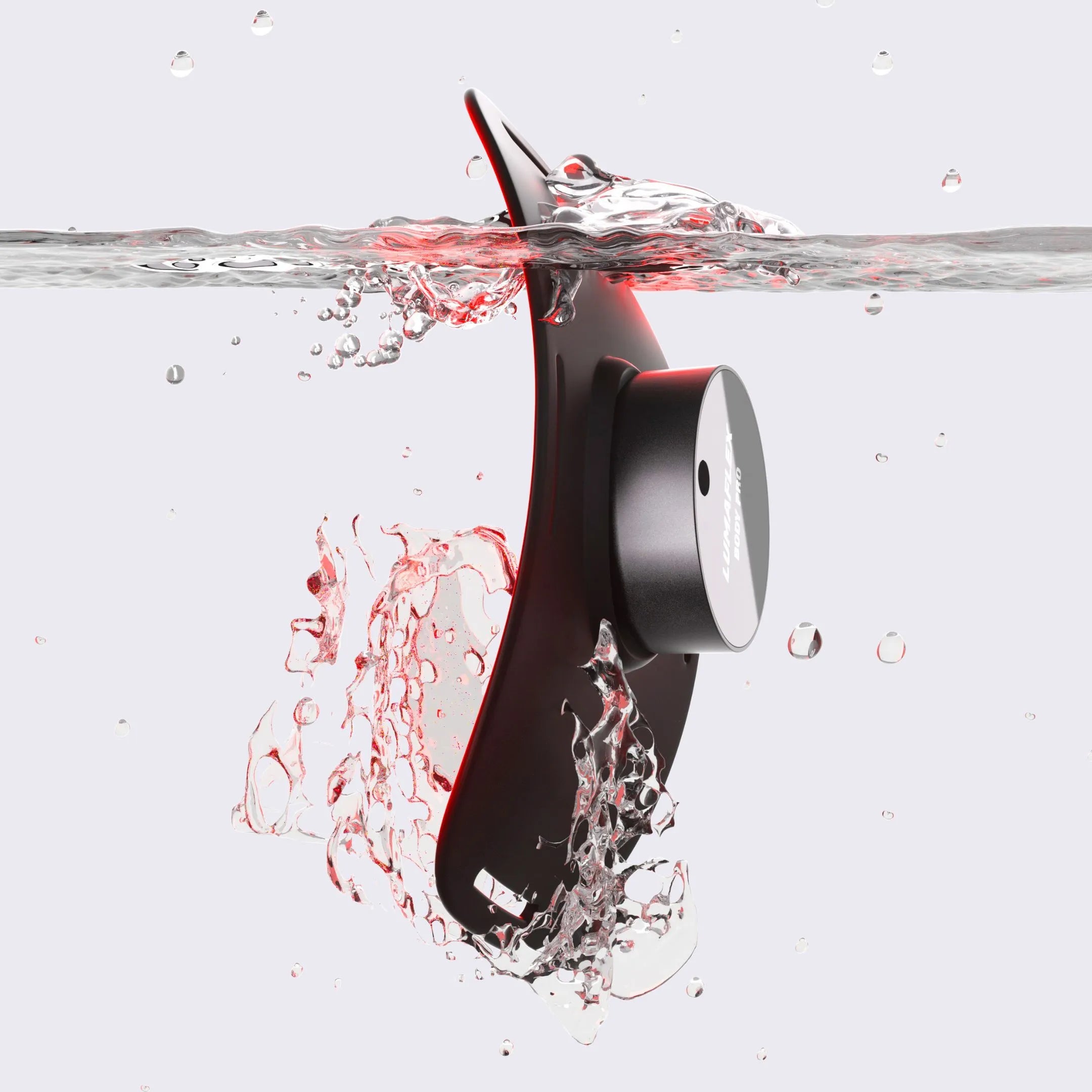
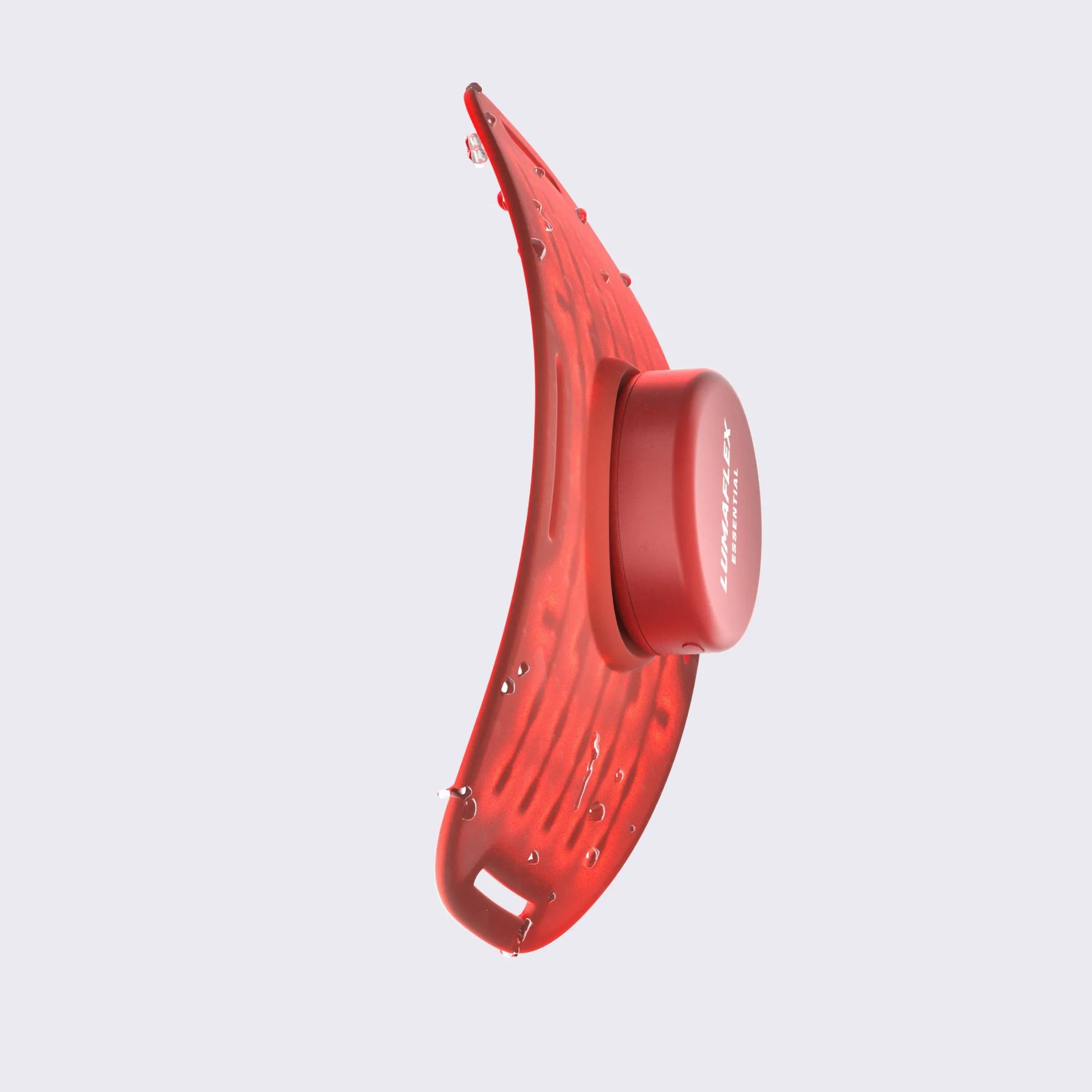
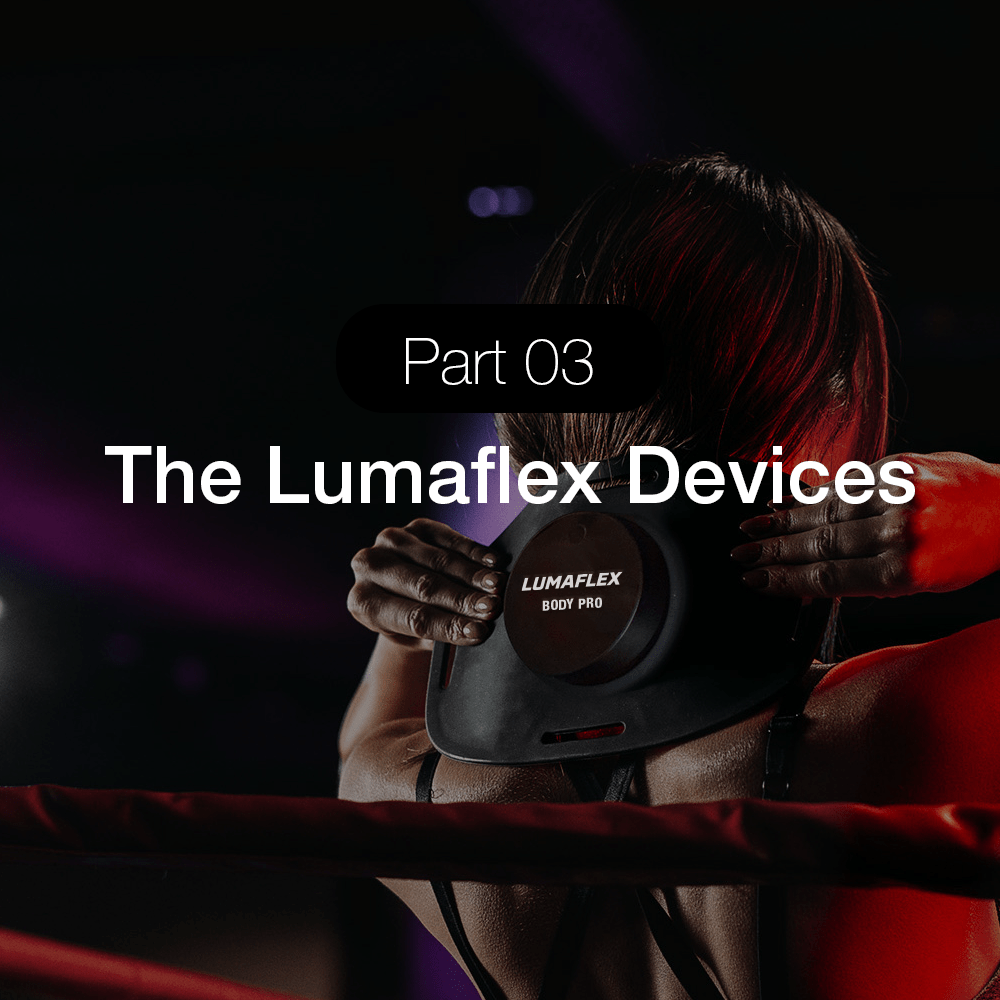
The Lumaflex Essential is designed for targeted, straightforward recovery. Flexible, waterproof, and FDA-cleared, it delivers 630nm and 850nm dual-wavelength therapy in 10-minute sessions. No app required. Wrap it on, press start, get on with the rest of your session. Ideal for athletes with one or two specific problem areas who want a reliable, portable tool without complexity.
The Lumaflex Body Pro adds Bluetooth connectivity, app control, and adjustable frequency settings. Josh uses the frequency adjustment purposefully: "I can do low frequency, mid-range frequency, and high frequency. And each of those frequencies is actually more specific to an end goal, be it stress or ultimately some form of rehab deeper down." For athletes managing multiple tissue types and injury stages simultaneously, that control is practical rather than cosmetic.
Both devices are waterproof, flexible, and portable enough to use during cardio, at a desk, or while travelling between training blocks.
Key specs to consider when choosing any RLT device:
- Wavelength: 630-660nm for surface tissue; 810-850nm for deeper muscle and joint penetration. Lumaflex uses both simultaneously.
- Coverage area: Match the panel size to the treatment area. Larger panels for broad muscle groups, targeted wraps for joints.
- FDA clearance: Verify the device is cleared for pain relief, not just CE-marked for general wellness.
- Session length: Lumaflex sessions run 10 minutes at standard settings. Longer isn't always better — consistency across sessions matters more than duration per session.
FAQs About Red Light Therapy for Muscle Recovery
Why don’t doctors recommend red light therapy?
Standardized clinical protocols and long-term outcome data are still developing across the broader medical field. However, research on photobiomodulation has grown substantially, and many sports medicine specialists and physiotherapists now incorporate it into recovery programs. FDA clearance for pain relief places Lumaflex devices in a different category from general wellness gadgets.
How long to use red light therapy on muscles?
For most athletes, 10 to 20 minutes per target area, three to five times per week, is the practical range. Lumaflex's standard session is 10 minutes. Overexposure beyond recommended times doesn't increase benefit and may reduce it. Consistent, correctly timed sessions outperform longer infrequent ones.
When should athletes use red light therapy, before or after training?
Both have research support. Pre-exercise application primes circulation and cellular energy availability. Post-exercise use reduces inflammatory signalling and accelerates tissue repair. Josh applies it at multiple points throughout his day, making timing less of a binary decision and more of a layered approach across the training week.
Can you overdo red light therapy?
Yes, it’s possible to overuse red light therapy, which can lead to temporary skin irritation or reduced effectiveness. Muscles only need a certain amount of light exposure to trigger recovery benefits. Stick to short, regular sessions and avoid exceeding your device’s recommended time and frequency.
Can you use red light therapy every day?
Josh has used it daily for around two years. The device's wearable, passive design makes daily use practical without requiring dedicated recovery time or disrupting other activities. Daily use aligns with the cumulative adaptation model — regular, consistent exposure over time produces compounding benefit.
Does red light therapy actually work for muscle recovery?
The clinical evidence is positive, particularly for muscle damage, soreness, and tendon-related conditions. A 2016 Harvard-associated review of 46 trials found PBM reduced markers of muscle damage, lowered inflammation, and improved recovery in trained and elite athletes. Consistency of use appears to be the primary variable separating meaningful results from marginal ones.
Sources
- Apostolopoulos et al. (2021). The effect of low-level red and near-infrared photobiomodulation on pain and function in tendinopathy: a systematic review and meta-analysis. BMC Sports Science, Medicine and Rehabilitation. https://link.springer.com/article/10.1186/s13102-021-00306-z
- Ferraresi, Huang & Hamblin (2016). Photobiomodulation in human muscle tissue: an advantage in sports performance? Journal of Biophotonics. https://doi.org/10.1002/jbio.201600176
- Miejska-Kaminska et al. (2025). The Effect of Red Light Therapy (Photobiomodulation) on Muscle Recovery and Physical Performance in Athletes. International Journal of Innovative Technologies in Social Science. https://rspublisher.org/index.php/ijitss/article/view/3876
- Sluchocka et al. (2026). Red Light Revolution: Harnessing Photobiomodulation for Peak Athletic Performance and Systemic Healing. Quality in Sport. https://apcz.umk.pl/QS/article/view/69750