Red Light Therapy and Microneedling: Before or After? Safe Timing Guide

Red light therapy is commonly included in microneedling aftercare, yet there's no shortage of conflicting advice about when to use it. Some providers recommend introducing it soon after treatment, while others advise waiting until the skin has recovered further.
The right approach depends on several factors, including treatment depth, individual healing, and the aftercare protocol you're following.
Quick answer:
Can you combine red light therapy and microneedling?
Yes, red light therapy and microneedling are commonly combined, and many providers build the pairing into their aftercare protocols. Red light therapy is typically used after microneedling rather than before, since its main role is to support the skin's natural repair process. It does not replace proper aftercare, and timing should follow your provider's specific guidance for your treatment depth and device.
Should you use red light therapy before or after microneedling?
Most protocols favor using red light therapy after treatment. Applying it afterward may help support the skin's healing response while it is actively repairing itself. Some clinics use it briefly before treatment to prepare the skin, but this is less common and less studied than post-treatment use.
When should you start red light therapy after microneedling?
This depends on your treatment depth and provider guidance, but many people begin low-level, non-aggressive sessions once the skin barrier is no longer visibly broken, often a day or two after superficial at-home treatments. Deeper professional treatments may call for a longer wait. Always confirm timing with your provider.
Can red light therapy support healing after microneedling?
Red light and near-infrared light are associated with increased cellular energy production, fibroblast activity, and collagen synthesis in laboratory and clinical research on wound healing. This suggests red light therapy may support the skin's recovery process after microneedling, though it works alongside the body's healing response rather than replacing it.
Table of contents
How Do Red Light Therapy and Microneedling Work Together?
Microneedling and red light therapy support different parts of the skin's recovery process. Microneedling creates controlled micro-injuries that trigger the body's repair response, while red light therapy may support the cellular activity involved in that repair.

How Microneedling Works
Microneedling creates controlled micro-injuries in the skin using fine needles. In response, the body activates its natural wound healing process. Growth factors are released, inflammation rises briefly, and the skin begins producing new collagen and elastin to repair the treated area.
Although the surface often heals within days, the repair process continues beneath the skin for several weeks. During this time, newly formed collagen matures and reorganizes, contributing to the gradual improvements in skin texture, firmness, and the appearance of scars.
Key takeaway
Microneedling creates the signal for repair. The visible treatment takes minutes, but collagen remodeling continues long after the appointment ends.
How Red Light Therapy Supports Recovery
Red light therapy supports recovery differently than microneedling. Rather than creating a controlled injury, it exposes the skin to specific wavelengths of red and near-infrared light that are absorbed by mitochondria, the structures inside cells that produce energy.
As cells absorb this light, they may produce more adenosine triphosphate (ATP), the energy they use to carry out normal functions. Research suggests this increase in cellular energy may support fibroblast activity, cell migration, and collagen production, all of which contribute to tissue repair.
Think of it this way
Microneedling creates the reason to heal. Red light therapy may help the cells do the work of healing.
One treatment initiates the repair process, while the other may support the biological activity that follows. They complement each other, but they are not interchangeable.
Which Wavelength Is Most Compatible With Microneedling Recovery?
When red light therapy is used as part of microneedling aftercare, wavelength is one factor to consider. There isn't enough direct evidence to identify one wavelength as universally safest or best, but some ranges are more directly relevant to skin-focused applications.
Red wavelengths: 630–660 nm
- 630 nm and 660 nm are red wavelengths commonly used in photobiomodulation research.
- Because red light is absorbed more superficially than near-infrared light, these wavelengths are particularly relevant when the goal is to support processes in the skin.
- For this reason, red wavelengths can be a straightforward option to consider when red light therapy is introduced during microneedling recovery.
Near-infrared wavelengths: 810–1064 nm
- Near-infrared light penetrates more deeply than visible red light.
- 810 nm and 850 nm have been studied in photobiomodulation research involving cellular activity and tissue repair.
- 904 nm and 1064 nm are also used in photobiomodulation, but their deeper tissue interactions mean they should not automatically be considered better for superficial skin recovery.
- There is limited direct research comparing individual near-infrared wavelengths specifically for recovery after microneedling.
What does this mean after microneedling?
There is no single wavelength that can currently be described as the safest or most effective for everyone after microneedling. The appropriate choice depends on several factors:
- Wavelength: Red and near-infrared light interact with tissue at different depths.
- Treatment parameters: Irradiance, treatment time, distance, and total dose also influence the exposure.
- Microneedling depth: Deeper professional treatments generally involve more tissue disruption and may require a different recovery period.
- Skin condition: Redness, sensitivity, irritation, and whether the skin barrier has recovered are important considerations.
- Provider guidance: Aftercare instructions should take priority, particularly following deeper or combination procedures.
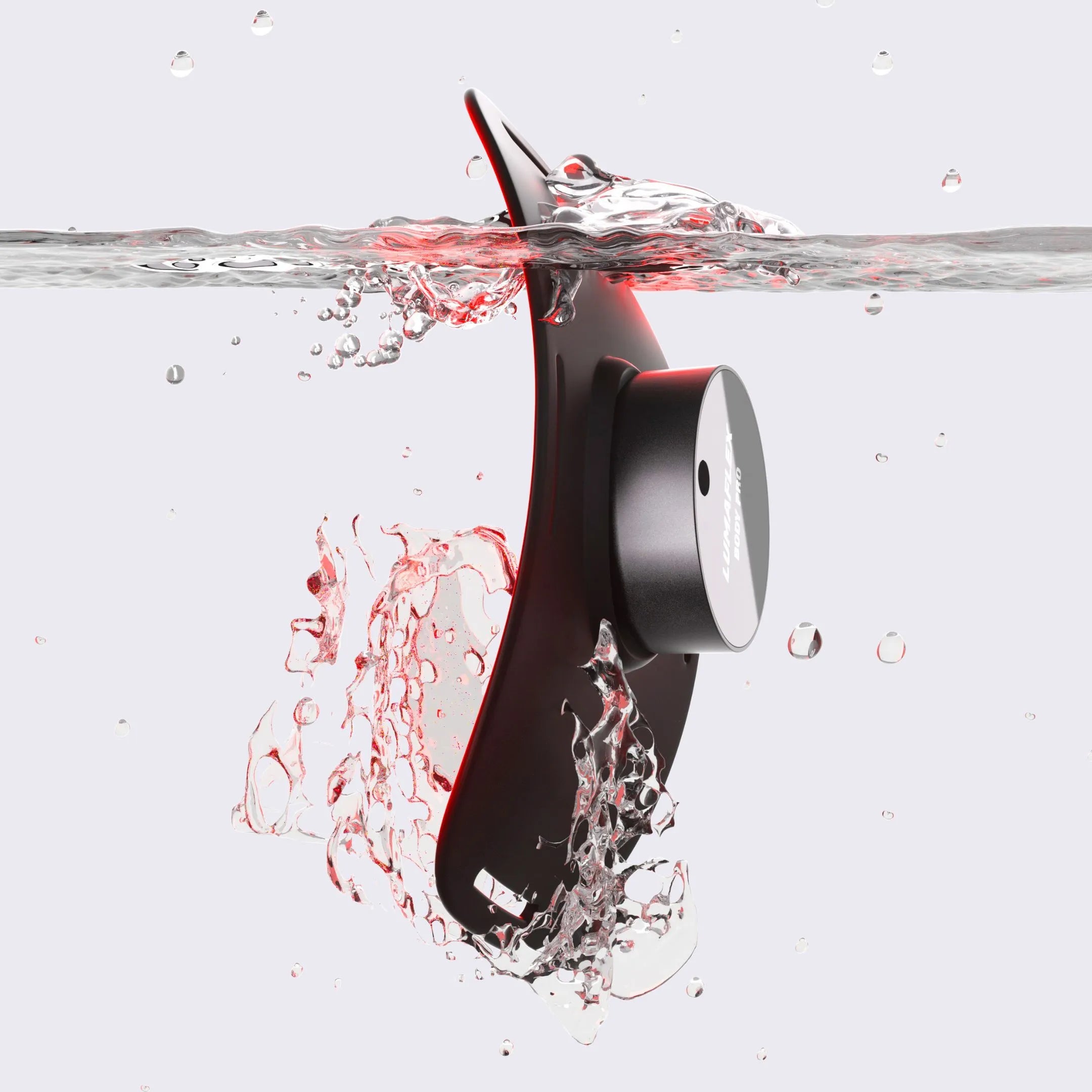
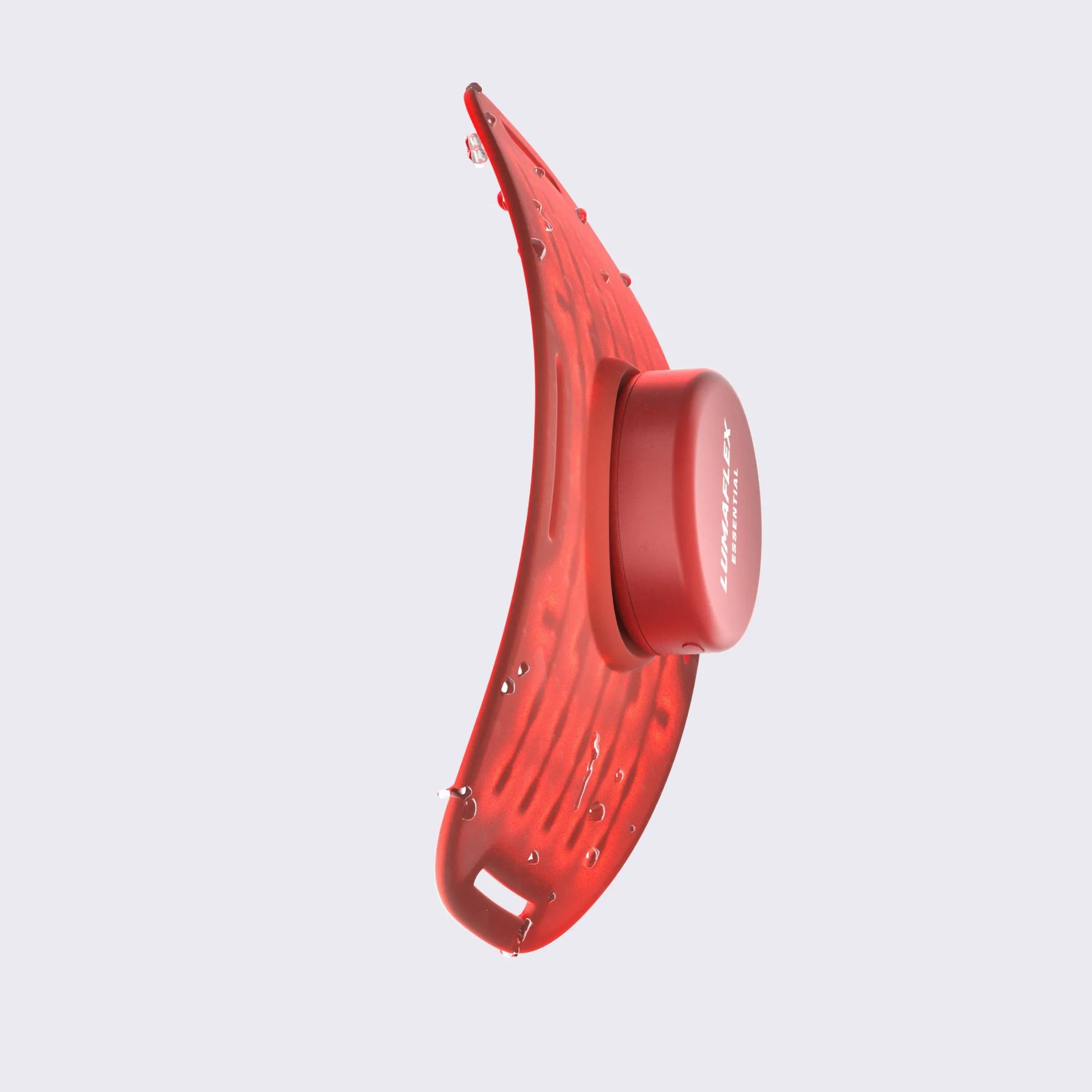
The Lumaflex Essential Pro uses six wavelengths: 630 nm, 660 nm, 810 nm, 850 nm, 904 nm, and 1064 nm. This includes both red and near-infrared wavelengths used in photobiomodulation research.
For microneedling recovery, the important consideration is not simply having more wavelengths. Wavelength, treatment parameters, timing, and the condition of the skin all need to be considered together. Red light therapy should be introduced only when the skin is ready and according to the aftercare guidance for the procedure.
What the Current Evidence Suggests
The scientific rationale for combining red light therapy with microneedling comes from a broader body of photobiomodulation research rather than studies of microneedling alone.
Systematic reviews and meta-analyses have associated red and near-infrared light with improved wound healing, reduced discomfort, and increased fibroblast activity in a variety of skin wounds. Similar biological responses have also been observed following minimally invasive procedures, including fractional laser treatments, where photobiomodulation has been linked to improved tissue repair during recovery.
That doesn't mean the same outcomes can be assumed after microneedling. While the underlying biology supports using the two therapies together, direct clinical studies evaluating their combined cosmetic benefits remain limited.
Clinical perspective
Many dermatologists and estheticians include red light therapy as part of their post-treatment protocols because it may support the skin's natural healing process. It is generally viewed as a complementary therapy rather than a replacement for proper wound care or provider-directed aftercare.
A quick clarification: Photobiomodulation and photodynamic therapy are different treatments.
Although both use light, photodynamic therapy (PDT) combines light with a photosensitizing medication to treat specific medical conditions, such as actinic keratosis and certain skin cancers.
Some clinical studies have paired microneedling with PDT to improve medication delivery. Those findings should not be interpreted as evidence for using standard red light therapy after microneedling, because the two treatments work through different mechanisms.
Should You Use Red Light Therapy Before or After Microneedling?
Red light therapy can be used before or after microneedling, but post-treatment use is more common because it aligns with the skin's natural healing process.
Timing |
Why It May Be Used |
What to Know |
Before microneedling |
Some providers use red light therapy to prepare the skin or improve comfort before treatment. |
Less common and supported by less direct evidence than post-treatment use. It should not replace standard pre-treatment skin preparation. |
After microneedling |
May support the skin's natural recovery process while collagen remodeling begins. |
The most common approach. Follow your provider's guidance on when to begin based on your treatment depth and recovery. |

Before Treatment
Some clinics include a brief red light therapy session before microneedling as part of their treatment protocol. Although this approach is used in some practices, it has been studied less than post-treatment use and should be viewed as an addition to standard skin preparation rather than a replacement for it.
After Treatment
After microneedling, the skin is already moving through inflammation, tissue repair, and collagen remodeling. This is the stage where photobiomodulation is thought to have the greatest relevance, which is why many providers include red light therapy as part of their post-treatment care.
When Should You Start Red Light Therapy After Microneedling?
Recovery isn't measured by the calendar alone. The best time to begin red light therapy depends on your treatment, your skin's recovery, and your provider's aftercare instructions.
Visible redness and sensitivity are often more useful guides than the number of days since your appointment.
What influences when you can restart red light therapy?
The right time to restart red light therapy depends on more than the number of days since your treatment. Consider these factors before adding it back into your routine.
Treatment Depth and Procedure Type
Professional microneedling typically reaches deeper layers of the skin than at-home treatments and may involve topical serums, numbing agents, or combination procedures that influence aftercare. Because deeper treatments create more tissue disruption, recovery generally takes longer before additional treatments are introduced.
Let Your Skin Set the Timeline
Your skin is often a better guide than the calendar. Before restarting red light therapy, redness and sensitivity should be improving, and your skin should feel less reactive than it did immediately after treatment. If you're unsure whether you're ready, follow your provider's recommendations or wait until your skin has recovered further.
Practical tip
If you're unsure, err on the side of waiting. Once visible redness and sensitivity have clearly improved, confirm with your provider that it's appropriate to begin, then start with shorter sessions before returning to your usual routine.
What Happens During Microneedling Recovery?
Your skin often looks healed before it has finished healing.
Redness and sensitivity often improve within days, but collagen remodeling continues for weeks beneath the surface. The visible signs of healing fade long before the repair process is complete.
Typical Recovery Timeline
Recovery Stage |
What You May Notice |
What's Happening Beneath the Surface |
First 24 hours |
Redness, warmth, mild swelling, sensitivity |
The skin begins its inflammatory response and starts repairing the controlled micro-injuries. |
Days 2 to 7 |
Redness fades, light flaking or peeling may occur |
The skin barrier recovers while new collagen production continues. |
Weeks 2 to 6 |
Skin appears healed, with gradual improvements in texture |
Collagen remodeling continues beneath the surface, contributing to longer-term results. |
First 24 Hours
The first day after microneedling is when your skin is at its most vulnerable. Redness, warmth, mild swelling, and tightness are all normal as the healing process begins.
During this stage, the microchannels created by the needles have not fully closed, making the skin more permeable than usual. Keep your routine simple by focusing on gentle hydration and avoiding active ingredients, makeup, unnecessary touching, or anything that could further irritate the skin.
Days 2 to 7
As redness and sensitivity begin to settle, the skin shifts from its initial inflammatory response into barrier repair. Light flaking or peeling is common during this stage as older skin cells shed and the skin barrier continues to recover.
By the end of the first week, your skin may look close to normal. Beneath the surface, however, the healing process is still underway, and collagen production continues long after the visible signs of recovery have faded.
Weeks 2 to 6
Collagen remodeling becomes the focus during the weeks that follow microneedling. As newly formed collagen matures and reorganizes, the skin gradually becomes stronger and more structured beneath the surface.
This ongoing remodeling contributes to the improvements in skin texture, firmness, and overall appearance that develop over time. While the visible signs of recovery have usually resolved by this stage, the biological repair process is still active.
How Often Can You Use Red Light Therapy During Recovery?
Most recovery protocols favor short, regular sessions over occasional long or high-intensity treatments. Once your provider has confirmed it's appropriate to begin, consistency is generally more important than doing more.
Keep these principles in mind during recovery:
Start gradually. Begin with shorter sessions before returning to your usual routine.
Follow your device's instructions. Treatment distance, session length, and power output vary between devices.
Keep your skincare routine simple. Avoid introducing strong exfoliants, retinoids, or multiple new treatments at the same time.
Let your skin guide the pace. If redness, stinging, or irritation increases after a session, reduce the frequency or duration and allow more time for recovery.
When in doubt, wait. If you're unsure whether your skin is ready, follow your provider's recommendations before increasing treatment frequency.
Skincare Tips When Combining Red Light Therapy and Microneedling
During the first few days after microneedling, keep your skincare routine as simple as possible. The priority is to protect the skin barrier, maintain hydration, and avoid unnecessary irritation.
A simple recovery routine includes:
Cleanse gently. Use a fragrance-free, non-foaming cleanser and avoid scrubbing or cleansing brushes.
Keep skin hydrated. Apply a simple moisturizer with ingredients such as hyaluronic acid or ceramides.
Protect your skin from the sun. Once your provider recommends sunscreen, use a broad-spectrum SPF whenever you'll be outdoors.
Pause potentially irritating products. Avoid retinoids, exfoliating acids (AHAs and BHAs), physical exfoliants, and heavily fragranced products until your skin barrier has recovered.
Reintroduce products gradually. Add one product or treatment at a time so it's easier to recognize irritation if it occurs.
Introduce red light therapy thoughtfully. Once your provider confirms it's appropriate, use it alongside a simple skincare routine and adjust based on how your skin responds.

When Should You Wait Before Using Red Light Therapy?
Although red light therapy is generally considered low risk, there are situations where it's best to wait until you've spoken with your healthcare provider or the clinician who performed your microneedling procedure.
Delay red light therapy if:
You have signs of an infection. Spreading redness, increasing warmth, pus, or fever after microneedling should be evaluated before introducing any additional treatment.
Your skin is more irritated than expected. Severe pain, blistering, or reactions that differ from your provider's expectations should be assessed before continuing recovery treatments.
You're taking photosensitizing medications. Some medications and topical treatments increase sensitivity to light. Check with your prescribing clinician or treatment provider before using red light therapy.
Your procedure has specific aftercare instructions. RF microneedling, PRP, laser resurfacing, and other combination procedures may require different recovery timelines than standard microneedling.
When in doubt, ask first.
If you're unsure whether your skin has healed enough to begin red light therapy, follow your provider's guidance rather than a general timeline.
Frequently Asked Questions
Can I use an LED mask after microneedling?
Yes, once your provider confirms your skin is ready. Red light LED masks are commonly used during recovery, but the right timing depends on your treatment depth and how your skin is healing.
Can I use red light therapy immediately after microneedling?
Not always. Superficial treatments may allow earlier use, while deeper professional procedures often require more recovery time. Follow your provider's aftercare instructions rather than using a fixed timeline.
Does red light therapy help reduce redness?
Research suggests red light therapy may help support the skin's natural inflammatory response, but it isn't a guaranteed way to reduce post-treatment redness. Some redness is a normal part of microneedling recovery.
Can I use near-infrared light after microneedling?
Yes, when appropriate. Near-infrared light penetrates more deeply than red light and is also studied for its role in tissue repair. Follow the same timing and aftercare guidance you would for red light therapy.
How often should I use red light therapy after treatment?
Follow the treatment recommendations for your device and your provider's aftercare instructions. Recovery protocols generally favor shorter, consistent sessions over increasing intensity or frequency too quickly.
Can red light therapy replace microneedling?
No. Microneedling creates a controlled injury that stimulates the skin's repair process, while red light therapy may support the cells involved in that process. They complement one another but are not interchangeable.
Is red light therapy safe after professional microneedling?
Generally, yes. Professional treatments often involve deeper needle depths than at-home devices, so your provider may recommend waiting longer before restarting red light therapy.
Can I combine red light therapy with at-home derma rolling?
Yes, but the same recovery principles apply. Wait until visible redness and sensitivity have improved, follow your device's guidance, and avoid introducing multiple new treatments at the same time.
Should I use red light therapy before or after microneedling?
Most providers use red light therapy after microneedling. Although some clinics include a short session beforehand, post-treatment use is more common because it aligns with the skin's natural healing process.
What's the Best Way to Combine Red Light Therapy and Microneedling?
The best results don't come from using red light therapy as early or as often as possible. They come from introducing it at the right stage of recovery, following your provider's aftercare instructions, and keeping the rest of your routine simple.
Microneedling creates the stimulus for repair, while red light therapy may support the biological processes involved in healing. Used together thoughtfully, they can complement one another as part of a recovery plan that prioritizes your skin's natural healing process.
References
Mignon, C., et al. (2025). Photobiomodulation in skin wound healing: A systematic review and meta-analysis. Photodiagnosis and Photodynamic Therapy. https://doi.org/10.1016/j.pdpdt.2025.105029
Supports: wound healing, fibroblast activity, tissue repair, and the evidence section.Avci, P., Gupta, A., Sadasivam, M., et al. (2013). Low-level laser (light) therapy (LLLT) in skin: Stimulating, healing, restoring. Seminars in Cutaneous Medicine and Surgery, 32(1), 41-52.
Supports: photobiomodulation mechanisms, ATP production, collagen synthesis, and skin repair.Hamblin, M. R. (2017). Mechanisms and applications of the anti-inflammatory effects of photobiomodulation. AIMS Biophysics, 4(3), 337-361.
Supports: inflammation, tissue repair, and biological mechanisms.Singh, A., & Yadav, S. (2016). Microneedling: Advances and widening horizons. Indian Dermatology Online Journal, 7(4), 244-254.
Supports: microneedling mechanism, wound healing cascade, indications, and recovery.Iriarte, C., et al. (2017). Review of applications of microneedling in dermatology. Clinical, Cosmetic and Investigational Dermatology, 10, 289-298.
Supports: collagen induction, treatment depth, recovery, and clinical applications.Guo, S., & DiPietro, L. A. (2010). Factors affecting wound healing. Journal of Dental Research, 89(3), 219-229.
Supports: inflammatory, proliferative, and remodeling phases of wound healing discussed in the recovery timeline.Karu, T. I. (1999). Primary and secondary mechanisms of action of visible to near-infrared radiation on cells. Journal of Photochemistry and Photobiology B: Biology, 49(1), 1-17.
Supports: mitochondrial absorption, ATP production, and foundational photobiomodulation mechanisms.