Red Light Therapy for Burns, Cuts, and Skin Injuries: How It Supports Healing

Burns, Cuts, and Skin Injuries That Heal Slowly? How Red Light Therapy May Help
Skin injuries like burns or cuts occur regularly; and they tend to happen more often during busy moments, like holiday cooking, party preparations, or fireworks celebrations. A minor injury from cooking, exposure to sunlight, a shallow wound, or scrape may remain red, inflamed, and painful for a few days. When healing is slow, it turns simple routines into awkward and frustrating experiences. People such as seniors, active adults, caregivers, and children with delicate skin notice this more often.
Red light therapy for burns and skin injuries is a gentle, non-invasive option that may support the body’s healing response. Specific wavelengths of light help cells produce energy and repair themselves more efficiently. While it shouldn’t feel hot or painful, its role is supportive. It calms irritation and promotes healthier recovery over time.
Even when using red light, always follow medical advice. If there is a serious burn, damaged skin, or signs of infection, get professional support right away. Red light therapy can complement medical treatment; but it does not replace first aid, prescription care, or medical evaluation when injuries are serious.
Table of contents
Types of Burns, Cuts, and Skin Injuries (and Why Some Heal Slowly)

Skin injuries heal better if you know exactly what kind they are. Depending on how bad it is, treatment changes completely.
Common types of skin injuries include:
Burns- skin reacts badly when exposed to heat, boiling water, sun rays, or rising steam. You’ll see redness, swelling, or blisters. Markings remain longer when the injury reaches deeper levels.
Cuts- When a blade, glass fragment, or metallic edge breaks the skin, it causes what we call a cut. Some cuts are surface-level, while some cuts penetrate deeper into the layered tissue. Deeper wounds tend to bleed more than shallow ones, and medical help might be necessary if the bleeding does not stop.
Abrasion- Bumps on pavement can leave marks where skin meets ground. When you slide across concrete, tiny layers wear off - this is what doctors call an abrasion.
Minor wounds -A break in the skin, slight though it may be, often appears as a tiny puncture or surface-level cut. Such injuries respond well when cleaned carefully using simple first-aid methods.
These injuries are usually sustained from cooking, exposure to the sun, physical activity, or doing chores around the house. Around the holidays, they may happen while preparing meals, handling hot trays, lighting sparklers, or cleaning up after gatherings.With age, skin becomes more sensitive. How fast the skin heals matters, especially for seniors. Slow healing can increase discomfort and sensitivity. With proper care, inflammation often settles more quickly, protecting you from prolonged pain and infection.
For sensitive skin, supporting tissue repair is especially important. If you want to learn more about its use for diabetic wounds, you can read our full article Red Light Therapy for Diabetic Wounds.
What Is Red Light Therapy (Photobiomodulation) and How Does It Help Skin Heal?

Photobiomodulation (PBM), commonly referred to as red light therapy, is a non-invasive treatment to support the body’s natural healing process. PBM uses red and near-infrared wavelengths of light, so you won’t feel any heat or burning sensation from the PBM itself.
When PBM penetrates your skin, it creates an energy source for the cells located within the layers of your skin. Increased energy results in more consistent cell function, which may support the healing environment for damaged tissue, including minor abrasions and superficial burns. Deeper or second-degree burns should always be evaluated by a clinician before using any light therapy device.
In addition, red light therapy has been shown to reduce inflammation. Increased circulation and cell communication are believed to be factors involved in reducing redness, swelling, and irritation associated with the recovery period following an injury.
For more information about how PBM helps promote faster recovery of injuries, please refer to our detailed informative guide on Red Light Therapy for Wound Healing.
How Red Light Therapy Helps Burns and Skin Injuries Heal
With respect to healing your skin, there are three main processes: inflammation control, tissue repair, and new cell growth. Red light therapy helps these processes by providing a recovery boost.
Red Light Therapy Reduces Inflammation and Redness
The healing process of minor wounds includes inflammation. But prolonged inflammation can slow down the healing process and cause discomfort. Red light therapy for skin injuries can help by calming down the inflammation, redness, and pain. Red light therapy creates a nice balance that lets the healing take its course with less irritation.
Red Light Therapy Supports Collagen and Tissue Repair
Collagen is important in skin repair. It provides strength and structure to healing tissues. Use of red light therapy to support collagen production can assist in repairing damaged skin. Supporting collagen formation helps build stronger, more resilient healing tissue and may reduce the risk of fragile or easily re-injured skin.
Red Light Therapy Improves Blood Flow to Injured Skin
Blood flow plays an important role in healing, and using red light therapy may help to widen blood vessels and to provide oxygen and nutrients to the injured area. The use of red light therapy for treating minor injuries can improve the efficiency of healing, as well as allowing for easier removal of cellular debris from the injury site.
Red Light Therapy Encourages Faster Epithelialization
Epithelialization is the process of brand-new skin cells growing over the top of a wound. A review published in Advances in Wound Care in 2014, red light therapy gives a boost to the cellular activity that's going on beneath the surface, which can result in closing the wound faster and the entire healing duration being cut down.
In order for red light therapy to provide benefits to the skin, it needs to be applied at the appropriate times; however, it should not interfere with proper wound care.
During New Year celebrations, minor burns from stovetops, baking trays, candles, or fireworks may happen more often. When they’re minor, supportive approaches like red light therapy may help the skin feel calmer while it heals. It should always be alongside proper first aid.
Red Light Therapy for Cuts and Abrasions: Supportive Treatment for Minor Wounds
Red light treatment for cuts, as well as red light skin injury treatment, according to a 2017 study, may help heal minor wounds, scrapes, and abrasions on the skin. Such minor skin wounds are quite common, especially as a result of everyday, physical, or outdoor activities or tasks. Even though such wounds can heal by themselves, sometimes they take a little longer to heal.
Photobiomodulation may help calm redness and support tissue repair, but it should never be applied to infected wounds, bleeding injuries, or deep cuts. Since it stimulates cellular functions and aids in the promotion of collagen, it enhances the regeneration of the skin. Additionally, it improves the flow of blood, which ultimately brings oxygen to the affected part.
To achieve the best outcome, red light therapy for skin injuries must be done together with proper care for the wound. Make sure that the cut or abrasion is kept clean, either by covering it with a bandage if necessary, and keep an eye out for signs of infection.
Research on Red Light Therapy for Burns and Wound Healing

Lab and clinical studies on PBMT
A team of researchers, Anju Yadav and Asheesh Gupta, looked into what happens when wounds heal under red and near-infrared light back in 2017. Their work took place in labs and clinics alike. Instead of guessing, they watched actual changes within skin cells during recovery. Light waves between 630 and 680 nanometers made things move smoothly at the cellular level. Healing patterns stayed on track when exposed to those exact shades of red. On top of that, rays from 800 to 830 nanometers showed promising effects but were invisible to our eyes. These ranges stood out among others tested so far.
Evidence for wound healing acceleration
A fresh look at 47 lab trials on rodents appeared in Photomedicine and Laser Surgery back in 2010. Light in the red or near-infrared range seemed to speed up recovery from minor injuries. Instead of waiting longer, animals healed quickly when exposed to this kind of light. Cuts got smaller fast, skin rebuilt more smoothly, and damage faded better, especially with shallow wounds or light scalds. Results pointed toward stronger healing across all these minor skin injuries.
Healing takes different paths. This kind of light works best when the damage stays close to the surface. Not deep cuts, not bad burns, never on infected areas; those require real medical help. When it comes to little scrapes or common bumps, the red light therapy for skin injuries can support your way of natural healing.
How to Use Red Light Therapy Safely for Burns and Skin Injuries
Red light therapy helps minor burns and shallow skin injuries heal, provided the damage is slight. Deep burns, open cuts, or any hint of infection need a doctor first. To use the red light therapy for burns without harm, observe the rules below.
Around holidays and New Year festivities, burns and cuts may feel urgent — but avoid rushing treatment. First make sure the injury is cleaned, cooled, and assessed before using any device.
Session Duration - Expose the wounded skin to the red light for five to fifteen minutes. The exact time depends on the device and its intensity.
Frequency - Use the red light therapy three to five days each week and leave at least one rest day between sessions so the skin can calm down.
Distance but also Positioning - Rest the device a few inches from the skin, as the manufacturer advises. The light should touch the skin, not sting it.
Monitor Skin Response - If the spot turns redder, itches, or hurts, switch the device off and do not resume for a day.
Combine with Proper Wound Care - Wash the wound, cover it lightly as well, and watch for infection or swelling. Use the device only as an aid, not a replacement for standard care.
Observe those five rules, and red light therapy for burns and skin injuries will assist healing without adding risk.
What Red Light Therapy Can and Cannot Do for Burns and Cuts
Red light therapy helps with small burns and minor cuts, but it has strict limits. The table below states what it does, plus what it leaves untouched.
| What Red Light Therapy Can Do | What Red Light Therapy Cannot Do |
|---|---|
| It supports the skin’s own repair work. | It does not clear infection or dirty wounds. |
| It lowers swelling, redness, and soreness. | It does not take the place of first aid or a doctor’s care. |
| It raises collagen output and promotes new cell growth. | It does not close severe burns or serious damage. |
| It boosts blood flow to the wounded area. | It does not prevent complications after major trauma. |
When you know those boundaries, you can use the red light therapy for burns with less risk and more gain. Treat it as one help among many. Clean the wound, dress it as well, and seek medical advice for any injury that is not normal.
Is Red Light Therapy Safe for Healing Burns and Skin Injuries?
When used correctly, red light therapy helps skin heal without warming the area. When used correctly, red light therapy is generally well-tolerated and non-burning. Small wounds like cuts or scrapes respond well to this kind of exposure. Energy reaches cells directly, giving them what they need. Repair happens naturally because of that boost. Never is there trauma from the process itself.
Even though it feels mild, keep a few things in mind to stay safe:
Eye Protection: Brighter devices can tire your eyes faster. Safety glasses help; use them. Vision matters more than curiosity.
Sensitive Skin: If your skin reacts quickly, best to check with a doctor first to see if this option fits your situation. Not every remedy works the same way on delicate complexions.
Proper Use: Sticking to the recommended session duration matters. Weekly usage should match what the guide outlines. Device distance to the skin plays a role, too. Going beyond limits might lead to skin discomfort.
A solid pick means checking if it works well at home. Look into devices already approved for personal spaces.
Healing small skin wounds gently becomes possible with red light therapy when routines stay consistent. This therapy skips pain while helping tissue recover smoothly behind the scenes.
Why Lumaflex is Designed to Support Skin Recovery Safely
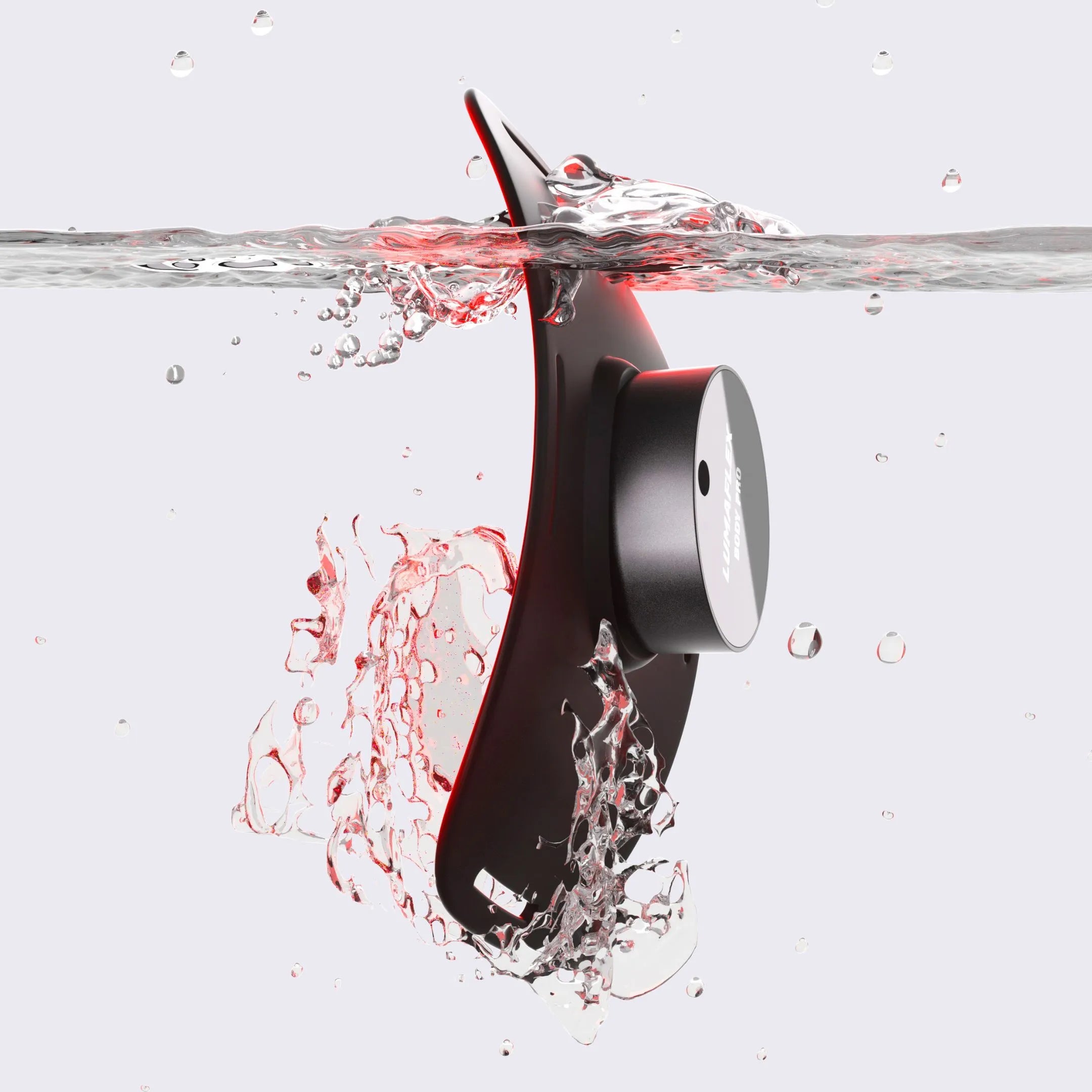
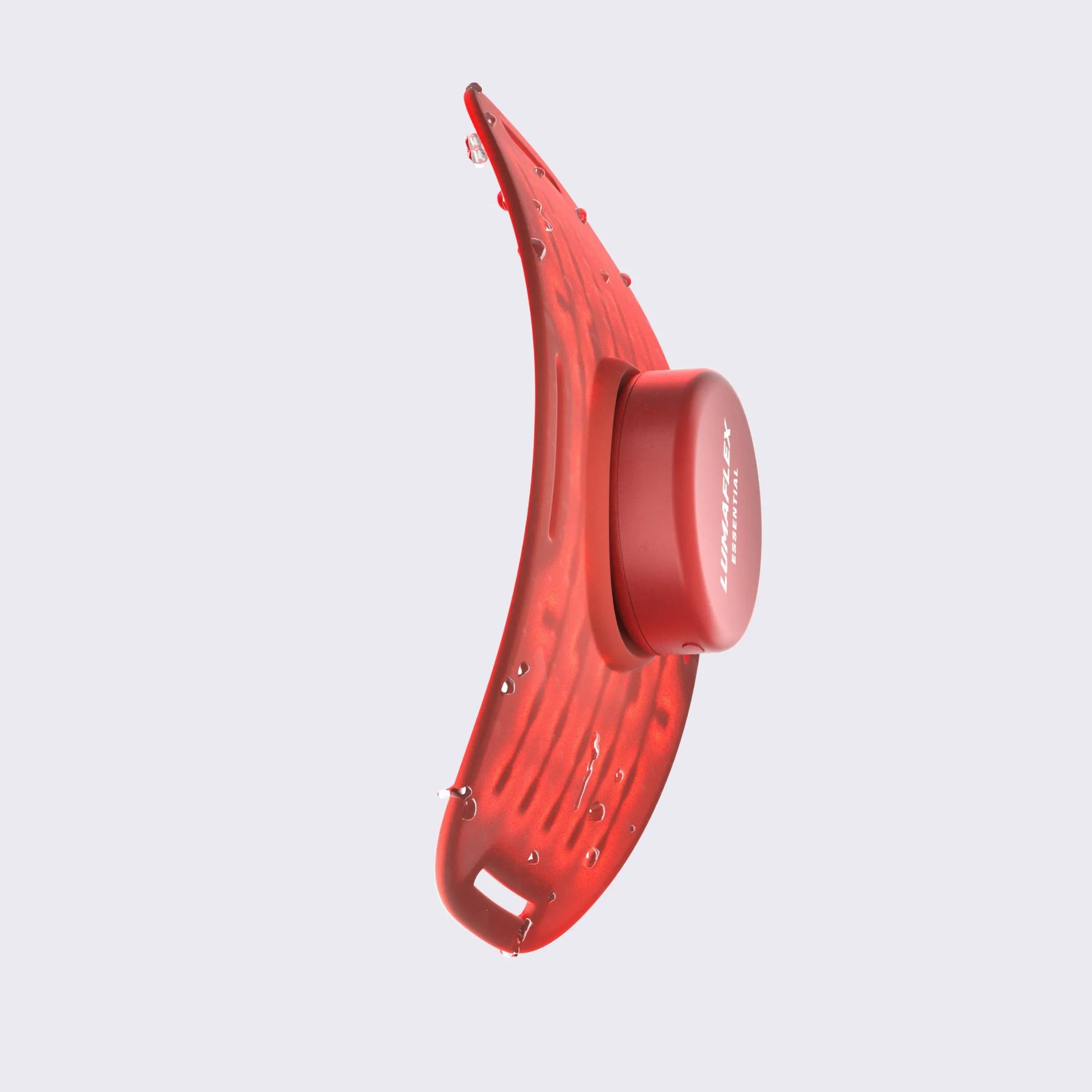
Lumaflex devices give safe support while skin heals from burns, cuts, and small injuries. It uses two kinds of light, red and near-infrared light, which travel past the surface and reach deeper skin layers. The light urges cells to repair themselves and to build new collagen.
Every session delivers the same steady light, which lowers inflammation, prompts tissue to regrow, but also helps skin close faster. The device is portable, so you can aim it at a wound at home or while travelling.
The device stays cool and will not burn skin. Simple controls limit dose and prevent irritation. Use the device as directed, as well as keep up standard wound care, and the result is a gentle, handy support that offers gentle support and convenience while your body heals; when used alongside proper wound care.
FAQs: Red Light Therapy for Burns, Cuts, and Skin Injuries
Can red light therapy heal burns?
When it comes to healing burns, red light might help calm swelling while also boosting collagen. Healing promotes fresh skin cells that tend to grow more easily under the light. The best results show up with small injuries. But this isn’t meant to take the place of seeing a doctor when needed.
Can red light therapy work on open cuts?
Safety first, check how red light therapy interacts with wounds. A fresh scrape might heal a bit faster with red light, though deeper wounds need a doctor’s eye before any device comes near. Wash the spot gently beforehand; watch closely for redness or stinging. Healing isn’t always about what you add; sometimes it’s what you avoid.
Can red light therapy help sunburn?
Yes. Red or near-infrared light can calm skin that's flushed or sore after a little too much sun. This kind of light might help healing begin sooner by easing irritation gently.
How soon can I use red light therapy after a burn?
Wait until the skin is intact (no open skin, blisters, or active oozing) and tenderness has eased. When unsure, ask a clinician before starting.. Stay clear of damaged areas or serious burns while sticking to suggested durations and guidelines. Safety matters most when timing each round.
Is red light therapy helpful for burns or cuts from fireworks or holiday cooking?
Minor surface burns or small cuts may benefit from supportive care like red light therapy, as long as they’re clean, not blistering, and not deep. Anything that looks severe, infected, or painful enough to worry you should be seen by a medical professional first.
Final Thoughts: Using Red Light Therapy Safely for Burns and Minor Skin Injuries
Red light therapy for burns and minor skin injuries can be a gentle, supportive tool that helps the body’s natural healing processes. Where swelling slows recovery, this therapy can assist by calming irritated tissue, forming new skin, improving blood flow, and encouraging collagen production. Comfort during healing often becomes noticeable without added interventions.
Early intervention supports better outcomes when the skin shows no breaks or damage. Treatment periods should match guidance on timing, repetition, number of sessions, and device placement. Pause if discomfort appears. Safety and performance improve only when used alongside correct wound management practices.
Keep in mind, treatment with red light does not substitute for medical treatment. In cases involving serious burns, deep lacerations, exposed wounds, or evidence of infection, expert evaluation becomes necessary. Tools such as Lumaflex allow home-based support during healing (especially useful when minor injuries happen during busy seasons), using gentle, focused stimulation that works alongside routine care when managing small surface injuries. This method aids the body’s natural repair process under proper conditions.
If you’re managing minor burns, cuts, or slow-healing skin, red light therapy may help support natural recovery.
Use it safely. Use it consistently. And always follow medical guidance first.
If you’d like a gentle, home-ready option, explore how Lumaflex can support your healing routine; without replacing proper care.