Red Light Therapy for Wound Healing: From Diabetic Ulcers to Cold Sores
Having Trouble with Slow Recovery? Here’s how Red Light Therapy Helps Heal Wounds
Red Light Therapy for Wound Healing - Many people struggle with slow healing. As years pass or when conditions like diabetes appear, blood flow declines, which slows tissue repair. Without enough oxygen reaching damaged spots due to weak circulation, recovery takes longer. At the same time, excessive inflammation prevents proper healing instead of helping it. When healing feels delayed, comfort and daily activities can suffer.
Red light therapy for wound healing offers a gentle and non-invasive support. Once red and near infrared wavelengths are absorbed, they raise cellular function along with circulation. Called photobiomodulation, the approach works alongside natural repair processes without heat, pain, or damage to skin.
To set things straight, red light therapy won’t fix health issues, so don’t skip doctor visits or standard care. Still, if combined with correct treatment and expert advice, it might help maintain a smoother healing. While ineffective alone, improved results can happen through mindful application.
- 1. Having Trouble with Slow Recovery? Here’s how Red Light Therapy Helps Heal Wounds
- 2. What is Red Light Therapy, and Why Use it for Wound Healing?
- 3. How Red Light Therapy Supports Wound Healing
- 4. Red light therapy for Healing Different Types of Wounds
- 5. What Wavelengths Are Best for Wound Healing?
- 6. Ways to use red light therapy safely when healing wounds
- 7. What red light therapy helps with, and won't, when it comes to wounds
- 8. Is Red Light Therapy Safe for Wound Healing?
- 9. Why Lumaflex Is Designed for Recovery and Healing
- 10. Common Questions on Red Light Therapy for Wound Healing
- 11. Final Thoughts: Aiding Healing With Gentle Light
What is Red Light Therapy, and Why Use it for Wound Healing?
Red light therapy provides gentle treatment using red and near-infrared wavelengths to help the body's built-in repair system. In basic terms, it’s known as photobiomodulation - a way to speed up tissue repair. Instead of heat or irritation, specific light signals are used, so cells perform better without damaging skin. Because of this, those needing extra support for wound healing often consider this option.
The red and near-infrared light waves go deep into your skin. Once absorbed by your body, they signal activity within mitochondria - the cell parts that make energy. Those units produce ATP, which supports healing together with tissue repair.
Certain cells need extra energy to repair injuries, calm inflammation, or help grow fresh skin. For this reason, red light therapy for wound healing is commonly used, especially when recovery seems slow or incomplete.
How Red Light Therapy Supports Wound Healing
Red light therapy offers a gentle treatment to help older adults, people with diabetes, or individuals experiencing delayed skin repair. Here’s how it helps in wound healing:
Reduces Inflammation
Chronic inflammation could slow down healing while adding discomfort. Research points to red light therapy for inflammation healing because it lessens swelling, calming tender spots, and helps wounds heal quickly. The treatment supports recovery by guiding tissue repair step by step. If you want to know more about how RLT helps in calming inflammation, visit Red Light Therapy for Pain Relief.
Boosts blood flow while enhancing oxygen supply
Good blood flow matters for healing wounds. With red light therapy, small veins may work better, so oxygen and essential nutrients get delivered faster. When cells get enough airflow, healing speeds up without complications. This really helps people with diabetes or weak circulation.
Boosts collagen while helping skin heal itself
Collagen is what keeps skin tough and smooth. Red light therapy boosts this collagen production, which helps renew damaged skin while forming tighter, tougher new layers where wounds were. That speeds up how fast cuts or sores heal, also improving overall durability of skin down the line, showing why red light therapy works well for skin healing.
Boosts the growth of new blood vessels
A wound heals properly only when oxygen and nutrients reach it consistently. These arrive through fresh blood vessels that develop near damaged tissue; this is called angiogenesis. Red light treatment boosts this by increasing the movement of blood in recovering areas. As circulation improves, healing progresses more smoothly, possibly lowering the chances of delayed or complicated recovery later.
These adjustments help the body heal faster. While red light supports healing, results improve if combined with good wound treatment and guidance from a medical professional.
Red light therapy for Healing Different Types of Wounds
Red light therapy is a supportive tool for some skin and tissue problems. People usually try it under these circumstances.
Using red light to help heal wounds in diabetes, also foot sores
Diabetes can reduce circulation, slowing wound healing, especially in the feet. Studies suggest red light therapy for diabetic wounds might improve tissue regrowth, enhance collagen production, or encourage fresh capillary development where damage exists. Despite encouraging outcomes, medical supervision remains essential during treatment use.
Discover further details on using red light approaches for diabetes care. See Red Light Therapy for Diabetes.
Using red light to treat cold sores and mouth issues
Viral sores like cold sores cause swelling plus discomfort, whereas recovery usually requires patience. Red Light therapy could reduce redness, support skin repair, or ease pain. Remember, it may help alongside standard care but mustn't replace medical antivirals.
Using red light to help heal cuts from surgery and scars
After surgery, controlling swelling while helping repair is crucial. Red light therapy may improve circulation; furthermore, it can assist in skin renewal or result in less noticeable scars when used alongside standard care routines.
Using red light to help heal wounds, burns, also skin damage
Small wounds such as cuts or grazes, as well as mild burns, tend to heal faster with improved circulation. Red light therapy for skin healing supports tissue recovery by stimulating collagen, along with raising cellular function. The approach strengthens the body’s own regeneration, resulting in speedier closure of damaged areas. Renewed skin becomes stronger because cells gain extra energy.
This is backed by the 2010 study published in the Chinese journal of medical instrumentation which claims that systemic red light therapy was effective to promote wound healing of deep-thickness burn wounds and other similar acute wounds. Simultaneously, it is efficacious in pain relief and safe for those patients
Using red light to help heal pressure sores or long-lasting wounds
Wounds like pressure sores commonly occur in elderly or bedridden individuals. Better circulation from red light therapy can support recovery. Since such wounds always require doctor oversight, using this approach alongside standard medical care tends to be most effective.
Red light therapy can be a supportive tool for various wound types. While not a replacement for medical care, understanding its role supports smarter choices in treatment planning.
What Wavelengths Are Best for Wound Healing?
Red light therapy uses certain wavelengths to penetrate varying levels of skin. In the 630–660 nm spectrum, these rays often target shallow wounds such as small cuts or irritated areas. Such frequencies boost cellular function while reducing surface-level swelling.
With wounds involving deeper layers like surgery cuts or foot sores from diabetes, light in the 810 to 850 nm range is commonly applied. Because this type penetrates more deeply under the skin, it helps circulation along with healing processes.
Some red light therapy devices use dual wavelength technology. As a result, they treat the skin and tissue below in one go. That way, various wounds get help faster, no complex setup needed and and safe for home use.
Ways to use red light therapy safely when healing wounds
Using red light therapy the right way helps wounds heal safely. Each session runs from 10 to 20 minutes per spot, based on the device and wound type. It’s done three or four times weekly, just enough for the body to rest to avoid overexposure.
Proper distance and positioning are important. Hold the device at a recommended range, typically several inches from the skin, so the beam covers every part of the wound without gaps. Put on safety glasses when necessary; don't let the light hit your eyes straight on. Shift it around to keep things evenly covered.
Red light therapy might be a supportive tool for recovery, but keep using clean techniques, bandages when needed. It helps, but isn’t a fix on its own.
What red light therapy helps with, and won't, when it comes to wounds
Finding out how red light therapy works and where it doesn't is key to using it safely for wounds. While it might help healing go faster, hold off on trying it without first checking with your doctor.
| What Red Light Therapy Can Do | What Red Light Therapy Cannot Do |
| Help your body heal by calming inflammation, boosting blood flow, or helping build collagen. | Cure infections or address what’s causing wounds in the first place. |
| Promote quicker healing when started early and regularly | Replace expert healthcare, cleaning injuries, or doctor-recommended solutions |
| Boost skin repair while speeding up healing. |
Work on its own to help heal long-lasting or severe wounds. |
Red light therapy works best if you begin it soon after being wounded and use it regularly, along with your full recovery routine.
Is Red Light Therapy Safe for Wound Healing?
Red light therapy for wound healing is safe because it’s gentle and non-invasive. Seniors handle it with no trouble at all. It’s good for minor wounds since it boosts repair without making a fuss. Many go for this option because of how simple it feels and the little pain involved.
Used the right way, red light can help wounds heal with almost no danger. By boosting blood flow, it might also aid collagen growth or calm down inflammation. This is why you’ll see it in treatments aimed at easing inflammation.
Stick to your device’s instructions, using gentle sessions often. When dealing with sores that are open or infected, move carefully. Wrong use might lead to skin discomfort or slower healing if shining the red light directly on exposed areas. People with slow-healing wounds, diabetes, or persistent cuts ought to talk with a doctor before starting. It may support usual treatments, though it shouldn't replace expert health guidance.
Why Lumaflex Is Designed for Recovery and Healing
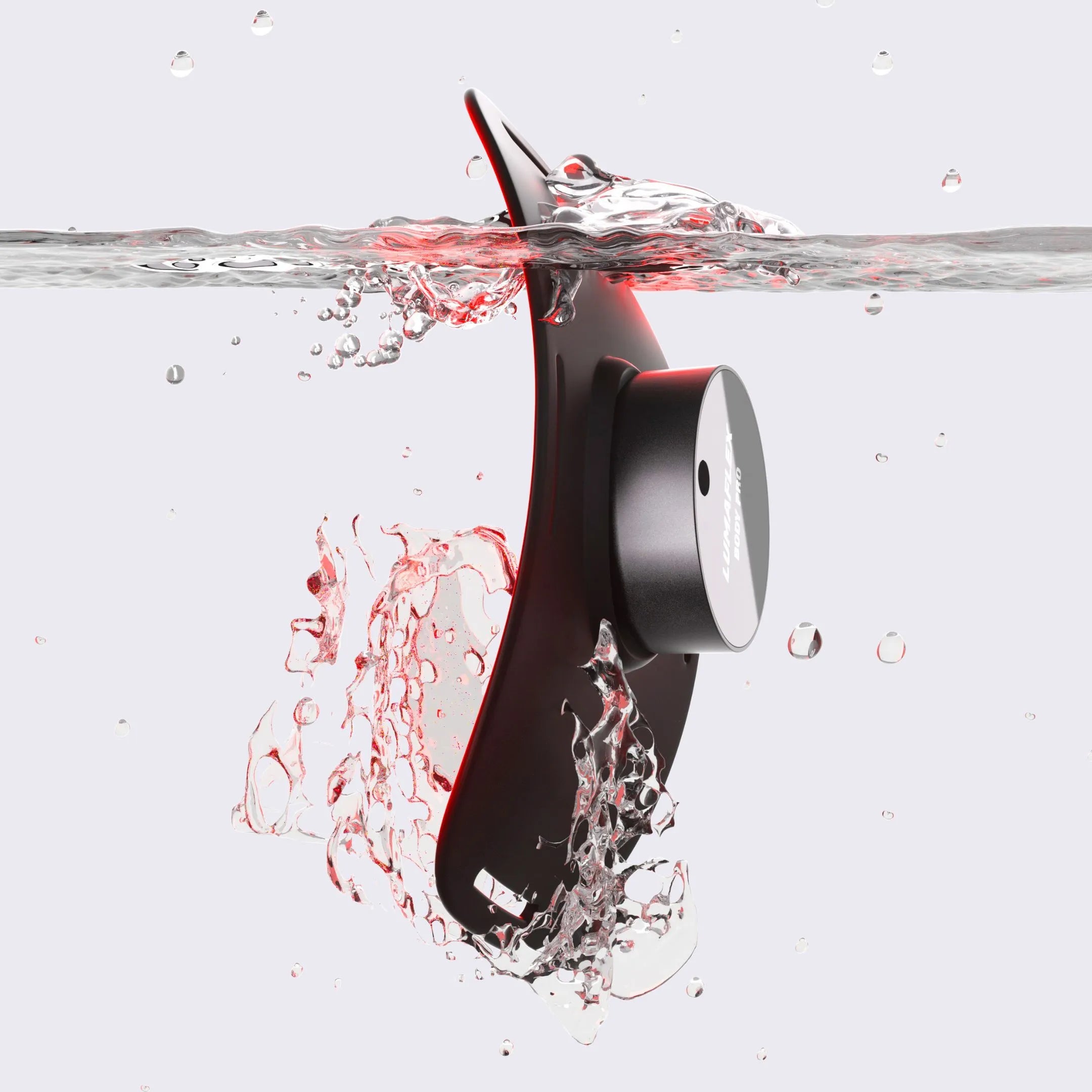
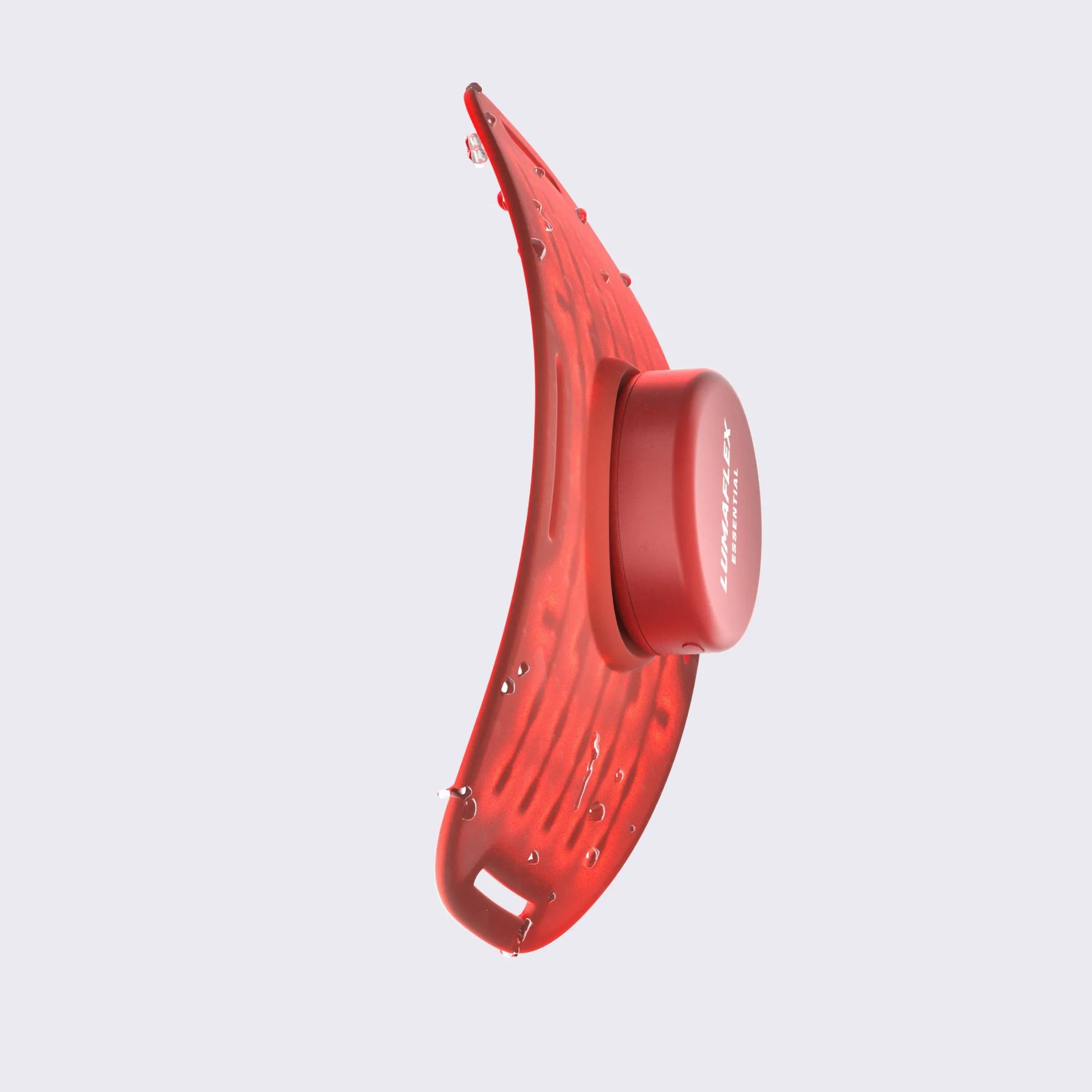
Lumaflex devices help skin heal fast, are built smart but simple to use. Not just one light but two ranges work together: 630–660 nm tackles shallow cuts, while 810–850 nm dives deep into tissues below. That combination covers many kinds of wounds without complications.
The devices are lightweight, so seniors can carry them around without a hassle. This helps keep treatments uninterrupted right from the living room, a key to effective red light therapy for wound healing. Older users won’t struggle either because it is built with big buttons and clear labels, letting them start quickly, with no agitation or complicated steps.
Lumaflex devices deliver steady results, so your treatment stays on track every time. Red light therapy for wound healing is reliable in boosting cell growth while helping blood flow and tissue renewal. Because of these benefits, it’s a solid pick for people seeking at-home recovery solutions.
Common Questions on Red Light Therapy for Wound Healing
1. Does red light therapy help repair open wounds?
Red light therapy may assist healing through better circulation, while also lowering swelling and encouraging collagen production. However, it mustn't substitute professional medical advice or standard care practices.
2. What’s the timeframe for noticeable outcomes?
Healing varies by wound size, how bad it is, also personal health factors. Several users see reduced swelling or pain within weeks, but complete healing might need more time. Using it regularly while following care tips brings better results.
3. Could red light treatment heal diabetes-related wounds without risks?
Red light therapy could help improve recovery and blood flow in wounds caused by diabetes; however, individuals managing this condition must consult a healthcare provider first. While benefits are possible, medical advice is necessary before use.
4. Does red light therapy assist scar recovery?
Red light therapy might help boost collagen production while encouraging tissue repair; this could gradually make your skin tougher and enhance how scars look.
Final Thoughts: Aiding Healing With Gentle Light
Red light therapy speeds up wound healing by helping your body repair wounded areas more quickly, at the same time reducing irritation and inflammation. Studies reveal it improves circulation, strengthens skin via collagen growth, and energizes cells to perform efficiently. Since it is a gentle and non-invasive option, users who are aging, dealing with diabetes, or recovering after surgery may benefit from trying it.
To get full benefits, use it often but carefully. Combine treatments with proper wound cleaning, and also follow your doctor’s tips; this can boost recovery. Devices like Lumaflex can give consistent light therapy at home, using dual wavelengths ideal for seniors, making them stick to a routine way easier.
Using red light therapy when healing boosts skin recovery while also improving tissue regeneration. Give Lumaflex devices a go each day. They deliver reliable care at home, exactly where it’s needed.