Red Light Therapy for Seniors with Dementia: Calm Routines at Home

Red Light Therapy for Seniors with Dementia: A Comfort-Focused Guide for Families
Caring for a loved one with dementia can feel overwhelming, especially when everyday comfort becomes harder to maintain. Many families and caregivers find themselves searching for gentle, at-home ways to help seniors feel calmer and more at ease throughout the day. This guide to red light therapy for seniors with dementia is written for adult children and caregivers who want simple, supportive options that fit naturally into daily routines.
Seniors living with memory challenges may experience restlessness, disrupted schedules, agitation, or difficulty relaxing in familiar surroundings. These moments can be just as challenging for caregivers as they are for the person receiving care. While red light therapy is not intended to improve memory or treat dementia, some families choose to use it as a comfort-focused wellness tool that many older adults tolerate well.
This article shares caregiver-friendly tips for using red light therapy safely, with a focus on comfort, emotional calm, and realistic expectations. The goal is not change. It is gentle support, routine, and moments of ease for both seniors and the people who care for them
How Daily Routines Can Reduce Stress for Seniors with Dementia

How Daily Routines Help Reduce Stress and Confusion
Seniors living with dementia often find reassurance in familiar daily patterns. When routines stay consistent, there is less confusion and fewer surprises throughout the day. Simple habits, such as eating meals at the same time or resting quietly in the afternoon, can help lower tension and support a calmer state of mind. When thinking and communication become more difficult, predictable routines provide comfort without the need for explanation.
Why Comfort Comes Before Correction
Comfort plays a central role in quality of life for older adults with memory challenges. Gentle comfort-focused approaches aim to create peaceful moments rather than change behavior. When a senior feels physically and emotionally at ease, caregivers may notice fewer signs of stress or agitation. According to a study published in the Scandinavian Journal of Caring Sciences (2017), managing agitation in dementia often starts with the environment. Soft lighting, quiet surroundings, and calming activities can make a meaningful difference.
How Rest and Relaxation Support Daily Well-Being
Restlessness and disrupted sleep are common concerns, especially in the evening hours. A calming routine before bedtime can help the night feel more manageable for both seniors and caregivers. Consistent relaxation practices signal that it is time to slow down. Over time, a predictable daily rhythm can support emotional comfort and a more settled mood for everyone involved.
What Is Red Light Therapy and How It Can Support Comfort and Relaxation
Red light therapy is a gentle, non-invasive wellness tool that uses soft red light to create a calm and soothing experience. For families considering red light therapy for seniors with dementia, its quiet and touch-free nature is often appealing. The light works silently and steadily, which helps avoid sudden sensory changes that may feel unsettling for older adults.
Rather than focusing on treatment or change, red light therapy is often used as part of a comfort-focused routine that supports relaxation in a familiar setting.
A Gentle, Senior-Friendly Wellness Tool
Senior-friendly red light therapy is simple and passive. Older adults can remain seated in a comfortable chair or resting on a mat while the light is applied. There is no need to hold a device or follow instructions during use. Because of this, caregivers can introduce red light therapy into daily routines without adding stress or effort.
Simple and Familiar Home Setup
Using red light therapy at home can be straightforward. Devices are often placed near a favorite chair, couch, or resting area where the senior already feels at ease. Sessions are kept brief and always supervised. A quiet room with minimal distractions helps maintain a peaceful atmosphere throughout the session.

Creating a Calm and Relaxing Environment
Red light therapy can be paired with other calming elements such as soft lighting, gentle music, or familiar daily habits. Together, these elements support relaxation and help seniors settle into a steady rhythm. Short and consistent sessions can become a comforting part of the day, offering caregivers an easy way to encourage calm and routine.
For more information on general safety considerations, caregivers can also review: Is Red Light Therapy Safe for Older Adults?
How to Use Red Light Therapy Safely with Seniors Who Have Dementia
When introducing red light therapy, safety and comfort should always come first. A gentle and peaceful setting can influence how a senior responds. Choose a calm room with soft lighting and reduce background noise. Familiar surroundings help older adults feel more at ease during new activities.
Caregivers can support safe sessions by keeping a few points in mind:
-
Set up a calm, familiar space: Use a location the senior associates with rest or relaxation.
-
Position devices securely and hands-free: Place the light near a chair or bed and secure cords out of walking paths. Hands-free devices let seniors sit or recline without holding or adjusting anything. You may also use wearable devices for security and comfort.
-
Keep sessions short and supervised: Begin with brief sessions that match the senior’s attention span. Stay nearby to offer reassurance and watch for signs of discomfort.
-
Focus on comfort over duration: Supportive seating, soft cushions, and gentle lighting help sessions feel calm and integrate naturally into daily routines.
With thoughtful setup, supervision, and consistency, short and gentle sessions can become a comforting part of the day.
Creating a Calming Daily Routine with Red Light Therapy
A consistent, gentle routine brings stability for seniors living with dementia. Pairing red light therapy with familiar activities can enhance comfort and create a calm, predictable day.
Caregivers can try these simple practices:
-
Pair therapy with gentle music or familiar sounds: Soft music, natural noises, or favorite songs can help seniors relax and associate the session with calm.
-
Use regular times of day: Schedule sessions at the same time each day, such as morning or evening. Predictable timing helps seniors anticipate the routine.
-
Ensure comfortable seating: Choose a soft cushion, favorite chair, or familiar corner. Proper support helps seniors feel safe and relaxed.
-
Optional light stretching or micro-movements: Brief, gentle movements before or during sessions may enhance comfort. Always follow the senior’s abilities and preferences.
-
Keep sessions short and consistent: A few minutes at a steady time each day is often more effective than longer, irregular sessions.
Combining these practices helps caregivers create a gentle wellness routine that supports comfort, relaxation, and predictability.
When to Use Caution with Red Light Therapy for Seniors
Red light therapy is generally gentle, but caregivers should stay mindful of safety. Paying attention to these points can make sessions safer and more comfortable:
- Watch for broken or sensitive skin: Avoid using the light on cuts, inflamed areas, or irritated skin. Test new areas gently and inspect before each session.
- Consider photosensitive medications: Some medications increase light sensitivity. Consult a healthcare provider if the senior takes these drugs.
- Monitor for signs of agitation: New or bright lights can cause unease. Stop the session if the senior seems bothered and try again later in a calmer setting.
- Always supervise sessions: Even brief sessions should be monitored. Your presence reassures the senior and ensures safety.
By keeping these precautions in mind, caregivers can make red light therapy a safe and gentle part of daily care.
Choosing a Senior-Friendly Red Light Therapy Device
Finding the right device can make sessions easier and more enjoyable for seniors. A few practical features help caregivers provide a calm and safe experience:
-
Hands-free and stable: Devices that stand on their own or can be secured firmly allow seniors to relax without holding the unit.
-
Easy-to-use controls: Large, simple buttons make starting or ending a session straightforward and reduce confusion.
-
Adjustable brightness: Being able to change the light intensity helps caregivers match the senior’s comfort level. Softer light can be calming, while moderate brightness may work better for some.
-
Lightweight and portable: Easy-to-move devices can be positioned near a favorite chair or resting spot.
- Simple maintenance: Easy-to-clean devices save time and reduce stress for caregivers.
A Device Caregivers Appreciate
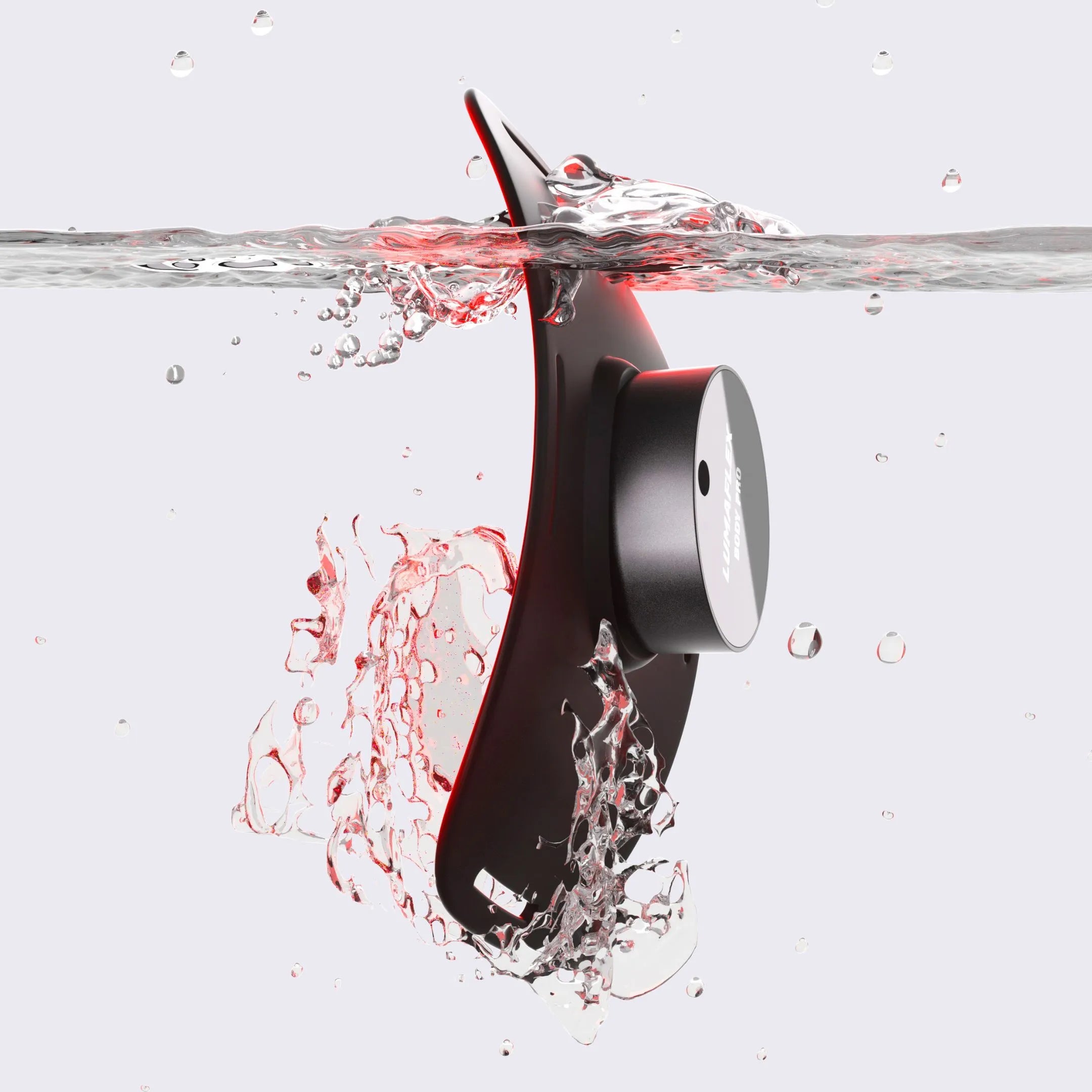
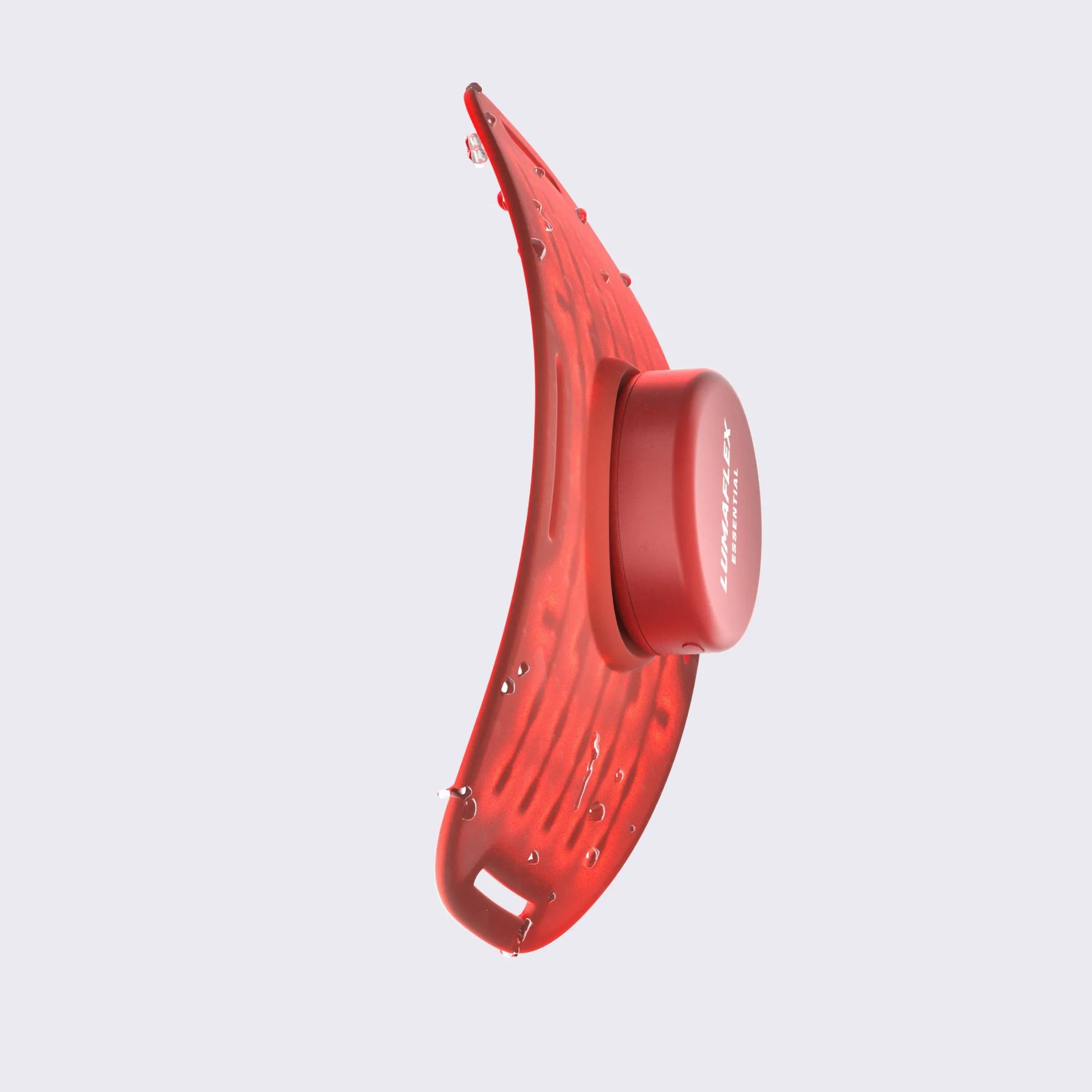
Many families find that Lumaflex works well for older adults. Its hands-free design, simple controls, and adjustable brightness make it easier to create a calming routine at home. These features can help seniors feel comfortable while caregivers manage sessions smoothly.
By choosing a device with these practical features, caregivers can make red light therapy a calm and predictable part of the day. Seniors are more likely to enjoy sessions when the setup is simple, safe, and familiar.
How Red Light Therapy Brings Calm and Comfort to Seniors Daily
Red light therapy for seniors with dementia can be a safe and gentle way to bring moments of calm into daily life. When used thoughtfully, it fits naturally into familiar routines and quiet, soothing environments.
Adding short, regular sessions to a daily wellness routine can help seniors feel more settled. Having a caregiver nearby provides reassurance and ensures the experience remains comfortable for everyone.
This approach creates simple, comforting moments in everyday care without adding complexity. Red light therapy works well alongside other senior-friendly relaxation tools. Over time, these gentle sessions can become a predictable and calming part of the day. By observing how seniors respond and following basic safety guidelines, caregivers can provide support in a safe, reassuring, and comforting way.
Frequently Asked Questions About Red Light Therapy for Seniors with Dementia
Can seniors with dementia use red light therapy safely?
Yes. When sessions are brief and supervised, red light therapy can be safe for older adults with dementia. Using a quiet, familiar space and observing the senior’s reactions helps ensure comfort. Always follow the manufacturer’s instructions and stop the session if the senior seems uneasy.
How long should sessions be for seniors with dementia?
Short sessions are best. A few minutes at a time is often enough, especially at first. Consistency matters more than length. Caregivers can gradually adjust the duration based on the senior’s comfort and tolerance.
Can red light therapy help calm agitation?
Red light therapy is not a treatment for agitation, but it may support relaxation when combined with gentle routines, familiar sounds, or dim lighting. Many families notice that calm, predictable sessions can make daily care feel smoother.
What device setup works best for seniors with memory challenges?
Choose a hands-free device with simple, easy-to-use controls. Place it near a favorite chair or resting spot in a familiar, quiet area. Adjustable brightness can help tailor the session to the senior’s comfort.
Who should avoid red light therapy?
Avoid using the light on broken or inflamed skin. Seniors taking photosensitive medications or with eye sensitivities should consult a healthcare provider before starting. Caregivers should always stay nearby to supervise sessions and ensure safety.
Can red light therapy help seniors sleep better?
Red light therapy is not a treatment for sleep disorders, but many families notice that brief, consistent sessions in the evening can promote relaxation. When paired with a calming bedtime routine, seniors may find it easier to settle and rest.
Is it safe to use every day for seniors with dementia?
Daily use can be safe if sessions are short, gentle, and always supervised. Caregivers should monitor for any signs of discomfort and follow manufacturer guidelines. Consistency, rather than duration, helps seniors get accustomed to the routine.