Red Light Therapy for Osteoarthritis: Gentle Relief at Home

Struggling with Osteoarthritis in Seniors? How Red Light Therapy Can Help
Struggling to help a loved one with stiff joints and daily aches? Caring for an aging parent or loved one with osteoarthritis can be challenging, especially when simple tasks like standing, walking, or sitting comfortably become difficult. Many caregivers are exploring gentle, at-home options like red light therapy for osteoarthritis to support comfort and ease without disrupting daily routines. While it is not a cure, red light therapy can be part of a safe, supportive wellness routine that helps seniors feel more at ease each day.
Caring for a loved one with osteoarthritis isn’t about “fixing” the condition. It’s about finding ways to ease daily discomfort and preserve independence. Simple adjustments, gentle routines, and supportive tools can make a meaningful difference in how seniors experience everyday movement.
Red light therapy for osteoarthritis has gained attention as a non-invasive, at-home option that some families find helpful. While it does not replace medical care, this gentle therapy may support comfort, reduce stiffness, and make daily activities a little easier for seniors. In this guide, we’ll explore how red light therapy works, what research suggests, and practical ways caregivers can integrate it safely into a calm, predictable routine.
- 1. Struggling with Osteoarthritis in Seniors? How Red Light Therapy Can Help
- 2. Why Routine and Comfort Matter for Seniors with Osteoarthritis
- 3. What Is Red Light Therapy for Osteoarthritis and How It Supports Joint Comfort
- 4. How to Use Red Light Therapy Safely with Seniors Who Have Osteoarthritis
- 5. Building a Daily Comfort Routine with Red Light Therapy for Osteoarthritis
- 6. Choosing the Right Red Light Therapy Device for Seniors with Osteoarthritis
- 7. How Red Light Therapy for Osteoarthritis Supports Comfort, Mobility, and Calm
- 8. FAQs About Osteoarthritis in Seniors
- 9. Frequently asked questions (FAQs)
Why Routine and Comfort Matter for Seniors with Osteoarthritis
Osteoarthritis is one of the most common joint conditions affecting older adults. It develops gradually as the protective cartilage within joints wears down over time. As this cushioning decreases, movement can become less comfortable and joints may feel stiff or sore during everyday activities.
In seniors, osteoarthritis often shows up in ways that directly affect daily routines and independence, including:
- Joint stiffness, especially in the morning or after long periods of rest
- Discomfort during walking, standing, or gripping objects
- Reduced flexibility or limited range of motion
- Swelling or tenderness around affected joints
- Fatigue or hesitation with movement due to ongoing discomfort
As people age, joints also tend to recover more slowly from daily stress. Inflammation within the joint may increase, and surrounding muscles can weaken when movement becomes more limited. These changes can make simple tasks feel more demanding over time.

For caregivers, understanding these patterns helps set realistic expectations. Medical care typically focuses on managing symptoms and preserving joint function. Alongside this, some families explore gentle, supportive options that focus on comfort and daily ease.
Research into light-based therapies has examined how specific wavelengths may interact with joint tissues and inflammatory processes, which is why red light therapy is often discussed as a complementary, comfort-focused approach for seniors living with osteoarthritis.
The emphasis remains on safety, comfort, and supporting daily movement rather than replacing medical care.
What Is Red Light Therapy for Osteoarthritis and How It Supports Joint Comfort
Several studies have explored how red light therapy can affect joint health and osteoarthritis symptoms, with encouraging findings for comfort and functional support in older adults. While it is not a cure, research suggests that red light therapy may help reduce stiffness, ease discomfort, and support gentle movement when used alongside other management strategies.
Key Insights from Clinical Research
-
Pain and stiffness reduction: Clinical trials have observed that regular red light therapy sessions can help lower perceived joint pain and stiffness in affected areas.
-
Improved tissue response: Specific wavelengths of red and near-infrared light may support cellular energy processes and tissue repair mechanisms, potentially easing inflammation and discomfort.
-
Safe and well-tolerated: Participants in studies generally tolerated therapy without adverse effects, making it suitable for older adults under supervision.
For example, a study published in Photomedicine and Laser Surgery (2016) evaluated low-level laser therapy in patients with knee osteoarthritis and found measurable reductions in pain and improvements in mobility.
Another review in Arthritis Research & Therapy highlighted that red and near-infrared light may help modulate inflammatory processes, supporting comfort and function in joint tissues.

What This Means for Caregivers
While research shows promising effects, red light therapy is best used as a complementary, comfort-focused approach rather than a replacement for standard care. Gentle, regular sessions may help seniors feel less stiffness and more ease when moving, standing, or walking. Caregivers should combine red light therapy with existing strategies like exercise, physical therapy, or medication, and always supervise sessions to ensure safety and comfort.
By keeping sessions consistent, brief, and gentle, families can help seniors integrate red light therapy into a daily routine that supports joint comfort, mobility, and overall well-being.
How to Use Red Light Therapy Safely with Seniors Who Have Osteoarthritis
Safety and comfort should always come first when introducing red light therapy for seniors. While the therapy is generally gentle, creating a calm, controlled environment ensures the senior’s experience is positive and beneficial.
Practical steps caregivers can follow:
-
Choose a familiar, quiet space: Position the senior in a comfortable chair or resting area where they feel secure. Minimize noise and distractions to help them relax.
-
Position the device safely: Place the red light device at the recommended distance from the joint, ensuring cords are secured and out of walking paths. Hands-free devices are ideal so the senior does not need to hold or adjust the unit.
-
Keep sessions brief: Start with short sessions—often just a few minutes per joint—to gauge comfort. Longer sessions can be considered gradually, based on tolerance and guidance from healthcare professionals.
-
Supervise every session: Stay nearby to provide reassurance and monitor for any discomfort or adverse reactions. The presence of a caregiver helps seniors feel secure.
-
Focus on comfort, not intensity: Use supportive cushions and gentle seating. Adjust light intensity to a comfortable level and avoid sudden changes in brightness or positioning.

By following these steps, caregivers can integrate red light therapy safely into daily routines. Short, consistent sessions may help seniors experience comfort and support gentle movement without adding stress to their day.
Building a Daily Comfort Routine with Red Light Therapy for Osteoarthritis
Incorporating red light therapy into a consistent daily routine can help seniors with osteoarthritis feel more at ease and supported throughout the day. When paired with familiar, gentle activities, sessions become predictable and calming rather than disruptive.
Tips for building a comfort-focused routine:
-
Schedule regular times: Choose a consistent part of the day, such as morning or evening, when the senior is most relaxed. Predictable timing helps them anticipate and feel more comfortable with the therapy.
-
Combine with soothing activities: Gentle music, quiet reading, or a warm beverage can enhance the calming effect and create positive associations with the session.
-
Ensure comfortable seating: Use a favorite chair, cushion, or resting spot to provide support and security during treatment.
-
Optional light movement: If appropriate, include small stretches or joint movements before or after the session. Always follow the senior’s abilities and comfort levels.
-
Keep sessions short and consistent: A few minutes each day is often more effective than long, irregular sessions. Consistency reinforces the routine and supports ongoing comfort.
By integrating red light therapy into a familiar, supportive daily routine, caregivers can help seniors manage the discomfort associated with osteoarthritis while maintaining a sense of calm and predictability.
Choosing the Right Red Light Therapy Device for Seniors with Osteoarthritis
Selecting a device that is safe, easy to use, and comfortable for seniors is key to a positive experience with red light therapy. Practical features can make sessions smoother for both the caregiver and the older adult.
Features to look for:
-
Hands-free and stable: Devices that stand on their own or can be secured firmly allow seniors to sit or recline without holding the unit.
-
Easy-to-use controls: Large, simple buttons make starting or ending sessions straightforward, reducing confusion and frustration.
-
Adjustable brightness: Being able to change the light intensity helps caregivers match the senior’s comfort level. Softer light can be soothing, while moderate brightness may be more effective for some joints.
-
Lightweight and portable: A device that is easy to move can be positioned near a favorite chair or resting spot, making sessions more flexible and convenient.
-
Simple maintenance: Easy-to-clean devices save time and reduce caregiver stress.
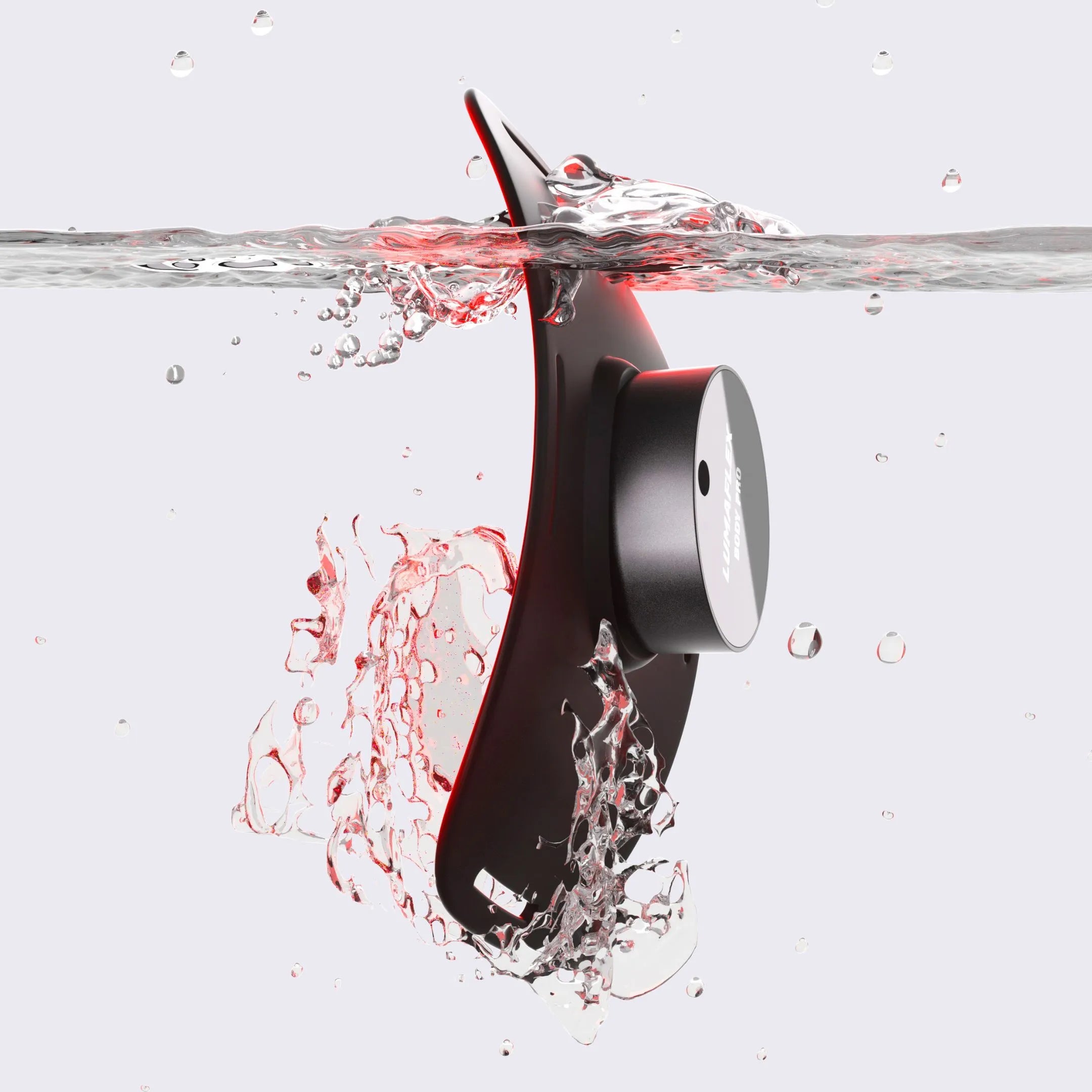
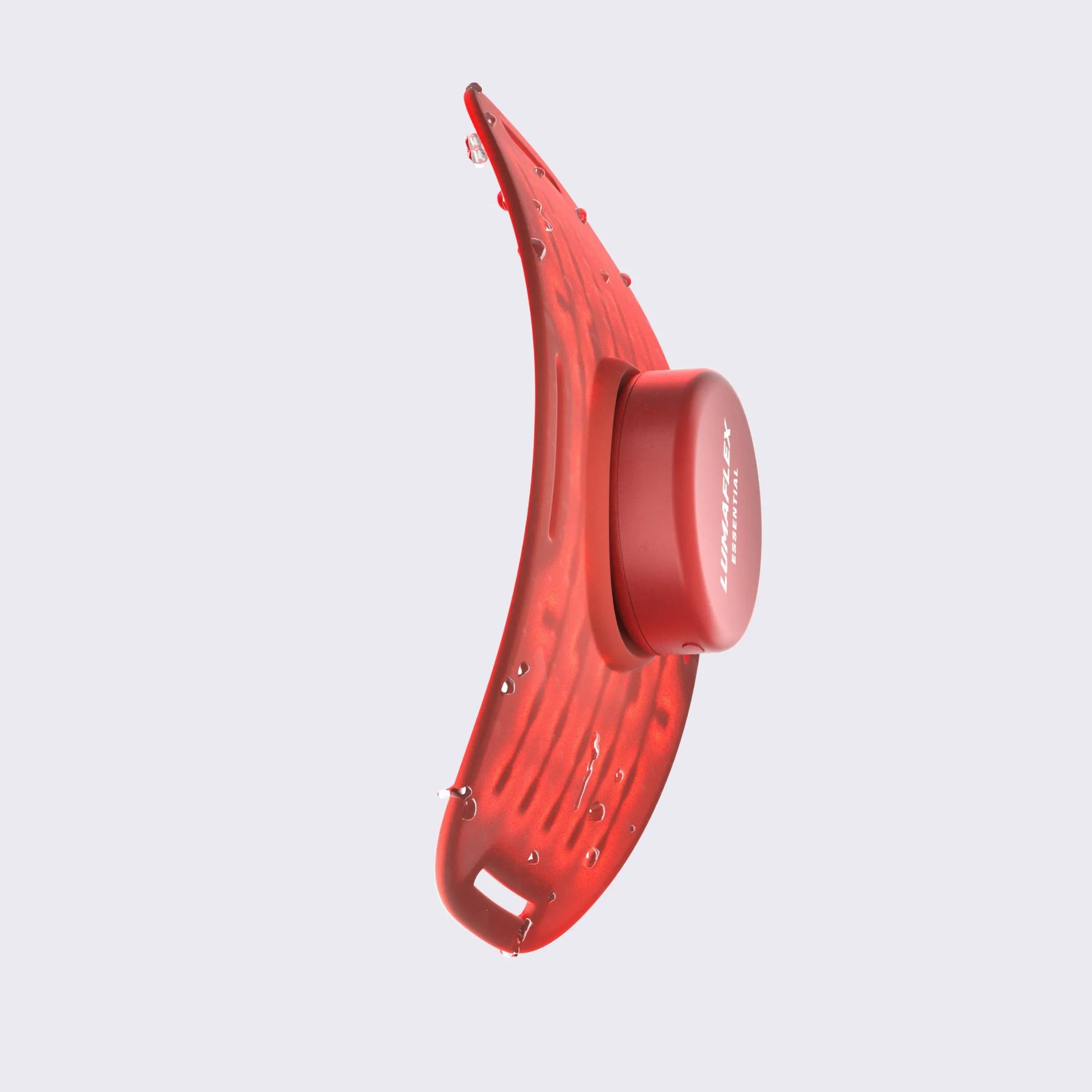
Many families find that Lumaflex offers features that align well with these needs. Its hands-free design, adjustable brightness, and simple controls make it easy to create a calm, predictable routine at home. Choosing a device with these practical qualities can help seniors feel comfortable while caregivers manage sessions smoothly.
How Red Light Therapy for Osteoarthritis Supports Comfort, Mobility, and Calm
Red light therapy for osteoarthritis can be a gentle, supportive way to help seniors manage joint discomfort and maintain daily movement. When used thoughtfully, it fits naturally into familiar routines and quiet, calming environments, providing moments of comfort and ease.
Short, consistent sessions combined with supervision help seniors feel safe while caregivers can confidently support their use. Pairing therapy with other gentle wellness practices—like light stretching, comfortable seating, and soothing sounds—can enhance the overall experience and make it part of a predictable, calming routine.
Choosing a device designed for ease of use, such as Lumaflex, can make integrating red light therapy into daily life simpler. Its hands-free setup, adjustable brightness, and user-friendly controls allow seniors to relax while caregivers manage sessions smoothly.
With careful setup, consistency, and attention to comfort, red light therapy can be a low-risk, calming addition to daily care, supporting mobility, reducing stiffness, and promoting a sense of well-being for older adults with osteoarthritis.
FAQs About Osteoarthritis in Seniors
Can red light therapy reduce joint pain in seniors with osteoarthritis?
Red light therapy may help ease joint discomfort and stiffness when used consistently, supporting gentle movement and daily comfort.
How often should seniors use red light therapy for osteoarthritis?
Short, daily sessions are often most effective. Start with a few minutes per joint and adjust based on comfort and tolerance.
Is red light therapy safe for seniors with sensitive skin or medications?
It is generally safe, but caregivers should monitor for skin sensitivity and check with a doctor if the senior is on photosensitive medications.
Can red light therapy improve mobility in older adults?
While it doesn’t cure osteoarthritis, red light therapy may support joint flexibility and comfort, making daily movements easier.
What is the best device setup for seniors with osteoarthritis?
Hands-free, adjustable, and easy-to-use devices, placed near a favorite chair or resting spot, ensure comfort and safe sessions
Can red light therapy help seniors sleep better?
Some seniors report improved relaxation and reduced discomfort, which can make it easier to settle into a restful sleep routine.
Is it safe to use red light therapy every day for seniors with osteoarthritis?
Daily use is generally safe with short, supervised sessions, provided comfort and skin tolerance are monitored