Methylene Blue Benefits for Athletes: Where It Works and Where It Doesn’t
Methylene Blue Benefits for Athletes: What the Science Actually Supports
Methylene blue is a mitochondrial compound that’s getting attention for its effects on cellular energy. It appears to help keep ATP production running, support oxygen use during aerobic work, and reduce some of the oxidative stress that comes with hard training. Most of this comes from lab and animal data rather than studies in athletes. As of 2026, it isn’t on WADA’s prohibited list, but IV use is restricted.

What Is Methylene Blue?
Methylene blue is a synthetic compound that’s been around for over a century, originally used as a dye, then later as one of the first pharmaceutical drugs. It’s still used clinically today for conditions like methemoglobinemia.
What’s changed is how it’s being looked at. The interest now isn’t historical. It’s mitochondrial.
Unlike most performance supplements, methylene blue doesn’t act as a stimulant or a fuel source. It works at the level of cellular energy, functioning as a redox-active compound inside the mitochondria. That’s what makes it unusual and why it’s started to show up in performance and recovery conversations.
How Methylene Blue Differs from Other Performance Supplements
Most performance supplements affect energy indirectly, either through the nervous system or by supporting one part of the energy cycle. Methylene blue sits closer to where energy is actually produced.
Caffeine works through the brain. Creatine helps recycle ATP during short, high-intensity efforts. CoQ10 is involved in mitochondrial energy transfer, but how much it does depends on how well it reaches the tissue.
Methylene blue works directly in the electron transport chain, where most ATP is made. That is the key difference, and the reason it is being looked at in a different way for performance and recovery.
How Methylene Blue Works at the Cellular Level
The Electron Transport Chain and Athletic Demand
The electron transport chain is where most ATP is produced, so it tends to become the limiting factor when training intensity climbs. As output increases, the system comes under stress. Reactive oxygen species build up, energy demand outpaces supply, and parts of the chain can start to slow down or function less efficiently.
You see that play out pretty quickly in performance. Fatigue sets in sooner, aerobic output drops off, and recovery between efforts takes longer than it should.
Methylene Blue as an Alternative Electron Carrier
Methylene blue can move electrons inside the mitochondria in a different way than the standard pathway. It can take electrons from NADH and pass them directly to cytochrome c.
That allows parts of the electron transport chain to be bypassed when they are not working efficiently. Electron flow keeps moving, and ATP production does not drop off as quickly under stress.
This has been shown clearly in lab settings. What is not clear is how much of that translates to actual performance in athletes.

ATP Production Enhancement: What the Research Shows
In lab settings, methylene blue consistently shows an effect on ATP production. In isolated mitochondria, Wen et al. (2011) reported increases in ATP output on the order of roughly 20 to 30 percent when electron flow is supported this way. A 2021 Cells study found similar effects, with ATP production increasing by around 30 to 40 percent in aged cells.
Those numbers sound significant, but the context matters. These are controlled cellular systems, not exercising muscle under real training conditions. They show what the mechanism is capable of under ideal conditions, not what an athlete can expect during performance.
So the underlying idea holds up. If ATP production is maintained more efficiently under stress, output and recovery should benefit. The gap is that this has not yet been clearly demonstrated in trained athletes under real-world conditions.
Oxygen Utilization and Mitochondrial Respiration
Methylene blue may also affect how efficiently oxygen is used at the mitochondrial level. During aerobic exercise, oxygen keeps ATP production running through the electron transport chain. When that process starts to break down, the body shifts earlier toward anaerobic metabolism and fatigue builds faster.
If mitochondrial respiration holds up better, that shift can be delayed. In practical terms, that can show up as:
- staying aerobic longer during steady-state efforts
- a slower rise in perceived fatigue
- less early lactate buildup during higher-intensity work
The mechanism makes sense. Direct evidence in trained athletes is still limited.
Antioxidant and Pro-Oxidant Dual Action
Methylene blue behaves differently depending on the dose. At lower doses, it tends to reduce oxidative stress and support mitochondrial function. Push the dose higher and that can reverse, with a shift toward increased oxidative activity instead.
That matters in training, because some oxidative stress is part of the adaptation process. The goal is not to eliminate it, just to keep it from getting out of range.
There is some support for this in the literature. A 2023 paper in the International Journal of Molecular Sciences reported lower TNF-α levels and signs of improved mitochondrial stability under stress conditions. Still, those findings come from controlled settings, not performance trials.
With methylene blue, the effect depends heavily on dose. Past a certain point, it stops being helpful.
What the Research Says: Mitochondria, Light, and Cellular Energy
Direct performance trials in athletes are still limited, but the mitochondrial mechanisms behind both methylene blue and red light therapy are relatively well described.
Red Light and Mitochondrial Activation
Photobiomodulation research shows that red and near-infrared light interacts with cytochrome c oxidase, a key enzyme in the electron transport chain. A 2010 study in Photomedicine and Laser Surgery found that this can increase mitochondrial respiration and ATP production, particularly under metabolic stress.
More relevant for athletes, later work has looked at how this translates to muscle performance. A study published in the Journal of Biophotonics reported that red and near-infrared light applied to muscle tissue improved measures of muscle performance and delayed fatigue, likely through the same mitochondrial mechanisms.
The key point is where this is happening. Cytochrome c oxidase sits at the end of the electron transport chain, so stimulating it tends to improve the flow of electrons through the entire system. When that step is more efficient, ATP production becomes more stable during and after exercise.
Methylene Blue and Electron Flow
Methylene blue acts on the same system from a different position. A 2015 paper in Frontiers in Cellular Neuroscience describes it as a redox cycler, meaning it helps shuttle electrons within the mitochondria.
What stands out is the combination of effects. Electron flow becomes more stable, ATP production is supported, and reactive oxygen species are reduced under certain conditions. That balance matters, because it suggests energy output can be maintained without the same level of oxidative stress.
This is also where methylene blue differs from more common supplements. It is not just supporting energy availability. It is influencing how efficiently the system runs under stress.
Where the Overlap Actually Matters
When you line these up, the overlap is fairly direct. Red light stimulates cytochrome c oxidase. Methylene blue helps move electrons through the chain. Both act on mitochondrial respiration, just at different points.
That makes the combination mechanistically interesting for athletes. In theory, improving electron flow while also stimulating the terminal step in the chain could support more consistent ATP production, delay fatigue, and improve recovery between efforts.
What is still missing is strong confirmation in trained athletes under real conditions. Much of the evidence comes from controlled studies or smaller performance trials, not large-scale, sport-specific research.
So the rationale is solid at the cellular level. The performance outcomes are still being worked out.
Methylene Blue Benefits for Athletes: What Research Suggests
Endurance and Aerobic Capacity
If mitochondrial efficiency holds up under load, endurance should improve. That is the basic idea behind methylene blue.
In practice, that would mean staying in aerobic metabolism longer before tipping into glycolysis. Effort feels more stable, and fatigue builds more gradually instead of spiking once oxygen use starts to fall off.
That connection makes sense at the cellular level. What is still missing is clear evidence of improved endurance in trained athletes.
Muscle Recovery and DOMS Reduction
Muscle soreness after hard training usually comes down to a mix of oxidative stress, inflammation, and temporary drops in cellular energy. The more those stack up, the longer recovery tends to take.
Methylene blue may influence part of that process. By supporting mitochondrial function, it can help restore ATP more efficiently, and under some conditions it appears to reduce oxidative stress as well.
That lines up with how recovery works in theory. The limitation is the evidence. Most of what we have comes from cellular work and animal models, not studies measuring soreness or recovery timelines in trained athletes.

Lactic Acid Buffering and Fatigue Resistance
At higher intensities, once energy demand outpaces what the mitochondria can handle, the body leans more on glycolysis and lactate starts to build.
If that threshold shifts even slightly, fatigue shows up differently. Efforts feel less abrupt, and the drop in output is not as sharp.
Methylene blue could influence that through its effects on mitochondrial function. That part is still being worked out, especially in trained athletes.
Cognitive Performance Under Physical Stress: The Mental Edge
Methylene blue crosses into the brain, which makes its effects different from most performance compounds.
Under fatigue, the issue is not just physical output. Attention drifts, pacing gets inconsistent, and decision-making starts to slip. That is where mitochondrial function in the brain becomes relevant.
There is some early human data here. A 2021 fMRI study showed increased activity in regions tied to attention and memory after a low dose of methylene blue, along with small improvements in cognitive performance under load.
Whether that translates to sport is still unclear. The link is plausible, especially in endurance events or situations where decisions have to be made under fatigue, but it has not been tested directly in athletes.
Methylene Blue and Red Light Therapy: The Performance Stack
Red light therapy and methylene blue are both acting on the same mitochondrial system. Red and near-infrared light target cytochrome c oxidase at the end of the electron transport chain. Methylene blue affects electron movement earlier in that chain.
They are not doing the same thing, but they are not independent either.
Methylene blue also absorbs light in the 630 to 850 nm range. That means it is not just present in the system while light is applied, it may be interacting with it directly.

How to Stack MB with Red Light Therapy for Athletic Recovery
When people combine methylene blue with red light therapy, the timing usually centers around the light session itself. Methylene blue is taken beforehand, then red or near-infrared light is applied to the areas that were just trained.
The idea is to have both acting on the mitochondria at the same time. One is supporting electron flow, the other is stimulating cytochrome c oxidase.
From there, the expected effects are mostly around energy and recovery. ATP production is the main target, along with nitric oxide signaling and how quickly tissue settles down after hard sessions.
There is some support for this in preclinical research, including animal work showing improved endurance linked to nitric oxide pathways. Human data is still limited, especially in trained athletes.
What the Lumaflex Essential Pro Adds to This Protocol
If you are applying red or near-infrared light in this context, the main variable is consistency. The wavelengths need to fall in the same 630 to 850 nm range that methylene blue responds to, and the device has to be practical enough to use regularly after training.
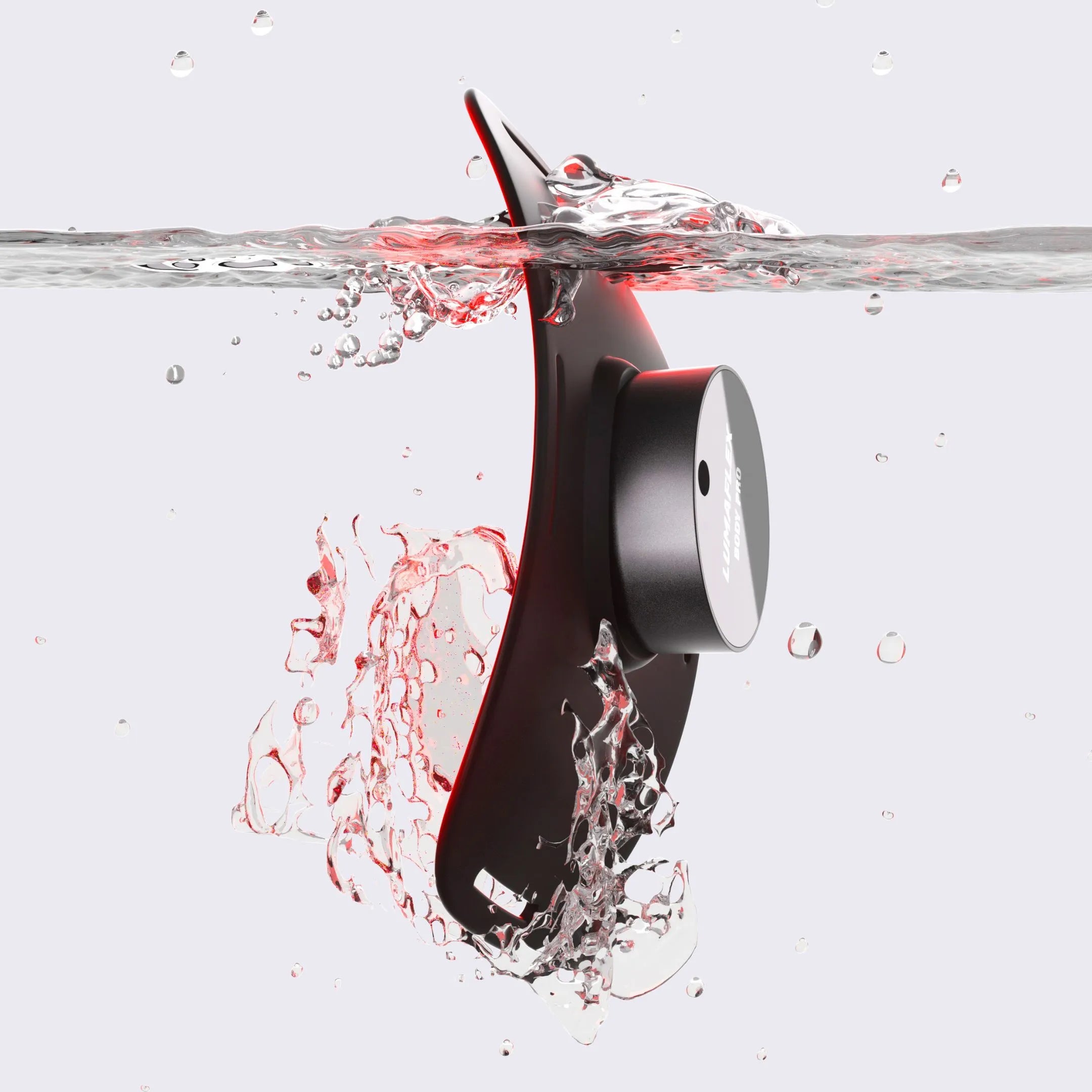
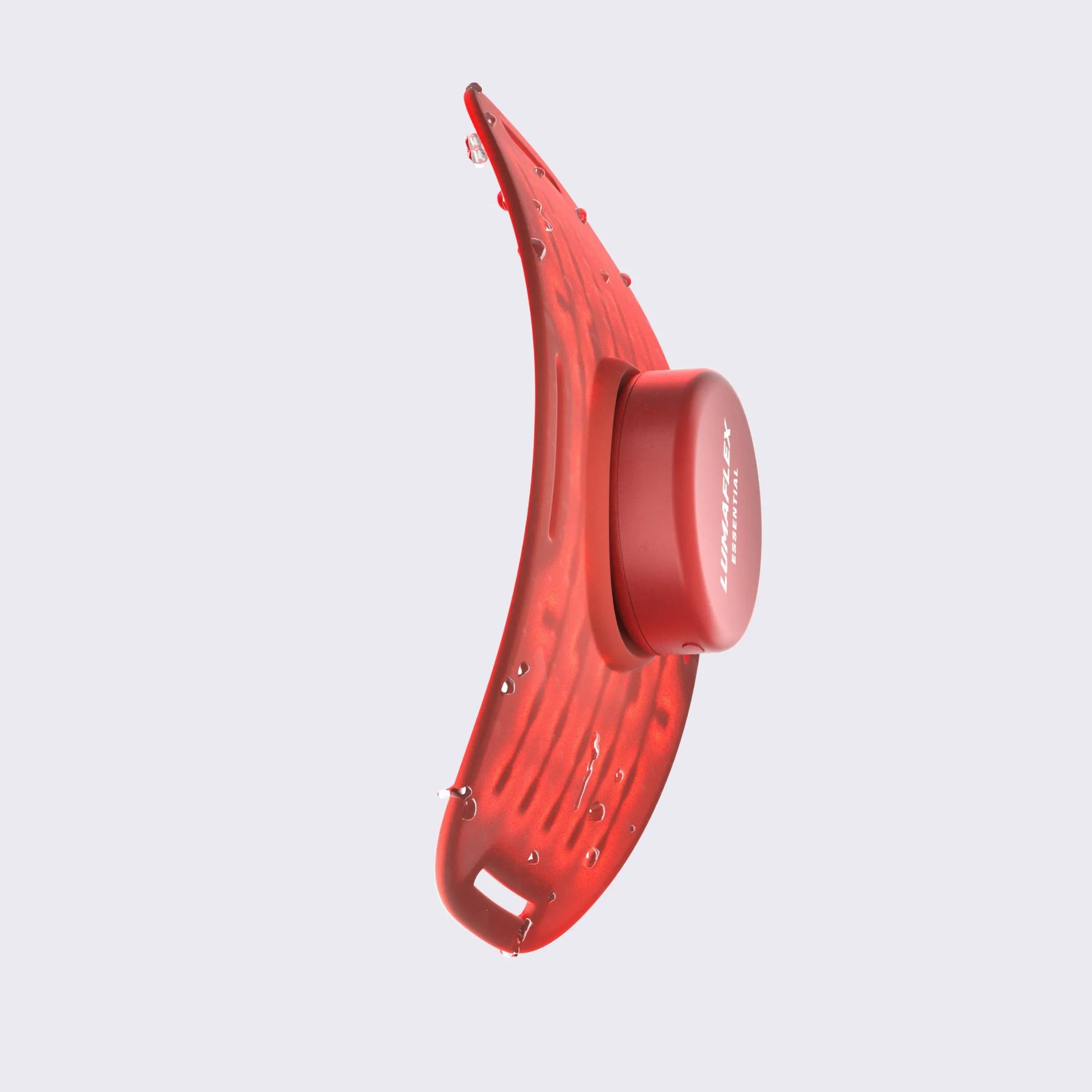
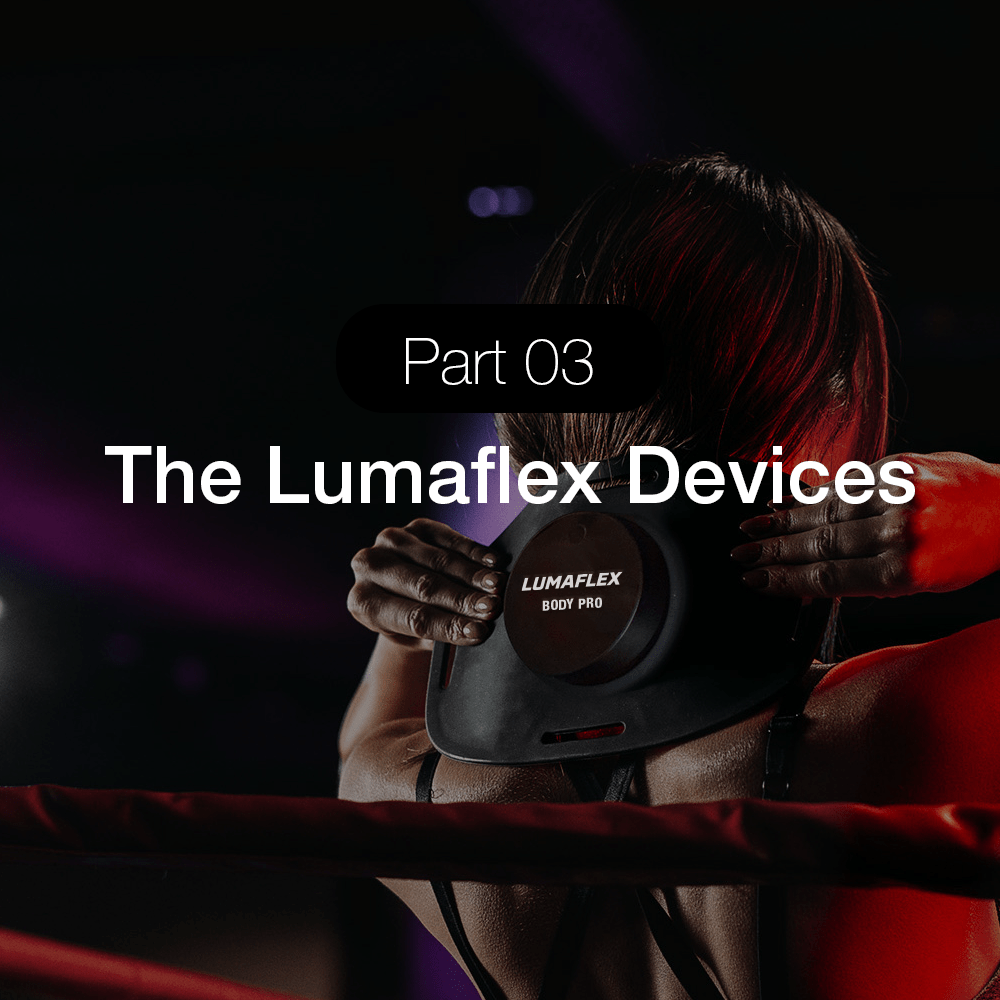
That is where something like the Lumaflex Essential Pro fits in. It is built to deliver those wavelengths in a format that can be used directly on muscle groups without much setup, whether that is right after a session or later in the day.
Used alongside methylene blue, the idea is simply to keep both inputs aligned on the same mitochondrial system. The light targets cytochrome c oxidase, and methylene blue supports electron flow leading into it.
As with the rest of this stack, the methylene blue side should be approached with guidance from a qualified practitioner.
Is Methylene Blue Safe for Athletes?
Known Drug Interactions: The MAOI Risk
Methylene blue acts as a monoamine oxidase inhibitor. That matters because it can interact with medications that affect serotonin.
If it is combined with SSRIs, SNRIs, or other serotonergic drugs, there is a real risk of serotonin syndrome. This is not a minor side effect. It can become serious quickly and requires medical attention.
Anyone taking antidepressants or related medications should not approach methylene blue casually. This is something that needs to be checked with a physician first.
G6PD Deficiency: A Critical Contraindication
Methylene blue should not be used by anyone with G6PD deficiency. In this context, it can trigger hemolytic anemia, where red blood cells break down faster than the body can replace them.
This is not something you would feel gradually. It can develop quickly and requires medical attention.
If G6PD status is unknown, it should be checked before even considering use.
Dose Response: Why More Is Not Better
With methylene blue, the effect changes with dose. At lower levels, it tends to support mitochondrial function. Increase the dose and that can shift in the opposite direction, with less benefit and, in some cases, added stress.
This is where people get it wrong. More does not translate to better performance.
Dosing in clinical settings is tightly controlled for a reason. Trying to push beyond that does not scale the effect. It usually just changes it.
Side Effects Athletes Should Know About
Most of the common side effects are mild, but they can catch people off guard the first time.
The most noticeable one is a blue or green discoloration of urine. That is expected and not harmful, but it can be surprising if you are not aware of it.
Some people also report mild gastrointestinal discomfort or occasional headaches, depending on dose and individual response.
WADA Status: Is Methylene Blue Legal for Competitive Athletes?
As of 2025, methylene blue is not listed on the World Anti-Doping Agency (WADA) prohibited substances list.
The detail that tends to get missed is how it is administered. WADA restricts intravenous infusions above 100 mL within 12 hours of competition under its M2 category. That rule applies regardless of the substance, including methylene blue.
Oral and sublingual use are not covered by that restriction, but athletes in tested sports should still check the current WADA list and confirm with their national anti-doping organization before using anything new.
This is not a substitute for formal anti-doping guidance.
Honest Assessment: Limitations of the Current Evidence
The biology is compelling. The performance data is not.
Most of the direct evidence for methylene blue comes from cell studies and animal models, where the mechanisms show up clearly. There are some human studies and performance-adjacent findings, particularly from photobiomodulation research, but they are small and not specific to methylene blue in trained athletes.
There are also basic gaps that have not been worked out yet. Dosing varies widely across studies, and there is no consistent framework for how it should be used in a performance setting.
So while the mechanism is strong, it is still a step removed from sport. Methylene blue is scientifically interesting, but it is not an established performance enhancer.
Frequently Asked Questions
What does methylene blue actually do for athletic performance?
It changes how energy is produced at the mitochondrial level. That links to endurance, recovery, and how the brain holds up under fatigue. The mechanisms are clear. The performance data in athletes is still limited.
Is methylene blue banned in sport?
No, not as of 2026. The issue is how it is used. Intravenous infusions above certain limits are restricted under WADA rules, regardless of the substance. Oral use is different, but it is still something to double-check with your governing body.
Can methylene blue help with muscle recovery?
Possibly, through its effects on oxidative stress and cellular energy. That fits with how recovery works. Most of the evidence behind that is not from athlete studies.
How does it compare to creatine or CoQ10?
Creatine has strong evidence and works on rapid ATP recycling. CoQ10 is part of the same mitochondrial system but depends on how well it gets into tissue. Methylene blue works differently. It can move electrons through the system more directly, including in the brain.
Is methylene blue safe for athletes?
Not automatically. The main concerns are drug interactions, especially with SSRIs or SNRIs, and use in people with G6PD deficiency. This is something to clear with a physician first.
How should athletes combine it with red light therapy?
Usually by taking it before a light session so both are active at the same time. The idea is simple. Both are acting on the same mitochondrial system. That approach is based on mechanism more than athlete trials.
Key Takeaways
- Methylene blue works at the mitochondrial level, where it can act as an alternative electron carrier and help keep ATP production moving under stress
- The proposed performance effects mostly come down to energy efficiency, including oxygen use and how long the body can stay in aerobic metabolism before fatigue sets in
- At lower doses, it appears to reduce oxidative stress, which may support recovery, but that effect reverses at higher levels
- There are early signals for cognitive benefits under physical load, particularly around attention and mental clarity
- The combination with red light therapy is mechanistically aligned, with both acting on the same mitochondrial system from different points
- It is not on the WADA prohibited list as of 2025, although intravenous use is restricted under competition rules
- Safety is not trivial. Interactions with SSRIs or SNRIs and the risk in G6PD deficiency both require medical screening
- Most of the performance case is still built on cellular and preclinical data. Direct evidence in trained athletes remains limited
Disclaimer: This article is for informational purposes only and does not constitute medical, nutritional, or anti-doping advice. Athletes should consult a sports medicine professional and verify all substances with official anti-doping authorities before use.
References
Barrett, D. W., & Gonzalez-Lima, F. (2013). Transcranial infrared laser stimulation produces beneficial cognitive and emotional effects in humans. Neuroscience, 230, 13–23. https://doi.org/10.1016/j.neuroscience.2012.11.016
Hamblin, M. R. (2017). Mechanisms and applications of the anti-inflammatory effects of photobiomodulation. AIMS Biophysics, 4(3), 337–361. https://doi.org/10.3934/biophy.2017.3.337
Karu, T. I. (2010). Mitochondrial mechanisms of photobiomodulation in context of new data about multiple roles of ATP. Photomedicine and Laser Surgery, 28(2), 159–160. https://doi.org/10.1089/pho.2010.2789
Rojas, J. C., & Gonzalez-Lima, F. (2012). Methylene blue enhances cellular respiration and memory retention in rats. Neurobiology of Aging, 33(9), 1945–1954. https://doi.org/10.1016/j.neurobiolaging.2011.04.003
Rojas, J. C., Bruchey, A. K., & Gonzalez-Lima, F. (2012). Neurometabolic mechanisms for memory enhancement and neuroprotection of methylene blue. Progress in Neurobiology, 96(1), 32–45. https://doi.org/10.1016/j.pneurobio.2011.10.007
Tao, L., et al. (2021). Methylene blue as a therapeutic agent for mitochondrial dysfunction and oxidative stress. Cells, 10(4), 1–18. https://doi.org/10.3390/cells10040899
Wen, Y., Li, W., Poteet, E. C., et al. (2011). Alternative mitochondrial electron transfer as a novel strategy for neuroprotection. Free Radical Biology and Medicine, 50(7), 966–975. https://doi.org/10.1016/j.freeradbiomed.2011.01.006
de Freitas, L. F., & Hamblin, M. R. (2016). Proposed mechanisms of photobiomodulation or low-level light therapy. Journal of Biophotonics, 9(11–12), 1126–1139. https://doi.org/10.1002/jbio.201600176
Zhang, X., et al. (2023). Mitochondrial-targeted therapies and oxidative stress modulation by methylene blue. International Journal of Molecular Sciences, 24(3), Article 289. https://doi.org/10.3390/ijms24030289