Red Light Therapy for Diabetes: What Seniors Need to Know
Struggling With Diabetes Management? How Red Light Therapy May Support Your Health
Living with diabetes can become more challenging with age. Many seniors searching for red light therapy for diabetes are looking for supportive, non invasive ways to improve daily comfort, circulation, and recovery alongside their existing care plan.
Even with careful blood sugar management and medical guidance, older adults often experience ongoing challenges such as:
- Poor circulation in the hands and feet
- Slow wound healing
- Chronic inflammation or joint stiffness
- Fatigue and slower physical recovery
Over time, these issues can affect mobility, independence, and overall quality of life.

Because of this, more seniors are exploring wellness tools that may support diabetes management without adding medications or invasive treatments. Red light therapy, also known as photobiomodulation therapy, is one option gaining growing scientific interest.
Red light therapy uses specific wavelengths of red and near infrared light to support cellular function, circulation, and tissue repair. In recent years, clinical and preclinical studies have examined how this type of light may help address key issues commonly associated with diabetes, including inflammation, insulin resistance, and impaired healing.
In this article, we will explain what red light therapy is in simple terms. We will review what research says about red light therapy and diabetes. We will also discuss how it may support circulation, healing, and metabolic health in older adults. Finally, we will clarify what seniors should realistically expect and what red light therapy is not intended to replace.
- 1. Struggling With Diabetes Management? How Red Light Therapy May Support Your Health
- 2. What Is Red Light Therapy (Photobiomodulation)?
- 3. Why Diabetes Gets Harder to Manage With Age
- 4. Can Red Light Therapy Help With Diabetes? What the Science Says
- 5. How Red Light Therapy May Support Daily Diabetes Management
- 6. Is Red Light Therapy Safe for Seniors With Diabetes?
- 7. How Seniors Can Use Red Light Therapy at Home
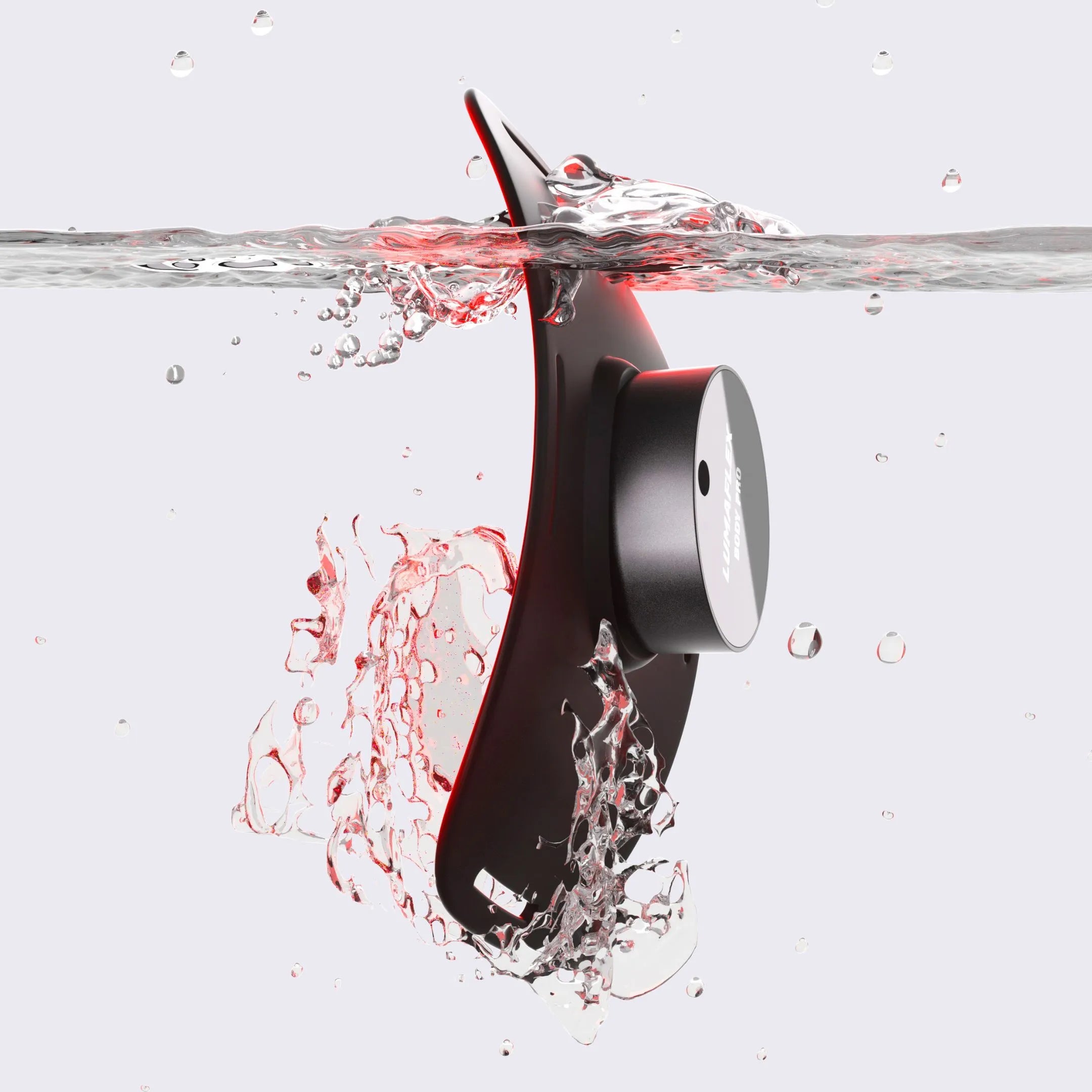
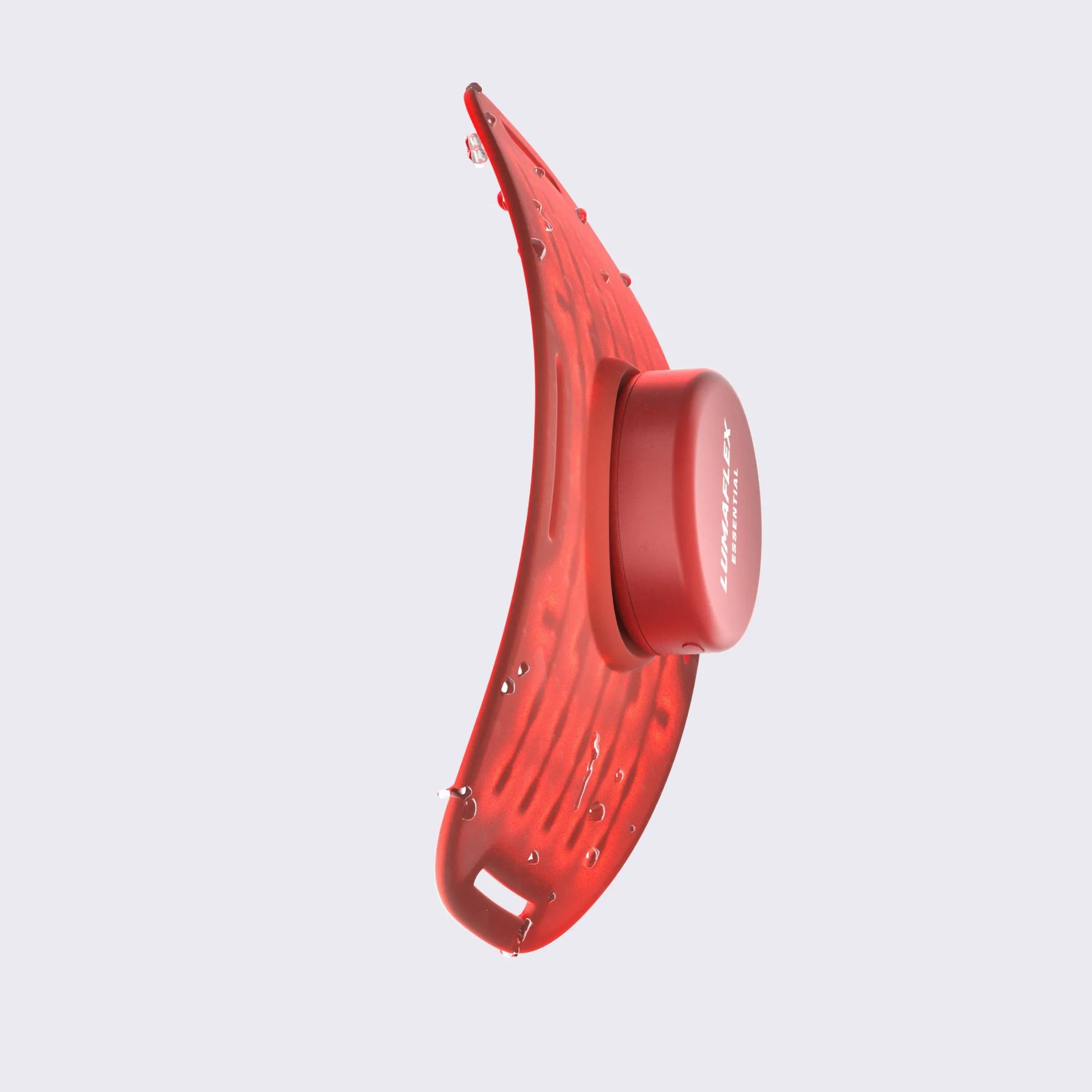
- 8. Why Lumaflex Is Designed for Senior-Friendly Use
- 9. What Red Light Therapy Can — and Cannot — Do
- 10. A Gentle, Science-Backed Support Tool for Diabetes
- 11. Frequently Asked Questions (FAQs)
What Is Red Light Therapy (Photobiomodulation)?
Red light therapy is a non-invasive wellness technique that uses specific wavelengths of red and near-infrared light to support cellular function. In scientific research, this approach is often called photobiomodulation therapy.
When red or near-infrared light is applied to the body, it penetrates the skin and reaches underlying tissues. Inside the cells, light is absorbed by mitochondria, the structures responsible for producing energy (ATP). By supporting cellular energy production, red light therapy may help the body perform essential processes more efficiently, including:
- Reducing excessive inflammation
- Improving blood flow and circulation
- Supporting tissue repair and healing
- Enhancing overall cellular resilience
Red light therapy does not rely on heat, medication, or electrical stimulation. The light is low-level and designed to gently stimulate biological processes. For seniors, one of the main benefits is that it can be used safely at home with short, simple sessions.

To help clarify the role of red light therapy, it’s useful to compare it to traditional medical treatments for diabetes:
| Aspect | Medical Diabetes Treatments | Supportive Wellness Tools (Like Red Light Therapy) |
|---|---|---|
| Primary purpose | Control blood sugar levels and manage diabetes directly | Support overall health, circulation, and recovery |
| Prescribed by a doctor | Yes | No |
| Replaces medication | Yes, in some cases under medical supervision | No. Used alongside medical care |
| Works on blood glucose directly | Yes | No direct glucose-lowering claims |
| Supports circulation and healing | Indirectly | Yes, based on emerging research |
| Addresses inflammation | Some medications do | Yes, supported by studies |
| Invasive or drug based | Often yes | No |
| Suitable for daily home use | Depends on treatment | Yes |
| Intended role | Primary treatment | Complementary support |
Understanding this distinction helps explain why red light therapy is being studied as a supportive tool for diabetes-related challenges rather than a medical treatment. It provides potential benefits for circulation, inflammation, and cellular repair without replacing medications or doctor-supervised interventions.
Why Diabetes Gets Harder to Manage With Age
As we age, managing diabetes can become more challenging. Several natural changes in the body make it harder to maintain stable blood sugar levels and recover from metabolic stress. Understanding these changes helps explain why supportive tools like red light therapy may be beneficial.
Some of the key factors that make diabetes more difficult to manage in seniors include:
-
Increased insulin resistance
As we get older, our cells often respond less efficiently to insulin, making it harder for glucose to enter cells for energy. This can lead to higher blood sugar levels and increased strain on the body.
-
Chronic low-grade inflammation
Aging is often accompanied by systemic inflammation. Persistent inflammation can worsen insulin resistance and contribute to fatigue, joint stiffness, and slower healing.
-
Reduced circulation
Blood flow naturally decreases with age, especially to extremities like the hands and feet. Poor circulation can make wounds heal slower and increase the risk of infections or ulcers.
-
Slower wound healing and tissue repair
Older adults may notice that cuts, bruises, or foot injuries take longer to heal. Diabetes can amplify this problem by impairing cellular repair processes.
-
Changes in energy and recovery
Fatigue and slower recovery after physical activity are common. This can reduce mobility and make it harder to maintain a consistent exercise routine, which is critical for diabetes management.
These age-related challenges highlight the need for supportive wellness strategies that complement medications, diet, and exercise. Red light therapy is being studied as one such tool because it may support cellular energy, circulation, inflammation control, and tissue repair. All of which are key areas affected in aging adults with diabetes.
Can Red Light Therapy Help With Diabetes? What the Science Says
Red light therapy is not a cure for diabetes, but emerging research suggests it may support key processes that are often affected in people with type 2 diabetes. These benefits are supportive and work alongside medications, diet, and exercise, rather than replacing them.
Studies have explored how red light therapy may influence:
- Insulin sensitivity
- Inflammation
- Circulation
- Tissue repair and wound healing
Red Light Therapy and Insulin Resistance
Research has explored how 635 nm red light may affect fat cells and insulin resistance. In the study conducted by Gong, et.al, (2020) on diabetic mouse models and adipocyte (fat cell) cultures:
- Red light reduced excess free fatty acid release from fat cells. Excess free fatty acids in the blood can worsen insulin resistance and make blood sugar harder to manage.
- Insulin signaling pathways improved. Specifically, red light activated AKT, a protein that helps cells respond to insulin, and influenced FoxO1, a factor that regulates fat breakdown.
- These changes together suggest that red light may help cells use insulin more efficiently and support better metabolic function.
It is important to note that these results were observed in animal models and lab studies. While promising, they are not yet definitive for humans. However, they provide a strong scientific basis for why researchers are studying red light therapy as a potential supportive tool for diabetes management.
Supporting Circulation and Reducing Inflammation
Chronic inflammation is a key factor that worsens diabetes complications. Over time, it can contribute to insulin resistance, slow healing, and general fatigue.
Photobiomodulation therapy (PBMT), another term for red light therapy, has been shown in studies to:
- Reduce inflammatory markers in tissues
- Improve blood flow and microcirculation, helping oxygen and nutrients reach cells more efficiently
Better circulation has several benefits for seniors managing diabetes:
-
Glucose delivery: Improved blood flow helps transport sugar from the bloodstream into cells, supporting energy production and metabolic balance
-
Oxygenation: Cells receive more oxygen, which is essential for tissue repair and overall vitality
-
Tissue health: Enhanced circulation supports faster healing, reduces discomfort, and helps maintain healthy skin and muscles
While research is still emerging, these effects suggest that red light therapy may help address common diabetes-related issues in older adults by supporting the body’s natural healing and maintenance processes.
Red Light Therapy for Wound Healing in Diabetic Patients
Slow wound healing is a common concern for seniors with diabetes. Cuts, bruises, foot injuries, and post-surgical wounds can take longer to heal, increasing the risk of infection and complications.
A systematic review on diabetic wound healing found that photobiomodulation therapy (red light therapy) can support faster and more effective tissue repair. The study highlighted several key benefits:
- Faster epithelialization: Red light helps the skin’s surface cells regenerate more quickly, closing wounds sooner.
- Improved collagen synthesis: Collagen is essential for strong, healthy skin. Red light therapy stimulates collagen production, making repaired tissue more resilient.
- Better angiogenesis: Red light encourages the growth of new blood vessels, improving circulation and oxygen delivery to healing tissues.
These effects are particularly important for seniors because they can help reduce the risk of:
- Foot ulcers
- Skin injuries that take weeks to heal
- Post-surgical recovery complications
By supporting these natural repair processes, red light therapy may serve as a helpful adjunct tool for seniors managing diabetes, complementing standard medical care and lifestyle strategies.
How Red Light Therapy May Support Daily Diabetes Management
Red light therapy is not a replacement for medication, diet, or exercise, but it can serve as a supportive tool to help seniors manage some of the challenges associated with diabetes. By targeting circulation, inflammation, and tissue repair, it may enhance overall wellness and recovery.
Practical ways red light therapy can fit into a daily routine include:
- Supporting circulation: Applying red light to areas like the lower legs, feet, and hands can help improve blood flow, which is especially important for seniors dealing with circulation challenges.
- Reducing inflammation: Regular sessions may help moderate chronic inflammation, supporting joint comfort and metabolic balance.
- Promoting tissue repair: Using red light on minor injuries or areas prone to slow healing can help maintain healthy skin and support recovery.
- Complementing exercise: Improved circulation and reduced inflammation can make physical activity more comfortable and effective, aiding blood sugar management.
Suggested routine for seniors (example):
- Frequency: 3–5 times per week
- Duration: 10–20 minutes per session
- Target areas: Feet, lower legs, hands, abdomen, or areas prone to slow healing
- Safety: Avoid open wounds unless cleared by a healthcare professional
Consistency is key. Even short, regular sessions can provide cumulative benefits, supporting circulation, cellular energy, and tissue health over time.
Remember, red light therapy is a supportive wellness tool, not a medical treatment. Always continue prescribed medications and consult your doctor before adding any new therapy to your routine.
Is Red Light Therapy Safe for Seniors With Diabetes?
One of the reasons red light therapy is popular among older adults is its strong safety profile. It is non-invasive, drug-free, and generally well-tolerated. Unlike medications or certain medical procedures, it does not carry risks of side effects like nausea, drowsiness, or systemic complications.
Key safety considerations for seniors with diabetes include:
- Non-invasive: Red light therapy does not use needles, injections, or medications.
- Low-level light: The therapy uses safe, low-intensity red and near-infrared light that stimulates cells without heating or damaging tissue.
- Targeted application: Sessions focus on specific areas, such as hands, feet, or injured tissues, minimizing risk.
- Consultation advised: Seniors with neuropathy, vascular issues, or open wounds should check with a healthcare provider before starting red light therapy.
- Consistency over intensity: Short, regular sessions are safer and more effective than prolonged exposure.
Overall, when used as directed, red light therapy is considered safe for daily home use. It can be a gentle, supportive addition to a wellness routine, helping circulation, tissue repair, and recovery in a way that is convenient for seniors managing diabetes.
Is Red Light Therapy Right for Me?
Take this quick quiz to see if red light therapy could be a helpful addition to your daily wellness routine. This quiz is educational and not a substitute for medical advice. Always consult your healthcare provider before starting new therapies.
How Seniors Can Use Red Light Therapy at Home
Red light therapy can be easily incorporated into a daily wellness routine, even for seniors with limited mobility or experience with technology. The goal is consistent, safe use to support circulation, tissue repair, and overall metabolic health.
Simple Guidelines for Home Use
- Session Length: 10–20 minutes per area
- Frequency: 3–5 times per week for general wellness and recovery
- Target Areas:
- Lower legs and feet (to support circulation)
- Hands and arms
- Abdomen (for metabolic support)
- Areas prone to slow healing or stiffness
- Positioning: Keep the device 6–12 inches from the skin, depending on manufacturer recommendations
- Safety Notes:
- Avoid open wounds unless cleared by a healthcare professional
- Wear eye protection if using near the face
Do not exceed recommended session times
Tips for Seniors
- Use a timer to avoid overexposure
- Maintain a comfortable, seated or reclined position
- Combine with gentle stretching or light exercise to maximize circulation benefits
- Keep a simple log to track session frequency and any improvements in comfort or mobility
Red light therapy is designed to be easy, non-invasive, and stress-free, making it an ideal supportive tool for seniors managing diabetes challenges.
Why Lumaflex Is Designed for Senior-Friendly Use
Not all red light therapy devices are created equal, and seniors benefit most from devices that are easy to use, safe, and reliable. Lumaflex devices are specifically designed with these priorities in mind.
Senior-Friendly Features
- Portable and lightweight: Easy to move around the home or travel with
- Dual wavelengths: Red (630–660 nm) and near-infrared (810–850 nm) light target both surface and deeper tissues for optimal support
- Hands-free options: Devices can be positioned for comfort, allowing seniors to relax during sessions
- Simple controls: One-touch operation with clear indicators, minimizing confusion or frustration
- Consistent power output: Ensures the right light intensity for safe and effective sessions every time
- Designed for regular use: Short sessions of 10–20 minutes fit easily into a daily routine
Why This Matters for Seniors
- Reduces the need to bend, hold, or adjust devices frequently
- Makes daily use simple, which is important for building a consistent wellness habit
- Supports circulation, inflammation management, and tissue repair safely at home
- Complements diabetes management routines without replacing medications or medical care
With Lumaflex, seniors can integrate red light therapy into their daily lives confidently and comfortably, making it a practical supportive tool for diabetes wellness.

What Red Light Therapy Can — and Cannot — Do
Red light therapy is a supportive wellness tool, not a medical treatment. It can help enhance certain processes in the body, but it does not replace medications or professional medical care. Using it safely and with realistic expectations is key for seniors managing diabetes.
| What Red Light Therapy Can Do | What Red Light Therapy Cannot Do |
| Support circulation and blood flow, helping oxygen and nutrients reach cells | Cure diabetes or reverse type 2 diabetes |
| Reduce inflammation in tissues, supporting comfort and metabolic balance | Replace medications, diet, or exercise prescribed by a doctor |
| Promote tissue repair and healing for minor wounds or skin injuries | Guarantee immediate results; benefits are gradual and cumulative |
| Support metabolic health and insulin sensitivity (emerging research suggests potential benefits) | Treat serious medical conditions without medical supervision |
| Enhance daily wellness and recovery, complementing exercise and healthy routines | Replace professional medical care or advice |
This table makes it easy to see what seniors can realistically expect from red light therapy while reinforcing that it is a safe, supportive tool, not a replacement for prescribed medical care.
A Gentle, Science-Backed Support Tool for Diabetes
Managing diabetes as a senior can be challenging, but there are supportive tools that may help improve daily comfort, circulation, and recovery. Red light therapy, also known as photobiomodulation, is one such tool.
Research suggests that red light therapy may:
- Support circulation and oxygen delivery to cells
- Reduce inflammation in tissues
- Promote tissue repair and wound healing
- Support metabolic function and insulin sensitivity (emerging evidence)
While red light therapy is not a cure for diabetes and cannot replace medications, diet, or professional medical care, it can be a safe and gentle addition to a wellness routine. Short, consistent sessions at home can provide supportive benefits, especially when combined with exercise, nutrition, and proper medical management.
For seniors looking for a convenient, easy-to-use solution, Lumaflex devices are designed to make daily red light therapy simple, comfortable, and effective. With dual wavelengths, hands-free options, and user-friendly controls, Lumaflex allows seniors to incorporate this science-backed wellness tool into their routine safely and confidently.
Discover how Lumaflex red light therapy can support circulation, tissue repair, and overall wellness as part of your diabetes management routine.


Frequently Asked Questions (FAQs)
1. Can red light therapy cure diabetes?
No. Red light therapy is a supportive wellness tool, not a medical treatment. It may help improve circulation, inflammation, and tissue repair, but it cannot replace medications, diet, or professional medical care.
2. Is red light therapy safe for seniors with diabetes?
Yes. Red light therapy is generally safe, non-invasive, and drug-free. Seniors should avoid using it on open wounds unless cleared by a healthcare professional and follow manufacturer guidelines for session length and distance.
3. How often should seniors use red light therapy for diabetes support?
Most studies and wellness protocols suggest 3–5 sessions per week, with 10–20 minutes per session on target areas like the feet, lower legs, hands, or abdomen. Consistency is more important than long sessions.
4. Which areas should I target for diabetes support?
Seniors can focus on:
- Lower legs and feet (for circulation)
- Hands and arms
- Abdomen (for metabolic support)
- Areas prone to slow healing or stiffness
5. What are the benefits of red light therapy for seniors with diabetes?
Research indicates that red light therapy may:
- Improve circulation and oxygen delivery to cells
- Reduce inflammation
- Promote tissue repair and wound healing
- Support metabolic function and insulin sensitivity (emerging evidence)
6. How long does it take to see results?
Red light therapy works gradually. Most users notice supportive benefits over several weeks of consistent, regular sessions. It is most effective when combined with proper diabetes care, exercise, and nutrition.
7. Can I use red light therapy on wounds or ulcers?
Yes, but only under medical supervision. Photobiomodulation can support wound healing, but open wounds or serious infections should always be evaluated by a healthcare professional first.