Red Light Therapy for Diabetic Wounds and Foot Ulcers: What the Research Shows

Slow-Healing Diabetic Wounds? How Red Light Therapy May Support Recovery
Red Light Therapy for Diabetic Wounds - Diabetic wounds, especially foot ulcers, can become serious when diabetes slows the body’s natural healing. With diabetes, poor circulation makes it difficult for your body to get enough oxygen to healing tissues and can increase stress caused by inflammation. When long-term blood sugar problems weaken the nerves, pain becomes harder to feel, so wounds can stay open without the person noticing them right away. If not checked, infections can develop, and movement becomes harder, especially for older adults when blood sugar swings.
Lately, attention has turned toward red light therapy as a complementary approach for diabetic wound management. The use of red and near-infrared light through the skin stimulates cells to increase energy production and start the healing processes. Better circulation may follow, ease inflammation, and recovery times tend to shorten. Red light therapy is a gentle and non-invasive support for healing inflammation. Without cutting the skin or demanding complex equipment, it becomes a good complementary tool for everyday routine.
Red light therapy cannot replace a doctor’s care. Healing diabetic wounds and foot ulcers requires regular check-ups with experienced healthcare professionals.
Table of contents
Why do wounds from Diabetes and foot ulcers take longer to heal
Diabetic wounds and foot ulcers take a longer period of time to heal due to diabetes harming numerous systems that assist in the healing of the skin.
Here’s what's causing the slow healing.
Reduced circulation: When blood vessels are impaired, it limits the flow of oxygen and nutrients in the body. Tissues that receive less oxygen repair at a slower pace. Declined in supply chains within the body means regeneration takes longer than usual.
Chronic inflammation: Ongoing inflammation continues to break down healthy tissue, preventing complete closure and delaying healing time.
Impaired cellular energy: Energy runs low when mitochondria weaken, and cells lose their consistent supply of ATP, which slows down recovery. Repair is slow when the energy is insufficient.
Insulin resistance: When insulin signaling is not good, it prevents collagen structures from being formed and prevents the development of connective tissue. This results in delayed healing.
These factors often overlap, so early intervention is important. Adding a supportive tool like Red light therapy to a diabetic wound care plan results in better outcomes.

What is Red Light Therapy - Also Known As Photobiomodulation?
Red light therapy, also known as photobiomodulation, utilizes red and near-infrared wavelengths to support the body’s natural healing and repair processes. These frequencies slip quietly through the skin. Unlike harsher UV rays, it interacts at the cellular level without harm. Because they don’t disrupt tissue, consistent application tends to be well tolerated.
Deep inside cells, photobiomodulation for diabetic wounds stimulates those tiny power sources, called the mitochondria, to boost their output of ATP. With extra energy, tissues began repairing themselves efficiently. Inflammation stayed balanced, leaning toward healing rather than harm. Blood flow improves, quietly improving delivery where it was needed most. Those living with diabetes might notice such shifts, making stubborn wounds less resistant to change. With this kind of support, healing can sometimes break through old barriers.
A treatment using red light may support healing in diabetic wounds, often fitting smoothly into daily routines at home or during medical visits.
For details on how it's applied and what methods are used, explore the section titled Red Light Therapy for Wound Healing.
How Does Red Light Therapy Enhance Healing of Diabetic Wounds?
Diabetic wounds and foot ulcers are usually challenging to heal because there is poor blood flow to the foot and leg areas, and tissues that do not heal or repair properly due to prolonged inflammation. The use of red light therapy on diabetic wounds may help in healing, due to its ability to enhance the following biological functions:
Red Light Therapy Increases Oxygen Delivery to the Foot and Lower Leg
A reduced blood flow to the feet and lower leg areas brings less oxygen and nutrients to the cellular level, slowing down the healing process and increasing the healing time of wounds and foot ulcers. Red light therapy delivers oxygen and nutrients directly to the tissue where oxygen and nutrients are needed to regenerate the damaged tissue.
Red Light Therapy Aids in Reducing Inflammation that Delays Healing
Red light therapy for inflammation healing. Chronic inflammation caused by diabetes may prevent the normal progression of wound healing through the various stages. Red light therapy aids in regulating several inflammatory markers in the body, and by doing so, will help decrease the stress and swelling that develops around the tissue, to promote a more favourable environment for healing.
Red Light Therapy Promotes the Production of Collagen and Assists in the Repair of the Skin
Collagen is an important component for healing and closing of wounds and for providing structure to the tissues or skin. The collagen synthesis process is improved by red light therapy, which promotes the formation of strong new tissue and assists fragile skin to heal more rapidly.
Red Light Therapy Stimulates Angiogenesis Within Chronic Wounds
Angiogenesis, or the formation of new blood vessels, helps supply oxygen and nutrients to a wound's surface, as well as support for its healing process. Red light therapy can be used to stimulate the process of creating new blood vessels (angiogenesis). This is especially beneficial in cases of diabetic foot ulcers that are often affected by poor circulation.
Although red light therapy can help diabetic wounds in several ways, it does not take the place of medical care from a doctor, but it may help create better conditions for recovery by improving circulation and reducing inflammation
Red Light Therapy for Treating Diabetic Foot Ulcer
Diabetic foot ulcers are a serious problem that can happen in people with diabetes. These ulcers are open wounds on the feet that can easily get infected and take a long time to heal. Worst situations eventually result in amputation. Because of the compromised ability to heal due to poor blood flow, nerve damage, and the fact that the body does not heal quickly, diabetic foot ulcers can be difficult to treat.
A review of current evidence about red light therapy for treating diabetic foot ulcer, published in 2022 by Biomedical Research, shows that it may be beneficial when used in support of traditional medical therapies.
The evidence from systematic reviews demonstrates that photobiomodulation can stimulate epithelialization faster and create a more favorable environment for collagen synthesis, enhancing total wound closure.
Red light therapy should be done with guidance from a qualified doctor or trained medical professional, especially for medical conditions or wounds. While it has the potential to promote healing at a faster rate and decrease complications associated with the healing process, it is by no means a substitute for professional wound care and continuous monitoring by a medical professional.
A Research Review for Red Light Therapy to Treat Diabetic Wounds
Researchers have shown that Red Light Therapy only works best when used as a support tool in managing diabetic wounds. Researchers have published several studies supporting these positive effects of RLT for diabetic wounds.
Studies of Laboratory and Animal Research published on Lasers in Medicine Science
In 2020, they also published a study using Swiss Albino mice and found that RLT provided faster closure of wounds and enhanced the processes involved in the healing of tissues, such as epithelialization.
In 2025, a study was conducted in laboratory and animal settings using RLT. The authors reported that RLT may promote the healing of wounds in animals by increasing collagen production, supporting migration of cells, and increasing angiogenesis through the process of tissue remodelling.
Clinical Review of RLT for Diabetic Foot Ulcers Through the Use of Randomized Clinical Studies
In November 2019, the Journal of Internal Surgery published a trial of 52 patients with diabetic foot ulcers. The randomized clinical study suggested that the addition of RLT to the treatment of these diabetic foot ulcers provided a significant reduction in the size of the ulcer and a significantly faster healing rate than that of the placebo group.
In November 2021, the journal "The Foot" published a systematic review of the literature regarding RLT for diabetic foot ulcers. The review concluded that RLT was associated with higher rates of healing, faster healing times, improved blood circulation, and reduced pain associated with the treatment.
Researchers have shown evidence demonstrating the positive results of red light therapy alongside the traditional treatment for diabetic foot ulcers. This evidence does not, however, suggest that RLT can replace medical treatment.
Researchers have indicated that RLT can benefit individuals undergoing medical treatment by providing support through the use of RLT. All available evidence shows that more high-quality studies are still needed to confirm red light therapy’s role as a safe, non-invasive supportive treatment option.
How to Use Red Light Therapy Safely on Diabetic Wounds
Before trying red light therapy for diabetic wounds, clear things with your physician first. Guidance helps align this approach with standard care, lowering the chances of unwanted issues.
Doctor supervision: Speak with a health provider first when considering treatment. They check how severe the wound is, decide whether diabetic foot ulcer light therapy fits your situation, and then keep track of healing without risks.
Session duration: Each session usually runs between ten and fifteen minutes for every treated area. Going under or pushing beyond might weaken results or strain the tissue, which is why sticking to suggested timings matters when using red light for healing inflammation. Duration plays a quiet but key role; too brief could miss the mark, too long might do more than intended.
Frequency: Three to five weekly sessions work best, shaped by how deep the wound is and what doctors suggest. Sticking to a routine keeps cells active. This encourages healing forward without rushing it.
Distance and positioning: Hold the device at the advised range from the wound so light reaches deep enough. Alignment matters; so place it right to avoid irritating the skin while covering the spot evenly. This way, healing moves forward without uneven exposure.
Wound care: Keep cleaning the area regularly, swap out bandages on schedule, while watching closely for redness or swelling. Although red light may help tissue repair, it doesn't take the place of routine clinical care when treating injuries.
When applied carefully and kept regular with expert oversight, red light therapy supports tissue recovery, boosts blood flow, and helps wounds heal quickly in cases of diabetic foot ulcers.

What Red Light Therapy Can and Cannot Do for Diabetic Wounds
Red light treatment can provide tremendous support to individuals with diabetic injuries, but should not be confused as a substitute for physician-based medical intervention to heal infections or provide comprehensive care for those problems.
| What Red Light Therapy Can Do | What Red Light Therapy Cannot Do |
|---|---|
| Support cellular energy and tissue repair | Cure infections in wounds |
| Improve circulation and oxygen delivery | Replace antibiotics or standard wound care |
| Reduce inflammation and swelling | Serve as a stand-alone treatment for ulcers |
| Encourage collagen production and angiogenesis | Fully heal chronic wounds without medical supervision |
When used correctly, Red light therapy for diabetic wounds complements other treatments for diabetic wounds and other medical diagnoses. Red Light Therapy will support circulation and promote healing through reducing inflammatory responses & increasing tissue production/healing rates. Always consult your healthcare professionals before using Red Light Therapy alone or in complementary with other medical therapies.
Is Red Light Therapy Safe for Diabetic Patients?
For those dealing with persistent injuries or complications like diabetic foot ulcers, red light therapy often stands out. Tolerable for diabetic patients. Many go through sessions without noticing much at all. Instead of drugs or operating rooms, the approach relies on exposure to specific wavelengths. It is gentle and non-invasive, making it easy to include in your care routines.
Still, safety matters especially when neuropathy affects foot sensitivity. Without proper nerve sensitivity, signs like heat or pressure can go unnoticed. Watching closely how the device is used makes a difference then. Getting it right isn’t optional; it’s built into responsible use.
Starting red light therapy for diabetic wounds without guidance may lead to unintended outcomes. Healing demands attention; medical supervision helps align red light sessions with established care routines. Instead of guessing, rely on expert insight to shape how often and how long therapy should last.
Progress checks matter; they catch issues before small concerns grow. Applied thoughtfully, this method fits quietly into broader recovery strategies, adding support without disruption.
How Red Light Therapy Devices Can Help With Recovering From Diabetic Wounds
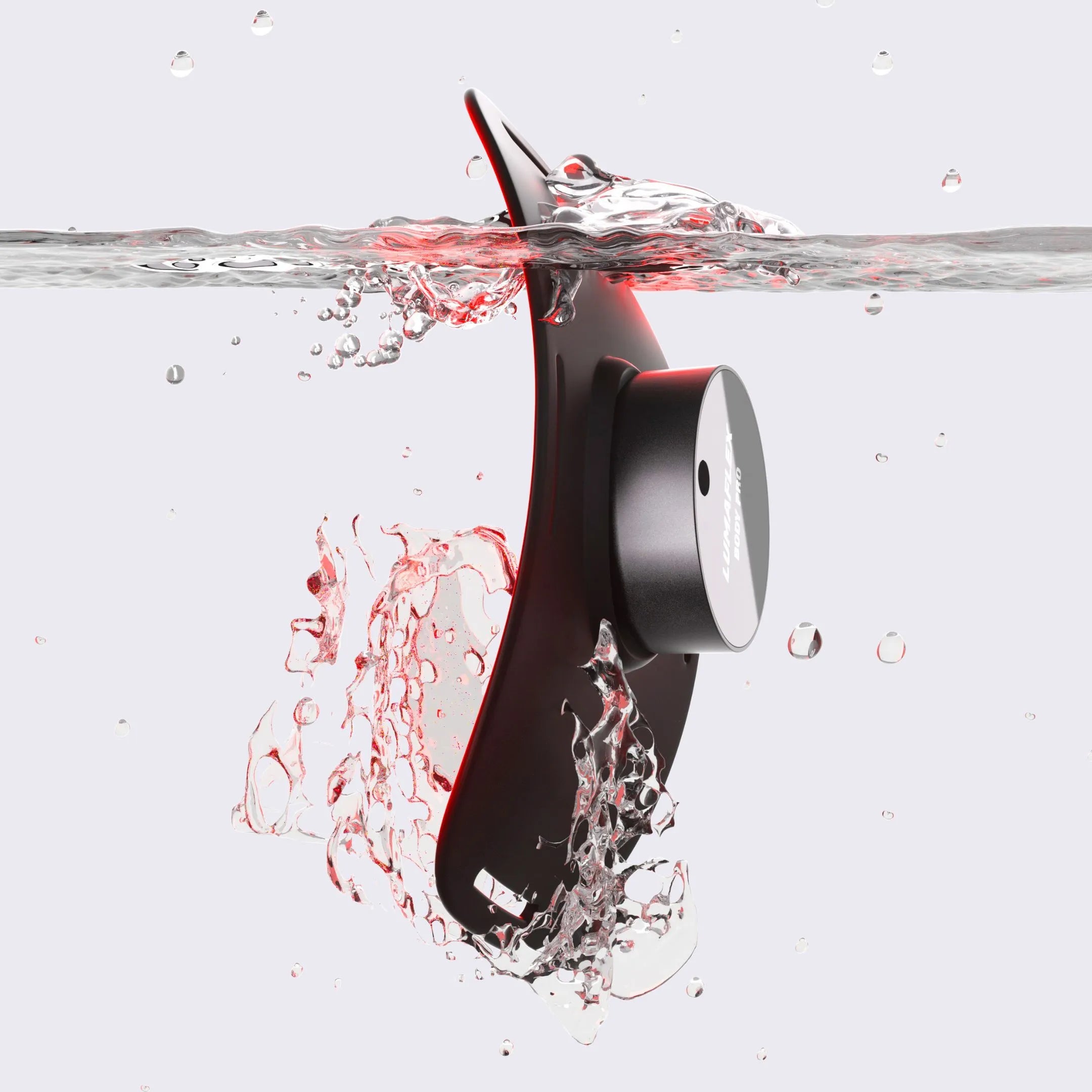
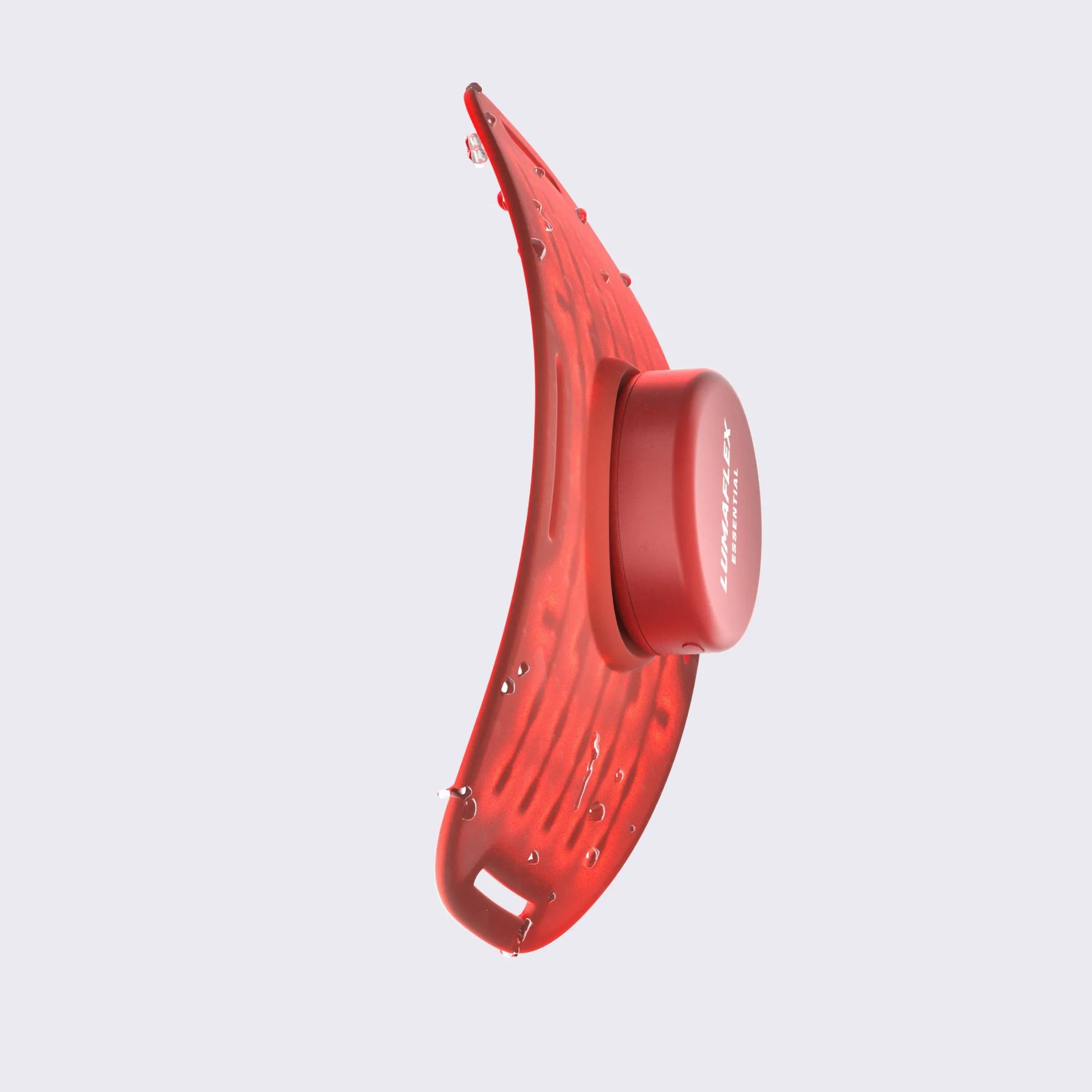
Lumaflex devices are specifically engineered to help aid in the recovery from diabetic wounds. A combination of dual wavelengths of red light and near-infrared light penetrates to the tissue effectively and stimulates the body’s natural responses to wounds and promotes healing through cellular activity.
Each session provides consistent and reliable energy output, allowing users to receive consistent energy to the affected area for improved blood flow, collagen synthesis, and reduction of inflammation. The device is lightweight and can be easily positioned for optimal access to the feet and lower legs, where diabetic ulcers are most commonly found.
The goal of Lumaflex devices is to allow people to have at-home access to safe, effective, and convenient support for diabetic wound healing through the use of red light therapy. When used with the guidance of a trained professional, Lumaflex devices provide a complementary and non-invasive support in improving traditional wound care approaches and enhancing the repair process of tissue healing.
For more detailed information on how Lumaflex supports people with diabetes, you can visit the Red Light Therapy for Diabetes page.
Frequently Asked Questions About Red Light Therapy for Diabetic Wounds
Can red light therapy heal diabetic foot ulcers?
Though red light therapy doesn’t act alone in healing diabetic foot ulcers, it supports how the body naturally repairs tissue. Research confirms its role: better blood flow, reduced swelling, and more collagen emerge during treatment. When paired with standard care, these changes quietly shift conditions toward recovery.
Is red light therapy safe for open wounds?
When applied correctly and only under medical guidance, red light therapy tends to pose little risk to exposed wounds. Healing unfolds without surgery, tapping into the body’s response to reduce swelling while sparing harm to surrounding areas. Still, this approach doesn’t stand in place of standard care or prescribed antibiotics when they’re needed. One shouldn’t assume it closes the gap where clinical methods are required.
How long does it take to see healing results?
Healing timelines aren’t uniform, shaped by general well-being, wound depth, and treatment frequency. Research focusing on light-based therapy for diabetic wounds suggests noticeable gains in skin regrowth and tissue recovery emerge after several weeks of steady application.
Can red light therapy prevent amputations?
Though no promise is made about stopping amputations, red light therapy may aid those with diabetic foot sores by boosting blood flow. Inflammation tends to ease when treatment is applied regularly under medical guidance. Healing often progresses more steadily as cells respond to the exposure.
Encouraging Healing While Remaining Under Medical Supervision
The use of red light therapy can provide an additional source of support when managing diabetic foot ulcers and diabetic wounds, although it is not intended to replace physician supervision, but rather to work together with it.
An effective approach to wound care is based on immediate intervention. Red light therapy for diabetic wounds can provide an enhanced environment for the healing process, as well as reduce the risk of complications from untreated wounds. Consult with your doctor; ensure you are using red light therapy correctly, in support of traditional methods of treating diabetic foot ulcers and diabetic wounds.
For those wishing to have an easily used method of supporting the healing of diabetic foot ulcers or diabetic wounds that relies on science-based principles to support their at-home wound recovery efforts, Lumaflex devices are available.
They provide all, dual wavelength red and near-infrared light sources with a continuous output, and are easy to use on your feet and lower limbs. Providing a gentle and non-invasive option for the support of the healing process, Lumaflex provides an alternative method of combining professional physicians' care with the healing capabilities of red light therapy technology.