Red Light Therapy and Varicose Veins: Does It Really Work?

Red light therapy and varicose veins is attracting attention as a gentle, non-surgical way to boost circulation and help legs look healthier. According to a 2025 research published in the National Library of Medicine, over 25 million adults in the U.S have varicose veins, and many of them spend long hours sitting or standing. Symptoms like pain, heaviness, and swelling are hard to ignore, but it’s always the bulging veins that people notice first
Since red light therapy has been linked to improved circulation and reduced inflammation, questions arise: Can it enhance blood flow? Reduce vein visibility? Or is it just another trend with little effect on structural damage?
Although red light therapy won’t repair damaged veins, it may support circulation in specific cases. It may help with leg discomfort and heaviness by supporting microcirculation and calming inflammation, but it does not remove varicose veins or fix faulty vein valves.
Does red light therapy help varicose veins?
Red light therapy may improve circulation and reduce inflammation in the legs, which can ease heaviness and discomfort. It does not shrink or remove damaged veins caused by valve failure.
This article will provide you with the knowledge of what it can and cannot do, which is essential before adding it to your leg care routine. It can also help you compare red light therapy with other common options like compression stockings, lifestyle changes, and medical treatments when needed.
What Leads to Varicose Veins?
Varicose veins develop when the small one-way valves inside leg veins weaken and no longer keep blood moving efficiently toward the heart. Blood begins to pool in the lower legs, increasing pressure within the vein. That pressure stretches the vein walls, causing them to widen, bulge, and become visible beneath the skin. The condition is structural, meaning the shape and function of the vein have changed, not just the speed of circulation.
Common Risk Factors for Varicose Veins
Age changes the structure of veins. The walls lose some elasticity, and the valves inside them do not close as tightly as they once did. For some people, this starts earlier because of genetics. A family history of vein issues often means the veins are more vulnerable to pressure in the first place.
Pregnancy shifts hormone levels and increases blood volume, which places added strain on the legs. Extra body weight does the same by increasing pressure on the lower extremities. Long hours on your feet or sitting without movement slow normal blood return and allow blood to settle in the legs.
It’s not one single cause but a combination of ongoing pressure and valve weakness that leads to visible veins and leg discomfort.
Symptoms of Varicose Veins
Varicose veins are not just a cosmetic issue. Many people describe a heavy, tired sensation in the legs that worsens as the day goes on. Aching or throbbing pain can develop, especially after long periods of standing or sitting. Swelling around the ankles is common, and the skin near the affected veins may feel itchy, irritated, or warm to the touch.
In more persistent cases, discomfort becomes part of daily life rather than an occasional nuisance.

Varicose Veins Compared to Spider Veins
Spider veins sit close to the surface of the skin and appear as thin red, blue, or purple lines that branch outward like threads. They are usually flat and often cause little to no physical discomfort.
Varicose veins involve larger veins beneath the surface. They tend to bulge outward, feel raised to the touch, and are more likely to bring symptoms such as heaviness, swelling, or aching. The difference comes down to size, depth, and the amount of pressure building inside the vein.
How Red Light Therapy Works

Our article, Red Light Therapy 101: Everything You Need to Know, explains that red light therapy works through a process called photobiomodulation. It uses specific wavelengths of red and near-infrared light to interact with cells beneath the skin. These wavelengths reach the mitochondria, which are responsible for producing cellular energy. As the mitochondria absorb the light, ATP production can increase, giving cells more energy to carry out repair and maintenance functions.
Red and near-infrared light also influence nitric oxide levels in the body. Nitric oxide helps blood vessels relax, allowing them to widen. This widening, known as vasodilation, supports circulation in smaller vessels and improves the movement of oxygen and nutrients through treated tissue.
Inflammation is another area of interest. Red light therapy has been studied for its ability to reduce oxidative stress and calm inflammatory signaling. Less tissue irritation can mean less swelling and pressure in the legs, which may indirectly support healthier blood flow and overall vascular function.
Can Red Light Therapy Improve Varicose Veins?
Many people look into red light therapy for varicose veins hoping for visible change or relief from daily discomfort. Heavy legs after standing, swelling around the ankles, or that dull ache at the end of the day often lead people to search for non-surgical options. Red light therapy may offer support in certain ways, but it helps to understand where its limits are.
Does Red Light Therapy Improve Circulation in the Legs?
Red and near-infrared light have been studied for their effect on microcirculation. By supporting blood flow in smaller vessels near the surface of the skin, red light therapy may improve oxygen and nutrient delivery in treated areas. Some people notice reduced heaviness or a lighter feeling in the legs.
Varicose veins, however, develop because of structural changes in deeper veins. Faulty valves allow blood to pool, and light therapy does not reverse that mechanical damage. It can support circulation at the capillary level, but it does not repair vein valves or shrink enlarged veins.
Can Red Light Therapy Reduce Swelling and Inflammation?
Inflammation contributes to swelling and discomfort in many vascular conditions. A 2017 study by Michael R. Hamblin published in AIMS Biophysics examined how photobiomodulation influences inflammatory pathways and found evidence that red light exposure may reduce inflammatory activity in tissue.
For people with varicose veins, calming inflammation in the surrounding area may ease aching and fatigue. The veins themselves remain, but the surrounding tissue may feel less irritated. You can explore more about how red light therapy reduces inflammation naturally in our related guide.
Can Red Light Therapy Improve the Appearance of Varicose or Spider Veins?
Red light therapy is also associated with collagen support and improved skin tone. Healthier skin and improved superficial circulation can make veins appear slightly less prominent in some cases. The effect relates to the quality of the skin over the vein, not correction of the vein itself.
Red light therapy should not replace medical treatment in advanced cases. Persistent pain, significant swelling, skin changes, or worsening symptoms require evaluation by a healthcare professional.
What Does the Research Say?
There aren’t many clinical trials looking at red light therapy specifically for varicose veins. Most of what we know comes from broader photobiomodulation research on circulation, vascular biology, and inflammation. That doesn’t make the data irrelevant, but it does mean we have to interpret it in context.
Circulation and Microvascular Flow
Michael R. Hamblin has published widely on red and near-infrared light, including work in the Journal of Neuroscience Research examining how these wavelengths affect blood flow and cellular metabolism. His research discusses improved microcirculation in treated tissue, particularly within small vessels and capillary networks.
That kind of change can matter for comfort. When oxygen delivery improves and tissue metabolism becomes more efficient, swelling and heaviness may ease. What it does not address is valve incompetence inside larger veins. Varicose veins form because those valves fail. Better capillary flow does not reverse that structural issue.
Nitric Oxide and Vessel Relaxation
Research published in the SPIE Digital Library by Brent J. Lavey explored how red and near-infrared light influence nitric oxide. Nitric oxide helps regulate vascular tone by allowing blood vessels to relax. When vessels relax, blood moves with less resistance.
This mechanism helps explain the temporary warmth or lightness some people notice after treatment. It reflects improved local blood movement, not reconstruction of damaged veins. The biological pathway is functional, not corrective.
Inflammatory Activity
Inflammation contributes to swelling, pressure, and tissue irritation in venous conditions. A 2025 analysis in the International Journal of Innovative Technologies in Social Science reported reductions in oxidative stress markers and inflammatory cytokines following red light exposure.
Lower inflammatory signaling may reduce tissue stress in the legs. For someone in the early stages of venous insufficiency, that reduction can translate into less discomfort at the end of the day. It does not remove visible veins or shrink enlarged vessels.
Tissue Repair and Vascular Support
Animal studies published in 2020 showed faster wound healing and improved vascular support after exposure to red and near-infrared light. The improvements were linked to increased ATP production and more efficient tissue repair.
Those findings reinforce what is already well established about photobiomodulation and cellular energy. They do not show reversal of venous valve damage in humans.
At this point, the evidence supports circulation support and inflammation modulation. It does not support structural repair of established varicose veins. That distinction is important for anyone considering red light therapy as part of a broader vein care approach.
How to Use Red Light Therapy for Leg Veins
Slow but frequent use of red light therapy for leg veins works best, and the right wavelength allows it to cover the intended area effectively.

Choose the Right Wavelengths
For circulation support, most research centers around devices that use both 660 nm red light and 850 nm near-infrared light. These wavelengths reach different depths in the body and are often paired together for leg treatments.
- 660 nm red light works closer to the surface of the skin. It’s commonly associated with supporting skin tone and superficial circulation.
- 850 nm near-infrared light penetrates deeper into tissue. It’s linked to microcirculation support and cellular energy production beneath the surface.
Using both allows treatment to reach surface tissue and deeper structures in the same session, which is why many leg-focused red light therapy devices combine them.
Keep Sessions Short and Consistent
Every session of red light therapy for varicose veins lasts 10 to 20 minutes for each leg area. Effectiveness is not due to extra time but to how well the affected area is covered.
Some routines recommend using red light therapy every few days to keep cells active over time. Since varicose veins involve deep tissue changes, relief in how the legs feel often develops gradually rather than suddenly.
Assess results after 4 to 8 weeks of consistent use.
Choose a Device Designed for Legs
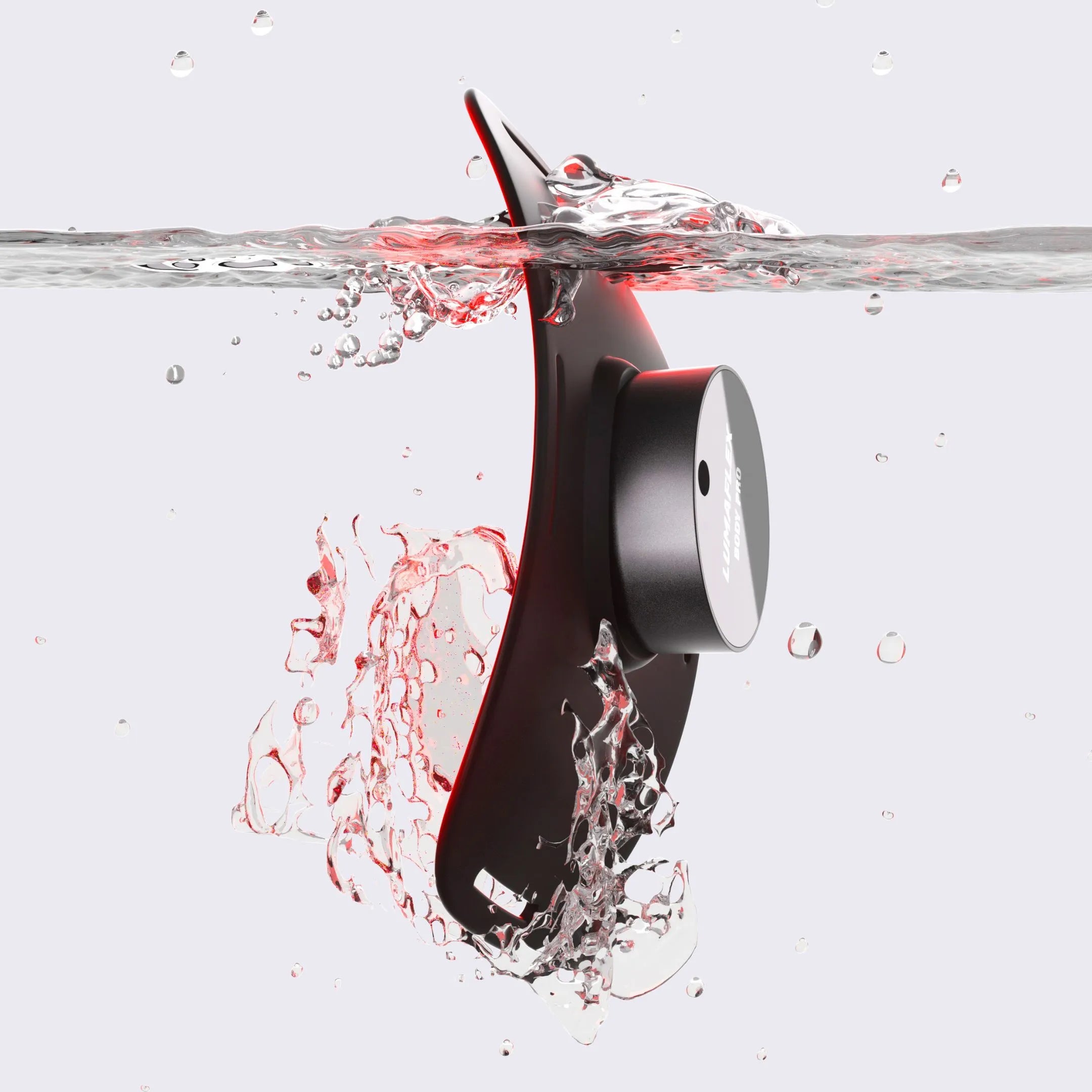
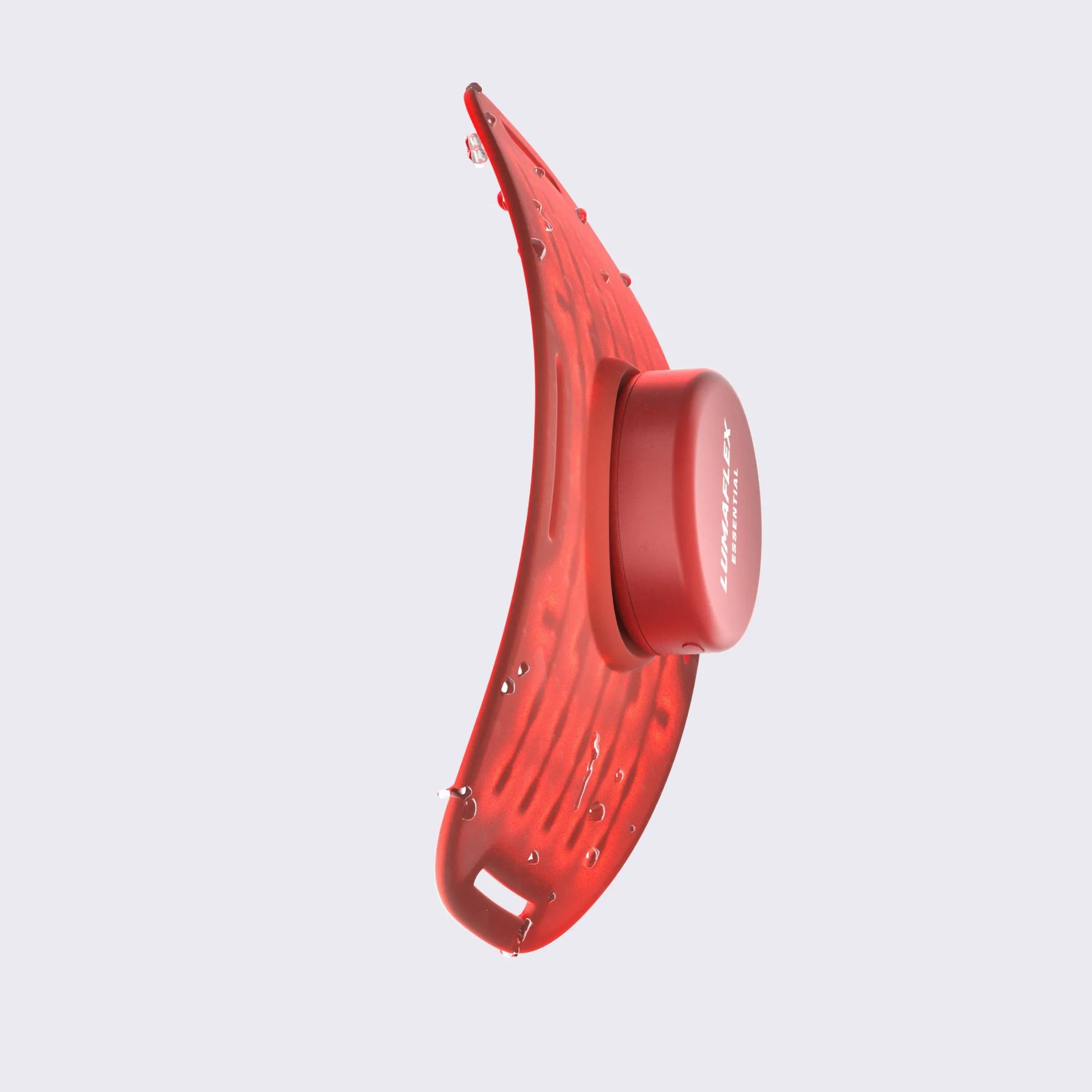
Coverage determines effectiveness. A portable wrap-style design that conforms to the calf or thigh deliver light more evenly than flat panels. Flexible designs like Lumaflex Body Pro ensure snug, consistent contact on curved areas, simplifying regular home use.
Though red light therapy won’t heal damaged veins, consistent application can enhance circulation, reduce inflammation, and improve leg comfort over time.
Who Might Benefit Most?
Red light therapy is not a cure for advanced vein disease, but certain groups may find it more supportive than others, especially when circulation and inflammation are primary concerns.
-
People with early-stage varicose veins
Mild bulging, occasional swelling, or leg heaviness may respond better to circulation support before structural damage becomes more advanced.
-
Those with spider veins
Because spider veins sit closer to the skin’s surface, some individuals may notice subtle improvements in overall skin tone when using red light therapy for leg veins.
-
Individuals with heavy legs from prolonged standing
Nurses, teachers, retail workers, and others who stand for long hours may benefit from improved microcirculation and reduced leg fatigue.
-
Post-workout swelling
Red light therapy inflammation support may help ease temporary swelling after intense physical activity.
-
Sedentary circulation concerns
People who sit for extended periods may use red light therapy to help improve blood flow naturally in the lower legs.
When to See a Doctor Instead
Red light therapy can play a supportive role, but it isn’t appropriate for every situation. Some symptoms point to more serious vein problems that need medical attention rather than at-home care.
You should speak with a healthcare provider if you notice:
-
Severe or sudden swelling in one leg
Swelling that appears quickly, especially with warmth, redness, or pain, can signal a more serious circulation issue.
-
Darkening or thickening of the skin near the ankles
Changes in skin color or texture may reflect more advanced venous disease.
-
Open sores or wounds that do not heal
Venous ulcers require medical treatment. Light therapy devices should not be used on open wounds without supervision.
-
Sharp calf pain with noticeable tenderness or significant swelling
These symptoms can be associated with a blood clot and should be evaluated without delay.
Red light therapy may support comfort and circulation, but persistent or worsening symptoms deserve a proper medical evaluation.
Should You Try Red Light Therapy?
Red light therapy won’t fix or remove damaged veins. If varicose veins are serious, medical care is needed. The root problem is faulty vein valves that can’t be healed with light alone.
But the red light therapy for varicose veins may help in other ways. It can boost small blood vessels, ease swelling, and make legs feel better. People who feel heaviness, slight puffiness, or early vein issues might find it useful for improving blood flow without drugs or surgery. Changes in skin or vein look are usually small and take time.
Best results happen when red light therapy is one part of a bigger plan. This includes staying active, wearing compression gear if needed, managing weight, and seeing a doctor when required.
If you want better circulation and faster leg recovery, consider how Lumaflex can fit into your daily health routine.
Can red light therapy shrink varicose veins?
Current research does not show that red light therapy can shrink or remove structurally damaged veins. It does not repair weakened vein valves or eliminate enlarged vessels. It may, however, support circulation and help reduce leg discomfort as part of a non-surgical approach.
Is red light therapy safe for leg veins?
Red light therapy is generally considered safe when used as directed and does not involve UV exposure. It has been widely studied for inflammation and tissue recovery. Anyone with a history of blood clots or serious vascular conditions should consult a healthcare provider before starting treatment.
How long does it take to see results?
Changes tend to be gradual. Some people notice reduced heaviness or improved comfort within a few weeks. A consistent routine for 4 to 8 weeks allows a more realistic assessment of how the legs respond.
Does near-infrared light improve circulation?
Near-infrared light has been linked to nitric oxide release, which helps blood vessels relax and widen. This can support microcirculation in treated areas. It does not repair damaged vein structures.
Can red light therapy prevent varicose veins from worsening?
Red light therapy may help support circulation and manage inflammation, which can improve daily comfort. It does not stop structural vein disease from progressing. Lifestyle habits and medical monitoring still play an important role.
Is red light therapy better than compression stockings?
Compression stockings provide mechanical pressure that helps reduce blood pooling in larger veins. Red light therapy works at the tissue level by supporting circulation and inflammation balance. Many people use both as part of a broader non-surgical care plan rather than choosing one over the other.