Red Light Therapy Gifts: What to Know Before You Buy
Red Light Therapy Gifts?
Wellness technology lands differently as a gift. The moment a device is involved, hesitation creeps in.
Is it safe?
Will it be used consistently?
Or will it lose momentum once the novelty fades?
Those questions surface quickly with red light therapy gifts.
Red light therapy has shifted from clinical spaces into homes at a rapid pace. Awareness expanded faster than practical understanding. The term is familiar. The day-to-day application is less obvious. That gap is often where purchase decisions stall.
Choosing red light therapy as a gift requires more than reacting to a trend. The real consideration is fit. Who will reach for it without being reminded. What separates a well-built device from one that overpromises. Whether it supports an existing routine or ends up feeling unnecessary.
That difference determines whether it becomes part of daily life or something that collects dust.

Why Red Light Therapy Has Become a Popular Wellness Gift
Wellness has shifted into the home.
People still value treatments and spa visits, but many prefer tools that support recovery and self-care on their own schedule. That shift has changed what makes a meaningful gift.
Red light therapy fits this evolution well. It is used at home and is non-invasive. It requires only a few minutes at a time and can be used consistently without disrupting daily life.
Unlike one-time experiences, red light therapy devices offer long-term value. Once they become part of a short daily habit, they tend to stay there. That repeat use is one reason red light therapy gifts continue gaining traction among self-care and recovery technology options.
It feels current without being flashy. Practical without feeling clinical. That balance matters when choosing a gift that will actually be used.
Who Red Light Therapy Gifts Are Best For
Not every wellness tool works for every person. Red light therapy gifts work best when they fit someone’s existing routines rather than who they hope to become.
People Focused on Recovery and Physical Comfort
Red light therapy is commonly used for muscle soreness, joint comfort, and general recovery support.
This does not apply only to athletes.
Physical strain shows up in everyday life. Tight shoulders from desk work. Sore legs from long shifts. Stiff joints after exercise. Low-level tension from stress and poor sleep.
Red light therapy gifts appeal here because they are targeted and simple. There are no performance goals attached. They offer support for comfort when it is actually needed.
Portable, flexible devices are often especially useful in this category because they can be applied directly to the areas that feel it most.
People Interested in Skin and General Wellness
For many beginners, skin wellness is the entry point.
Red light therapy is often added to routines that focus on supporting skin appearance and maintaining consistent self-care habits.
For beginners, simplicity matters. Short sessions. Clear instructions. Minimal setup.
When red light therapy does not feel technical, it becomes maintenance instead of a project. That ease makes it easier to incorporate into an existing routine rather than compete with it.
Is Red Light Therapy Safe to Give as a Gift?
Safety comes up quickly with anything that sounds clinical.
Red light therapy does not involve needles, drugs, or heat damage. That alone makes it feel more approachable than many wellness treatments. It is light, delivered at specific wavelengths, used externally.
Still, not every device is built the same way. Wavelength ranges matter. So does construction. Clear instructions matter just as much. A device should feel straightforward the first time it is used, not technical or experimental.
A lot of hesitation around red light therapy comes from uncertainty. Not from the light itself, but from not knowing how to use it well. That is where guidance becomes important. Lumaflex includes structured education through the Lumaflex Foundations Course alongside its red light therapy devices. That added context helps new users understand how to use the device without guessing.
It is also worth keeping expectations grounded. Red light therapy supports recovery, comfort, and general wellness. It is not a medical procedure. Used consistently and responsibly, it becomes part of a routine rather than something complicated.
What to Look for When Choosing Red Light Therapy Gifts
At-home red light therapy devices can look similar online while functioning very differently in practice. For gifting, the difference matters.
The right device should reduce hesitation, not create more of it.
1. Wavelength Accuracy
Red and near-infrared light must fall within established ranges to be relevant for intended use.
Reputable brands clearly state their wavelength specifications instead of relying on broad wellness promises. Transparency signals credibility. Oversized claims without technical detail do not.

2. Ease of Use
The most common reason a wellness device goes unused is friction.
If setup feels complicated or sessions require guesswork, consistency drops. A strong red light therapy gift should feel intuitive from the first use. Clear controls. Simple timing. No complicated assembly.
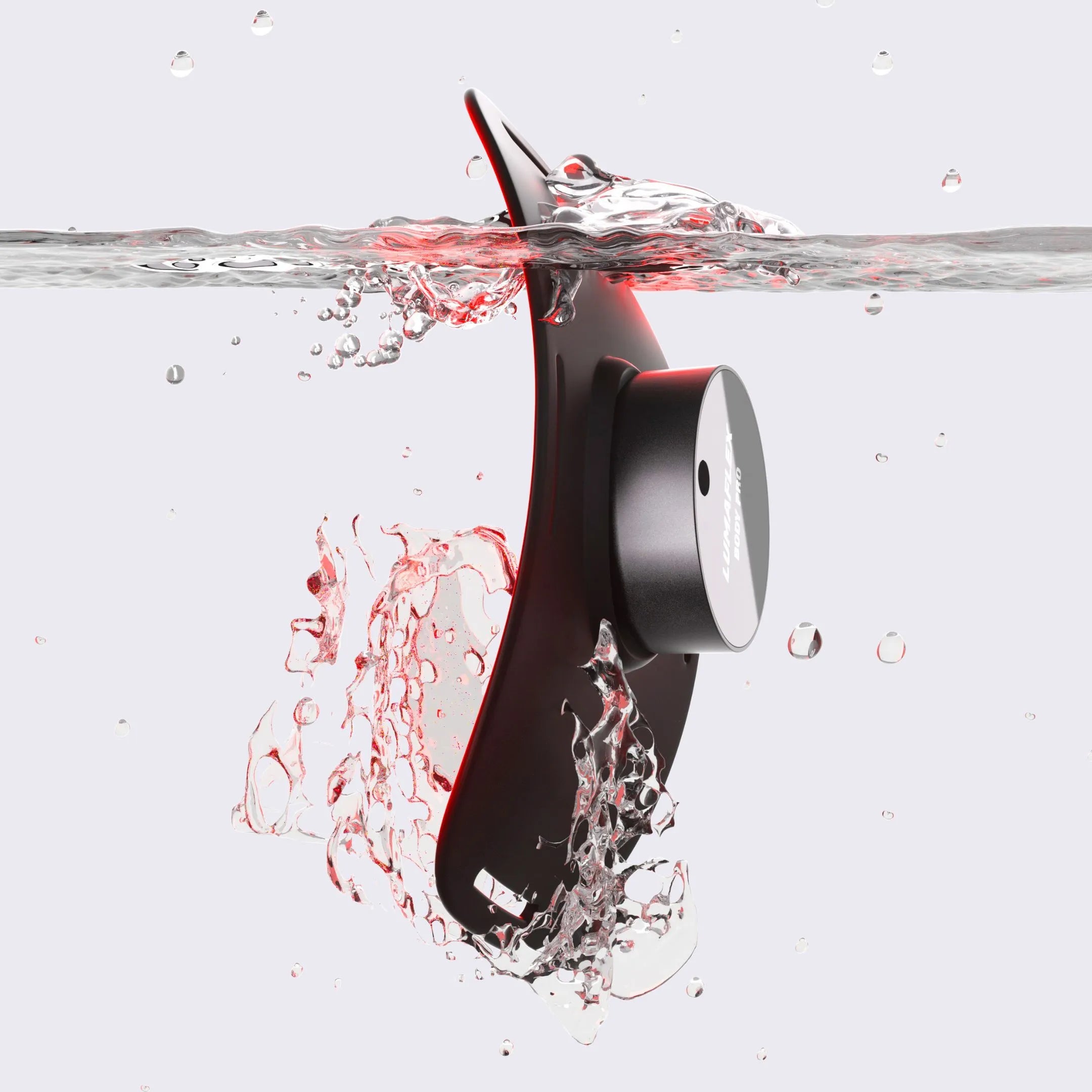
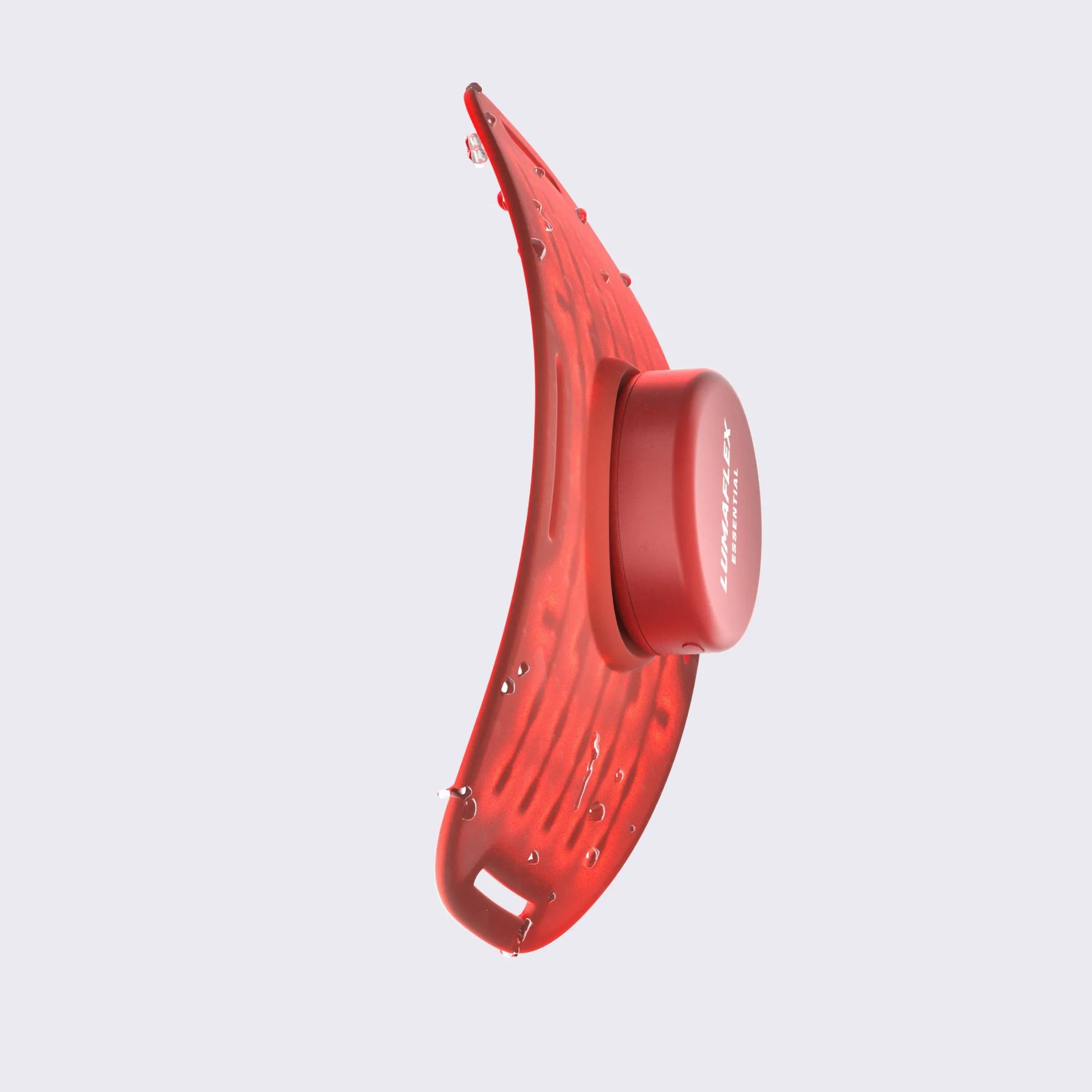
Wearable and flexible devices often work especially well for gifting because they remove barriers. When a device conforms to the body and allows hands-free use, it becomes easier to use while resting, reading, or winding down.
That ease directly impacts long-term value.
3. Coverage and Practicality
Large panels can be effective tools, but they require dedicated space and a more deliberate setup.
For many recipients, a portable or targeted device is more practical. It feels approachable. It can be used in different rooms and travels easily. This device does not require rearranging a home environment.
For gifting, practicality often outweighs size.
4. Education and Support
For first-time users, confidence comes from clarity.
Brands that provide structured guidance alongside their devices remove much of the uncertainty that surrounds red light therapy. Educational support, such as usage frameworks or foundational training, helps recipients understand not just how to use the device, but how to use it consistently.
For example, Lumaflex pairs its red light therapy devices with the Lumaflex Academy. That added guidance can make a meaningful difference, especially for beginners who want direction rather than guesswork.
When a red light therapy gift includes both the device and the education to use it well, it stops feeling experimental and starts feeling intentional.
How Red Light Therapy Fits Into Everyday Self-Care
The hesitation at the beginning of this guide comes down to one concern. Will it actually be used?
Red light therapy becomes valuable when it fits into daily life without requiring major changes.
Short sessions before bed. After workouts. During a mid-day break. While watching television or reading. When a device is portable and easy to position, those small windows of time become usable.
This is where design matters. Flexible, wearable formats reduce friction. Clear guidance reduces second-guessing. Together, they make consistency realistic.
Over time, those short sessions accumulate. Not in dramatic, overnight shifts, but in steady support that becomes part of a rhythm.
That is what turns red light therapy from a novelty into a lasting wellness tool.
When you choose a red light therapy gift that prioritizes portability, clarity, and education, you are not just giving a device. You are giving something that can realistically become part of someone’s routine.
And that is what makes it a thoughtful gift year-round.
Are red light therapy gifts good for beginners?
Yes. Most at-home devices are designed for simple use. Beginners typically start with short sessions and minimal setup. Brands that provide educational support can make the learning curve even smoother.
Can you use red light therapy at home safely?
At-home red light therapy devices are designed for personal use. Safety depends on device quality and following usage guidelines. Sessions should feel comfortable and controlled.
What are red light therapy gifts actually used for?
Most people use red light therapy for muscle soreness, joint comfort, and general recovery support. Others incorporate it into skin and wellness routines. Its flexibility is part of the appeal.
Who makes a good candidate for a red light therapy gift?
People who value recovery, physical comfort, skin wellness, or practical self-care tools tend to appreciate red light therapy gifts. Individuals who prefer structured guidance may benefit from brands that pair devices with educational resources.
Is red light therapy a good gift year-round?
Yes. Red light therapy gifts support ongoing wellness rather than a specific occasion. They work for birthdays, holidays, graduations, and personal milestones because their value develops through consistent use.