Medical Grade Red Light Therapy: The Lumaflex FDA 510(k) Standard

The Problem with Most Red Light Devices on the Market
Medical Grade Red Light Therapy.
Red light therapy has gone from niche biohacker tool to mainstream wellness product in a short space of time. Walk into any wellness retailer, scroll through Amazon, or browse Instagram and you will find dozens of devices making bold claims about pain relief, anti-aging, and body contouring. Most of them are not medical grade. Most of them have not been reviewed by any regulatory body for the claims they are making. And most buyers do not know the difference.
The term 'medical grade' gets used freely in the light therapy industry. So does 'FDA cleared', 'FDA registered', and 'FDA approved'. These phrases sound similar. They are not. They describe fundamentally different levels of regulatory scrutiny, and the distinctions matter if you are making a purchase decision based on clinical credibility.
This article explains what medical grade red light therapy actually means, what the FDA 510(k) clearance process involves, and why Lumaflex's clearance across three distinct FDA product codes represents a meaningful regulatory milestone.
- 1. The Problem with Most Red Light Devices on the Market
- 2. Lumaflex Achieves FDA 510(k) Clearance Across Three Product Codes
- 3. What FDA 510(k) Clearance Actually Means
- 4. Medical Grade vs. Wellness Grade: The Difference That Most Brands Do Not Want You to Know
- 5. Dual-Spectrum Technology: How Red and Near-Infrared Light Work Together
- 6. Three Clinically Aligned Applications in One Device
- 7. How Lumaflex Compares to the Rest of the Red Light Therapy Market
- 8. Medical Grade, Cleared for Non-Prescription Home Use
- 9. Trusted by Athletes, Medical Professionals, and Wellness Experts
- 10. Frequently asked questions (FAQs)
- 11. Experience Medical-Grade Light Therapy at Home
Lumaflex Achieves FDA 510(k) Clearance Across Three Product Codes
Lumaflex has been approved by FDA for 510(k) across three unique device codes OLI, OHS, and ILY. Each one represents unique categories and FDA approved uses of the Lumaflex system. Having all three clearances in one portable and wearable device is unique for Lumaflex.
FDA approved usages include:
• OLI: Low-level laser systems used aesthetically with indication for disrupting adipocyte cells to achieve non-invasive body sculpting and circumferential reduction of hips, waist, and thighs.
• OHS: Over-the-counter light device for wrinkle reduction and skin rejuvenation purposes with indication for reducing fine lines.
• ILY: Infrared therapeutic heating lamp with indication for minor muscle and joint pain, minor muscle spasms, and improved blood circulation locally.
What makes this clearance significant is not just the individual codes. It is the combination. Pain relief, skin rejuvenation, and body contouring are three distinct clinical applications. Most devices are cleared for one. Some clear two. No portable, wearable device had previously cleared all three simultaneously.
FDA 510(k) clearance means these indications have been reviewed, not simply registered. The FDA assessed whether Lumaflex is substantially equivalent to legally marketed predicate devices in safety and effectiveness for each of these three uses.
What FDA 510(k) Clearance Actually Means
It should be noted that the 510(k) process is utilized by the FDA to approve class two devices. In this regard, a company has to submit the so-called premarket notification that proves the substantial equivalence of its product to an approved device as regards the indications for use and technology of functioning. In case the analysis confirms the claimed substantial equivalence, the device gets 510(k) clearance.
It should be stressed that FDA clearance should not be confused with FDA approval, because of the common misusage of these two terms by consumers. While FDA approval refers to class three devices such as pacemakers or implantable defibrillators and implies conducting comprehensive clinical trials, the FDA clearance concerns only class two devices and consists in proving safety and effectiveness equivalences to an existing cleared device. It goes without saying that 510(k) clearance is the right approach to regulate light therapy devices.
The table below shows how 510(k) clearance compares to the other regulatory labels used in the light therapy market:
| Category | Regulatory status | Claims allowed | 510(k)? |
| Wellness-only device | None required | No specific medical claims | No |
| Basic FDA-registered device | Listing only | Limited to general terms | No |
| FDA 510(k) cleared device | Reviewed and cleared | Specific cleared indications | Yes |
| Lumaflex (three product codes) | 510(k) cleared: OLI, OHS, ILY | Pain relief, skin rejuvenation, body slimming | Yes x3 |
The takeaway is that basic FDA registration, which is what many devices have, tells you nothing about whether a device has been reviewed for the claims it is making. 510(k) clearance tells you it has been reviewed and found substantially equivalent to a cleared predicate device for its specific indications. Lumaflex has three of those clearances. Most devices have none.
Medical Grade vs. Wellness Grade: The Difference That Most Brands Do Not Want You to Know
Despite that few manufacturers describe the products in such a way, there is always an option to consider the market of light therapy devices as divided into two distinct groups.
On one hand, there are wellness-level devices. Such devices are not regulated as medical devices. This means that the company may declare the efficacy of the device itself, launch advertisements based on clinically beneficial effect, and state that the device is "professionally" or "medically" graded without any external check-ups. In addition, the device may indeed be safe and effective, or not. Nobody will check whether it is.
On the other hand, there is a group of medical-grade devices. If the company claims certain benefits of the device, the device is required to undergo the relevant classification process, as well as the appropriate regulatory clearance. In particular, the manufacturer needs to prove that the device is substantially equivalent to the marketed similar one. Besides, the FDA reviews all the information related to the device performance and intended uses. Finally, claiming effects that were not cleared in terms of indication for use is against labeling requirements.
This distinction matters practically. A wellness device claiming to reduce pain has not been reviewed for that claim. A 510(k)-cleared device claiming to provide temporary relief of minor muscle pain has. The burden of proof is completely different, and so is the accountability.
Dual-Spectrum Technology: How Red and Near-Infrared Light Work Together
A Lumaflex device employs both the 630 nm and 850 nm wavelengths of light. These wavelengths cannot be substituted for each other, as they perform specific functions in the human body and penetrate to different depths in tissue; therefore, the use of both is essential for their various applications.

Red Light at 630 nm
The red light of 630 nm acts mainly on the skin level. In this case, the light penetrates the skin, where it activates the chromophores and increases mitochondrial ATP production. The effect that can be achieved on this level includes the stimulation of collagen synthesis, anti-inflammatory effect, and overall skin toning. This is the reason why the OHS approved using light therapy to reduce wrinkles.
Red light at this wavelength does not penetrate deeply into muscle or connective tissue. Its effects are concentrated in the first few millimetres of tissue, which is exactly what you want for surface-level skin applications.
Near-Infrared Light at 850 nm
The near infrared light (850nm) can penetrate much deeper compared to the visible light (red). It can penetrate all the way to the muscle, ligaments and the vascular structures surrounding it. The physiological effects of photobiomodulation at this depth include decreased production of pro-inflammatory cytokines, increase in local blood flow and provision of energy in the cells. This explains the FDA ILY clearance.
Why Both Wavelengths Together Matter
The dual-spectrum approach is what makes one portable device capable of three cleared applications. Red light addresses the surface tissue mechanisms behind skin rejuvenation. Near-infrared addresses the deep tissue mechanisms behind pain relief and the cellular disruption mechanisms relevant to the OLI body contouring clearance. A device delivering only one wavelength is addressing only part of the biological picture. Lumaflex delivers both simultaneously, in a single 10-minute treatment session.
Three Clinically Aligned Applications in One Device
Pain Relief: Muscle, Joint, and Circulation Support (ILY)
The ILY clearance includes the temporary relief of mild muscle pain, mild joint pain and stiffness, muscle spasm, and improvement of local blood circulation. This is the clearance application most related to red light therapy used in athletics and recovery applications. The wavelength of near-infrared light (NIR) at 850 nm penetrates the depth of tissue where these benefits would apply, and the photobiomodulation literature supports the reduced inflammation markers and improved circulation observed after NIR use in soft tissue.
This implies that the device is cleared for claims of the exact claims made by doctors of sports medicine, physiotherapists, and clinics specializing in pain management for light therapy, simply because the FDA cleared and evaluated the device against predicate devices as being substantially equivalent.

Skin Rejuvenation and Wrinkle Reduction (OHS)
OHS clearance allows the use of light therapy to treat wrinkles non-prescriptionally. This involves therapies to minimize fine lines, skin pigmentation issues, and overall skin tone. The wavelength involved in this process is 630 nm red light, which functions by activating the function of fibroblast cells responsible for producing collagen as well as decreasing inflammation of the skin.
This process requires no prescription and can be performed on its own.

Body Slimming and Circumference Reduction (OLI)
The OLI clearance covers low-level laser systems for aesthetic use, specifically the non-invasive disruption of adipocyte cells for circumference reduction in areas such as the hips, waist, and thighs. This is the clearance that most distinguishes Lumaflex from the general light therapy market, where body contouring claims are common but regulatory backing for those claims is rare.
Low-level light at appropriate wavelengths and doses can alter the permeability of fat cell membranes, releasing lipid content that is then processed by the lymphatic system. Clinical devices cleared under OLI have been used in aesthetic and wellness clinics for non-surgical circumference reduction. Lumaflex holds this clearance in a portable, wearable form factor.
How Lumaflex Compares to the Rest of the Red Light Therapy Market
The red light therapy market is crowded. Hundreds of devices exist across every price point, form factor, and claimed application. The regulatory picture is far less varied. The vast majority of consumer red light therapy devices fall into one of two categories: wellness devices with no regulatory clearance for their claims, or devices with basic FDA registration that confirms only that the manufacturer has been identified, not that any product has been reviewed.
Within the segment of devices that do carry 510(k) clearance, most hold clearance under a single product code, typically ILY for pain relief and circulation, or OHS for wrinkle reduction. Holding clearance under both requires separate submissions and separate demonstrations of substantial equivalence. Holding clearance under a third code, OLI, for body contouring adds another layer of regulatory complexity that most manufacturers have not pursued.
Lumaflex is the first portable, wearable device to hold all three. That is not a self-declared marketing position. It is verifiable through the FDA's publicly searchable 510(k) database. Anyone researching a light therapy purchase can search a device's 510(k) number and confirm the product codes under which clearance was granted. Most devices will return no result, or a result tied to a single indication. Lumaflex returns clearance across three.
Medical Grade, Cleared for Non-Prescription Home Use
One of the practical implications of FDA 510(k) clearance under OTC product codes is that the cleared indications do not require a prescription. A user does not need to visit a clinic, see a doctor, or pay per session. The device is cleared for direct consumer use at home, in the gym, at work, or while travelling.
This is a meaningful distinction from the way medical-grade light therapy has traditionally been accessed. Clinical-grade devices cleared for the same indications exist in physiotherapy practices, sports medicine clinics, aesthetic medicine offices, and specialist wellness centres. Those devices are effective. They are also accessed by appointment, operated by trained staff, and priced on a per-session basis that adds up quickly for anyone using light therapy consistently.
Lumaflex brings the same regulatory standing to a portable format designed around home use. Single-button operation, automatic 10-minute shut-off, flexible wearable design, and hands-free use during treatment are not compromises of clinical credibility. They are deliberate design choices for a device built to fit into real daily routines rather than clinical appointment schedules.
HSA and FSA funds can be used to purchase Lumaflex, which reflects the device's status as a cleared medical device rather than a general wellness product. For anyone with a health savings or flexible spending account, this significantly reduces the effective out-of-pocket cost.
Trusted by Athletes, Medical Professionals, and Wellness Experts
FDA 510(k) clearance is the regulatory foundation. How a device performs in practice across a range of users and use cases is the test of whether that regulatory standing translates into real results.
Lumaflex is certified by the American Council on Exercise (ACE), the American Fitness and Aerobics Association (AFAA), and the National Academy of Sports Medicine (NASM) for professional development training, which indicates certification by the organized fitness and sports medicine industry. The product has been embraced by athletes, physiotherapists, sports trainers, and physicians, who incorporate it with other clinical aids in managing pain, healing, and recovery.
85 percent of Lumaflex customers have reported less joint pain within one or two weeks of using the product. Faster recovery after exercise has been noted by Lumaflex clients even after two sessions. This result corresponds with what is described in the photobiomodulation literature in relation to the specific wavelength and dosage used in the equipment.
What does FDA 510(k) cleared mean for a red light therapy device?
FDA 510(k) clearance indicates that the FDA has evaluated the medical device and found it substantially equivalent in terms of safety and efficacy compared to a predicate medical device that was already lawfully marketed for the same intended use. This is the right regulatory requirement for Class II medical devices, such as those used for light therapy. FDA registration is different because it only serves to identify the manufacturer.
Is Lumaflex FDA approved or FDA cleared, and what is the difference?
Lumaflex is FDA-cleared; FDA-cleared is what you should say about it. “FDA approval” is an entirely different procedure and one meant specifically for the Class III medical devices that are considered high-risk in terms of affecting the health of human beings; this class of medical devices includes things like pacemakers. FDA-cleared is the term used for the Class II medical devices that are used for pain relief, skin tightening, and body contouring procedures, and there is nothing less about FDA-cleared than FDA-approved.
What is the difference between red light and near-infrared light?
The use of red light at a wavelength of 630 nanometers will operate within the superficial layers of the skin, producing collagen and skin coloring. The infrared light at a wavelength of 850 nanometers will be used in deeper tissues including muscles, tendons, and joints. Therefore, the reason for including the two in Lumaflex is because of their distinct purposes.
Can I use Lumaflex for both pain relief and skin rejuvenation?
Yes. Lumaflex holds separate 510(k) clearances for pain relief (ILY), skin rejuvenation and wrinkle reduction (OHS), and body contouring (OLI). Each cleared indication is supported by a separate regulatory review. The dual-spectrum technology delivers the wavelengths relevant to each application in a single session.
How is Lumaflex different from other red light therapy devices?
Lumaflex enjoys FDA 510(k) clearance through three different product codes, namely OLI, OHS, and ILY. The majority of red light treatment gadgets in the market do not enjoy any 510(k) clearance. However, those few which have 510(k) clearance do not enjoy clearance through three different product codes, but only one. Moreover, Lumaflex is the very first mobile/wearable device to enjoy clearance from three distinct product codes.
How many sessions per week are needed to see results?
The recommended dosage for maximum effectiveness is to use light therapy from 10 to 20 minutes per day based on the application you desire. For most uses of light therapy, consistency plays an important part rather than time. The effects of light therapy for pain and circulation will show after a few uses.
Is medical grade red light therapy safe for home use?
Yes. Red light therapy at therapeutic doses is non-ionising, produces no UV radiation, and has no known mechanism for tissue damage at the power outputs used in cleared consumer devices. The ILY, OHS, and OLI clearances are all OTC designations, meaning the FDA has assessed the device as appropriate for non-prescription consumer use. Lumaflex operates automatically and shuts off after 10 minutes, removing the risk of over-exposure.
Can I use HSA or FSA funds to purchase Lumaflex?
Yes, Lumaflex can be bought using both HSA and FSA funds in the US as Lumaflex is an FDA-approved medical device. Please consult your plan provider for details on specific accounts.
Experience Medical-Grade Light Therapy at Home
Lumaflex is the first portable, medically cleared LED light therapy device with FDA 510(k) clearance under three categories of use: pain management, body shaping, and skin care. All in one wearable, hands-free device. With two years of warranty and global free shipping. Also HSA and FSA eligible.
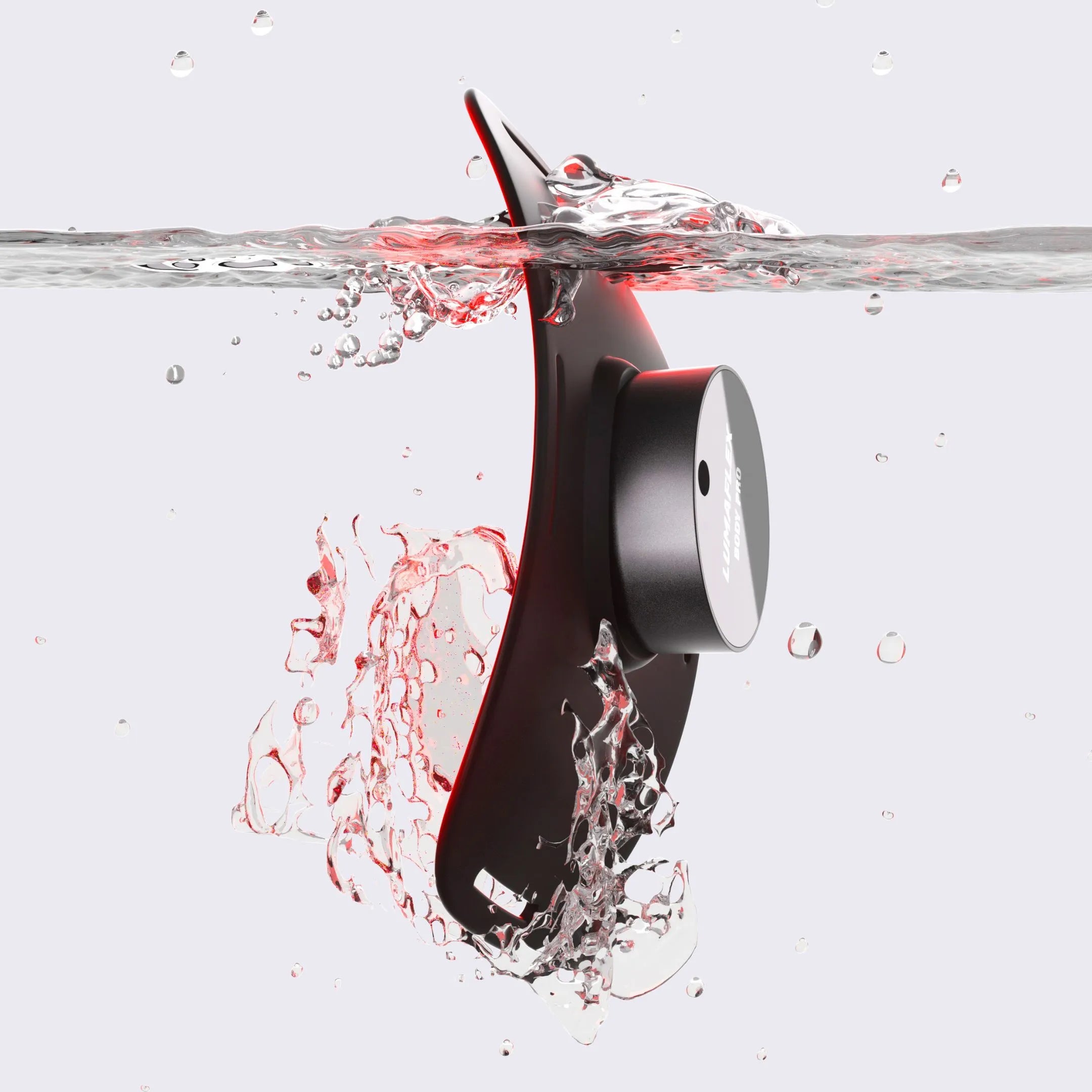
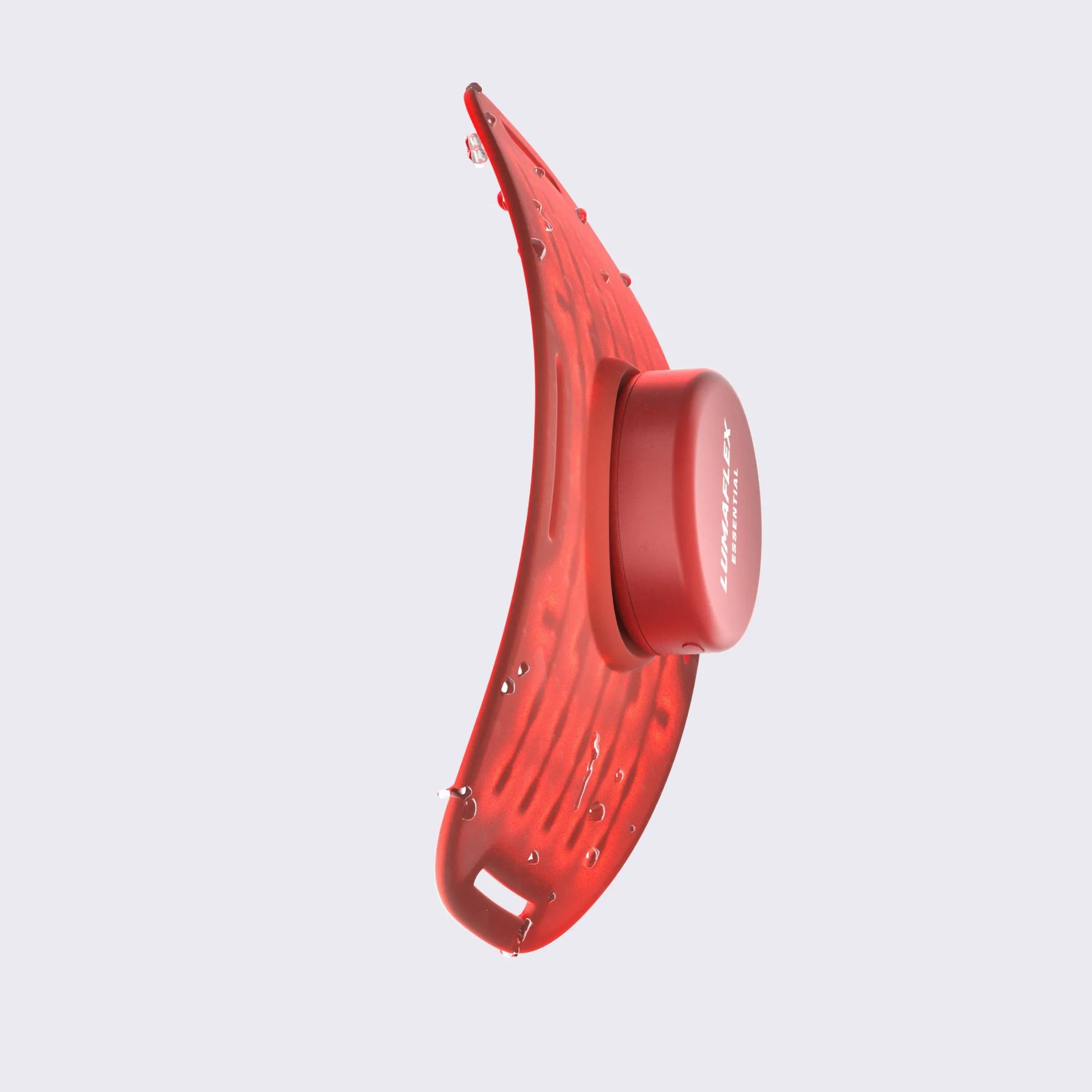
Choose between the Lumaflex Essential, Lumaflex Essential Pro, and the Lumaflex Body Pro devices that best fit your needs, or browse through the research supporting the technology behind each clearance.
All clearance statements are made on the basis of FDA 510(k) clearance requests submitted by Lumaflex. Clearance indications are limited to specified intended uses only. Results will differ. This article is for information purposes only.