Can Red Light Therapy Help With Fibromyalgia?

Fibromyalgia can affect much more than pain. Fatigue, disrupted sleep, and reduced physical function can make everyday activities harder and leave people looking for additional ways to manage their symptoms.
Photobiomodulation, commonly known as red light therapy, is one approach researchers have studied in people with fibromyalgia. Early research has reported improvements in pain and quality of life, with some studies also finding changes in fatigue, sleep, physical function, and psychological well-being.
So why might light therapy affect symptoms of fibromyalgia? Researchers are investigating how specific wavelengths of light interact with cells and tissues, including processes involved in pain, inflammation, and cellular function.
Fibromyalgia involves a range of symptoms that can affect pain, sleep, energy, physical function, and mental well-being. This has led researchers to examine whether photobiomodulation could influence more than one aspect of the condition.
Researchers are investigating how specific wavelengths of light interact with cells and tissues, including processes involved in pain, inflammation, and cellular function.
- 1. What Fibromyalgia Feels Like
- 2. Can red light therapy help fibromyalgia pain?
- 3. How could red light therapy affect fibromyalgia symptoms?
- 4. What have clinical trials found about red light therapy for fibromyalgia?
- 5. What do systematic reviews say about red light therapy for fibromyalgia?
- 6. Does red light therapy help fibromyalgia fatigue, sleep, or quality of life?
- 7. Why do fibromyalgia red light therapy studies have different results?
- 8. How long does red light therapy take to help fibromyalgia?
- 9. Is red light therapy safe for people with fibromyalgia?
- 10. Can red light therapy replace fibromyalgia treatment?
- 11. What do we still need to know about red light therapy for fibromyalgia?
- 12. What Does the Research Mean for People With Fibromyalgia?
- 13. References
What Fibromyalgia Feels Like
Fibromyalgia is a chronic condition associated with widespread pain, tenderness, fatigue, and sleep problems. Some people also experience stiffness, cognitive difficulties often called “fibro fog,” numbness or tingling, and greater sensitivity to light, noise, odors, or temperature.
The pain does not come from one injured muscle or joint. Fibromyalgia is associated with changes in how the nervous system processes pain. The brain and spinal cord can amplify signals that might feel less painful to someone without the condition. Researchers often refer to this as central sensitization.
Symptoms vary widely between people. Pain may be the main concern for one person, while another may struggle more with fatigue, poor sleep, cognitive symptoms, or symptom flares after physical or mental exertion.
Symptoms can also change over time. Stress, illness, activity, sleep quality, and other health conditions may influence how someone feels from one day to the next.
There is no cure for fibromyalgia, so treatment focuses on managing symptoms and improving daily function. Depending on the person, care may include movement or exercise, psychological and behavioral approaches, prescribed medications, education, and self-management.
Red light therapy, if used, would fit alongside these approaches rather than replace them.
Can red light therapy help fibromyalgia pain?
What the Recent Review Found
The most recent fibromyalgia-specific systematic review, published in June 2026, included seven randomized controlled trials involving 495 participants. Six of the seven trials reported significant improvements in pain intensity.
The review found:
- 7 randomized controlled trials
- 495 participants
- 6 of 7 trials reported significant improvements in pain intensity
- Reported short-term pain reductions ranged from about 30% to 55%
- Studies used different wavelengths, irradiance levels, treatment doses, treatment schedules, treatment areas, and outcome measures
The review did not combine the results into a single overall effect estimate because the treatment protocols and study methods varied substantially. A percentage from one study therefore cannot be applied directly to another treatment setup.
What does this mean for someone with fibromyalgia? The research provides a reason to consider photobiomodulation as a possible addition to symptom management. Most of the trials in the review reported improvements in pain, but the studies do not yet tell us which treatment approach is most effective or how much relief a particular person can expect.
A 2018 randomized, blinded, controlled trial provides a useful example of that variation. It included 160 women with fibromyalgia and compared phototherapy, exercise training, and combined treatment over 10 weeks.
The phototherapy protocol used a multi-wavelength system with 640 nm LEDs, 875 nm LEDs, and a 905 nm super-pulsed infrared diode. Treatment was applied at 11 body locations.
The researchers reported improvements in pain threshold and several fibromyalgia-related measures. Fatigue, sleep-related measures, anxiety, depression, and quality of life also improved across some interventions. Several outcomes showed greater effects when phototherapy and exercise were combined.
Taken together, the research suggests that photobiomodulation may help some people with fibromyalgia pain, although the studies have used a wide range of treatment approaches.
How could red light therapy affect fibromyalgia symptoms?

Red light therapy is a form of photobiomodulation, or PBM. It is also called low-level light therapy and, in some research, low-level laser therapy. PBM uses red or near-infrared light at specific wavelengths and doses.
Researchers are studying several ways PBM may affect cells and tissues. Proposed mechanisms include changes in mitochondrial activity, energy metabolism, oxidative stress, inflammatory signaling, blood flow, and nervous system function.
Some of these processes are relevant to fibromyalgia. Research into the condition has examined altered pain processing, central sensitization, and neuroinflammation. This has led researchers to investigate whether PBM could influence some of the biological processes associated with fibromyalgia symptoms.
Mitochondria are one area of particular interest. They produce ATP, a molecule that cells use to power many biological processes. PBM studies often examine changes in mitochondrial activity and ATP-related processes.
That does not mean that red light therapy simply “increases ATP” and relieves fibromyalgia pain. Biological effects depend on factors such as the tissue treated, wavelength, dose, treatment schedule, and the person receiving the treatment.
For a broader explanation of how photobiomodulation works, see LumaFlex's guide to how red light therapy works.
What have clinical trials found about red light therapy for fibromyalgia?
Studies in people with fibromyalgia have used a wide range of photobiomodulation approaches. Researchers have tested localized treatments, whole-body PBM, LED and laser systems, different wavelengths, different energy doses, and treatment schedules.
Two trials illustrate some of that variation.
2018 randomized, blinded, controlled trial
The study by da Silva and colleagues included 160 women with fibromyalgia. Participants received phototherapy, exercise training, or a combination of both over 10 weeks.
The researchers reported improvements in pain threshold and several fibromyalgia-related outcomes. Some measures showed greater improvements when phototherapy and exercise were combined.
The light treatment used 640 nm LEDs, 875 nm LEDs, and a 905 nm super-pulsed infrared diode across 11 body locations. That is quite different from a single-wavelength device used on one area of the body.
Whole-body PBM trial
A later triple-blinded randomized clinical trial studied whole-body PBM in 42 people with fibromyalgia. Participants completed 12 sessions over four weeks, with follow-up assessments immediately after treatment and at two weeks, three months, and six months.
The researchers reported significant reductions in pain at several follow-up points, along with improvements in quality of life. Measures related to leisure activity, fear of movement, self-efficacy, and pain catastrophizing also improved at selected time points.
Together, these studies show how researchers are testing PBM in different ways, from targeted treatment at multiple body locations to whole-body exposure. They also show why results from one protocol cannot automatically be applied to another.
What do systematic reviews say about red light therapy for fibromyalgia?
Systematic reviews give us a broader view than any single trial.
A 2025 systematic review evaluated 17 studies involving 857 participants. The studies used low-level laser, infrared, and LED-based systems, with treatments delivered to specific areas of the body or across the whole body.
Across the research, the review reported improvements in several areas:
- Pain intensity
- Physical function
- Fatigue
- Quality of life
- Sleep quality
- Psychological well-being
- Fear of movement
The studies did not all use the same treatment approach. Wavelengths, doses, treatment areas, schedules, and study methods varied. The review therefore did not identify one wavelength, dose, treatment area, or schedule as the standard approach for fibromyalgia.
A more recent systematic review, published in 2026, focused specifically on seven randomized controlled trials involving 495 participants. Six of the seven trials reported significant improvements in pain intensity. The review also found improvements in health-related quality of life, with positive findings for sleep quality and psychological well-being in some studies.
For someone with fibromyalgia, the overall picture is encouraging: studies have reported improvements in pain and other symptoms following photobiomodulation. The research also shows considerable variation in how PBM has been delivered, which leaves open questions about which treatment approaches are most useful and for which symptoms.

Does red light therapy help fibromyalgia fatigue, sleep, or quality of life?
Pain is not the only symptom researchers have examined. Studies of photobiomodulation in people with fibromyalgia have also reported changes in fatigue, sleep quality, and quality of life.
Fatigue
The 2025 systematic review reported reductions in fatigue among the outcomes it examined.
Fatigue in fibromyalgia can have several contributing factors, including pain, poor sleep, mood, activity level, medications, and other health conditions. A reduction in fatigue therefore does not necessarily mean that red light therapy directly increased energy production.
Sleep
Both the 2025 and 2026 systematic reviews identified positive findings for sleep quality in some studies.
Sleep is closely connected with other fibromyalgia symptoms. Poor sleep can affect pain sensitivity, fatigue, mood, and daily function. Improvements in sleep may therefore influence how someone experiences the condition more broadly.
Quality of Life
Quality of life is another important outcome in the research. The 2026 review reported improvements in health-related quality of life alongside short-term improvements in pain.
Unlike a pain score, quality of life captures several parts of daily life. It can reflect physical function, emotional well-being, sleep, confidence, and the ability to take part in ordinary activities.
For someone living with fibromyalgia, an improvement in quality of life may therefore be meaningful even when pain is not completely resolved.
Why do fibromyalgia red light therapy studies have different results?
The studies are not testing one identical form of photobiomodulation. Treatment can differ in several ways, and those differences can affect the results.
| Research variable | What it changes |
| Wavelength | Red and near-infrared light can interact with tissue differently. Researchers may choose different wavelengths depending on the tissue or area being treated. |
| Irradiance | This describes how much optical power reaches a given area. A higher or lower irradiance changes how quickly energy is delivered. |
| Radiant exposure | This describes the total energy delivered to an area during treatment. Two devices can use similar wavelengths while delivering different amounts of energy. |
| Treatment frequency | Studies may use sessions every day, several times a week, or shorter treatment courses. |
| Treatment area | A treatment aimed at specific areas of the body is different from whole-body PBM. |
| Device type | LED systems, low-level lasers, and higher-power Class IV lasers can deliver light in different ways and should not automatically be treated as equivalent. |
| Outcome measure | Pain intensity, pressure-pain threshold, sleep, fatigue, and quality of life measure different aspects of fibromyalgia. |
The 2026 review found substantial variation in wavelength, irradiance, radiant exposure, and treatment frequency. Because the studies differed in these and other ways, the researchers did not combine their results into one overall estimate.
For someone comparing devices or treatment approaches, this distinction is important. A result from a multi-wavelength clinical system does not automatically tell us what to expect from a whole-body panel or a small localized LED device.
In other words, “red light therapy for fibromyalgia” describes a range of treatment approaches rather than one standardized intervention.
How long does red light therapy take to help fibromyalgia?
Clinical studies have used different treatment schedules and measured outcomes at different points during and after treatment.
In the whole-body trial described above, participants received 12 sessions over four weeks, with researchers continuing to assess outcomes for up to six months. Other studies have used different treatment frequencies and durations, so this four-week schedule should not be treated as a standard.
It is also important to distinguish a completed study from a study protocol. A 2022 publication proposed three PBM sessions per week for four weeks, followed by assessments at two weeks, three months, and six months. Because it described a planned trial rather than reporting completed results, it cannot tell us whether that schedule was effective.
For home use, it makes more sense to track a specific symptom or aspect of daily function than to look for an immediate change. Follow the device instructions and give the treatment enough time to assess whether anything is changing. If possible, avoid making several treatment changes at once, since that can make it harder to tell what may have contributed to an improvement.
There is no single timeline for when someone with fibromyalgia might notice a change with photobiomodulation.
Is red light therapy safe for people with fibromyalgia?
Photobiomodulation is non-invasive, and the clinical studies reviewed in recent research have generally reported that participants tolerated the treatment well. The studies did not all report adverse events in the same level of detail, however, so it would be inaccurate to say that red light therapy has no side effects.
If you use a red light therapy device at home:
- Follow the manufacturer's instructions for treatment distance, exposure time, and frequency.
- Use the recommended eye protection when the device instructions call for it.
- Do not assume that a device delivering more light will produce better or safer results.
- Do not use the device on areas that the manufacturer specifically excludes.
- Ask a healthcare professional about using PBM if you have concerns related to medications, photosensitivity, pregnancy, cancer treatment, implanted devices, or a newly diagnosed condition.
Fibromyalgia can occur alongside other health conditions, and pain or fatigue can have more than one cause. New, severe, rapidly worsening, or unusual symptoms should be medically evaluated rather than attributed to fibromyalgia or managed by adding a light therapy device.
Can red light therapy replace fibromyalgia treatment?
No. Current evidence supports photobiomodulation as a possible addition to fibromyalgia care, not a replacement for established treatments. The 2026 systematic review describes PBM as a potential non-pharmacological adjunct and calls for larger, better-conducted randomized trials.

Fibromyalgia care may include:
- Movement or exercise, adapted to the person's abilities and symptoms
- Sleep management
- Education and self-management
- Psychological and behavioral approaches
- Medications, when prescribed
- Individualized support based on symptoms and daily function
Red light therapy should not be used as a reason to stop prescribed treatment or delay an evaluation for new symptoms. If someone is considering home PBM, the treatment should complement, rather than replace, the care they already receive.
A study using one device does not necessarily tell us what to expect from another. Wavelength, irradiance, treatment area, and exposure time can all differ between devices.
What do we still need to know about red light therapy for fibromyalgia?
Several questions about photobiomodulation and fibromyalgia remain open.
Which wavelengths work best? Studies have used red, near-infrared, and combinations of wavelengths, along with both LED and laser systems. The research has not established one wavelength as the best choice for fibromyalgia or for every symptom.
How much light is needed? Studies have varied in irradiance, radiant exposure, session length, and treatment frequency. Localized and whole-body approaches have also been tested. More consistent protocols would make it easier to compare results and identify treatment patterns that are worth studying further.
How long do the benefits last? Current evidence is stronger for short-term changes in pain and quality of life than for lasting changes in the condition itself. Longer follow-up could show whether improvements continue after treatment ends.
Future trials would benefit from larger participant groups, consistent outcome measures, clearer treatment protocols, and more complete reporting of adverse events. That research could help determine which PBM approaches are most useful, how often they should be used, and which symptoms are most likely to improve.
Frequently asked questions about red light therapy and fibromyalgia
Can red light therapy reduce fibromyalgia pain?
It may help reduce fibromyalgia pain for some people. In the 2026 systematic review, six of seven randomized controlled trials reported significant improvements in pain intensity. The studies used different treatment protocols, so the results do not establish one standard approach or a predictable amount of pain relief.
Can red light therapy help fibromyalgia fatigue?
Some studies have reported reductions in fatigue following photobiomodulation. Fatigue can have several contributing factors in fibromyalgia, including pain, sleep, mood, activity level, medications, and other health conditions. The available research does not show that PBM will improve fatigue for everyone.
Does red light therapy help with fibromyalgia sleep problems?
Some studies have reported improvements in sleep quality after PBM, and both recent systematic reviews identified positive findings in some trials. The research does not establish PBM as a treatment for sleep problems, and results may differ between treatment approaches.
How long does red light therapy take to work for fibromyalgia?
Studies have used treatment courses ranging from several sessions to several weeks, with some participants followed for months after treatment. These schedules describe how individual studies were conducted. They do not establish a timeline that applies to everyone.
How often should you use red light therapy for fibromyalgia?
Research has not established one treatment frequency. Follow the instructions for the specific device and treatment area rather than copying a schedule from a research study. A study using a different device, wavelength, or dose may not be directly comparable.
What wavelength is best for fibromyalgia?
Studies have tested several red and near-infrared wavelengths, including systems that combine multiple wavelengths. The research has not established one wavelength as the best choice for every person, symptom, or treatment area.
Can red light therapy replace fibromyalgia treatment?
No. Current evidence supports PBM as a possible addition to individualized fibromyalgia care, not a replacement for established approaches such as exercise or movement, sleep management, prescribed treatment, education, and behavioral strategies.
Is red light therapy a cure for fibromyalgia?
No. Research has not shown that red light therapy cures fibromyalgia. Studies have reported improvements in symptoms such as pain and quality of life, but those findings do not establish a cure or show that the effects will be lasting.
What Does the Research Mean for People With Fibromyalgia?
The research on photobiomodulation and fibromyalgia has produced some encouraging findings, particularly around pain and quality of life. Some studies have also reported changes in fatigue, sleep, physical function, and psychological well-being.
That does not mean red light therapy will work the same way for everyone. The studies have used different wavelengths, doses, treatment areas, and schedules, and researchers are still working to understand which approaches produce the most useful results.
For someone considering PBM, it can be viewed as one possible addition to a broader approach to managing fibromyalgia symptoms. It should not replace prescribed treatment or other strategies that are helping you manage the condition.
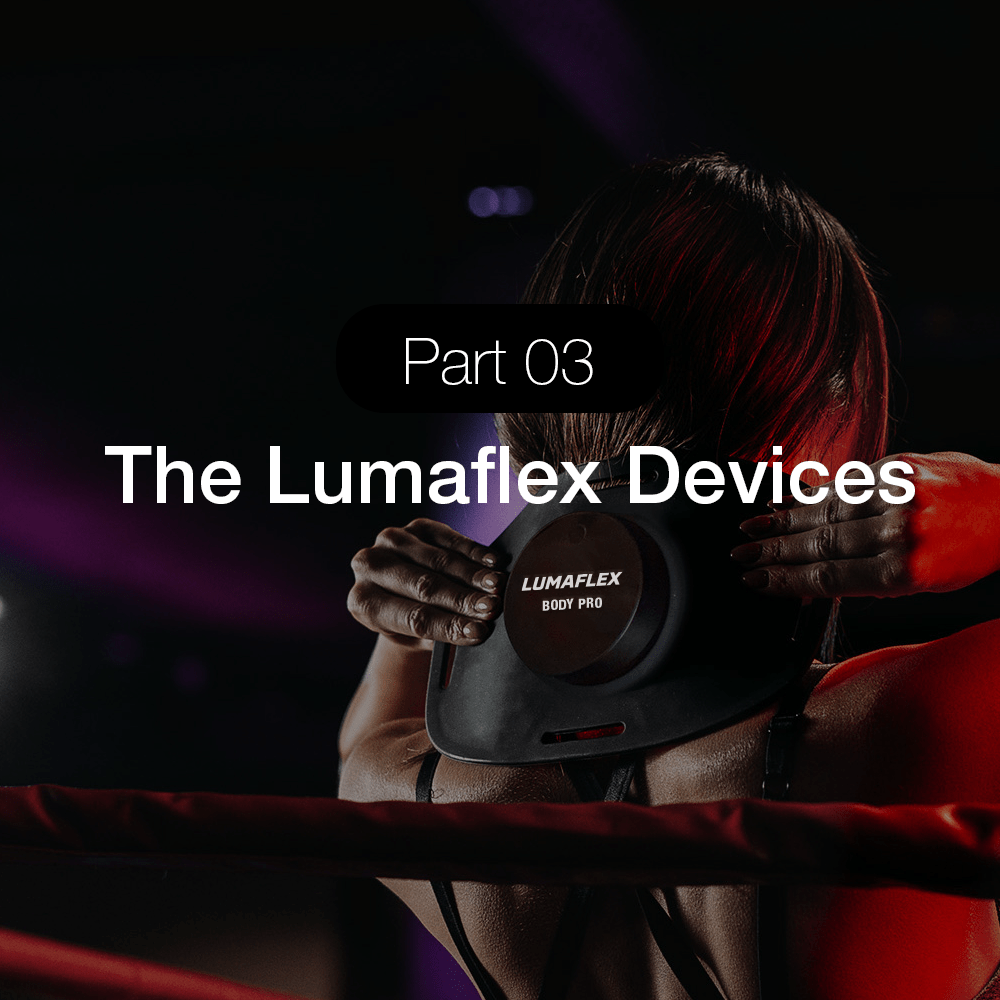
If you are interested in trying red light therapy at home, Lumaflex provides a convenient way to explore photobiomodulation as part of your routine. Learn how Lumaflex works, review the recommended treatment approach, and decide with your healthcare professional whether it is appropriate for you.
Explore Lumaflex and learn more about at-home red light therapy.
References
[1] National Institute of Arthritis and Musculoskeletal and Skin Diseases, Fibromyalgia
[2] National Institute of Arthritis and Musculoskeletal and Skin Diseases, Fibromyalgia: Diagnosis, Treatment, and Steps to Take
[3] G. A. et al., Effect of photobiomodulation on pain and quality of life in fibromyalgia syndrome: a systematic review, Lasers in Medical Science, 2026
[4] da Silva et al., Randomized, blinded, controlled trial on effectiveness of photobiomodulation therapy and exercise training in the fibromyalgia treatment, Lasers in Medical Science, 2018
[5] Martín Pérez et al., Effectiveness of Photobiomodulation Therapy in the Management of Fibromyalgia Syndrome: A Systematic Review, Applied Sciences, 2025
[6] Navarro-Ledesma et al., Outcomes of whole-body photobiomodulation on pain, quality of life, leisure physical activity, pain catastrophizing, kinesiophobia, and self-efficacy, Frontiers in Neuroscience, 2024